
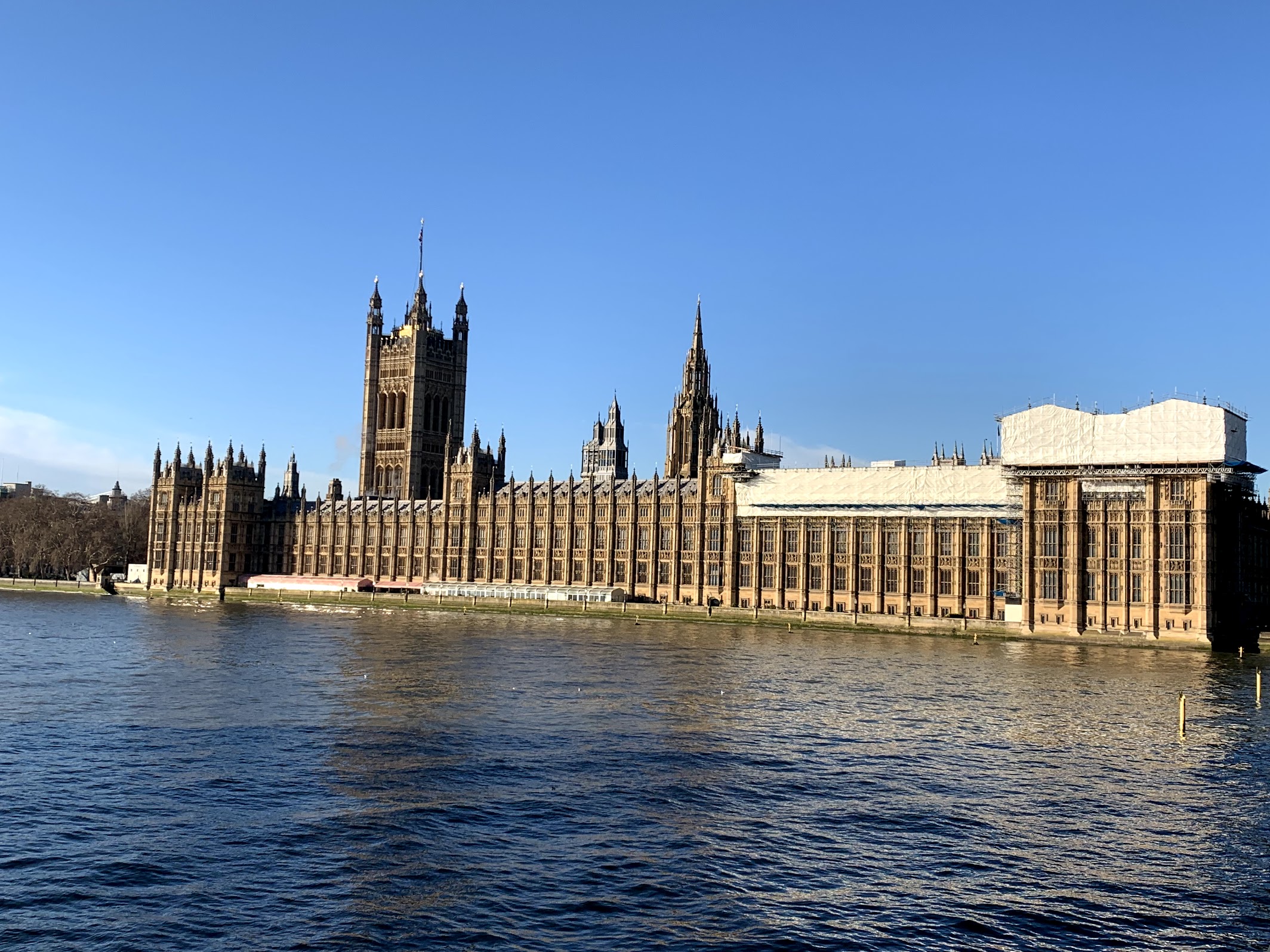
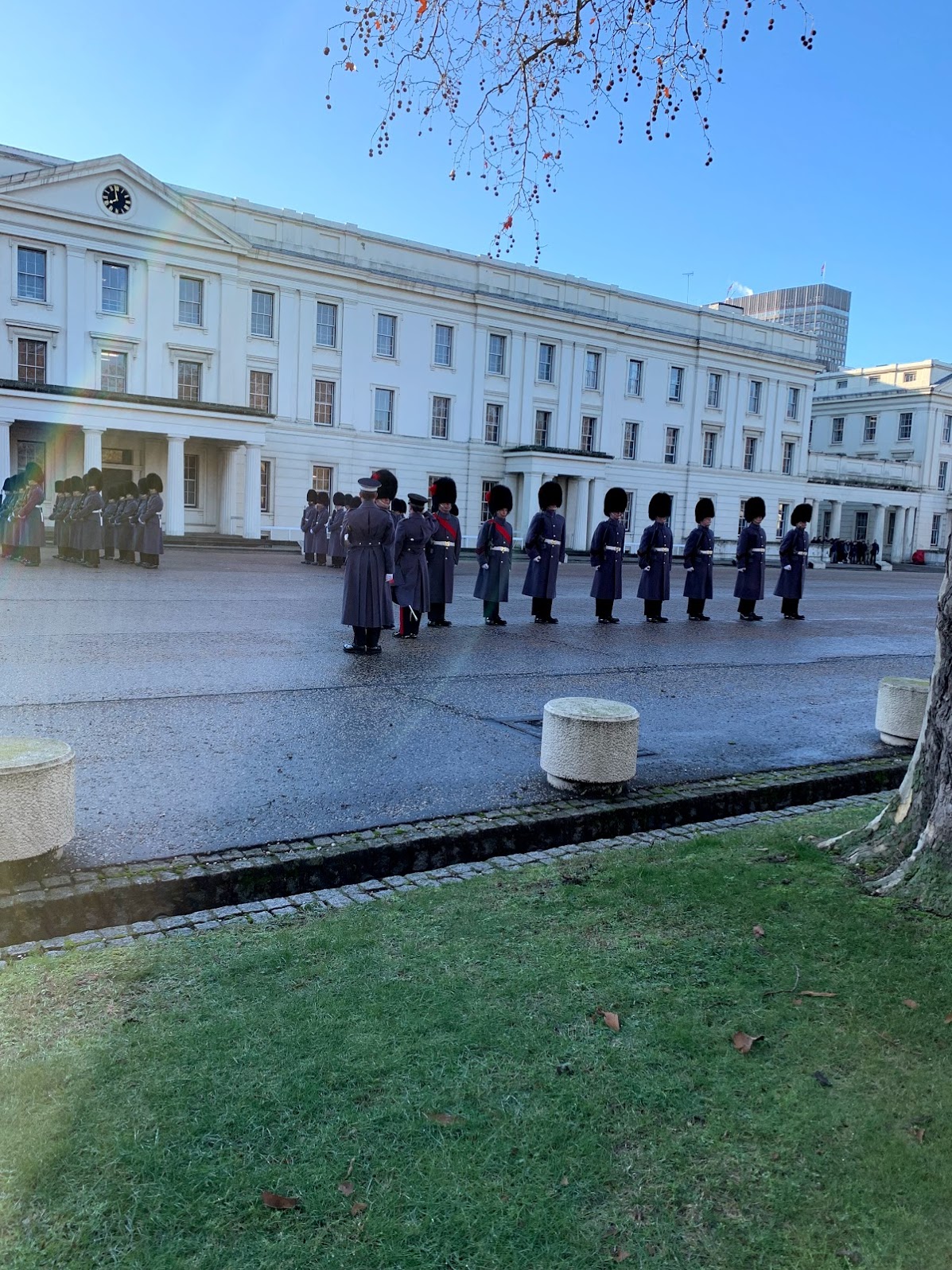
Crystal blue skies shown overhead making all the grey and white buildings of old London crisply outlined by contrast. Today we walked one block south and then west across Westminster Bridge. The Parliament buildings at Westminster sparkled in the sunlit reflection off the water. Unfortunately Big Ben is under restoration and was covered in scaffolding, but you could still see the clock face. Parliamentary buildings are only open on Saturdays to the public so we kept on our path west until reaching Wellington Barracks. We arrived just as the1st Battalion of the Queen’s Coldstream Guard was under inspection. Within a half hour they would go on duty protecting the Queen at Buckingham Palace. The Band of the Scots Guard accompanied them during the inspection.
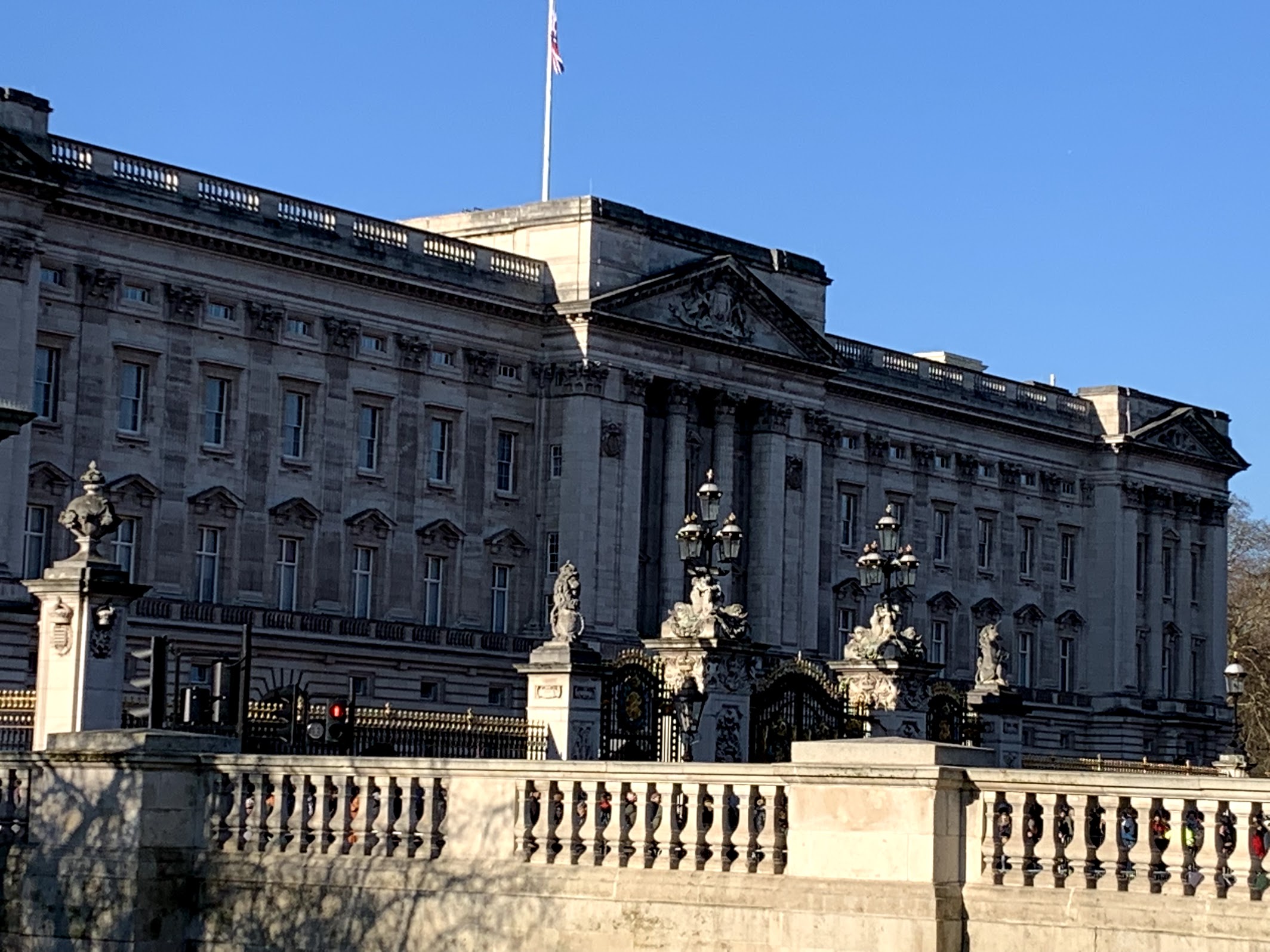
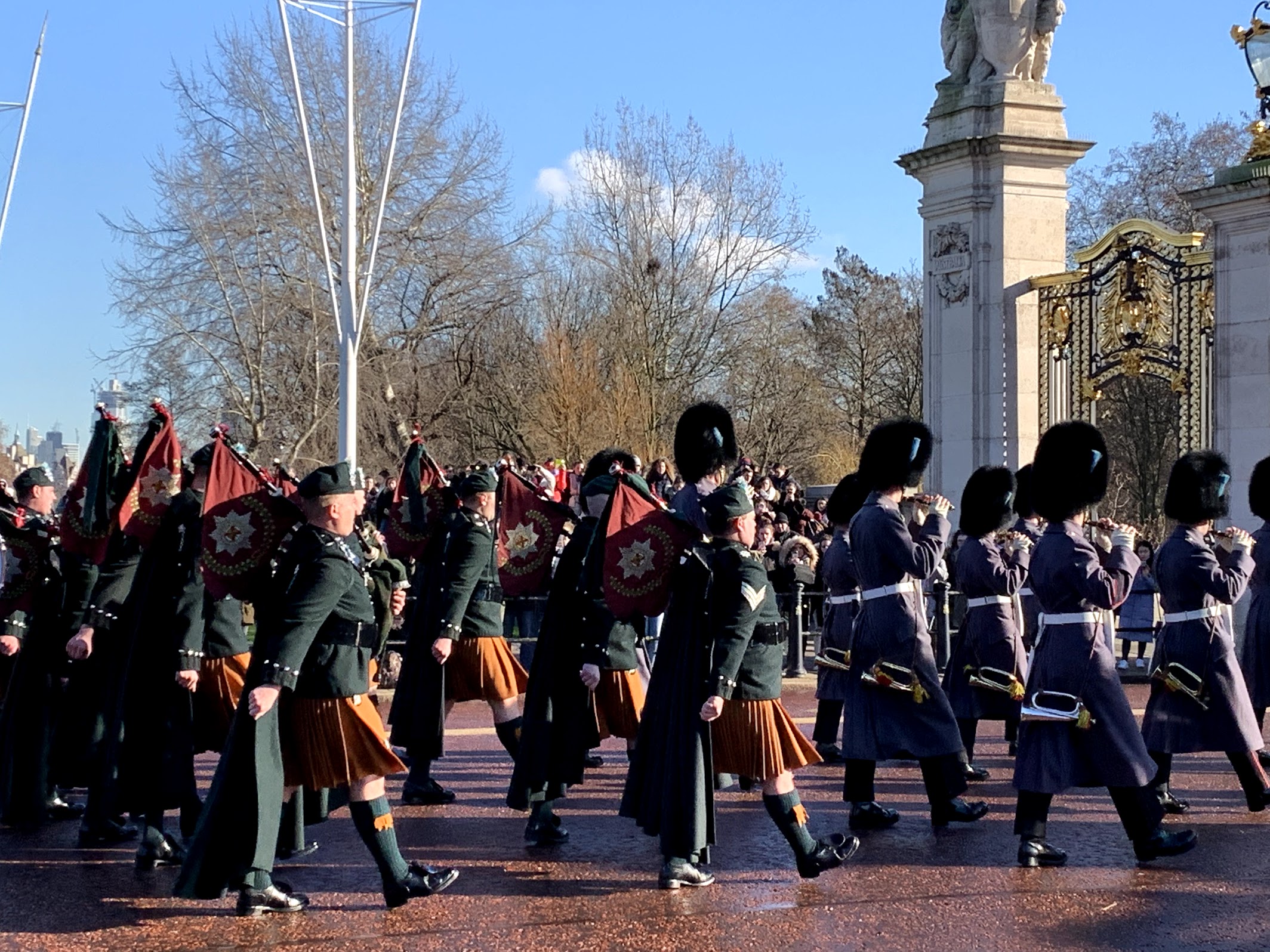
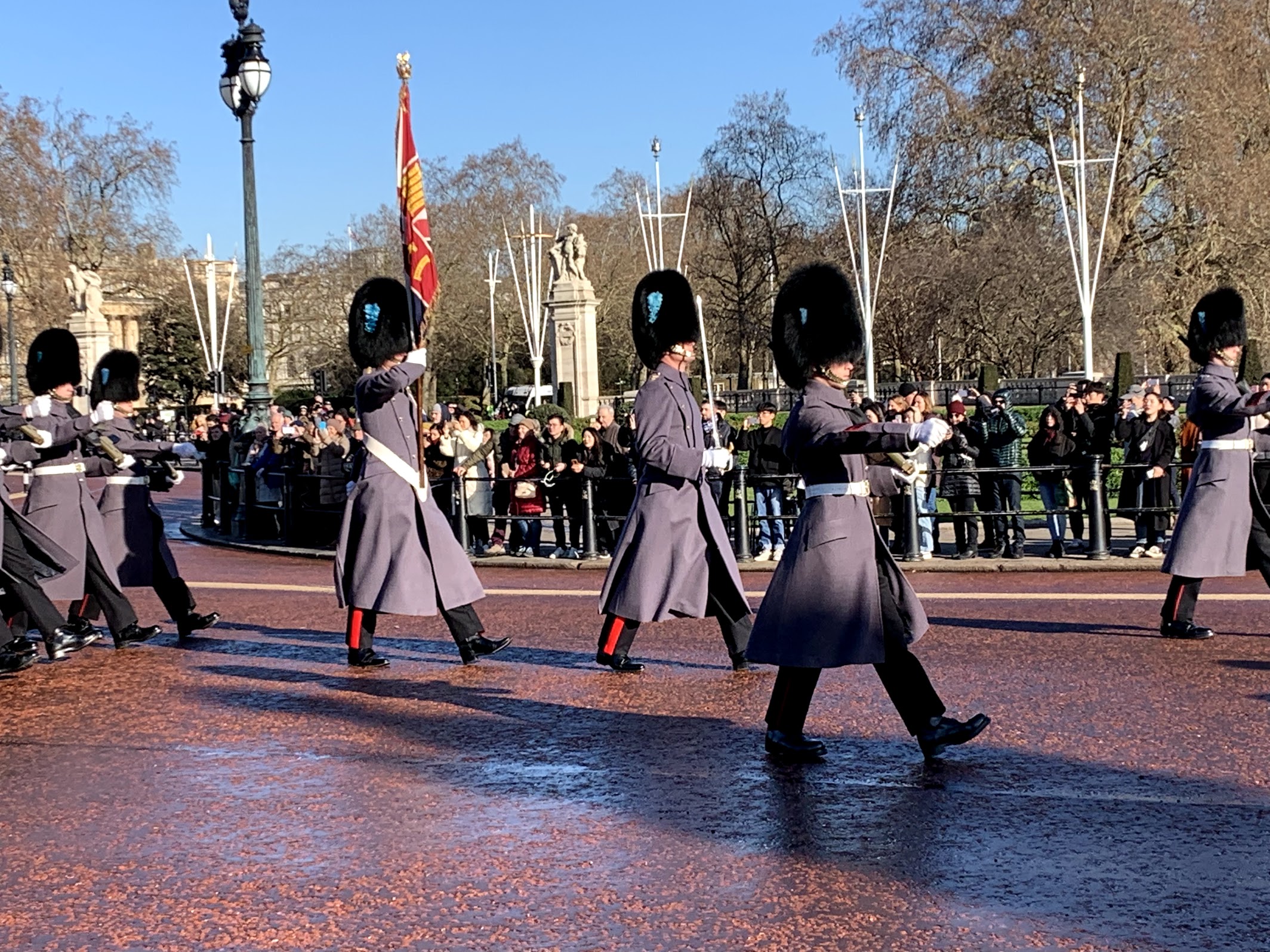
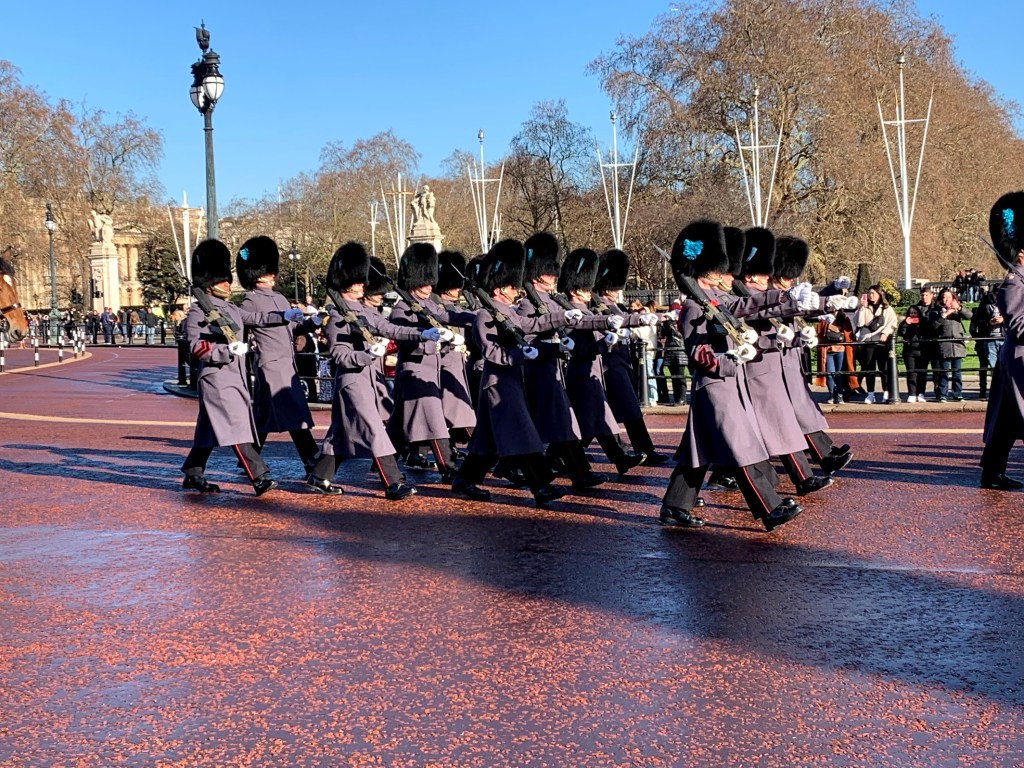
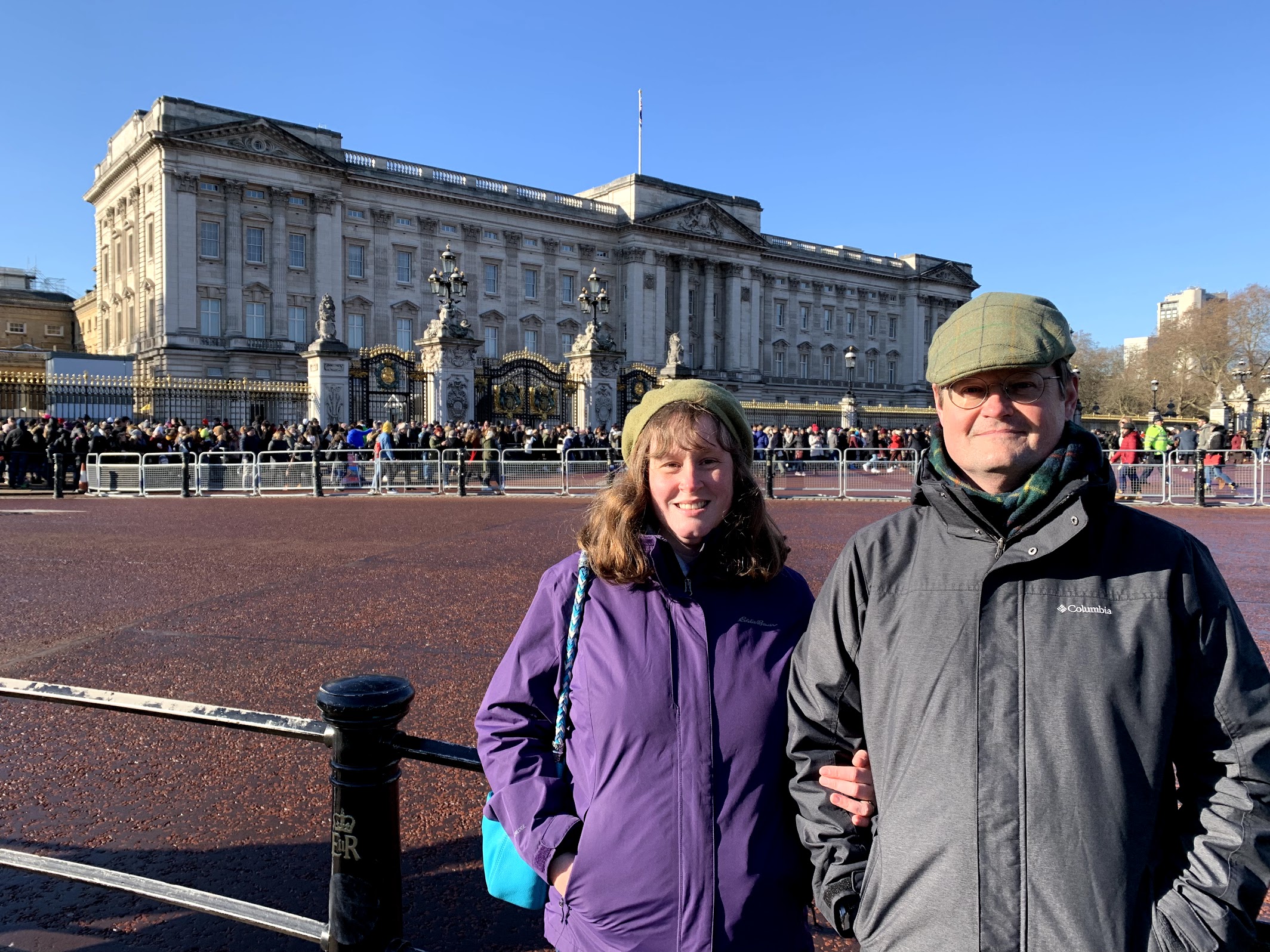
About two blocks further down St. James Park and we could see Buckingham Palace, the official residence of Queen Elizabeth II. However she was not in residence, because the royal standard was not being flown. The Changing of the Guard was about to begin. First to come down the street were the Queen’s Horse Guard followed by the 1st Battalion Irish Pipes and Drums. The 1st Battalion Irish Guards were the “old guard” being relieved of duty. Next to enter was the 1st Battalion of the Coldstream Guard followed by the Band of the Scots Guard who were the “new guard” coming on duty for the next 48 hours. It was truly British military pomp at the grandest level! The soldiers marched in perfection as the bands played, sergeants yelled out orders, and the pipes and traditional bands played beautifully!
From the pomp of royal British military might to the humble religious grandeur of where great kings and queens have been crowed, married, and buried, we entered one of the world’s most famous churches…Westminster Abbey. The audio tour was very helpful as we meandered through burials of kings and queens, the Choir, the High Altar, Lady’s Chapel, and Poet’s corner. The Lady’s Chapel was built in the late 1400’s by Henry VII and is a very ornate late medieval structure. Called Lady’s Chapel in honor of the Virgin Mary, it is also the resting place of Henry VII and his wife Elizabeth of York, Queen Mary, Queen Elizabeth I, and Mary Queen of Scots.
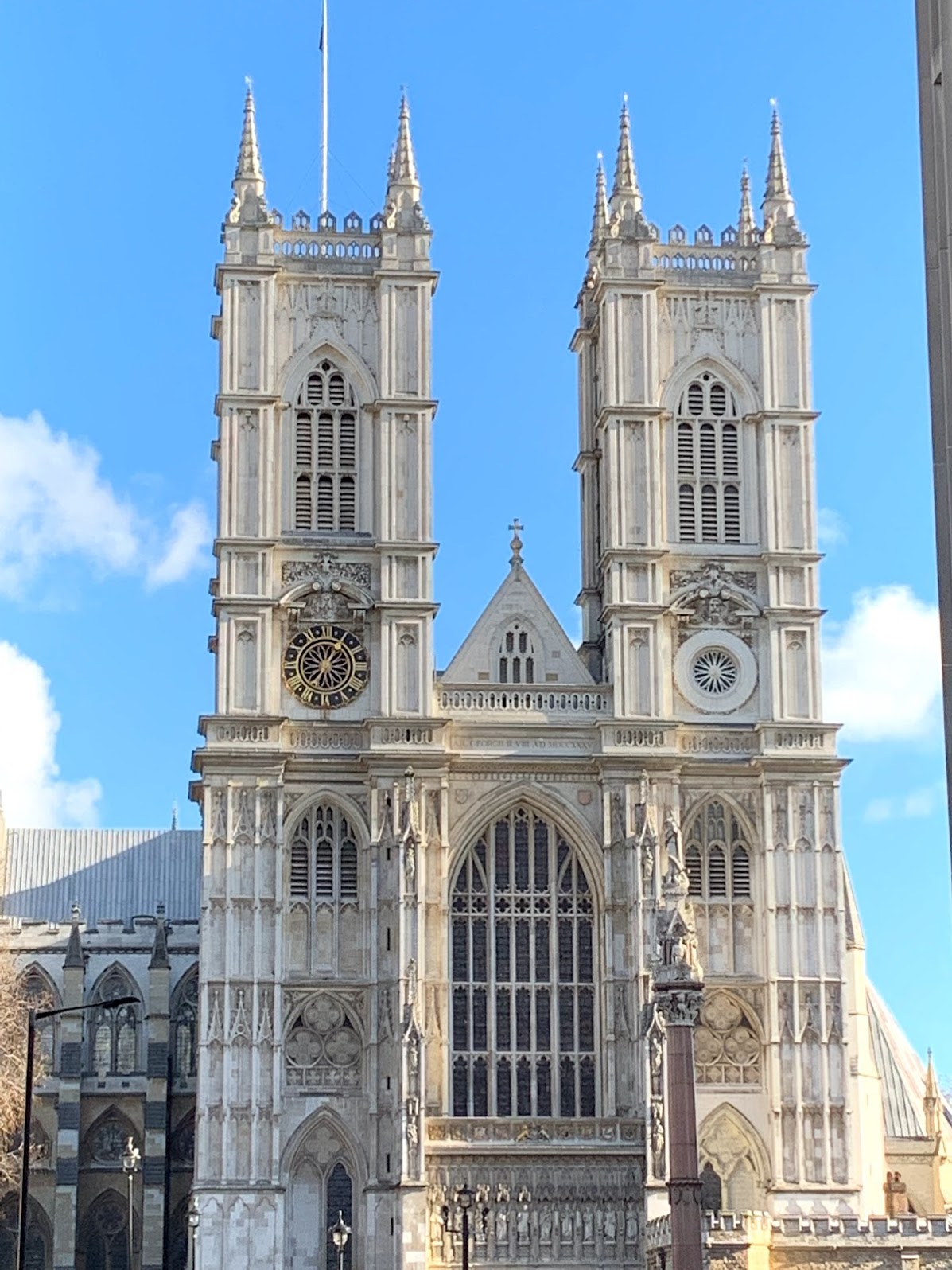
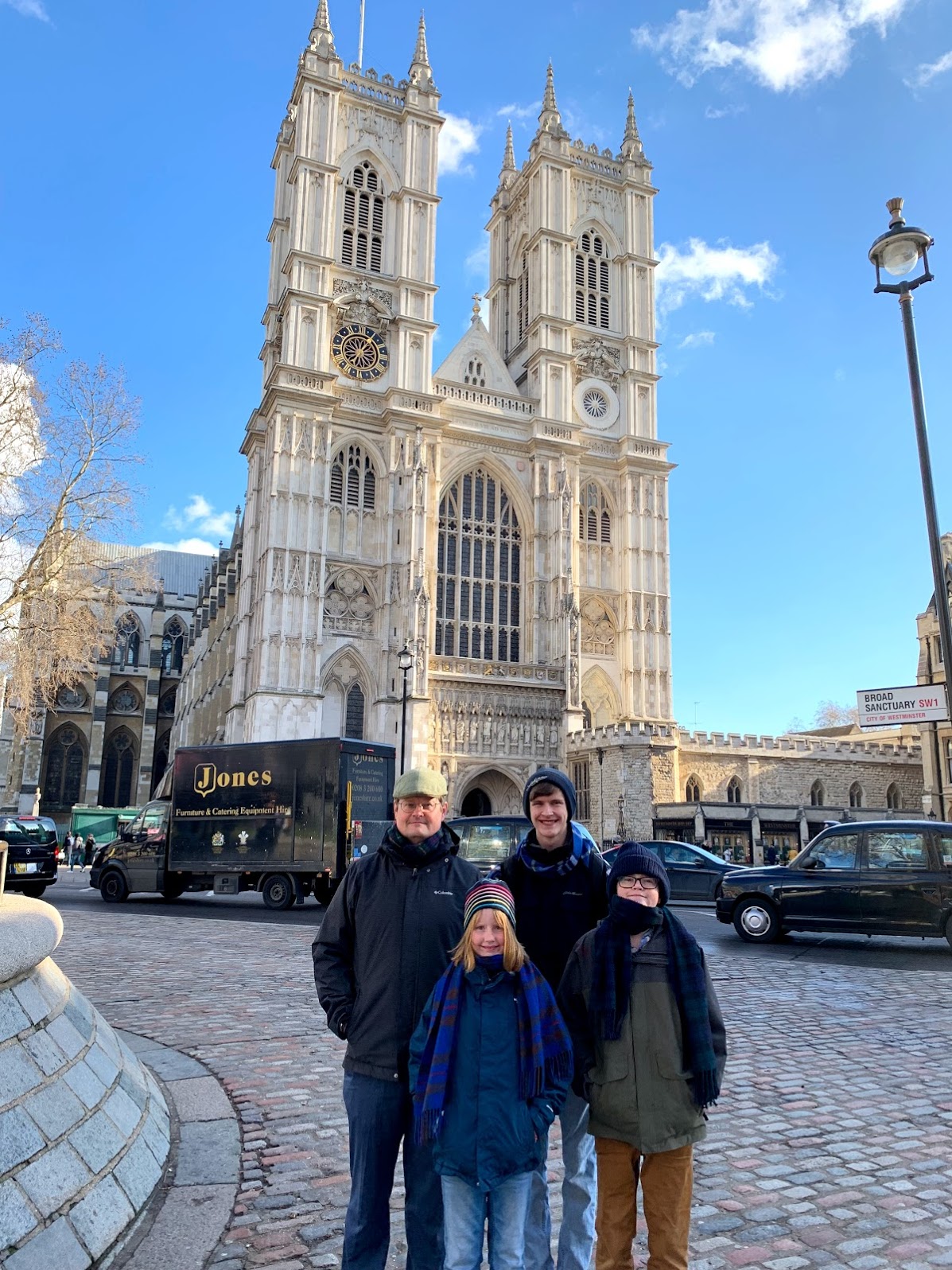
Westminster Abbey was founded in the 11th century by monks and blessed by Edward the Confessor who later became a Saint. His tomb lies behind the high altar. The current gothic cathedral took over 500 years to build and went through various phases until reaching it’s current outward appearance in the 18th century. One corner of the eastern end contains graves of famous poets, writers, and musicians in British history; C.S. Lewis, Charles Dickens, Rudyard Kipling, and the earliest grave belonged to Geoffrey Chaucer. Handel and Purcell are also buried in Westminster Abbey.
Many of the graves lie on the floor or are in the walls of the building and therefore are walked or leaned upon. There is one simple grave that is held in the highest regard even above that of kings and queens…the Tomb of the Unknown Warrior. This tomb lies in front of the main western doors and is always surrounded by flowers. No one it allowed to walk on it. The tomb contains the remains of an unknown soldier for WWI. The highest honor is given to a commoner. The tomb is extremely symbolic, because in the eyes of Christ we are all equal!
The last item you see in Westminster before exiting is the Chapel of St. Edward the Confessor and the wooden coronation throne upon which the kings and queens of the British Isles and Commonwealth have been crowned. The chair known as Edward the Confessor’s throne, dates to 1309. Sadly, there was no photography allowed in the sanctuary so I only have photos from outside.
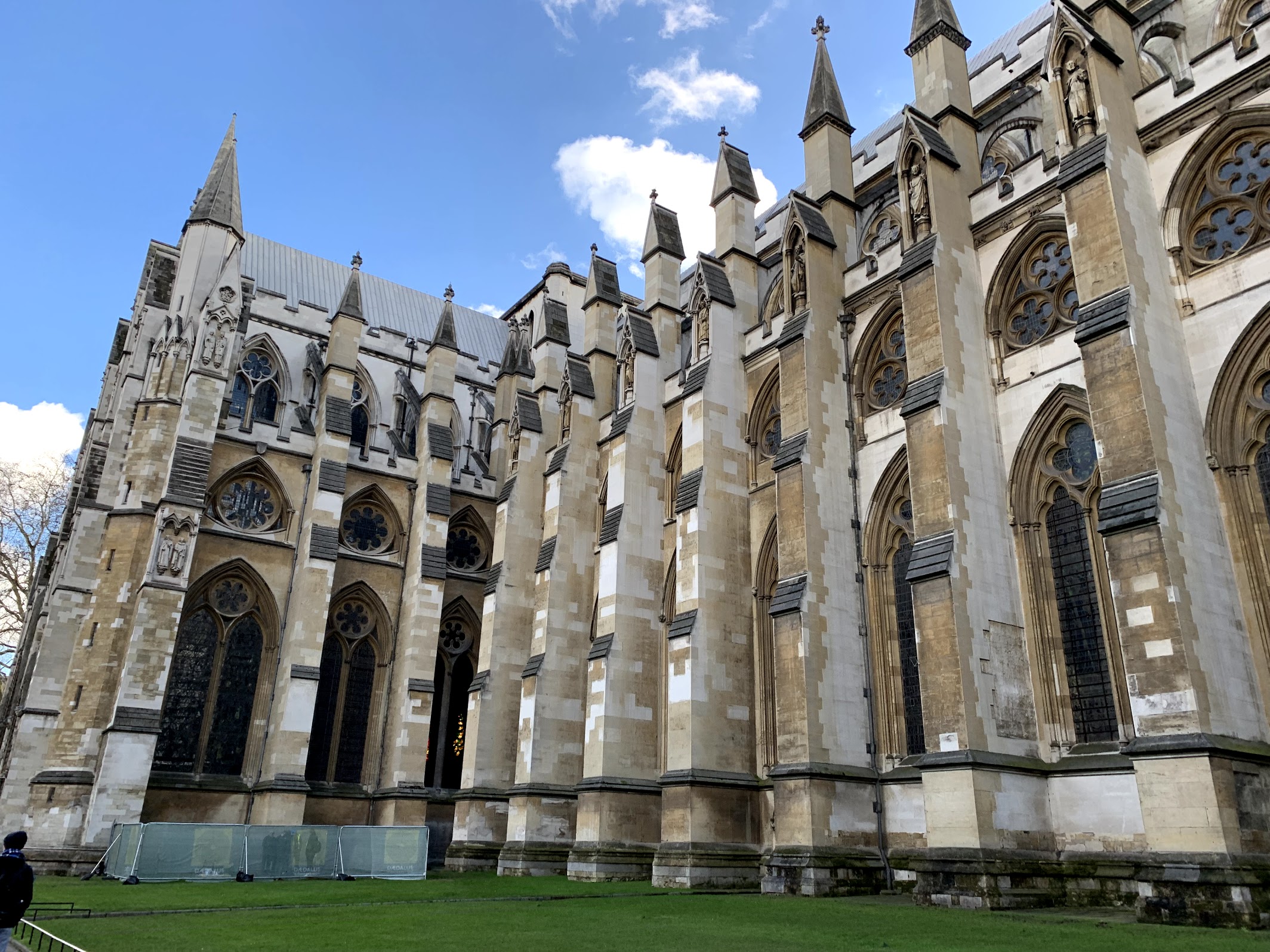
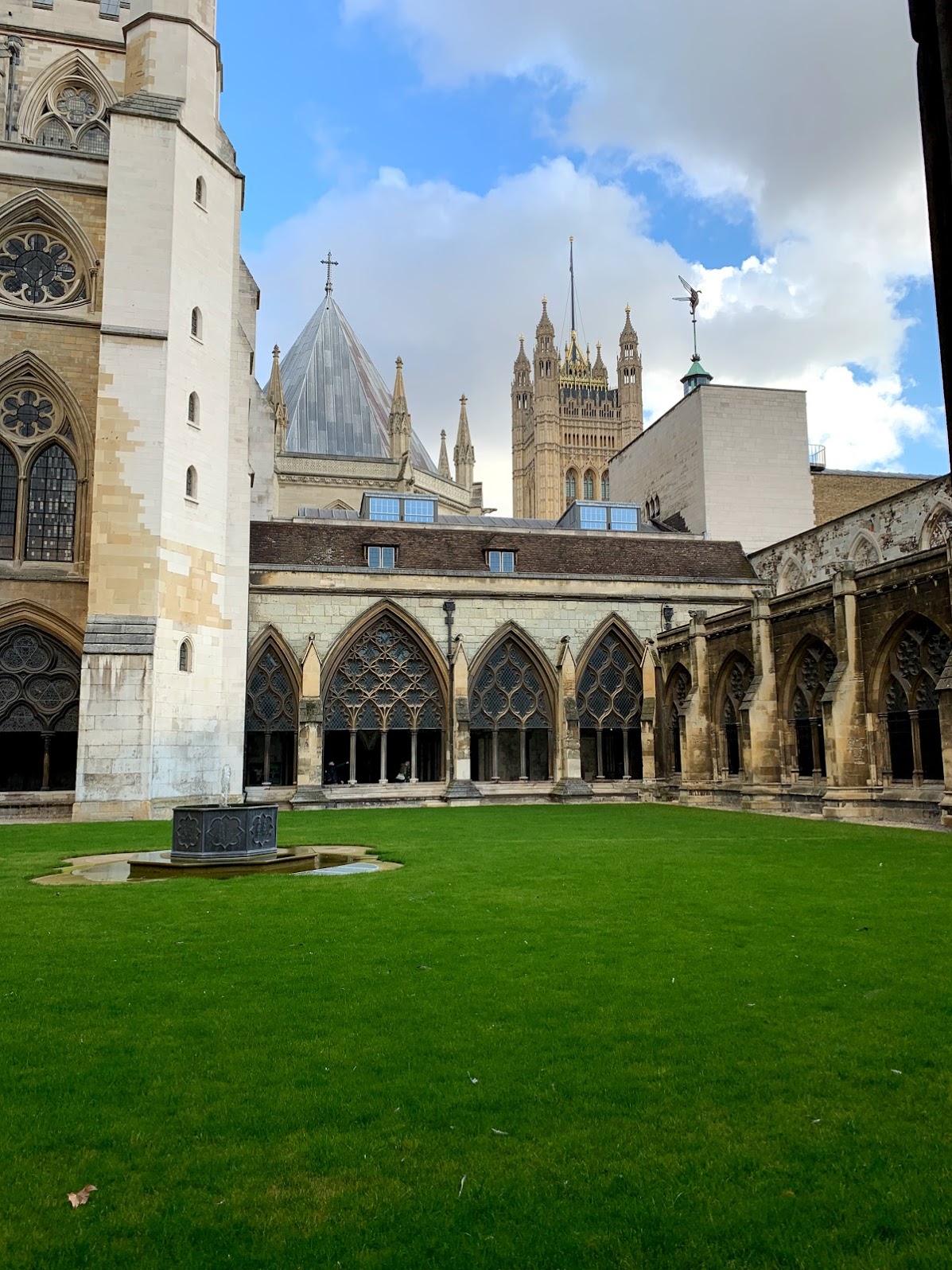
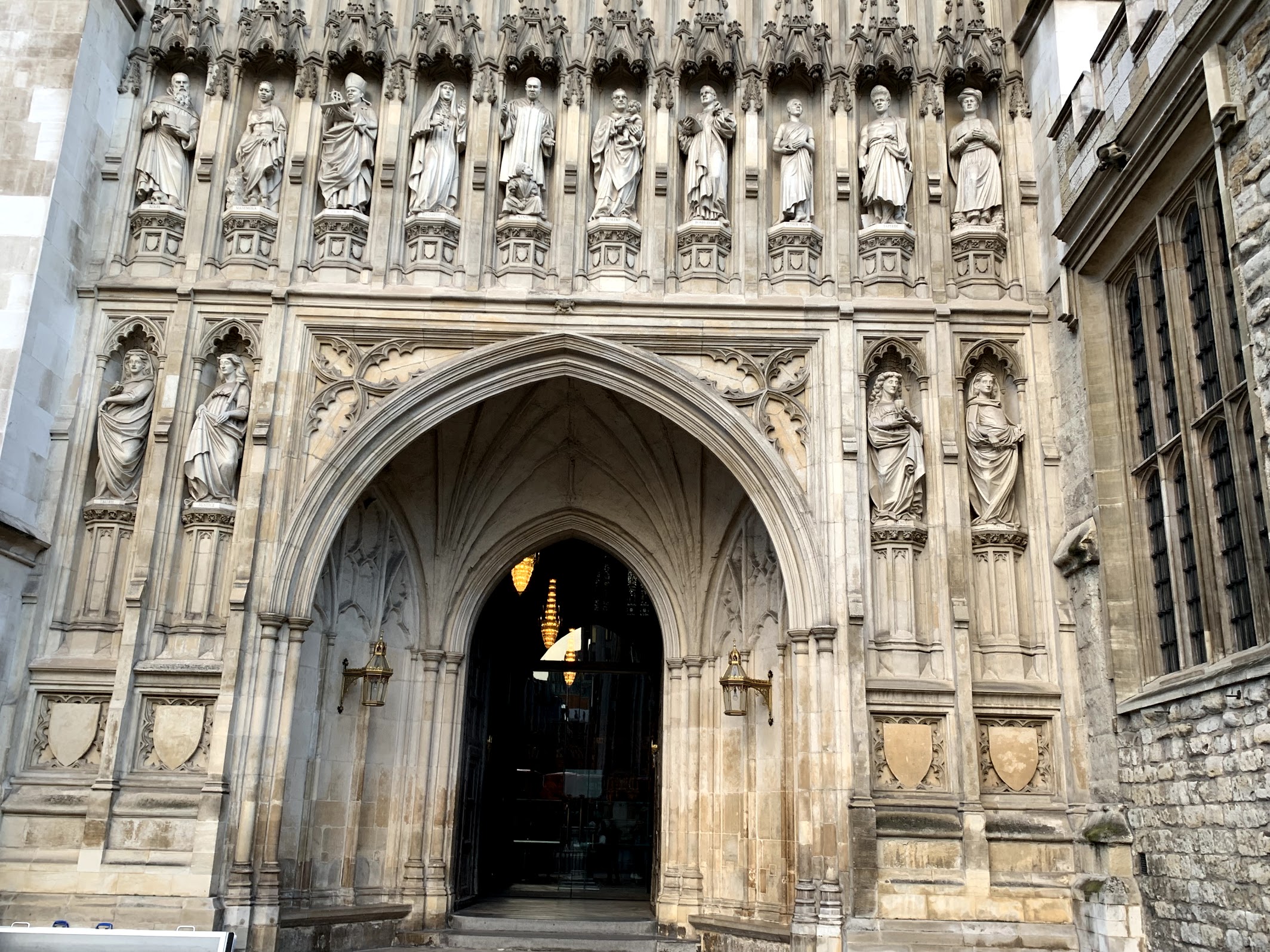
It was tea time when we left the Abbey so we meandered a couple of blocks until we found this cute little café called Pickles and had a nice tea with cakes and sandwiches. Kati-cornered from Pickles was the Royal Treasury, which holds a secret in it’s basement, The Churchill War Rooms. During WWII Winston Churchill and his government ran military operations and correspondence from this underground bunker that was original the vaults to the Treasury. The War Rooms were turned into a museum and opened in 2005.
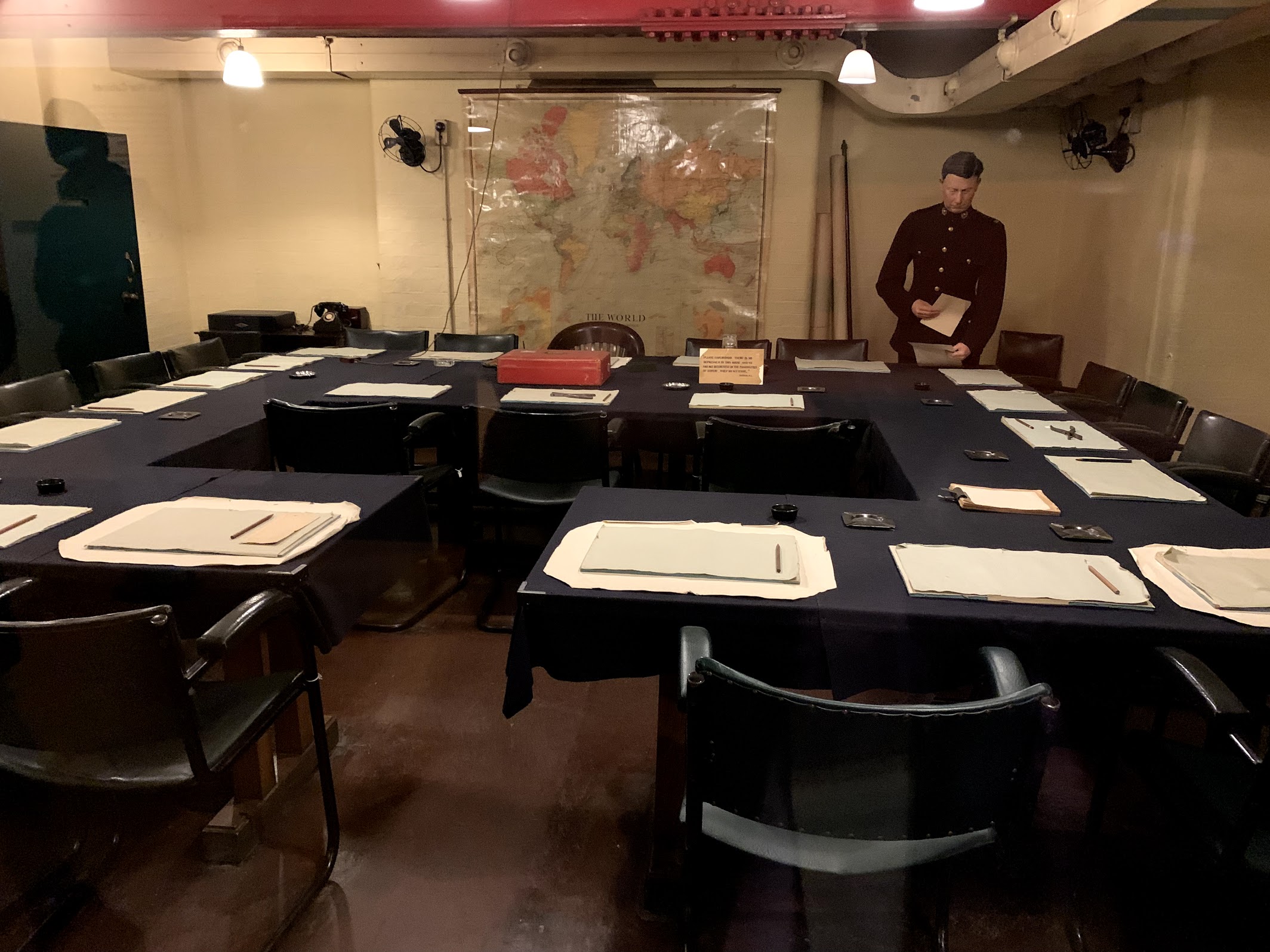
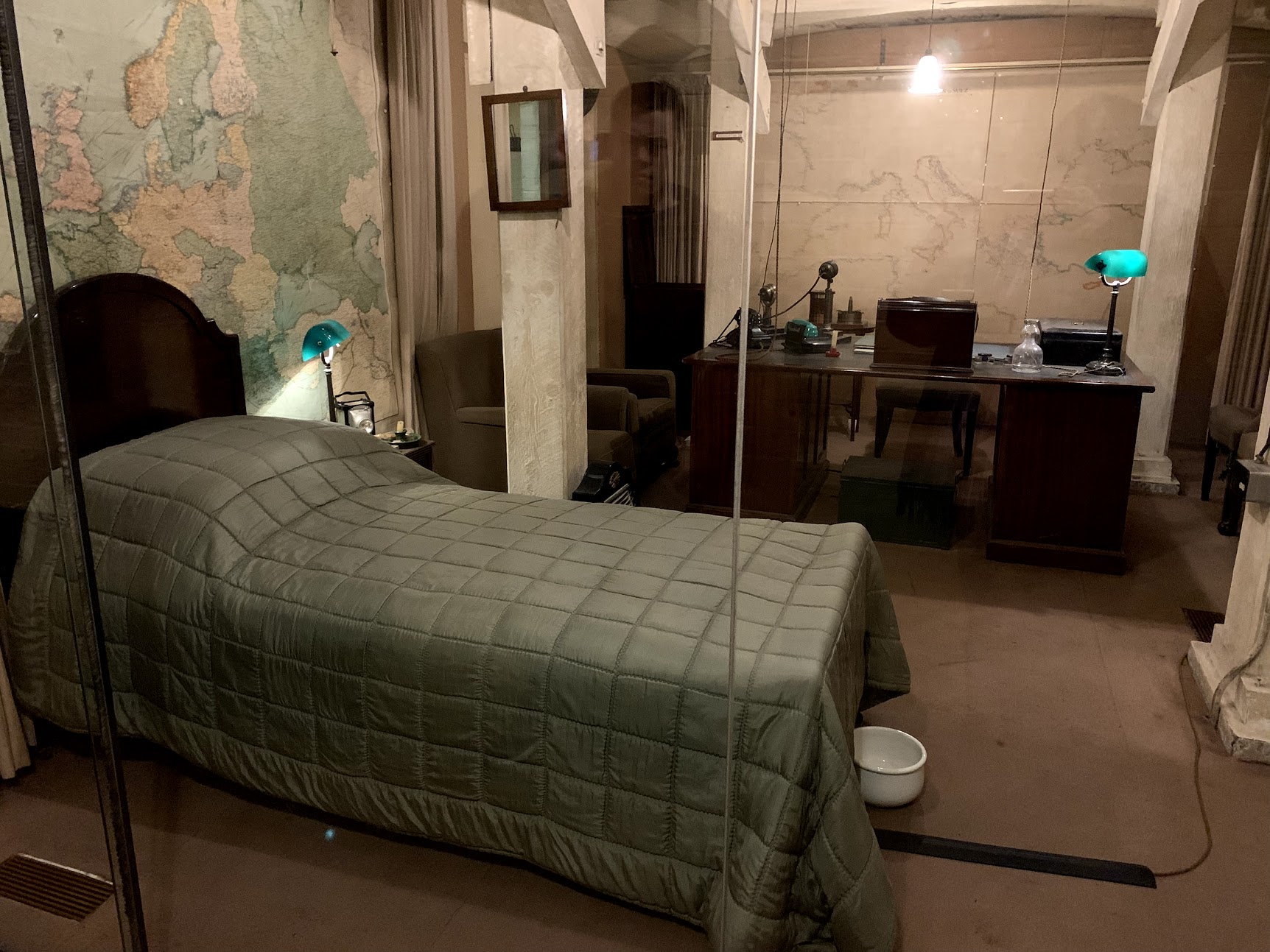
The labyrinth of rooms contained original artifacts and furniture from the time period of its operation, May 1940-Aug. 1945. There was also a Winston Churchill Museum within the bunker. I really enjoyed listening to the audio tour that gave vital information about each room and personal accounts from the men and women who worked in the bunker and with Prime Minister Churchill. The boys were engrossed and even Faywen really enjoyed the displays. She particularly liked Mrs. Churchill’s bunker room and seeing the room where the typists worked. Churchill even had his favorite cook Ms. Georgina come and prepare his meals while he was in the bunker.
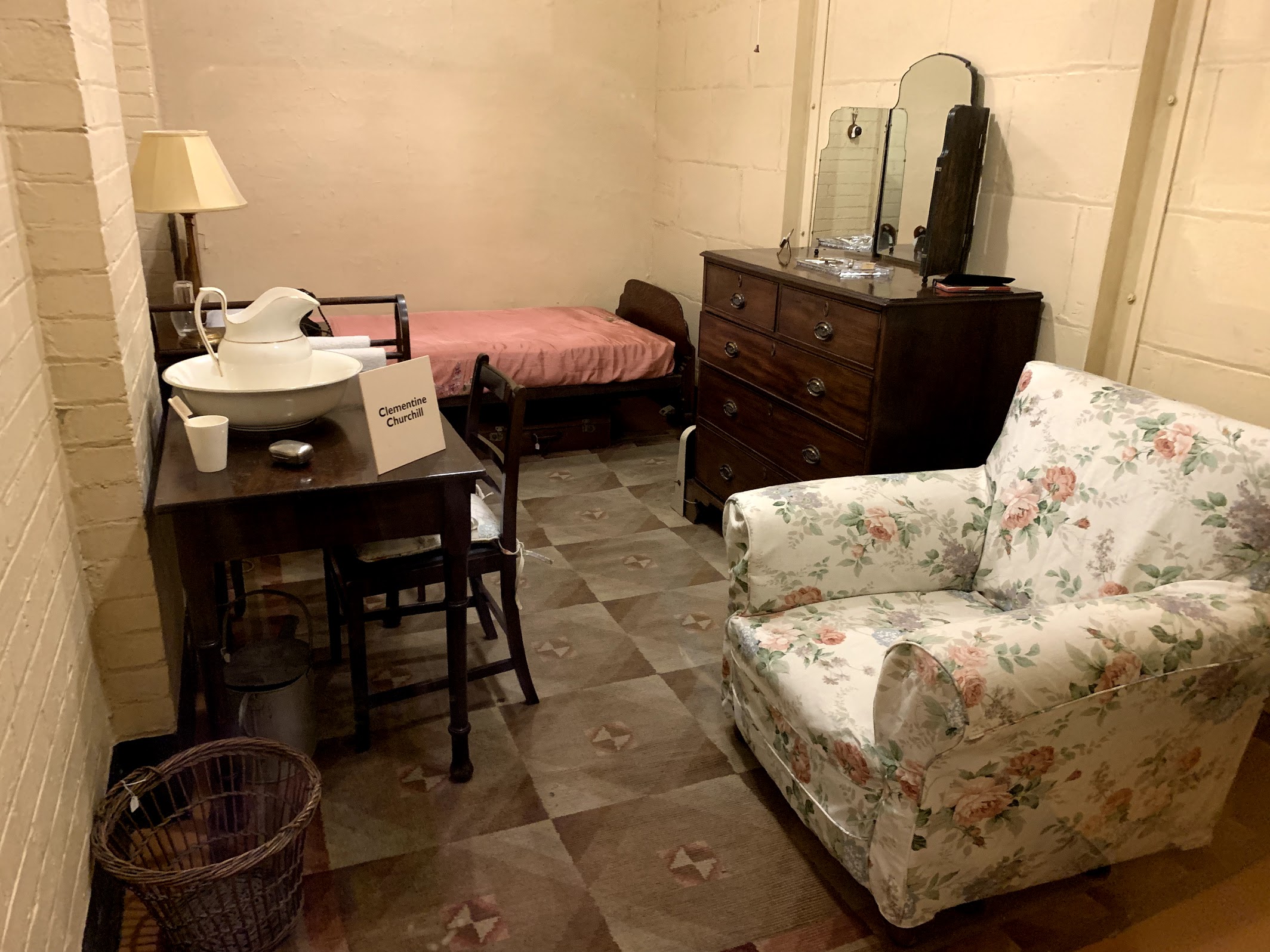
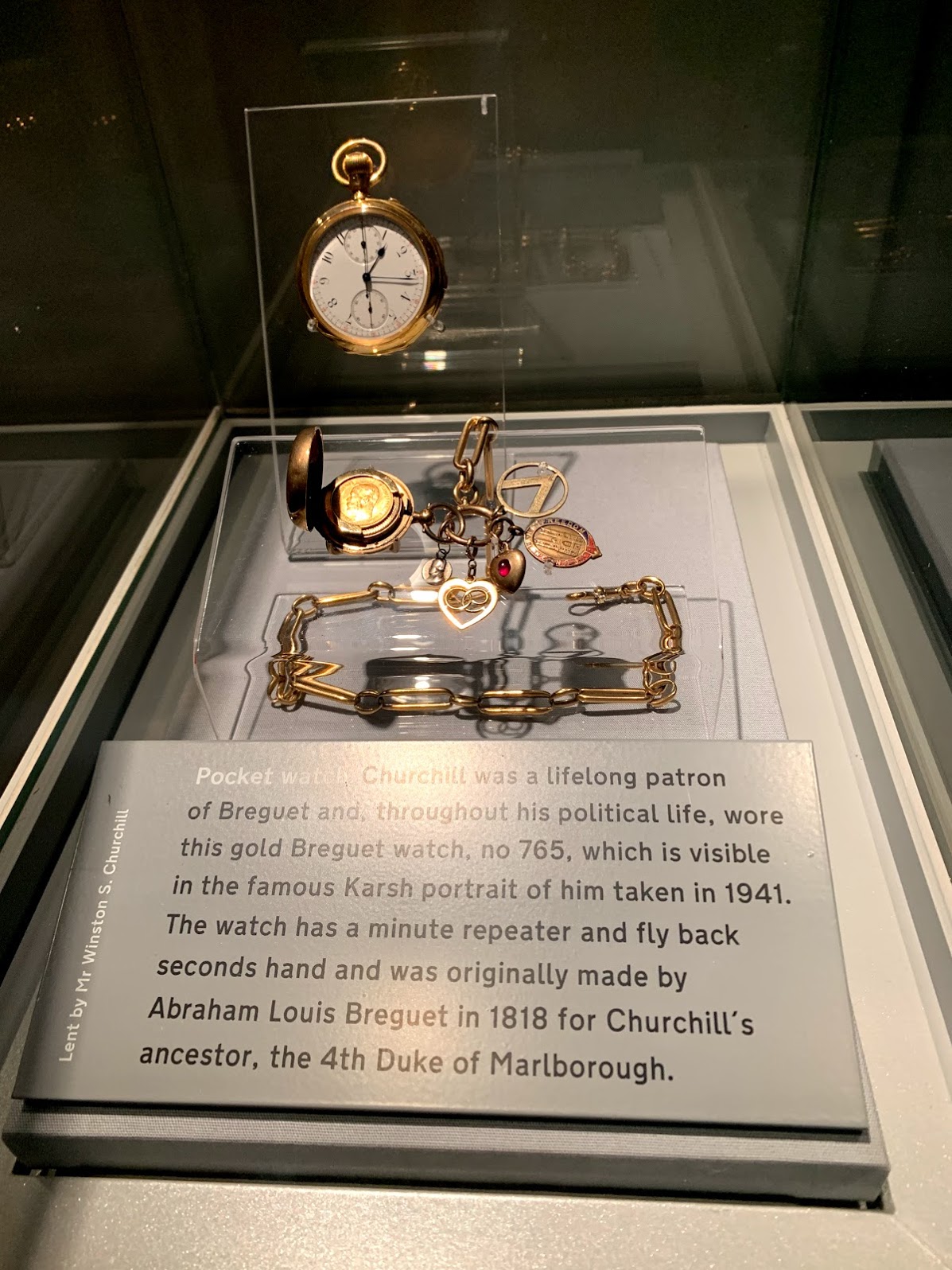
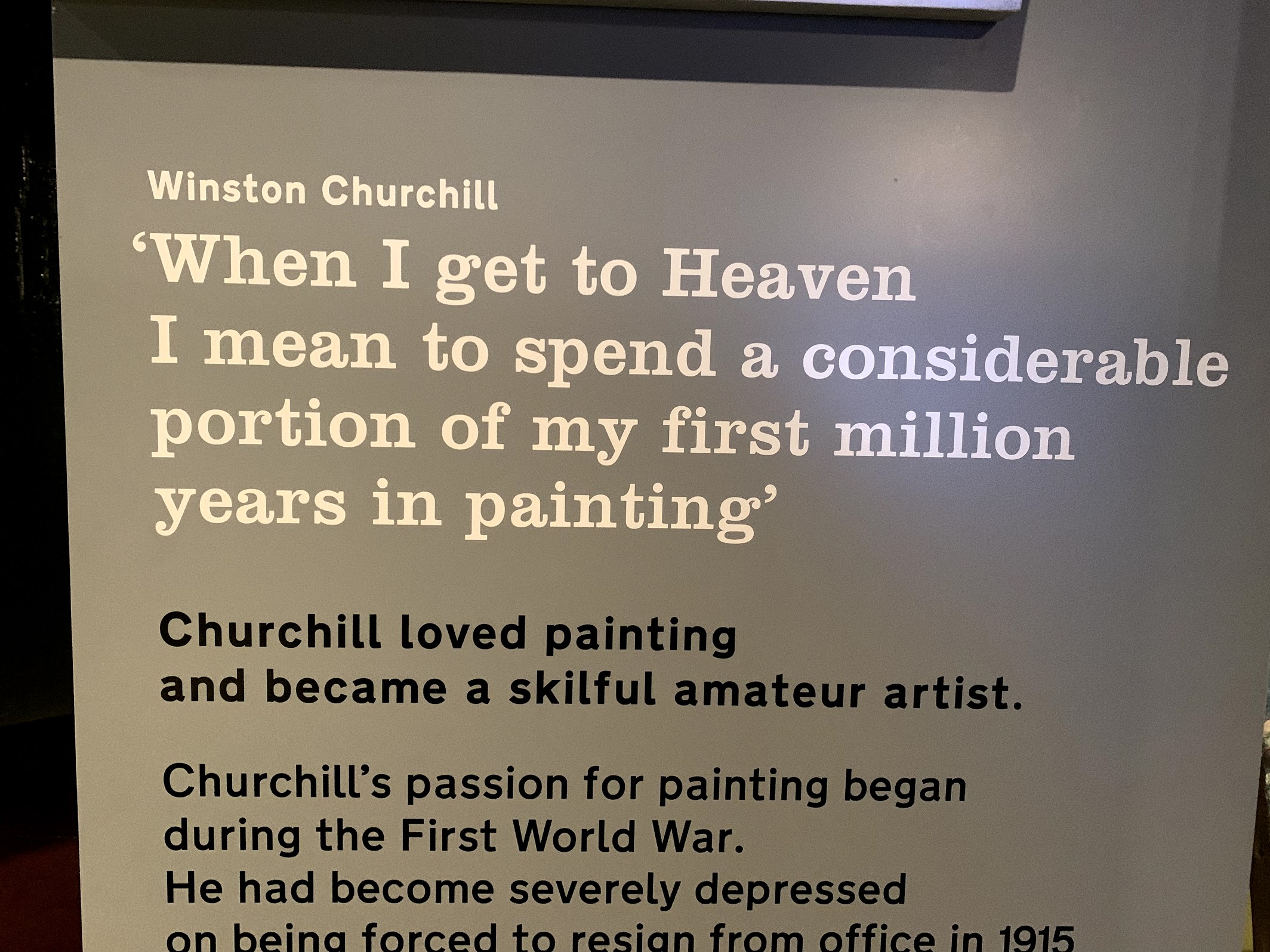
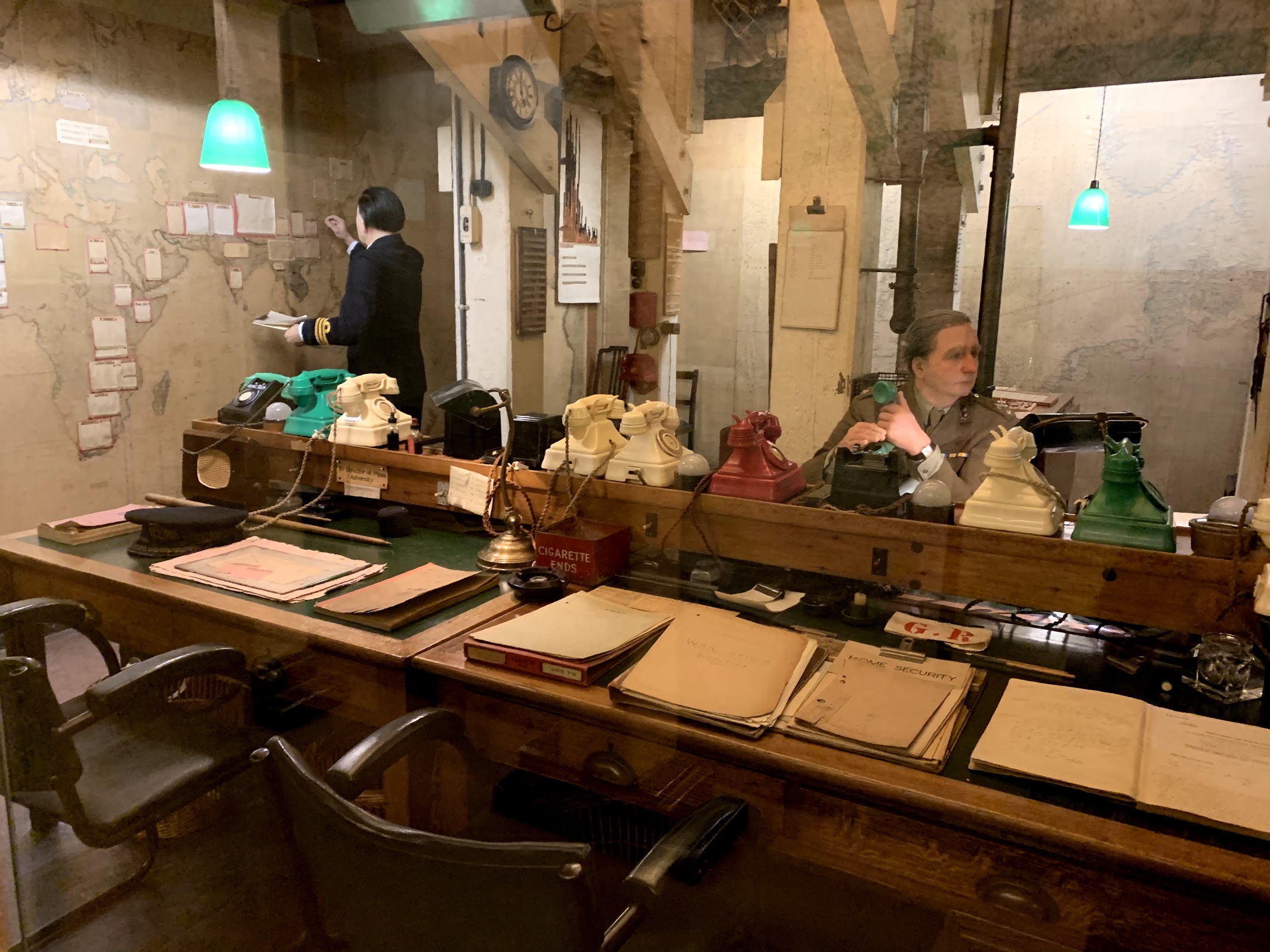
Robert and I liked the Glamour Boys room with the row of specialized colored telephones. The Glamour Boys were the intelligence officers who had access to every political ally, commander, and could find out what was going on in the war by choosing a phone that was color matched to a certain intelligence office around the world. All phone calls were scrambled before being sent out over the wire.
A set of photos hung in the main hall that really hit home the affect of the war on Britain. One photo shows Churchill inspecting rubble literally at the doorstep of the Treasury after a blitz bombing of London. The bomb landed meters away from the building and the bunker entrance. The other photo is Prime Minister Churchill sitting with 5 of his top war cabinet on 7 May 1945, V.E. Day (Victory in Europe).
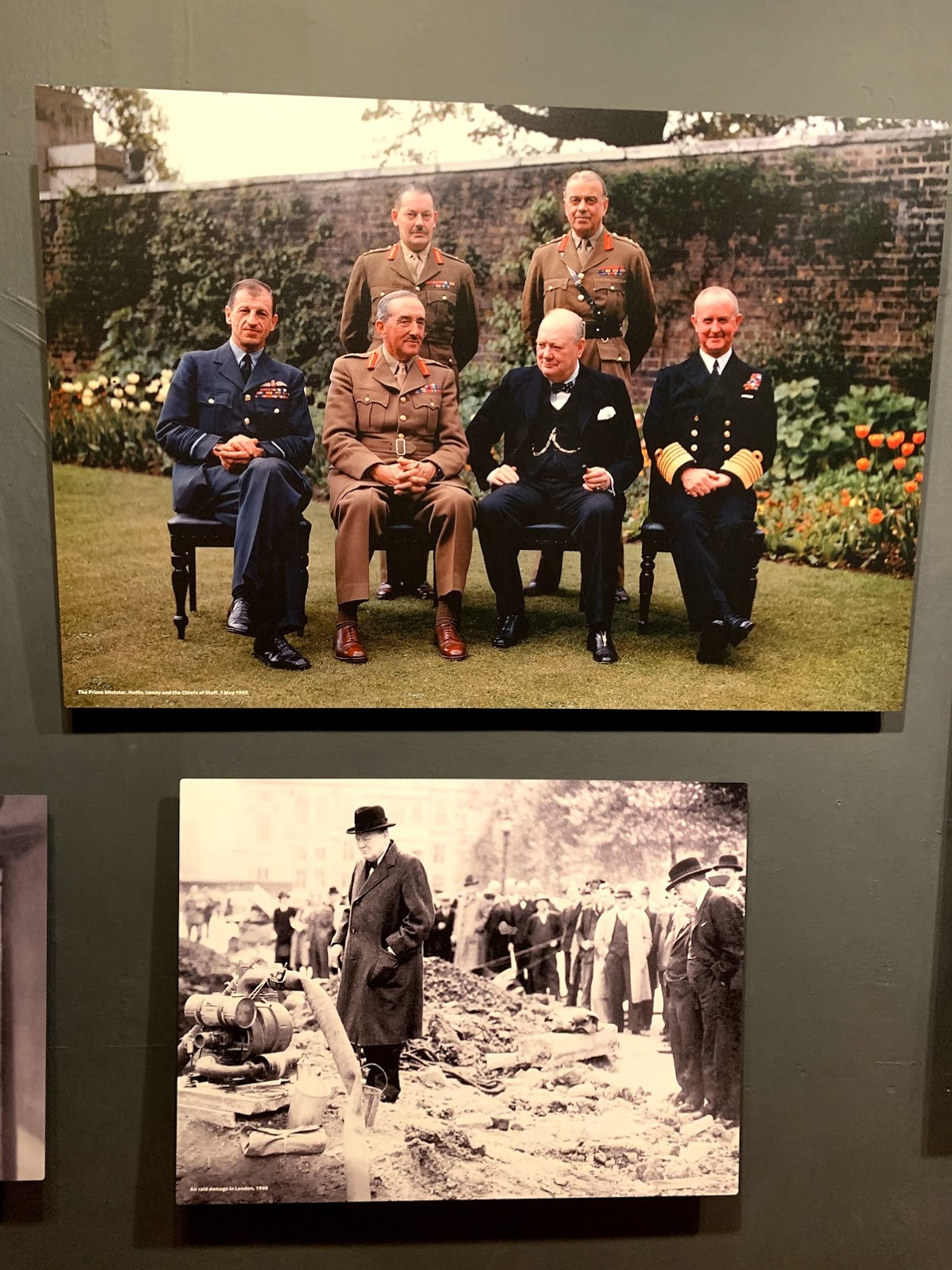
Bottom photo was taken in 1940 only meters away from the secret bunker. In the photo only he and his bodyguard know where the bunker was located.
The entire museum was laid out nicely and was very informative. In the quiet moments when the audio tour wasn’t playing you could almost hear the voices of the men and women who worked in the bunker, sometimes not emerging for weeks. It was a chilling yet calming reminder of the commitment of those behind the lines who made sure “Victory” was obtainable.
On our way home we had dinner at a local classic British fish and chips shop. A befitting end to a day learning about Britain’s history!
 Camellia's Travel Blog