
“Ding ding” rang the bell as we boarded our train on platform 2 at Waterloo Station in central London. Southwest Rail is an above ground commuter train that services the greater London area and has a direct line to Hampton Court. This little town is home to England’s largest palace also named Hampton Court.

Wealthy aristocrats have lived in the area since the 12th century, but it wasn’t until Cardinal Wolsey, began construction on his own home along the Thames River that Hampton Court would become a favorite of British kings and queens. Young Henry VIII was advised by Wolsey and often visited him at Hampton Court. As Wolsey’s “palace” grew Henry became obsessed with the beauty of the place and wanted it for himself. He didn’t like the fact that a Cardinal had a grander house than the king! Eventually Wolsey was persuaded to hand over the palace to Henry, but allowed to still live on the premises. Years later Wolsey was forced out of the palace after he failed to petition the Pope for Henry’s divorce from his queen, Catherine of Aragon.
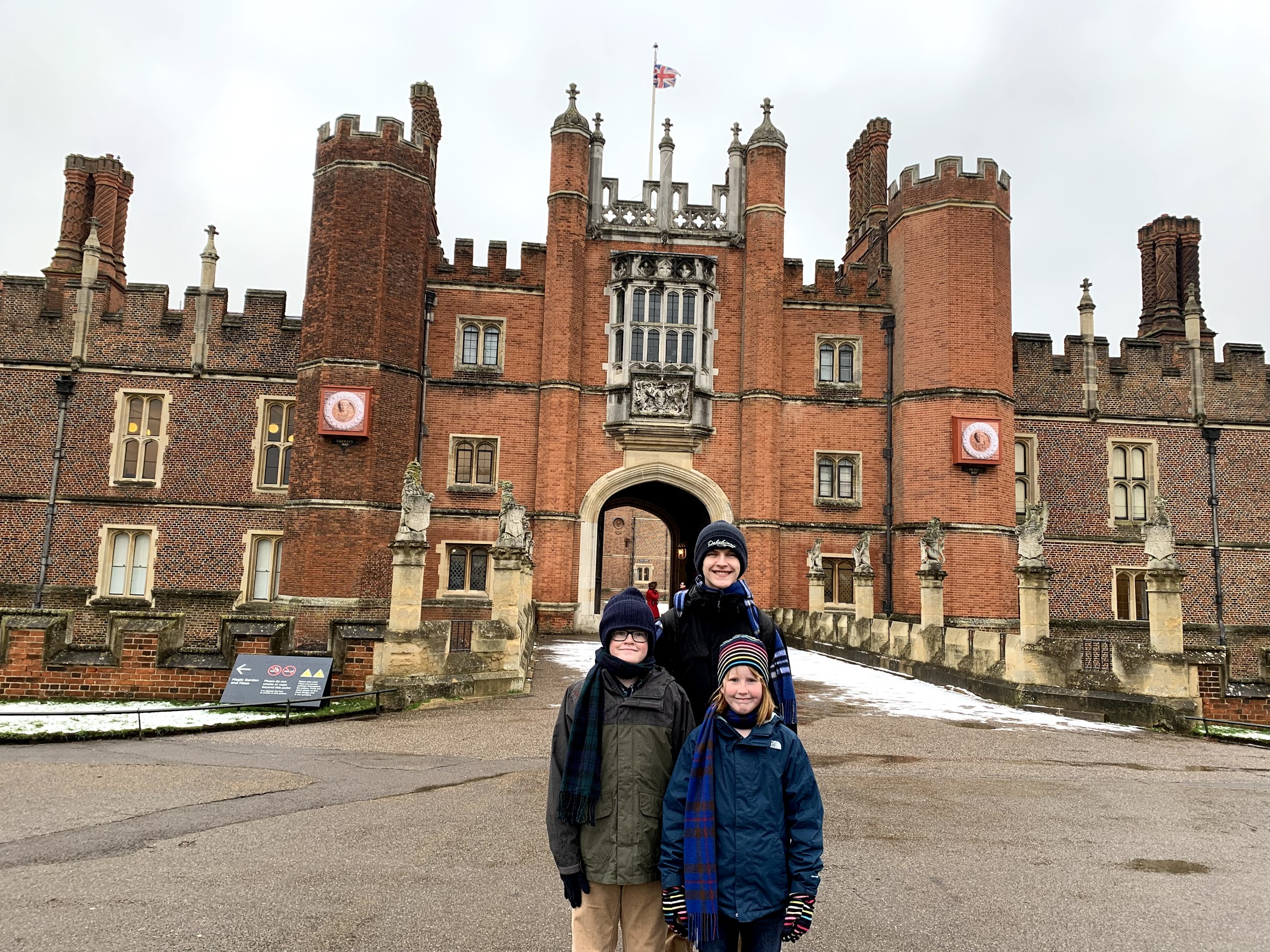
I have a photo of myself standing in this exact spot when I was 17 yrs. old.
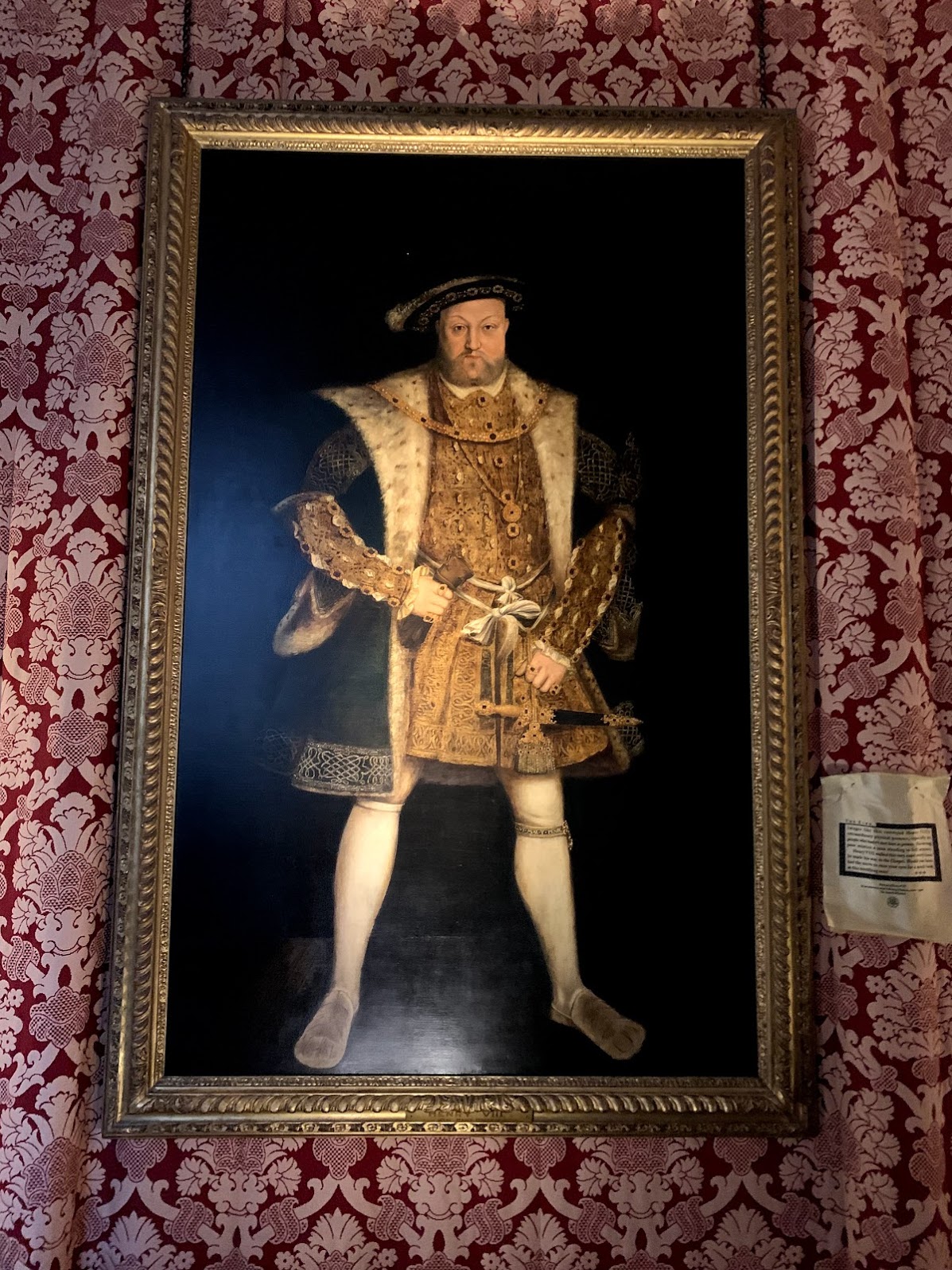
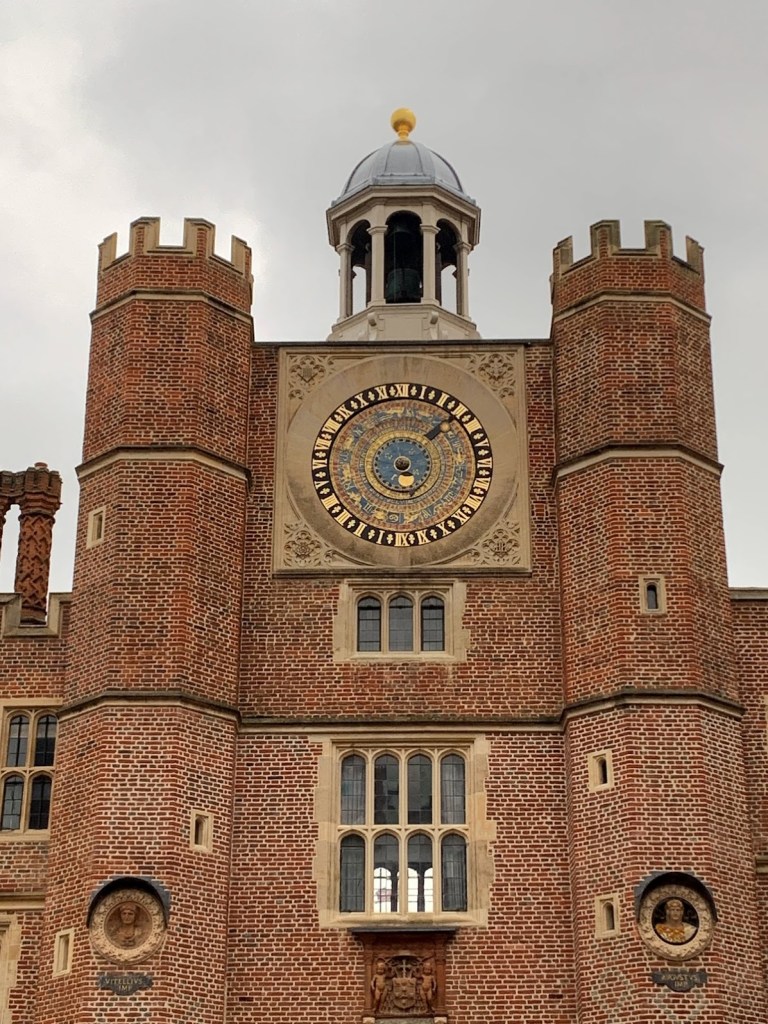
Henry built a Great Hall, surrounding royal apartments, and even installed an amazing clock in the main courtyard tower. This clock still chimes the hour and quarter hours faithfully today. It also depicts the zodiac, phases of the moon, and the tide of the River Thames. Henry enjoyed hunting on the grounds and holding lavish banquets in the main hall. Hampton Court was his favorite palace.
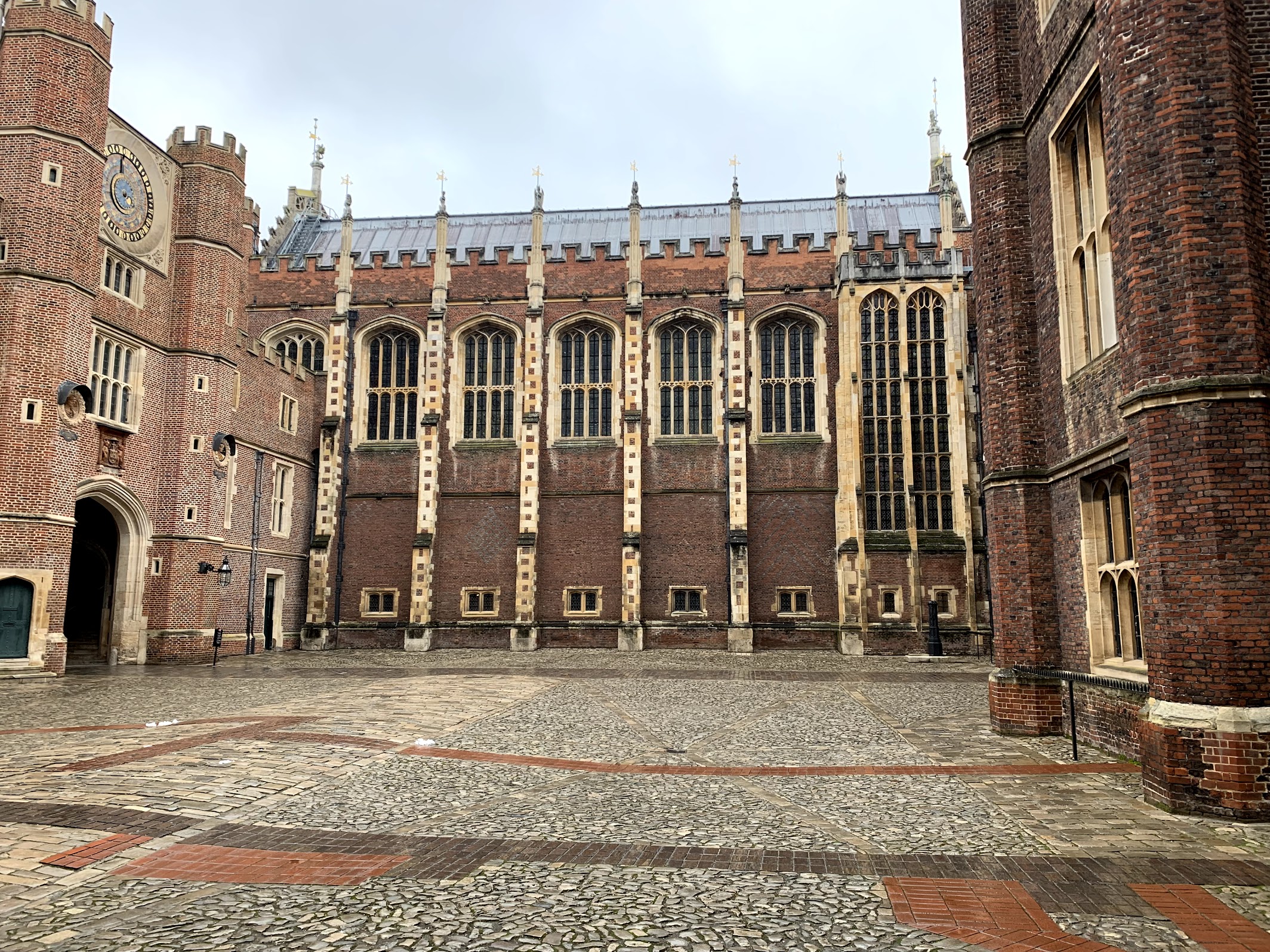
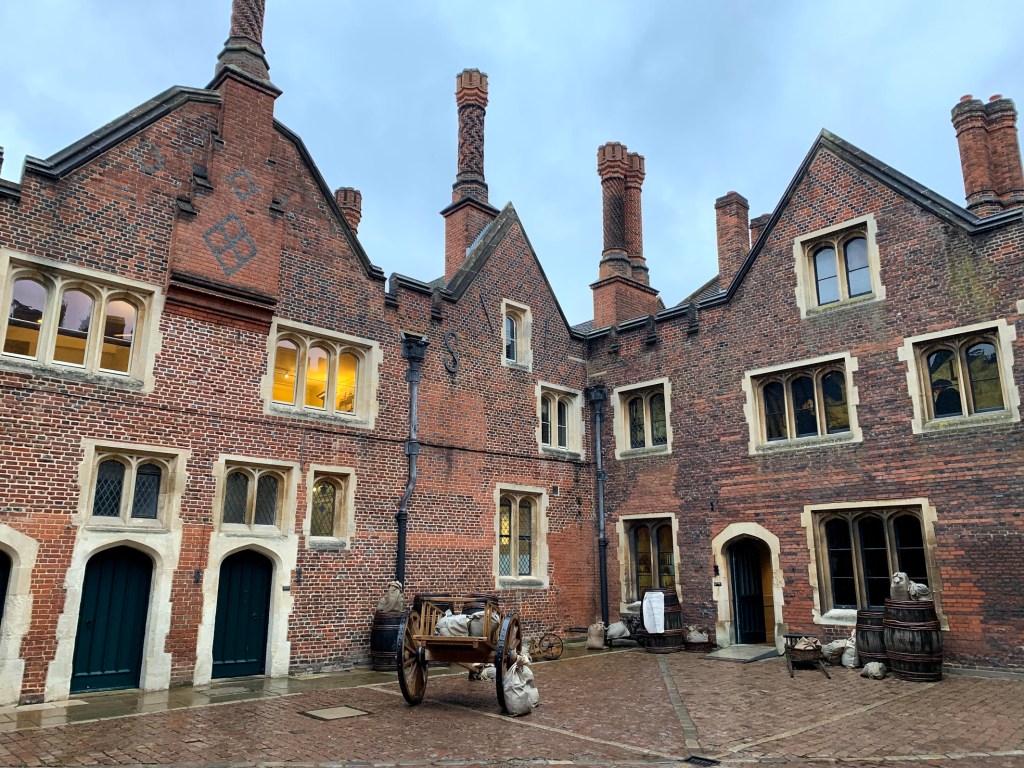
Hampton Court is so large that there is literally a village inside for all the servants and tradesmen who worked for the Court and Royal Family.
Henry’s son, Edward IV and later his daughter the famous Queen Elizabeth I, also loved the palace. British kings and queens all the way through George II and his wife Caroline used Hampton Court. William III and Mary II added onto the original Tudor aged palace, however Mary died before seeing the finished baroque style home that was inspired by Louis XIV’s Palace of Versailles. Queen Anne added a few more feminine touches after her sister Mary died and the upstairs apartments were eventually fitted with the tastes of George I and his son, George II. Stunning gardens were added and the hunting park was turned into a massive maze and arboretum. The Stuarts and Georgian royalty kept intact the original Tudor features from Henry VIII’s time as a “relic to bygone days”. Good thing for us they did so!
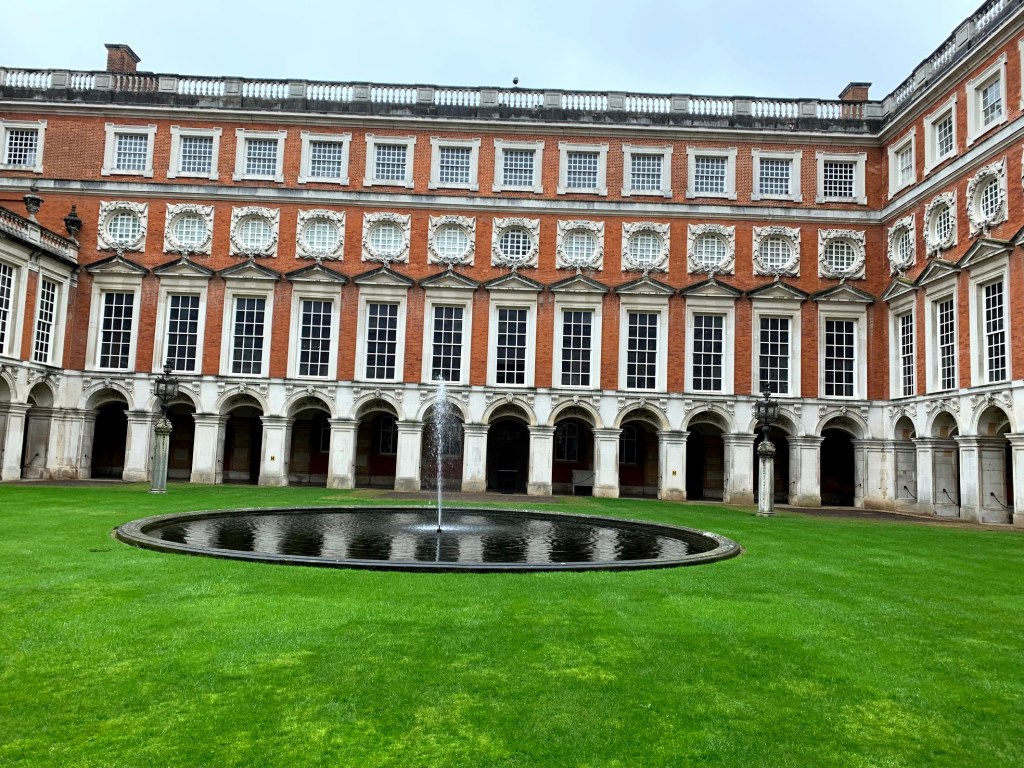
It was completed in 1700 and connects to the the old 16th century Tudor Palace.
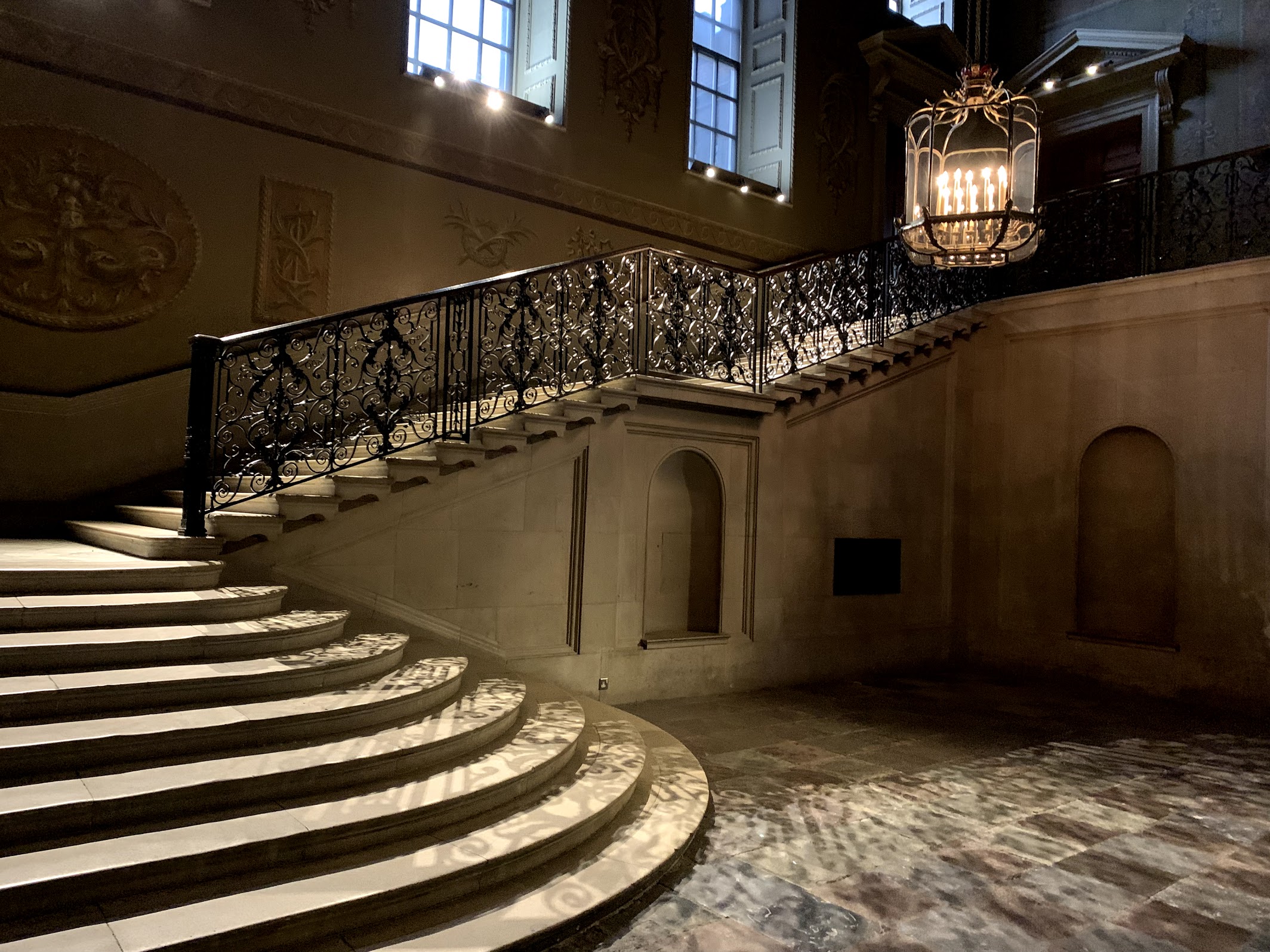
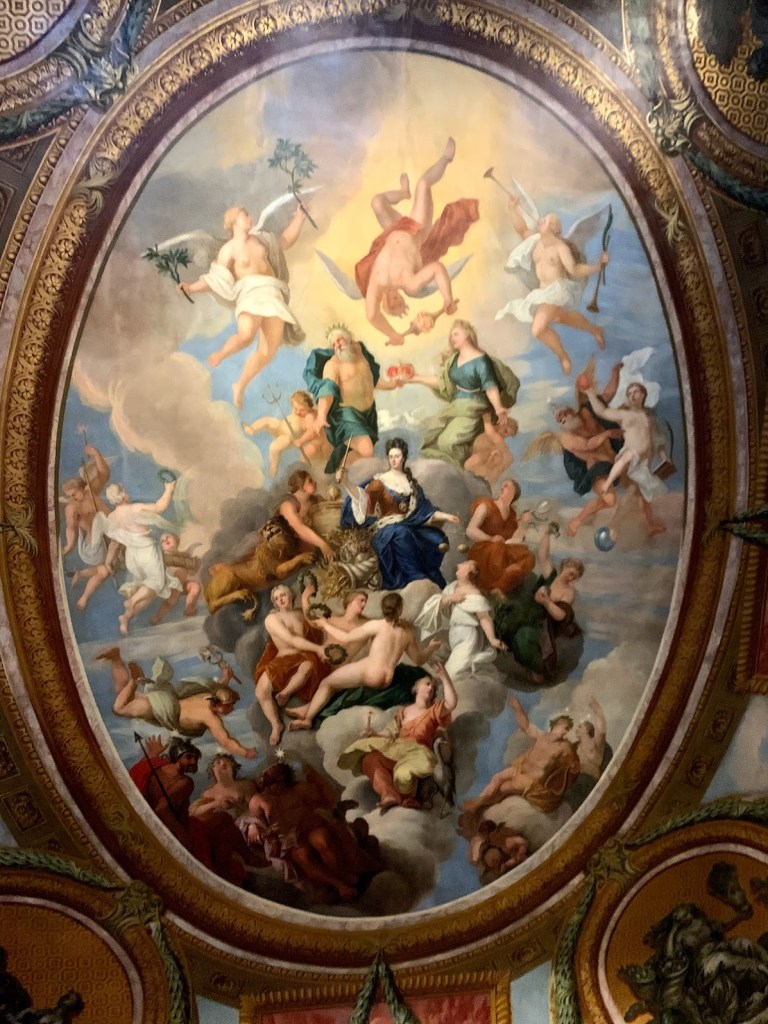
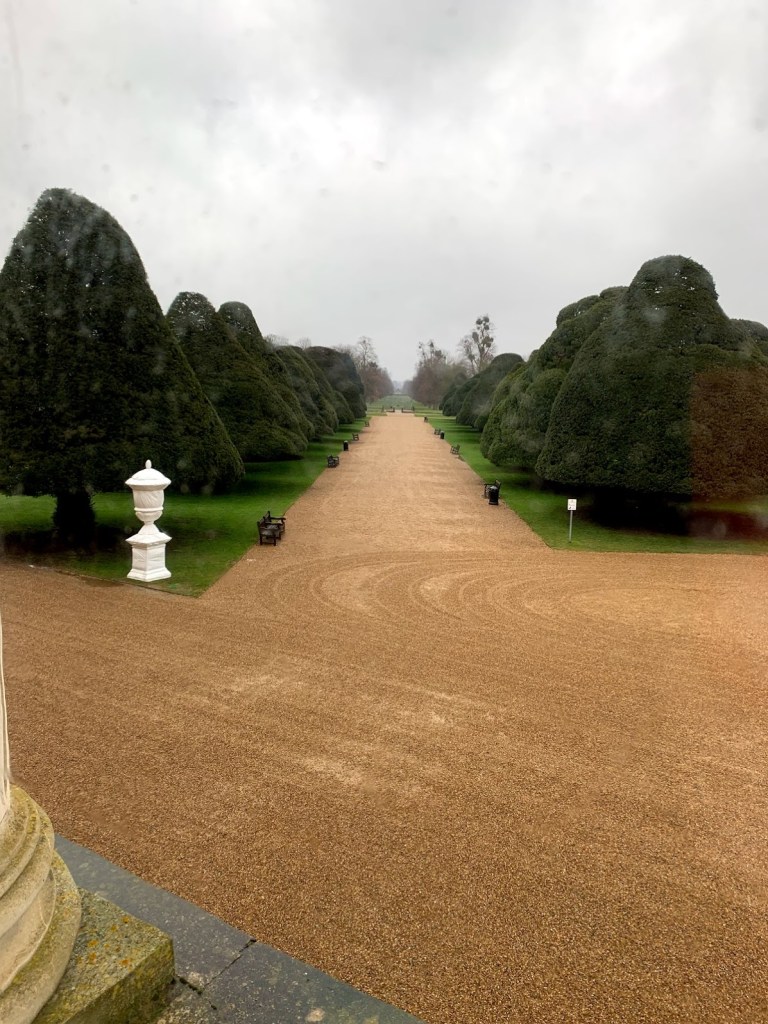
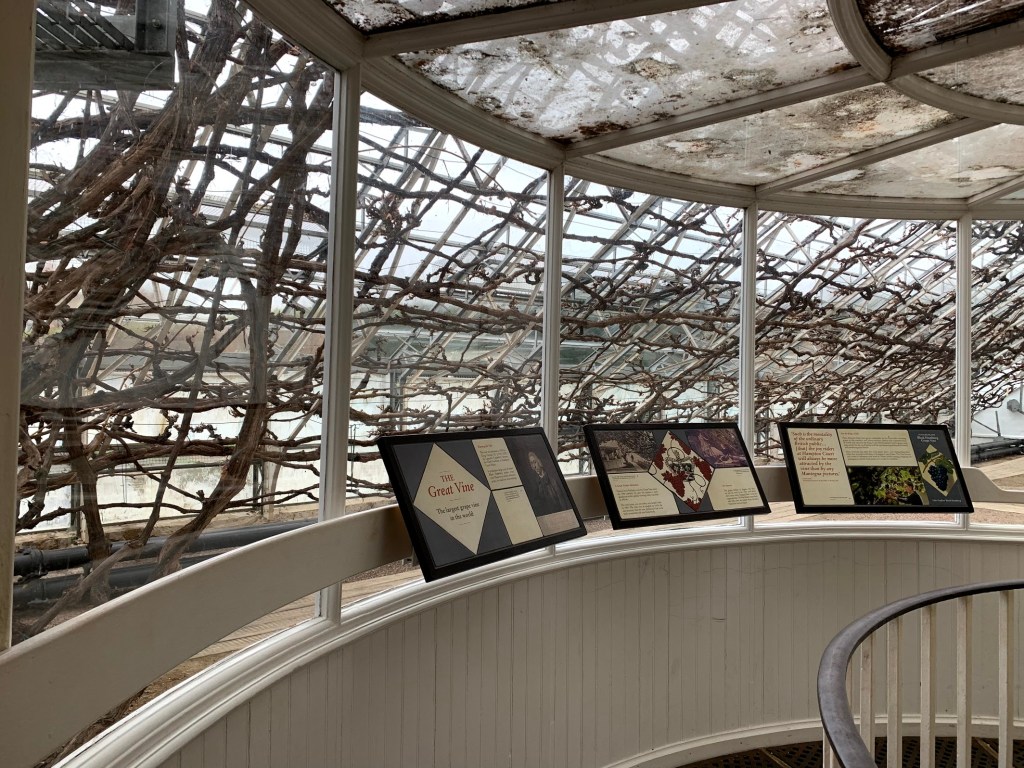
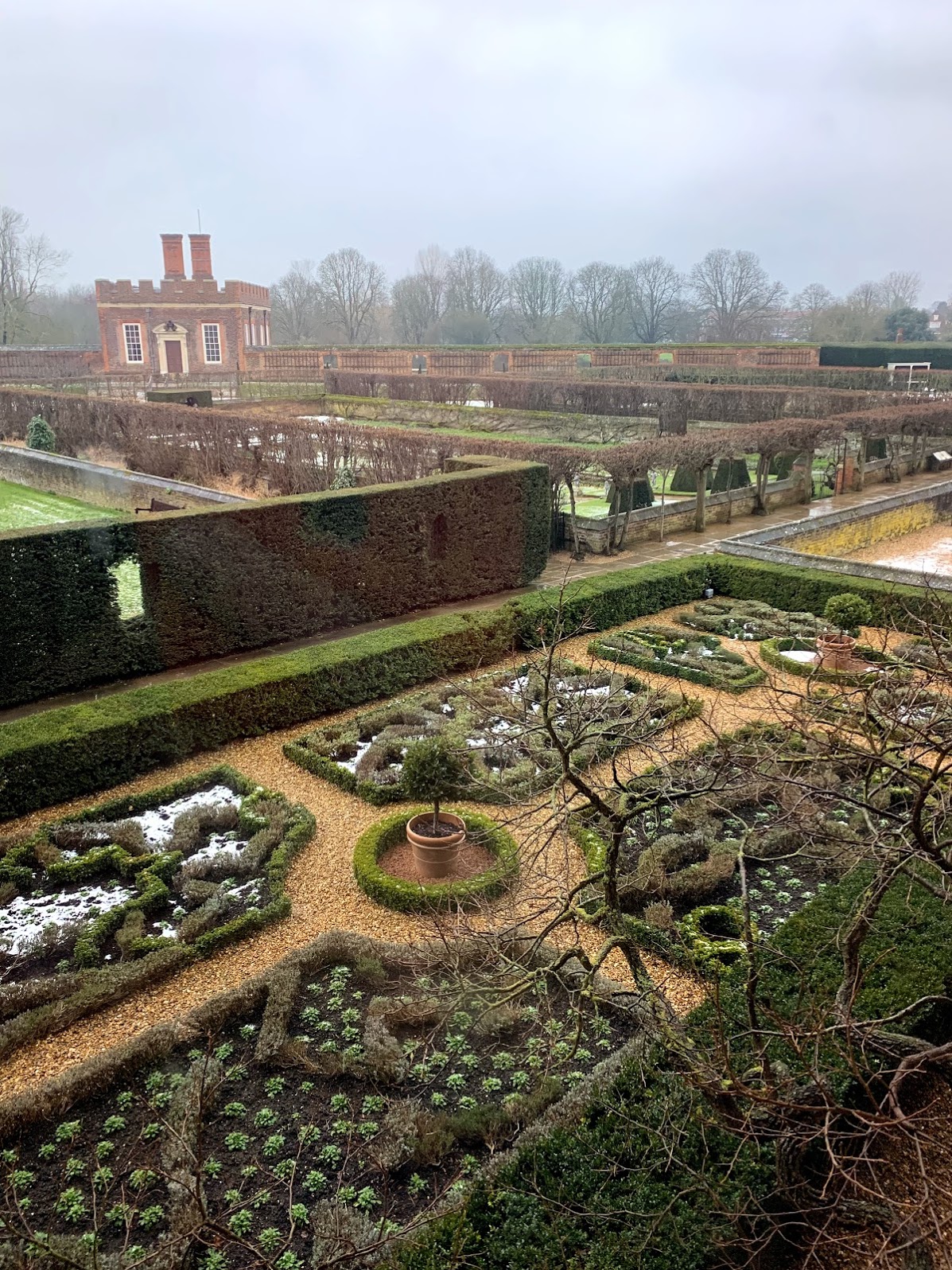
During the reign of Queen Victoria the two connected palaces were sublet to people of importance like war heroes or famous politicians. The last renters of a sublet apartment in Hampton Court moved out in the 1970’s. At that point it was turned over to the National Trust and turned into a museum. Extensive renovations and refurbishments have occurred over the last 40+ years. In fact while we were visiting they were removing old light bulbs and faulty wiring from the Great Tudor Hall of Henry VIII. It was nice to see the Hall diligently being taken care of.
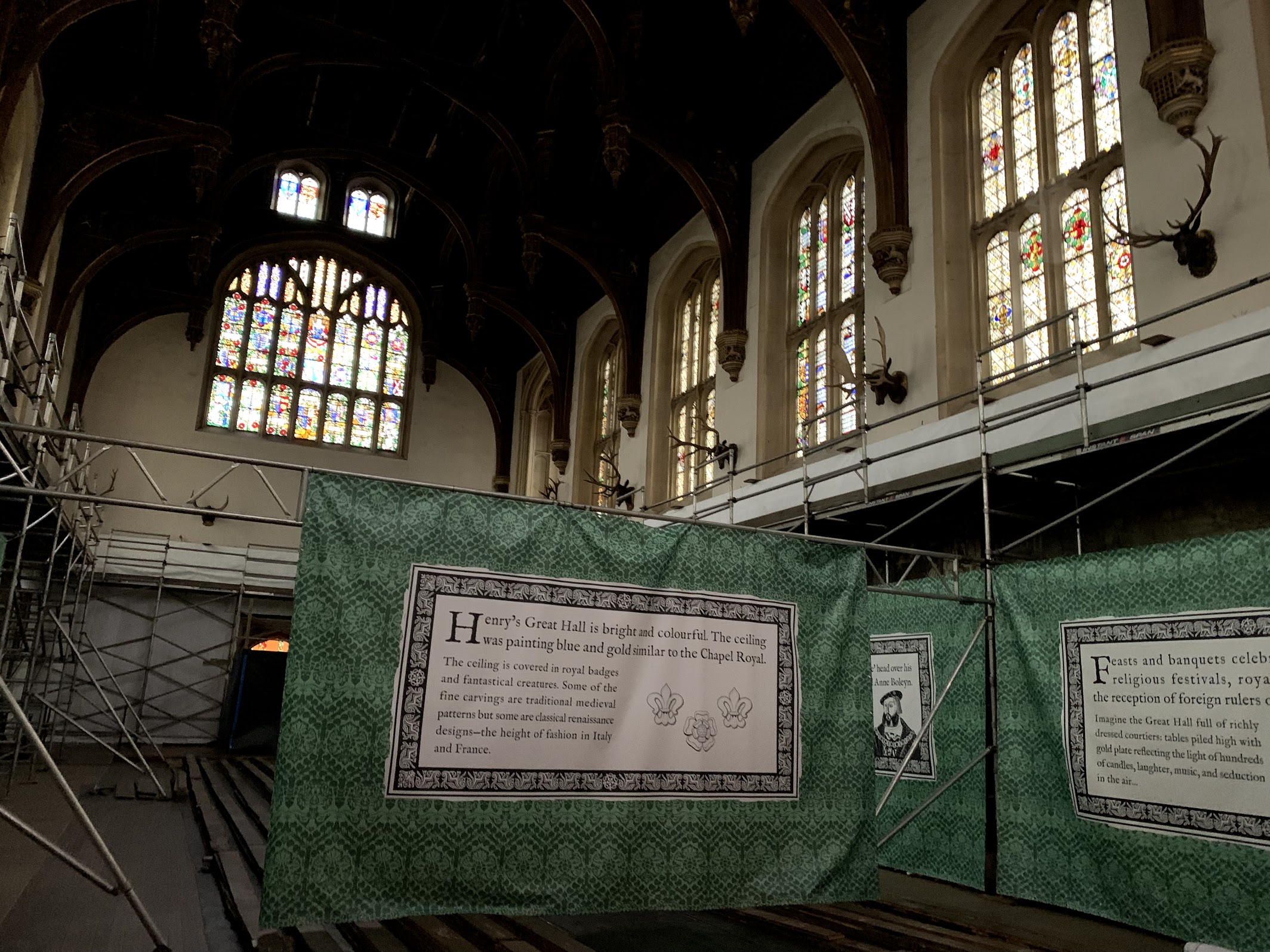
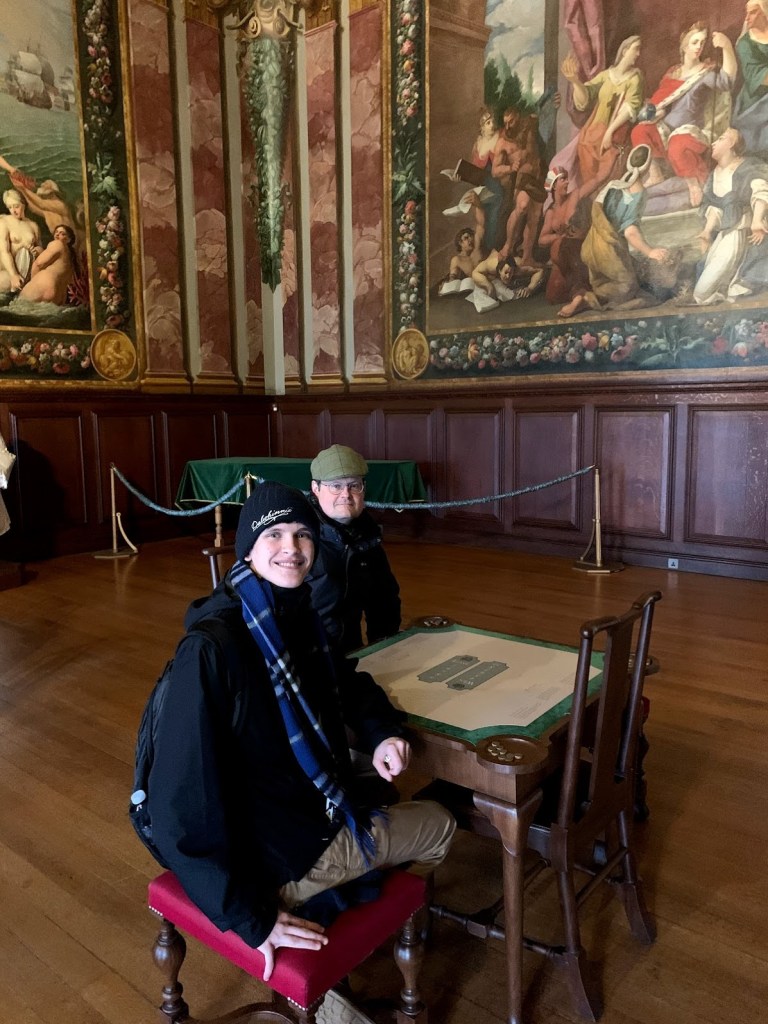
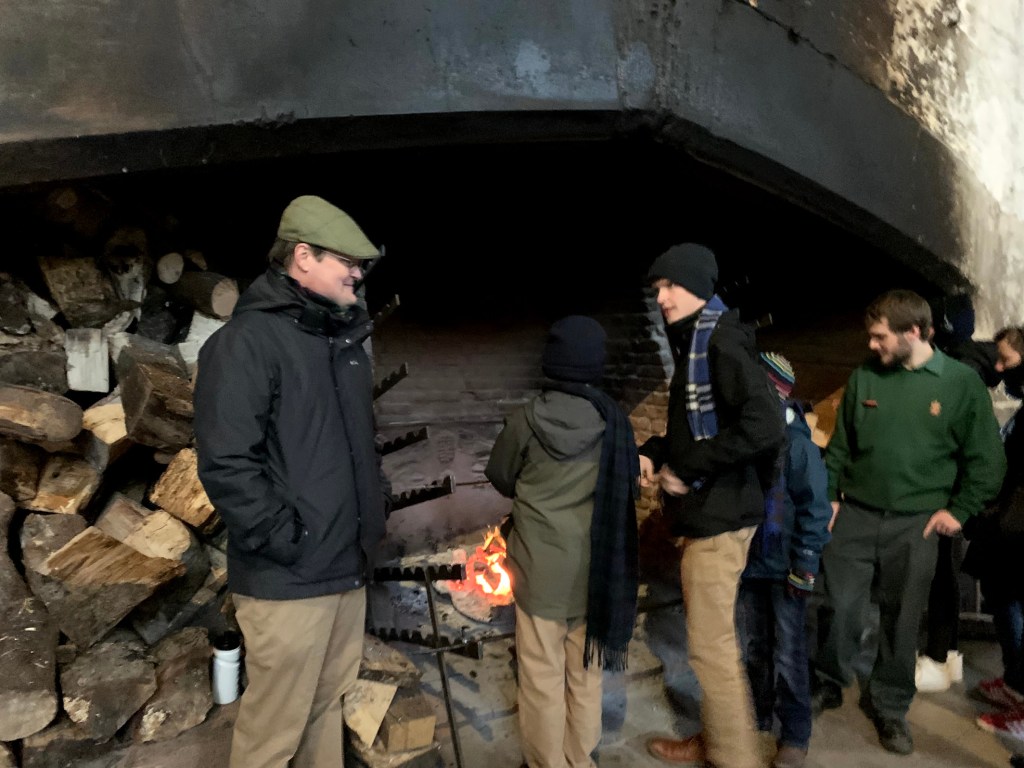
A family favorite from today’s day excursion included the 45 minute Queen Anne tour. Two women dressed in period costume acted as members of the queen’s staff and treated us as if we were visitors to the palace in 1702. This is when Queen Anne took the throne. Other enjoyable parts of the palace were The Great Hall, Chapel Royal which is still in use today as a place of worship, Georgian Drawing Room where we sat and played games as the couriers would, and the massive Tudor period kitchens! The kitchens in particular were a favorite because of the real fire burning in the huge fireplace. Very few of the palace rooms had heat and it was wet, drizzly, and chilly today. The docents all wore red wool knee length coats, which made them easy to spot as well as kept them toasty warm. We too warmed up on the 35 minute train ride back to Waterloo Station.
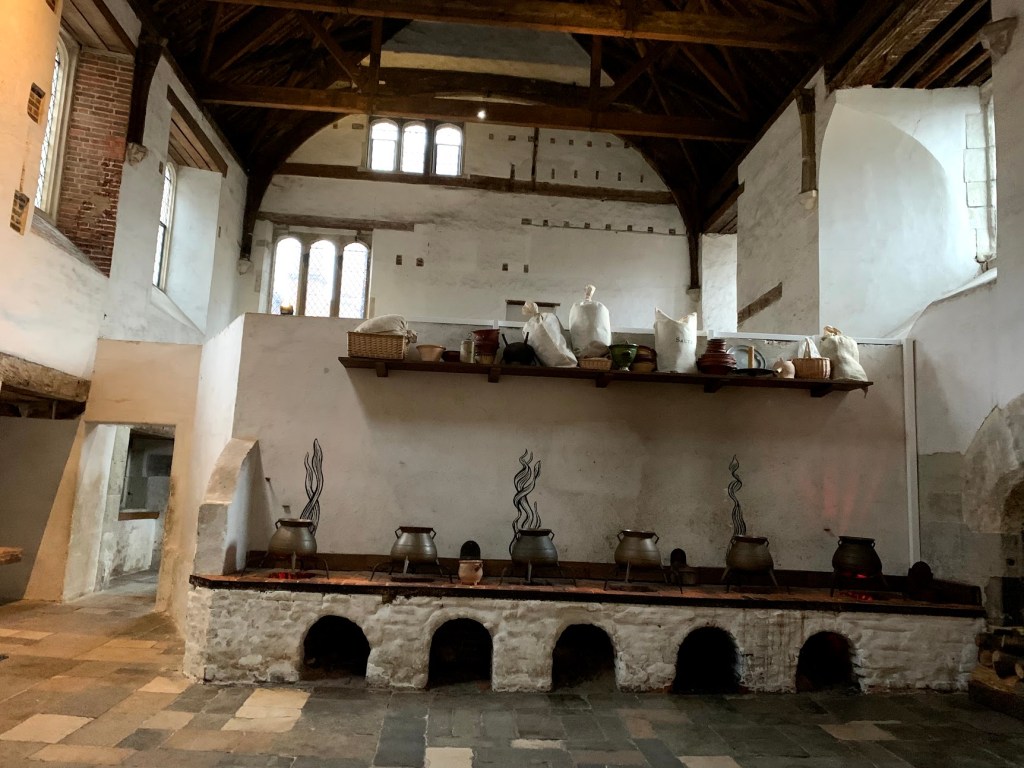
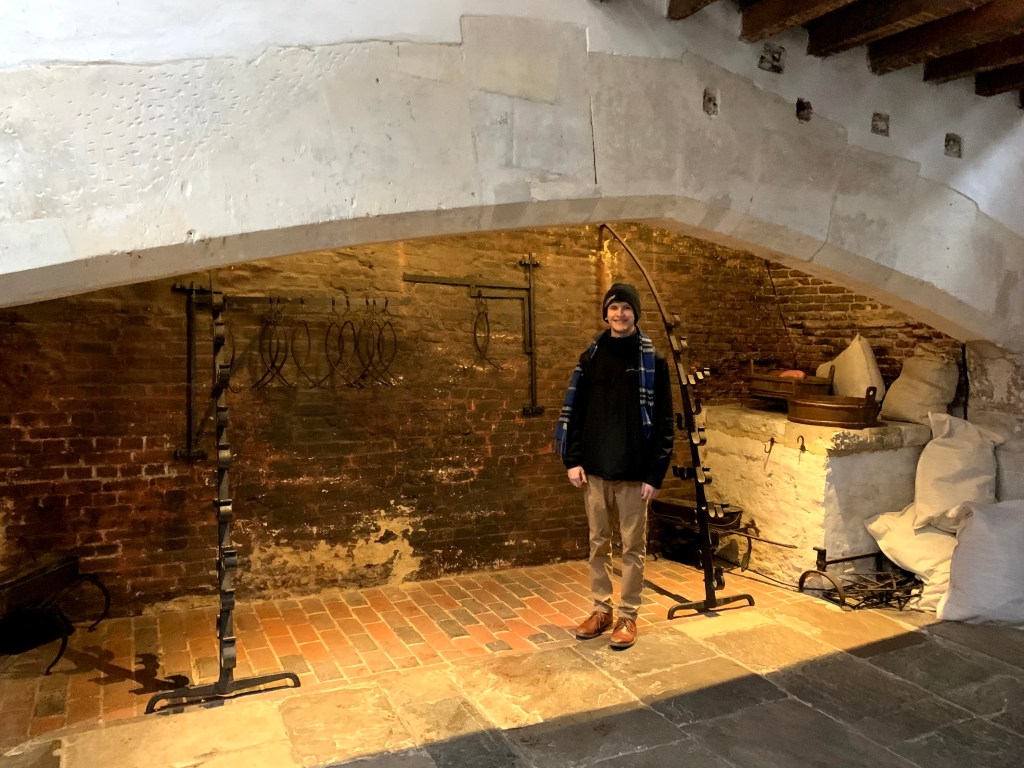
It has two large chimney flues.
 Camellia's Travel Blog