
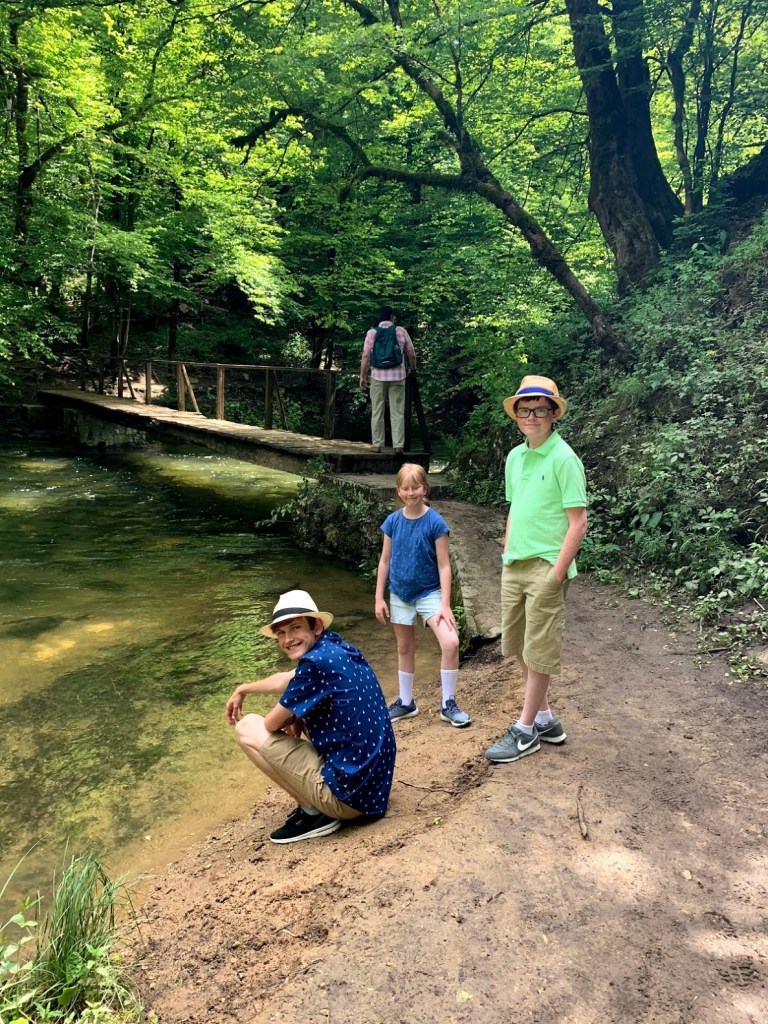
The Lord blessed us with another beautiful day in Slovenia! Today we stayed nearby our home village of Postojna. Our first stop was a local hiking area that is full of various Natural Bridges. These natural wonders were caused when caves collapsed centuries ago. Liam and Seamus forged ahead a bit and discovered that the path to the smaller Natural Bridge became very rocky and slippery. He took a few photos of the small Natural Bridge and we decided to hike along the forest river instead. The forest was alive with the sounds of early Summer.
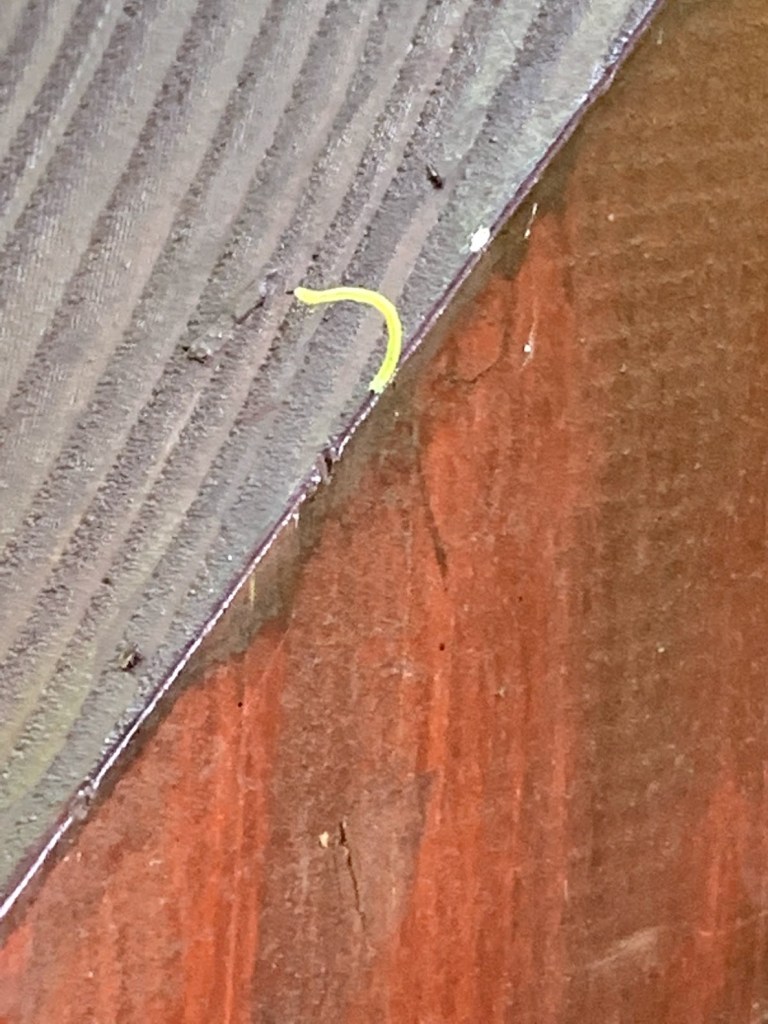
Little inch worm on a hiking path sign 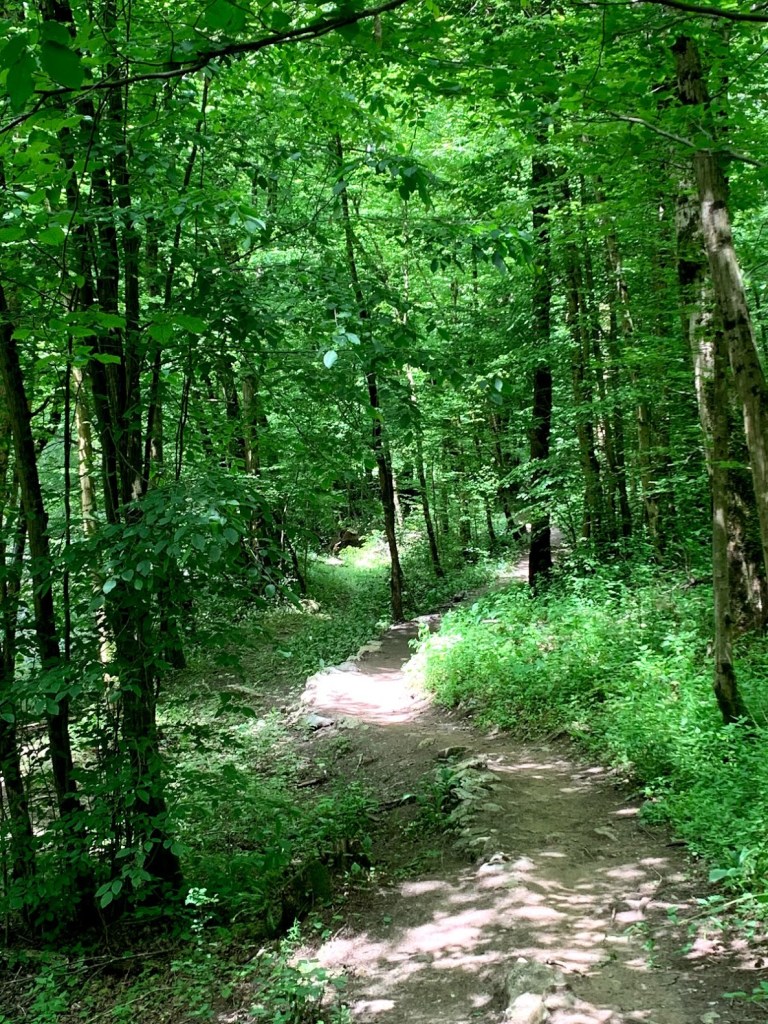
A quiet walk in the woods
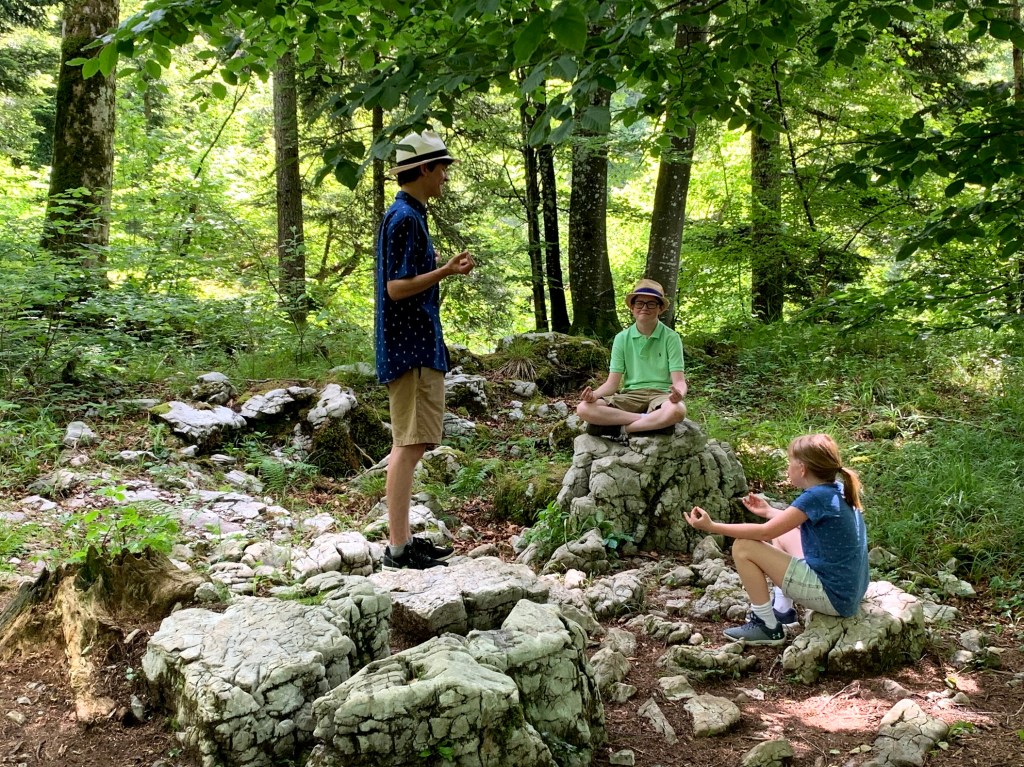
“One with the Forest am I” chanted our children in their best Yoda voices.
For lunch we ate kebabs at the Donner King across from our apartment and then drove 20km to Predjama Castle. Built between the 13th-17th centuries Predjama Castle was an impregnable fortress. Even though the castle was often sieged the inhabitants survived due to a natural network of caves. The entire castle was built into an arched cave with an overhanging cliff face. From the top floors one could see enemies approaching down the valley!
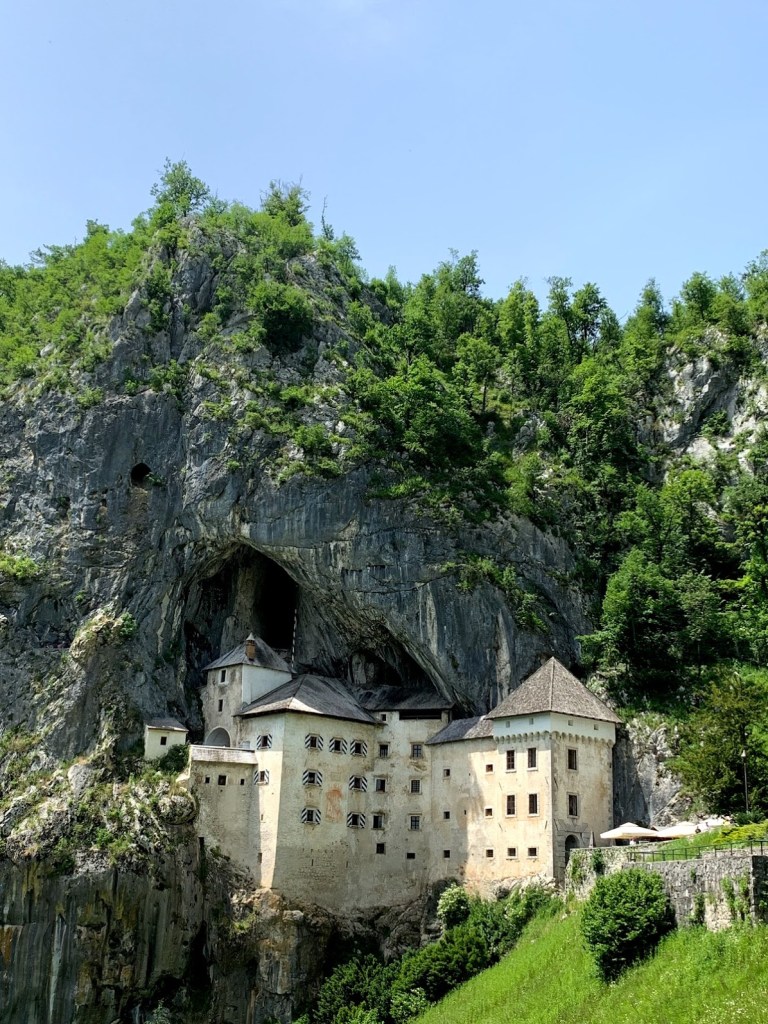
10 June 2019
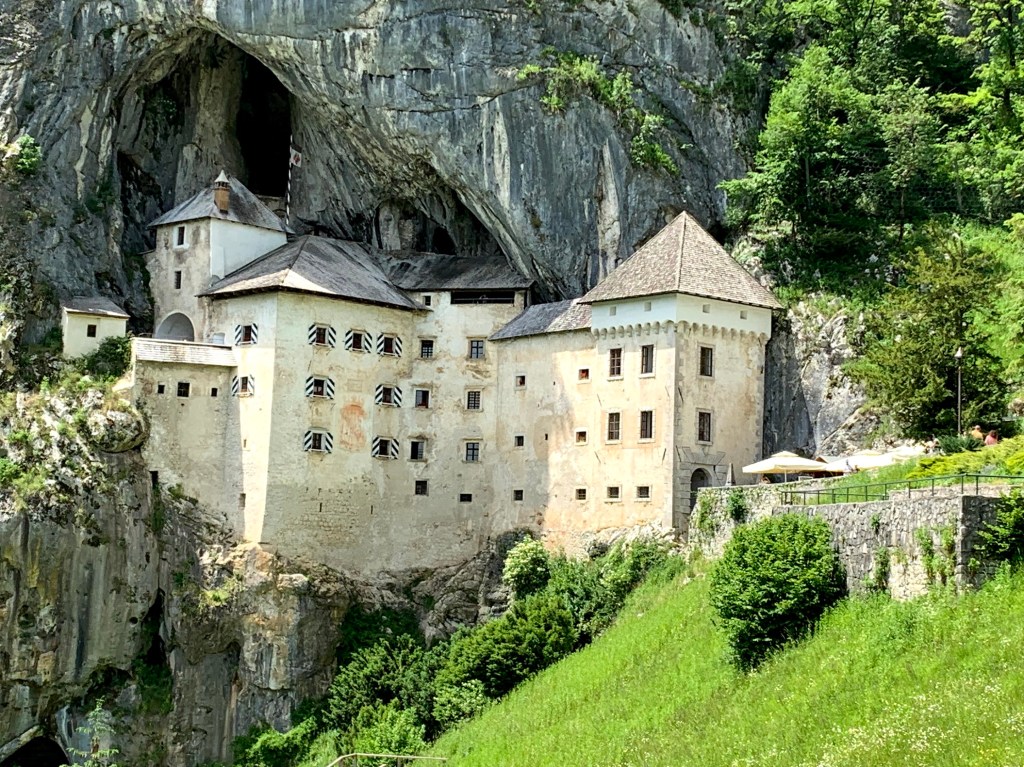
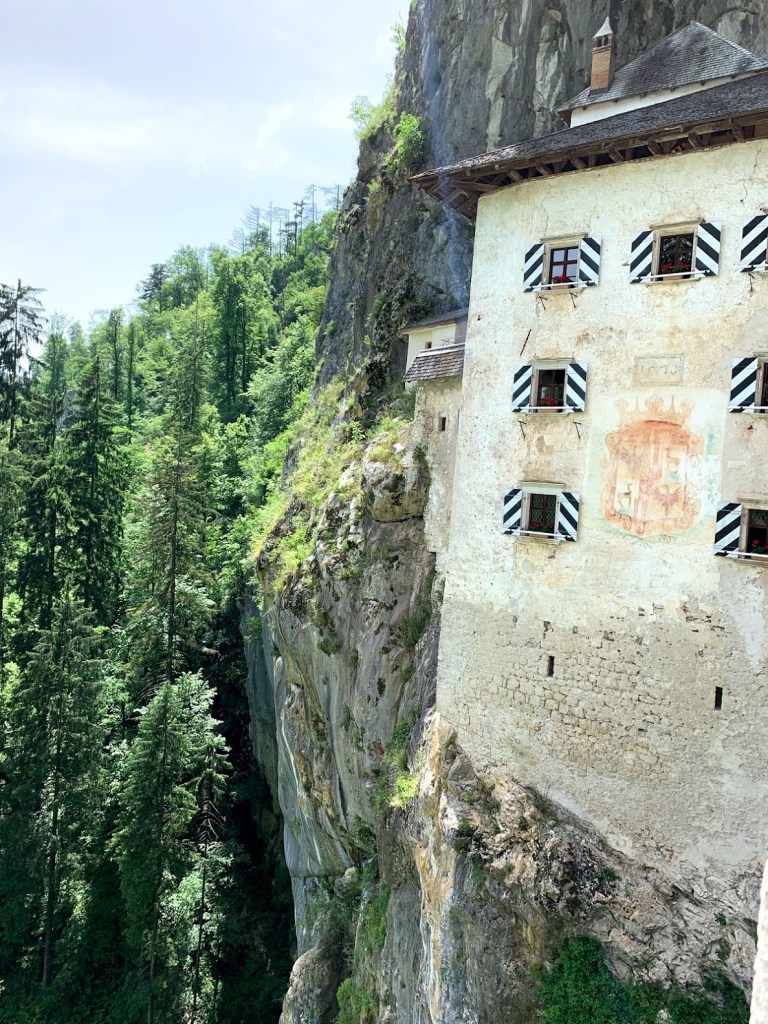
View from first floor window 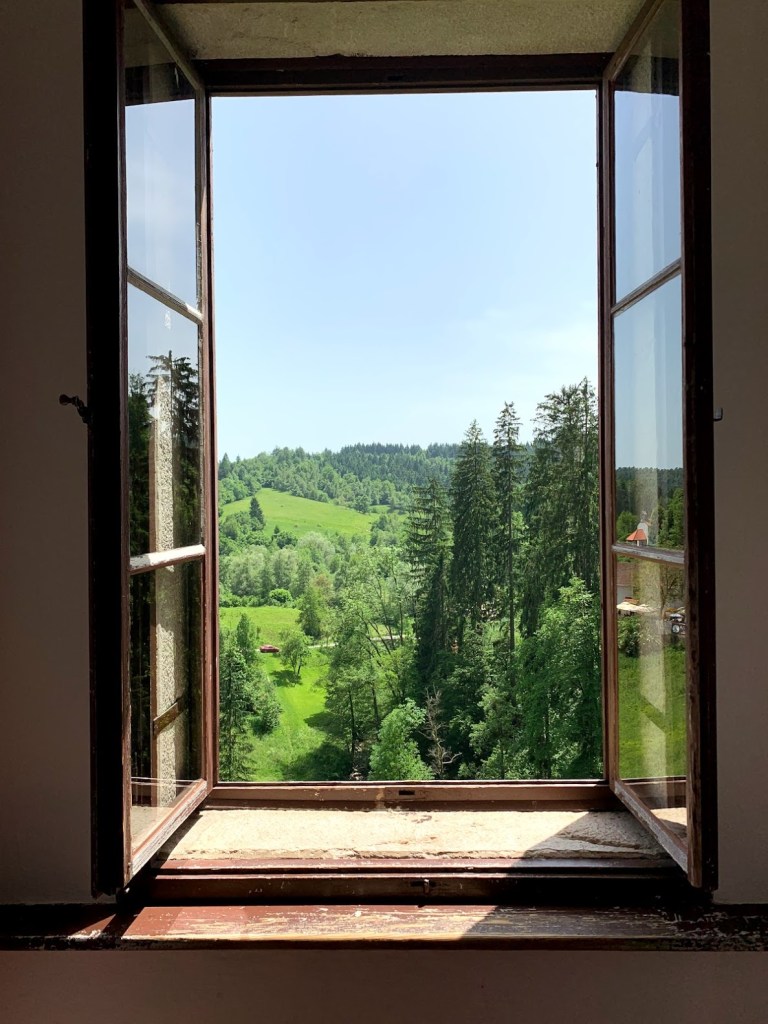
Looking onto the valley
The secret cave system was put to the test in the 15th century, when the Imperial Army of the Hapsburgs held Sir Erazem, who was loyal to the Hungarian King, under siege for over a year. The locals considered Sir Erazem their Robin Hood because he robbed the rich Hapsburgs and gave to the local Hungarians and Slovenes. He was eventually killed when a bribed servant betrayed him and gave a signal for a canon shot to hit the weakest part of the castle. It was Erazmas’ toilet!
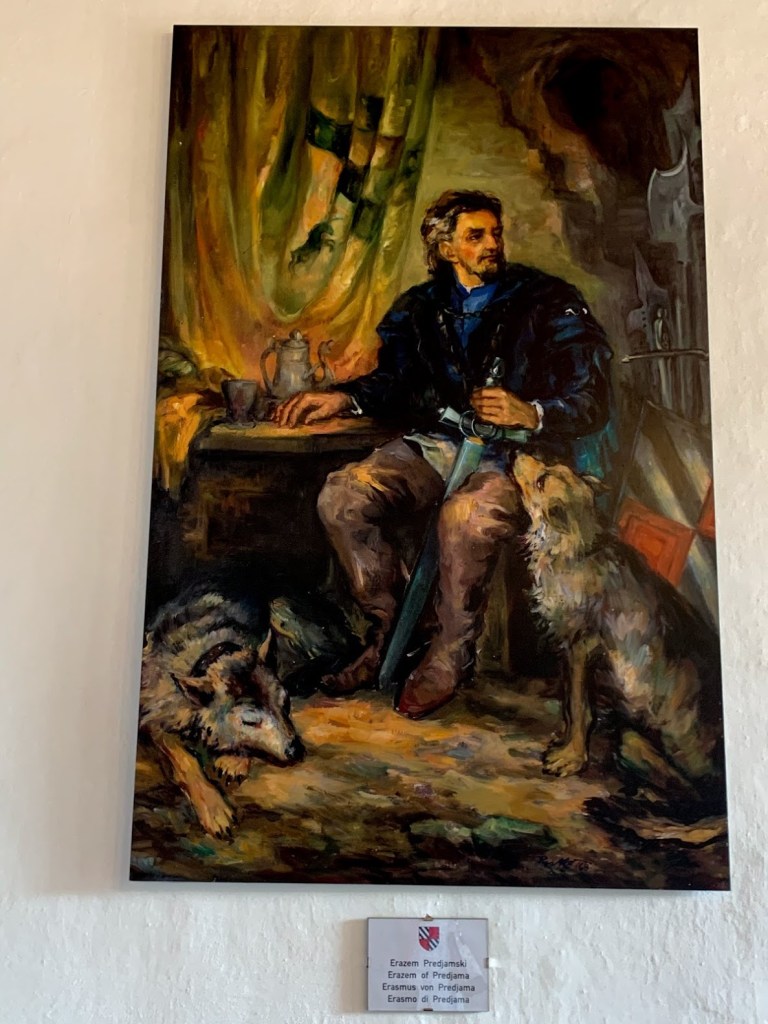
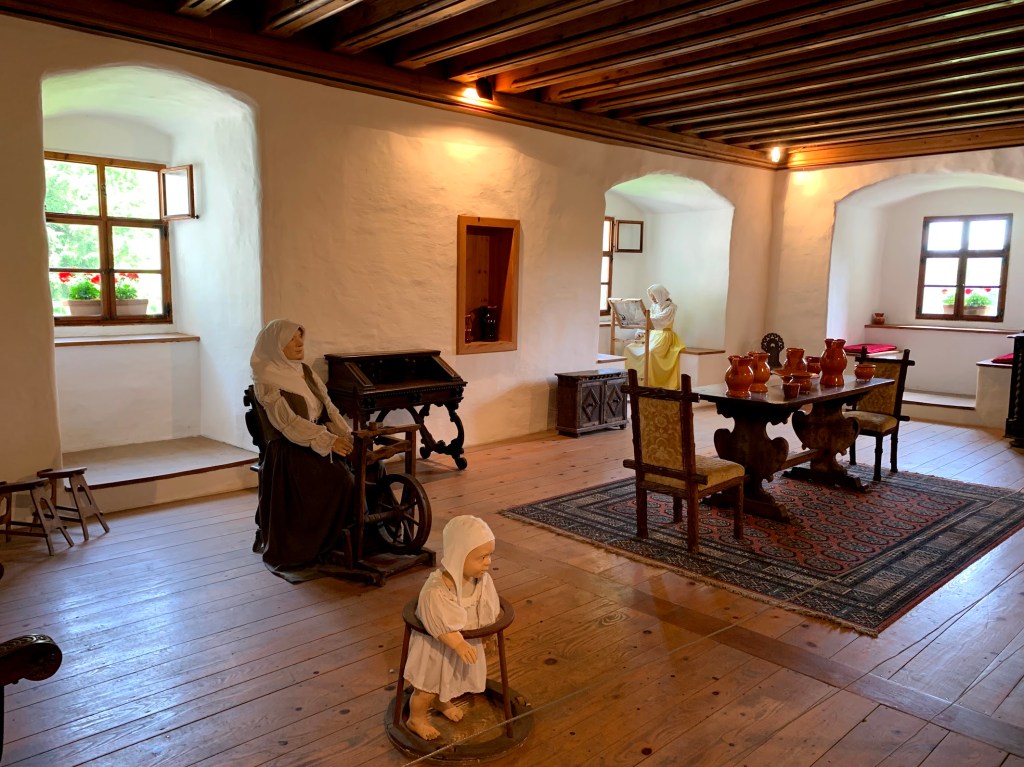
Main family room 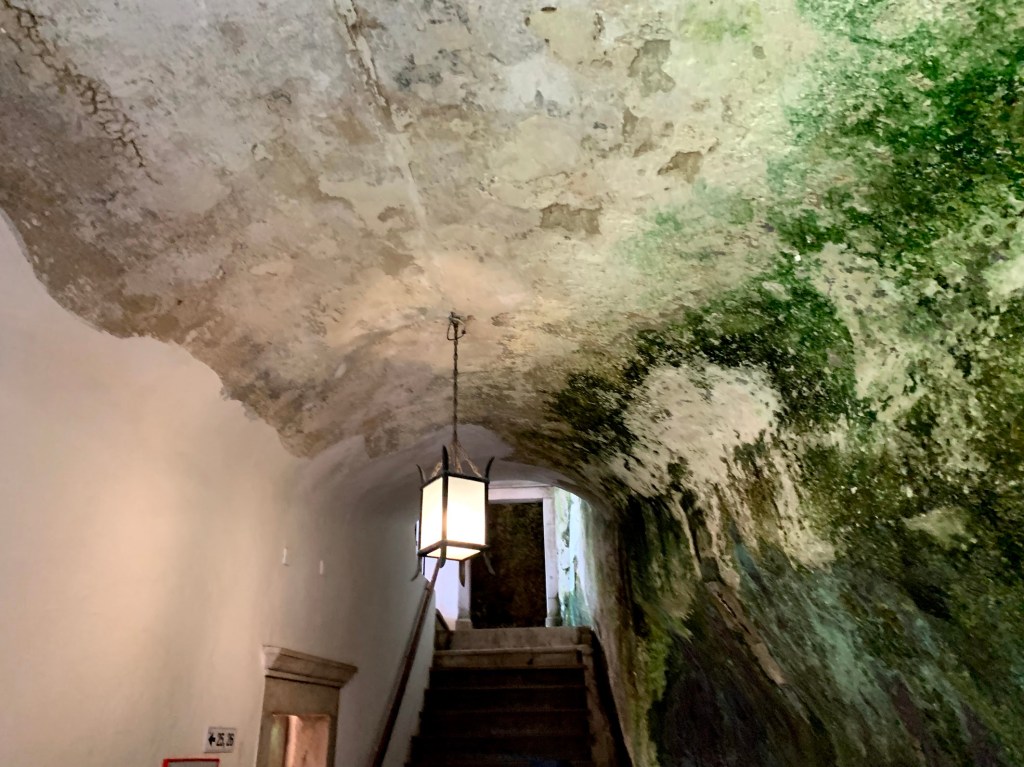
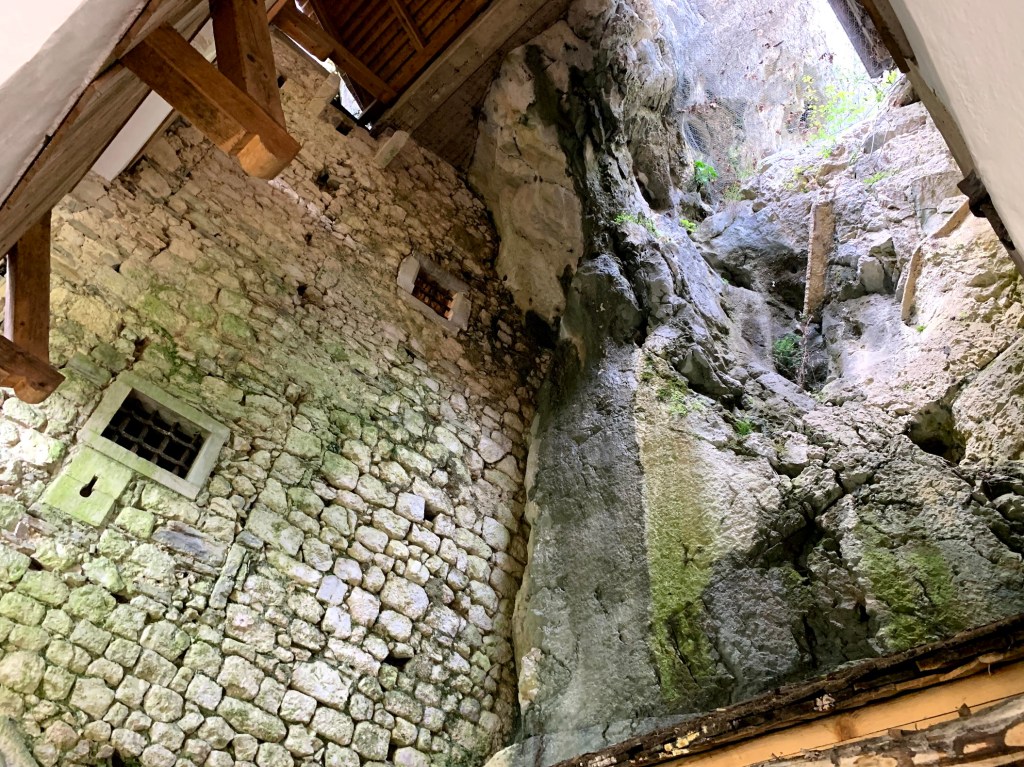
Central stairwell:half cave half wall
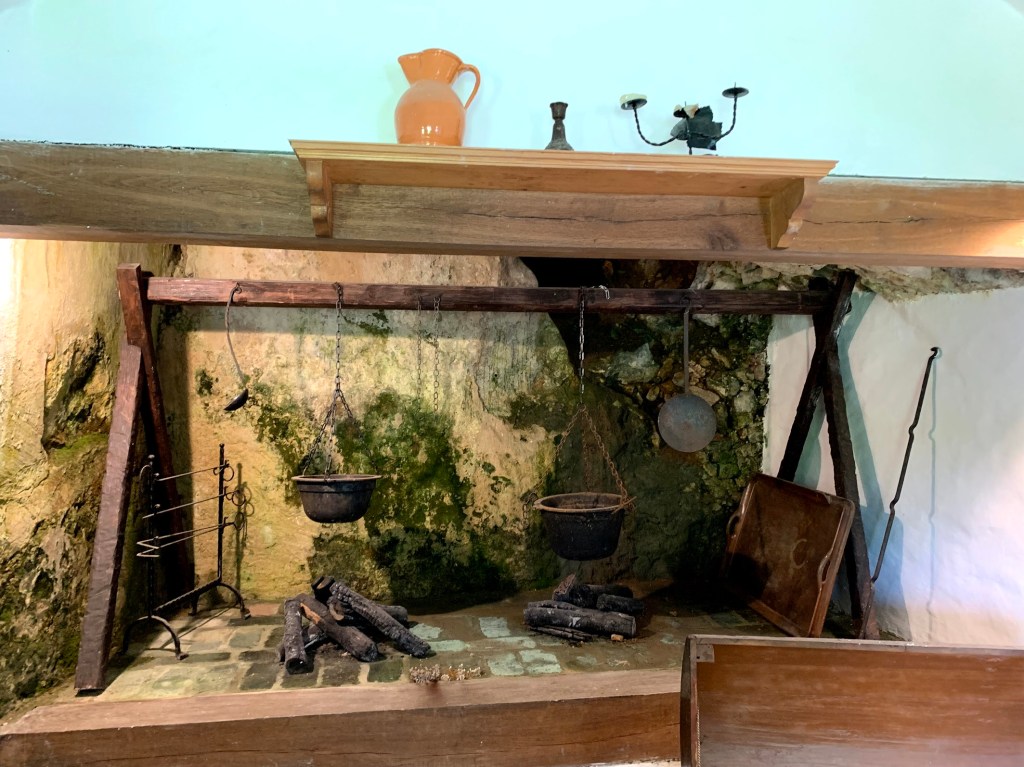
The back wall is the cave.
Predjama Castle was the most unusual castle fortress I’ve ever seen. The unique architecture utilizing secret cave tunnels, chimneys built of natural cliff faces, and a never-ending network of water channels to gather the natural cave water that’s clean and constantly dripping was clever and ingenious.
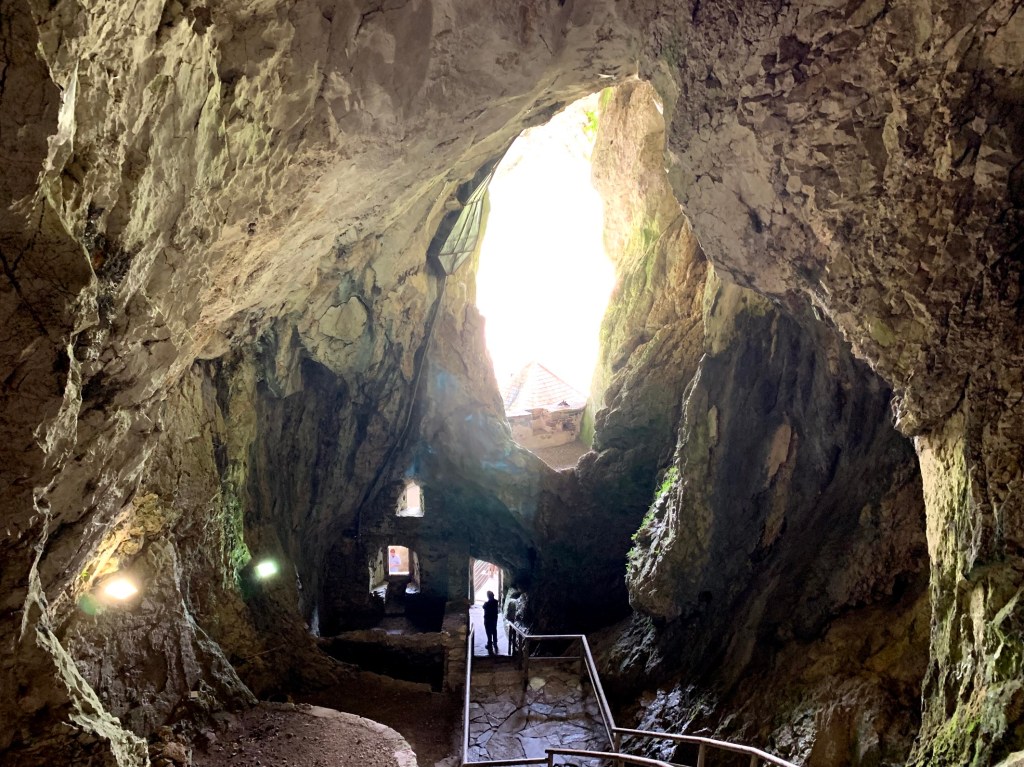
The oldest part of the castle is the original cave that had three levels carved out of it. This photo is from the third level. Behind me was the cistern to store the cave water and the entrance to the secret tunnels.
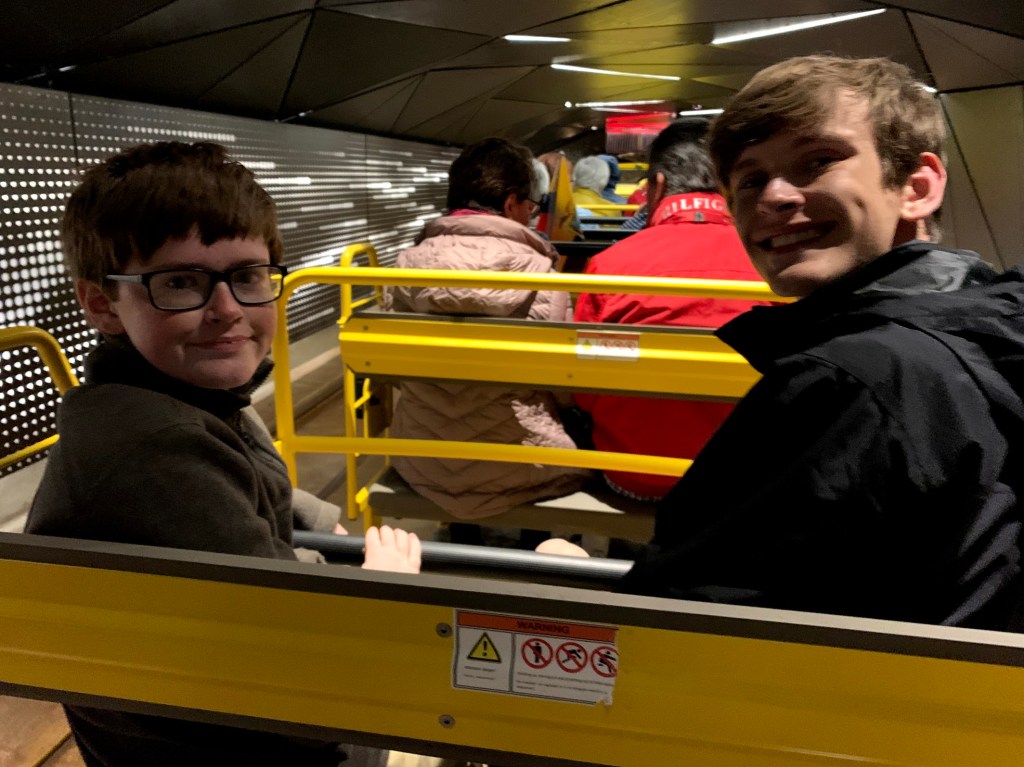
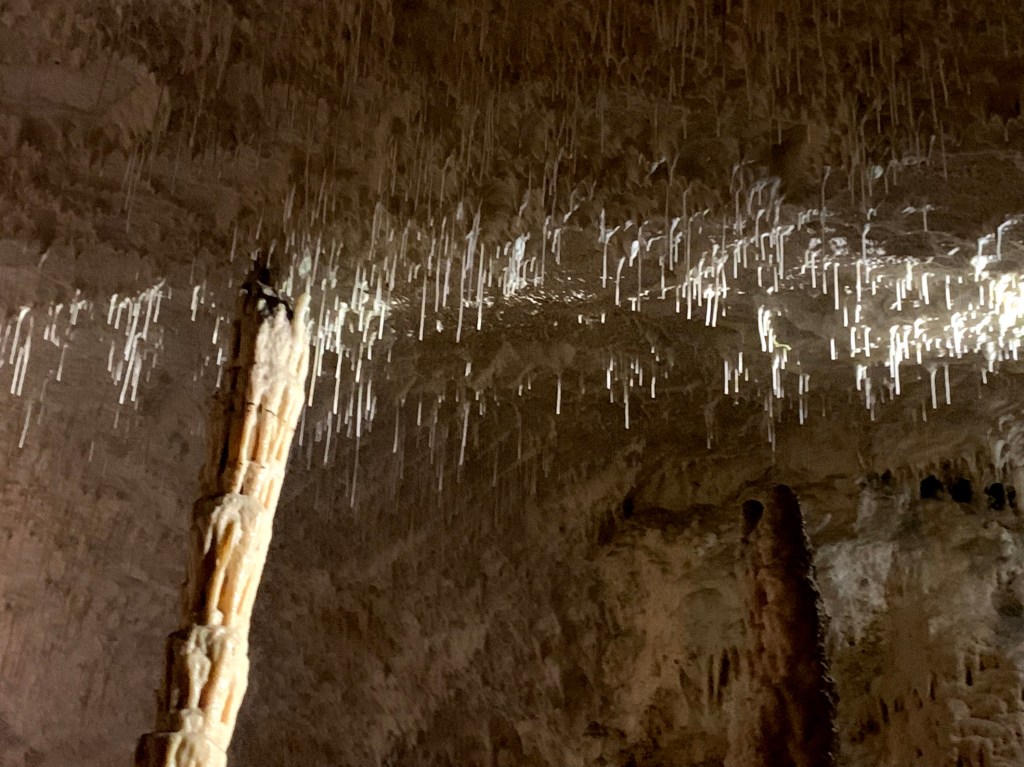
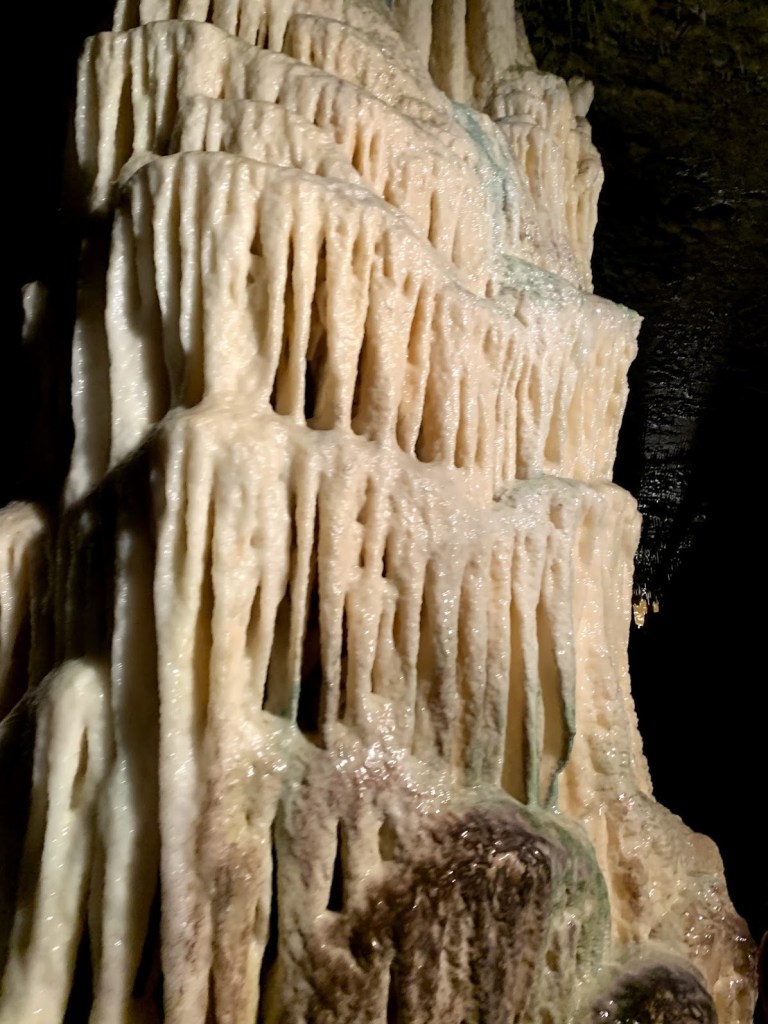
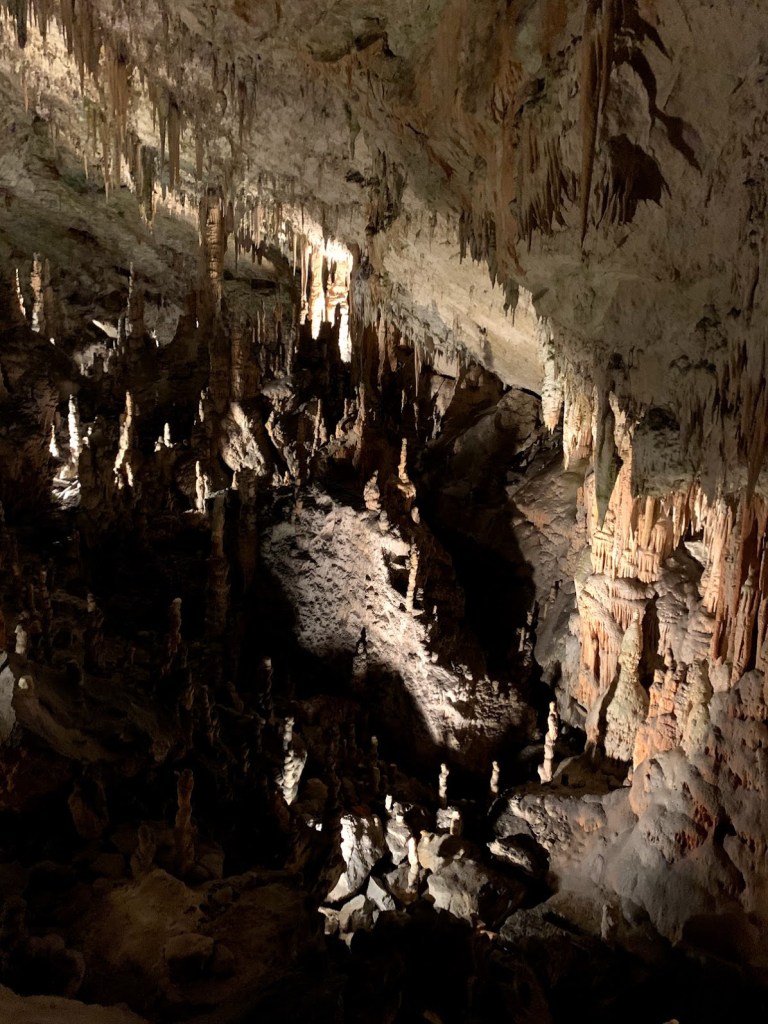
It was refreshing being in the castle, but our next stop was a nicer break from the afternoon heat. We had a 1.5 hour tour inside Postojna Cave. It is the longest cave network in Europe and the second largest in the world, behind Mammoth Cave in Kentucky. The first and last third of the cave visit was by rail train. The little mining train weaved it’s way through narrow passages that would open up into grand caverns. The middle part of the tour required us to walk 1km on foot. Our guide was very good at explaining the various caverns we passed through. I liked the Spaghetti Ceiling Chamber and the White Calcium Caverns. The cave is currently home to 8 underground species including the endangered blind salamander. There was also a small hydroelectric dam inside the cave that harnessed the small cave river’s power. It generated enough natural energy to power the nearby hotel, restaurant, and Visitors Centre. Thoroughly cooled off we enjoyed coming above ground to the warm sunshine.
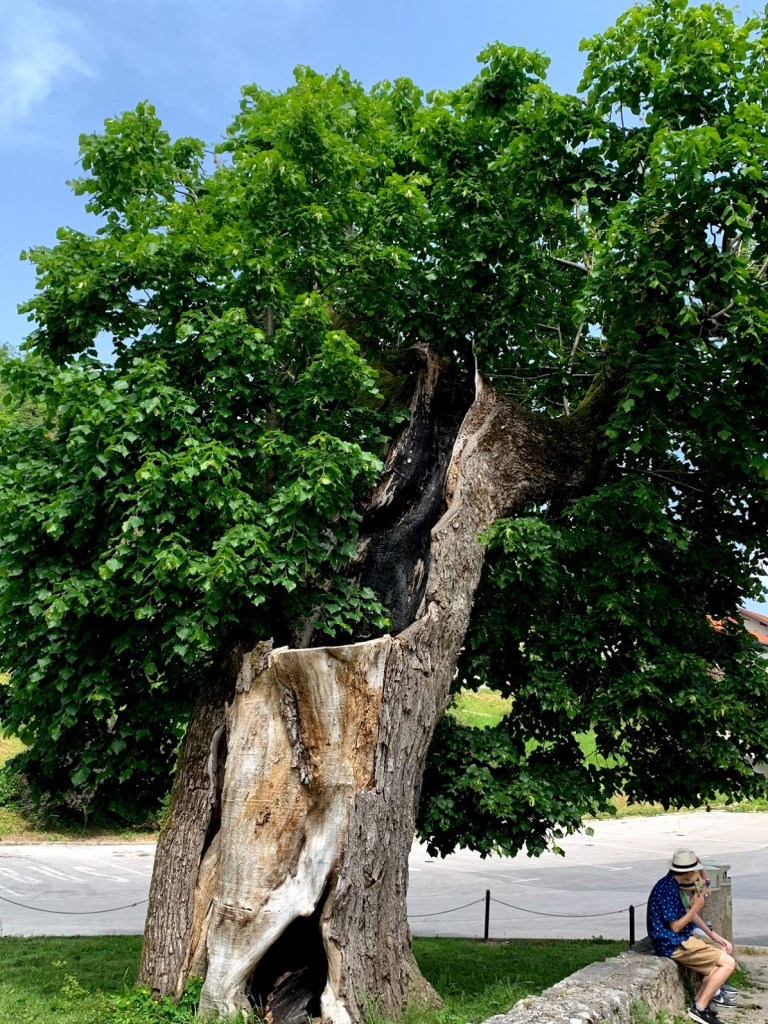
For dinner the kids requested that Robert and I go “have a date” and they went to a really good Chinese place down the street from our apartment. Robert and I had a lovely meal out under a tree nestled amongst old Slovenian homes.
 Camellia's Travel Blog