
We awoke to Cremona’s church bells calling the villagers to Sunday Mass. After a hearty breakfast we walked over to the Museum of the Violin. Cremona is the ancient centre of violinmakers. For centuries Cemonan masters have made wooden stringed instruments and passed down their knowledge to apprentices.. The museum displays taught us everything from the evolution of the rebec to a modern violin, the techniques of the luthier, and also had a large display of various violins, violas, cellos, and basses made by different luthiers throughout the past 500 years. Some of the instruments were by famous luthiers such as Stradivari, Guarneri and Alboni.
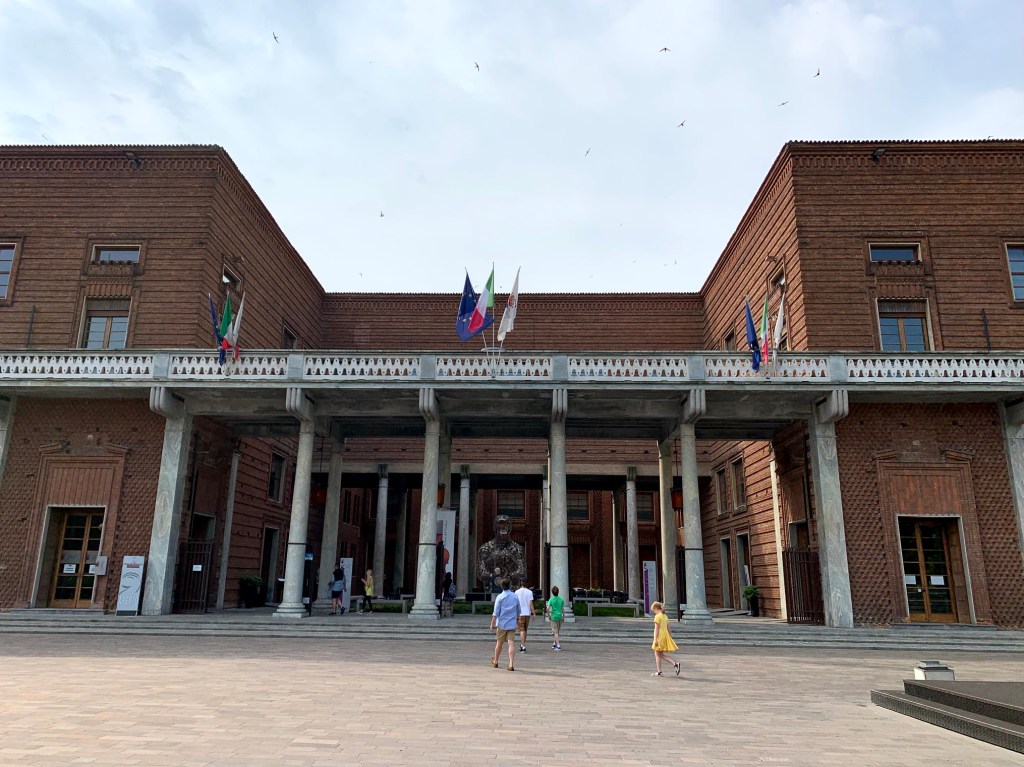
Museum of the Violin 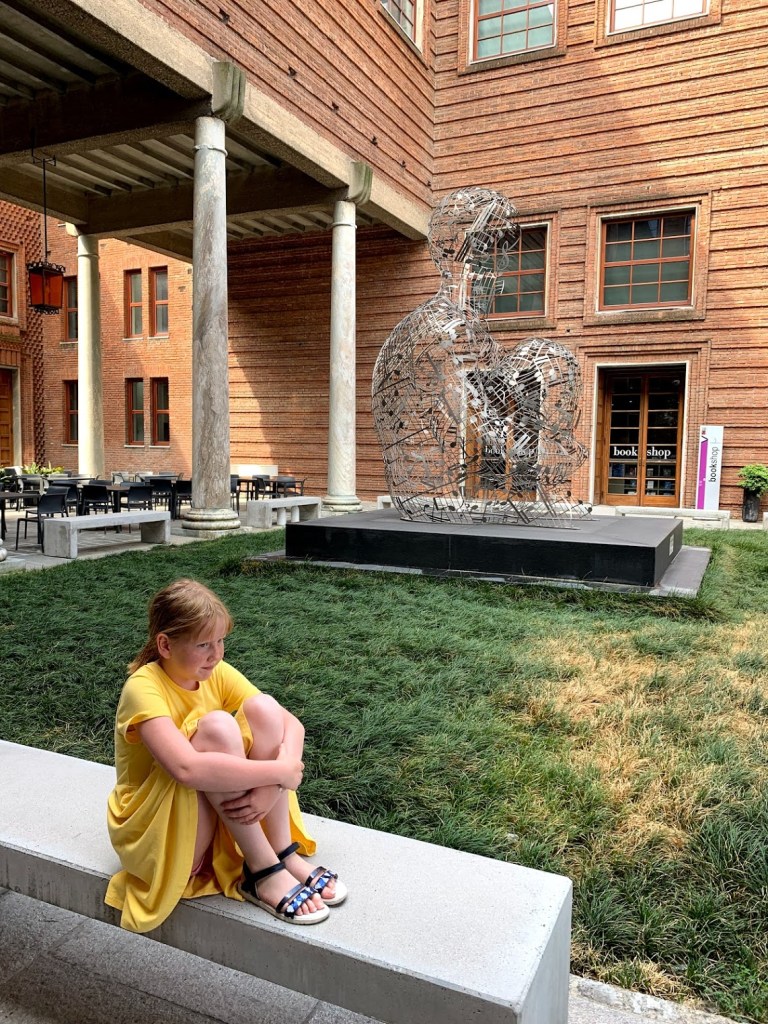
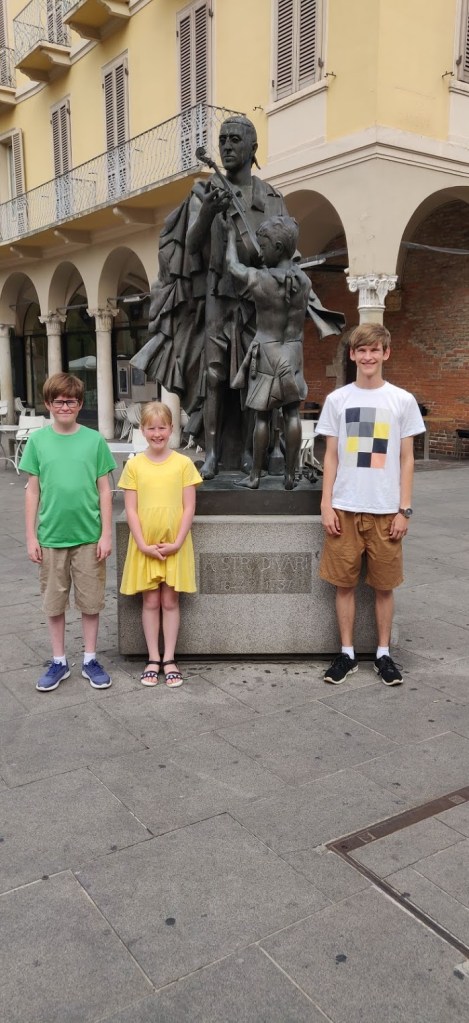
Life mimicking art
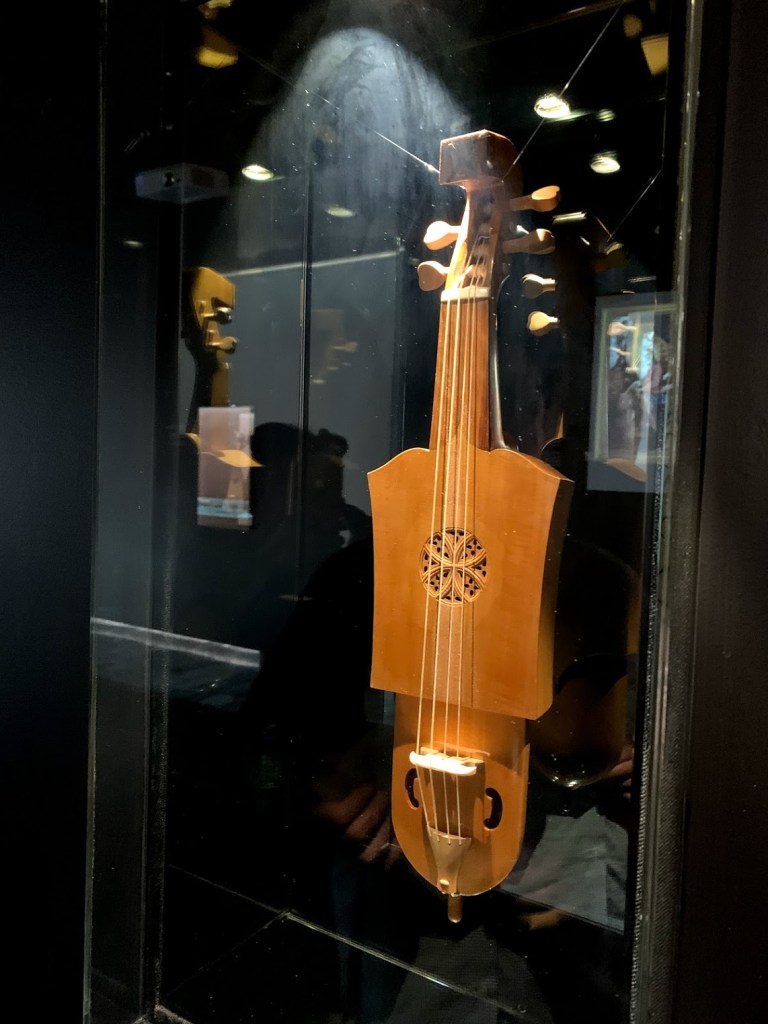
Oldest known Rebec 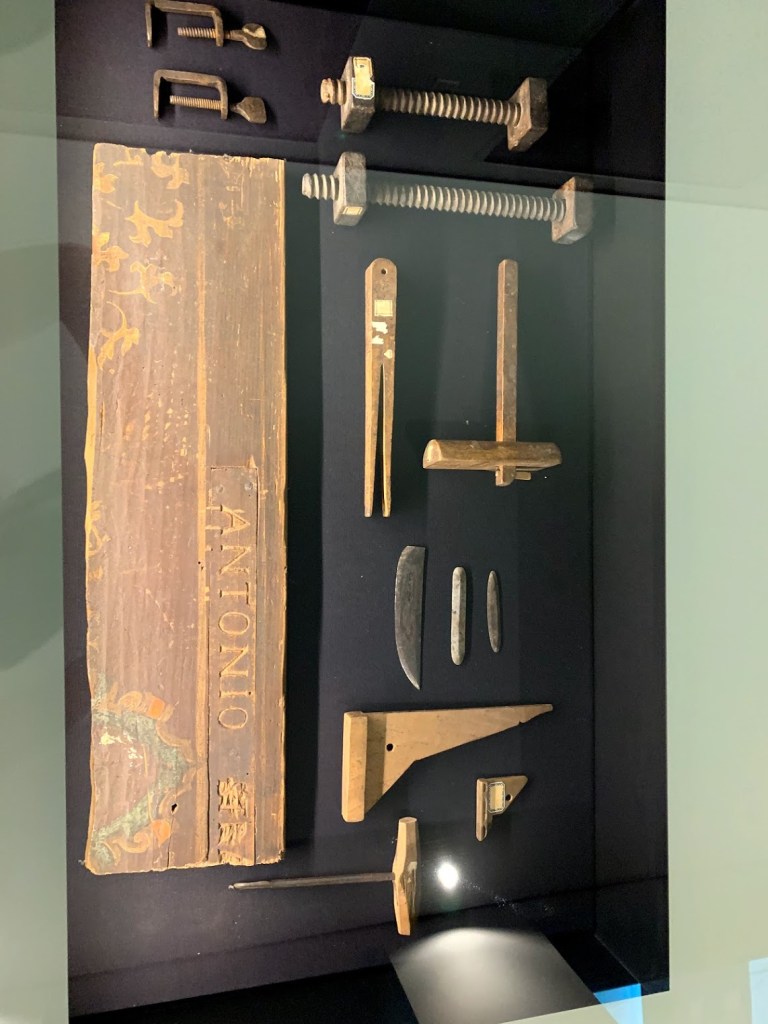
Stradivari’s luthier tools
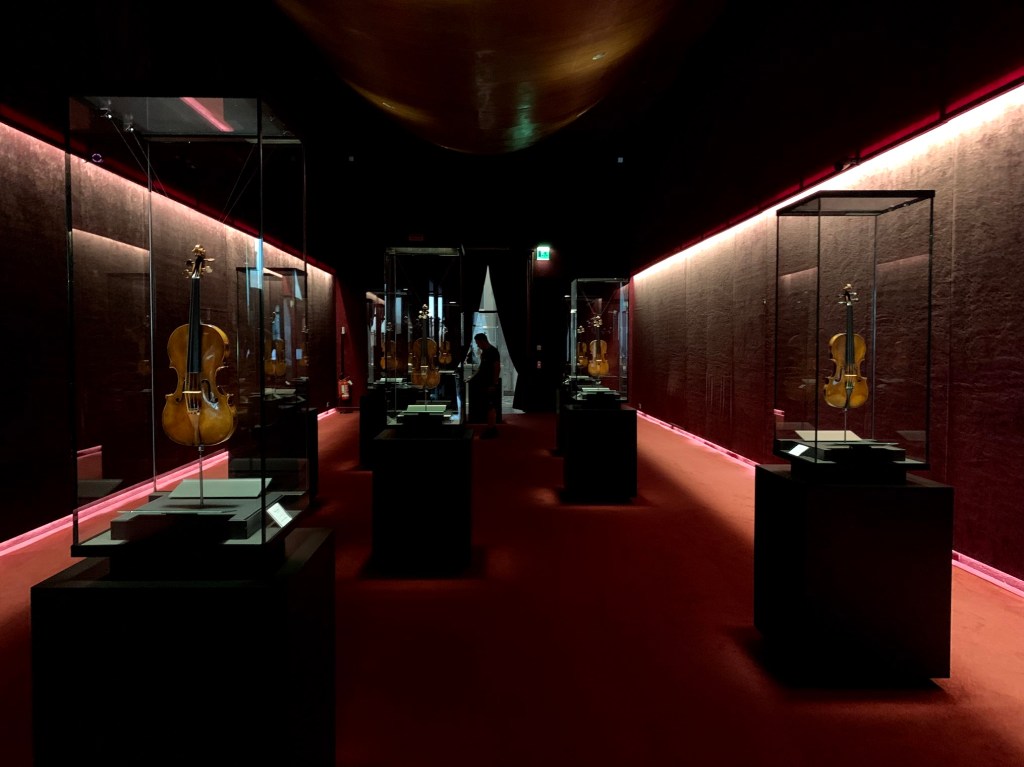
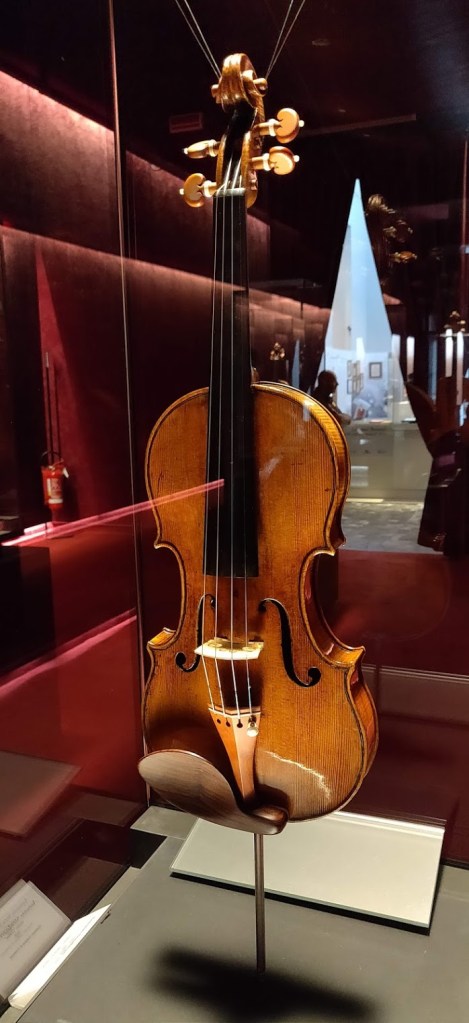
After exploring the museum we were treated to a concert in the performance hall. We heard a superb violinist playa 1669 Stradivari a cappella. The first Sunday of the month is typically the museum’s family day. As part of the concert the violinist demonstrated the sound from a Paraguayan violin made completely out of recycled material. These instruments are made so that even poor kids in Paraguay can learn music. The violinist made it sound amazing by playing an Argentine Tango. The museum docent let the kids touch and hold the violin! They took a photo of our kids and perhaps they’ll be in on the Museum’s webpage!
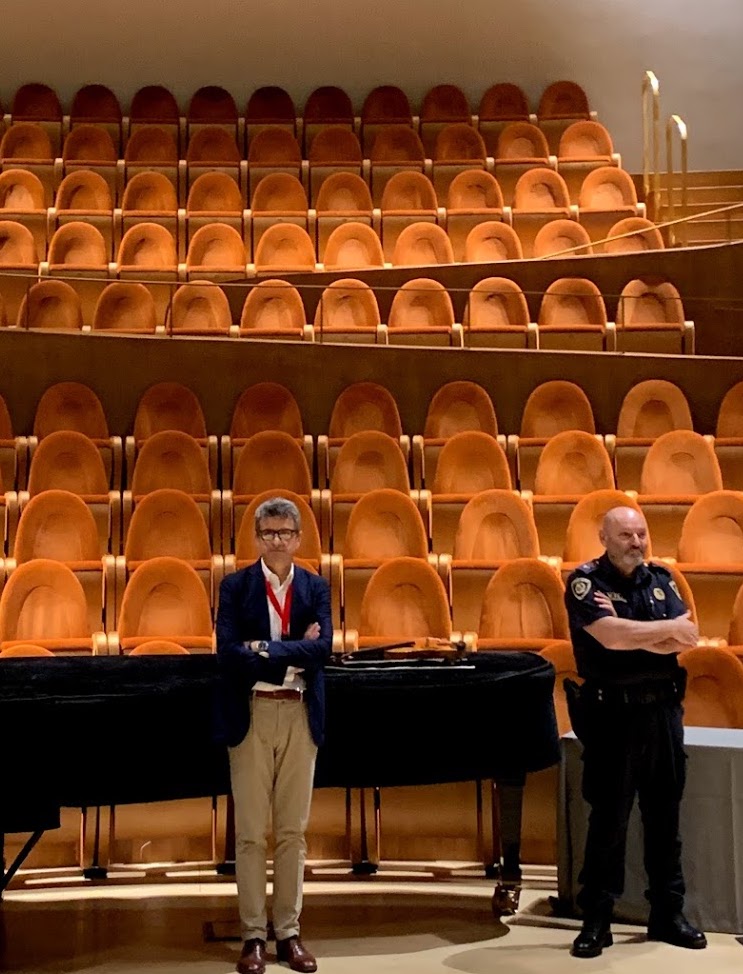
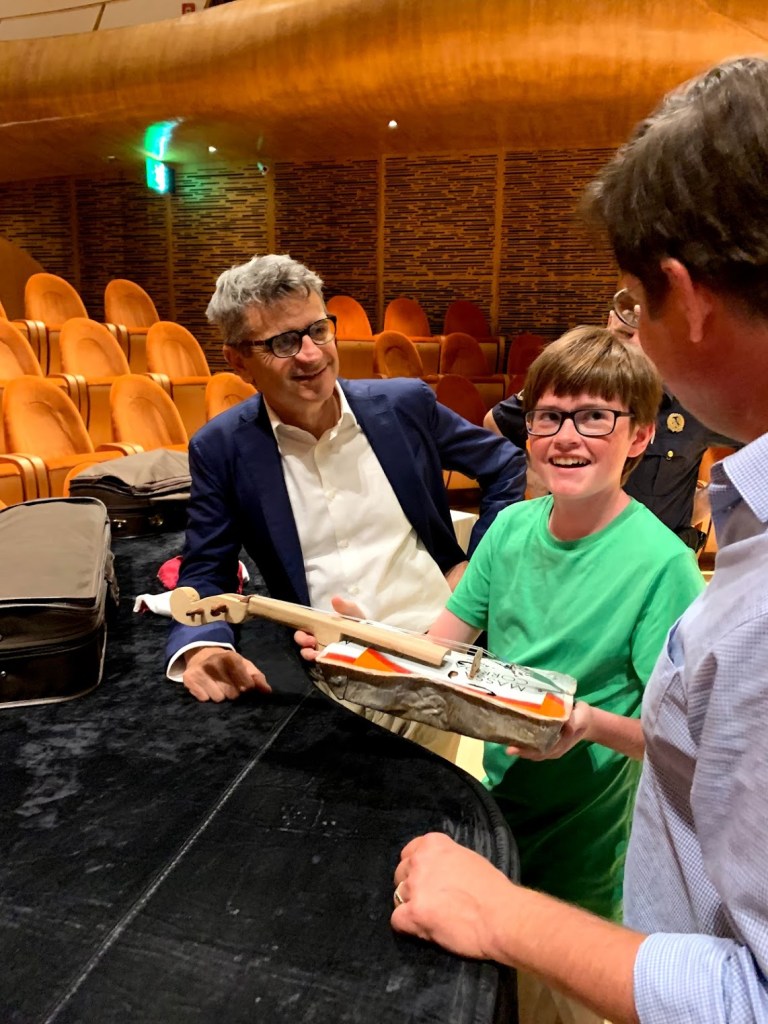
The docent enjoyed showing the kids the Paraguayan recycled violin 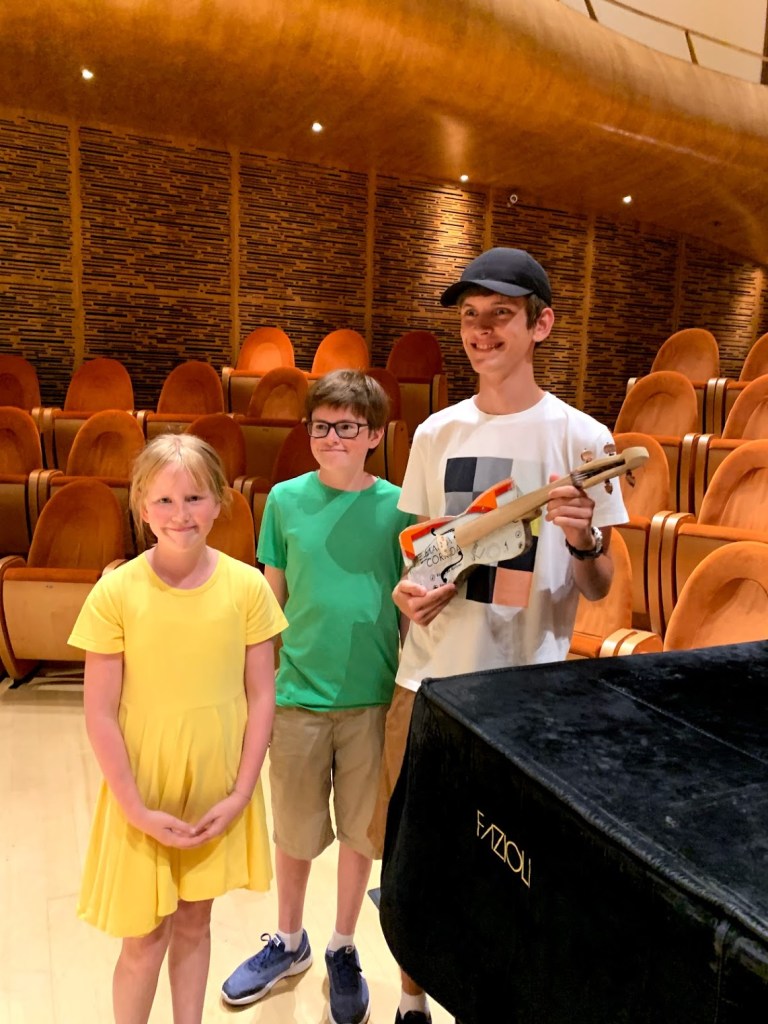
Posing for the museum photo
Once completing the museum tour, we drove along the Italian Rivera into Southern France. We passed through several tunnels and over many bridges. There must have been at least 100 or more tunnels of varying lengths. The motorway was quite the feat of road engineering along the coast. Cars moved together in a dance hugging the coastline, soaring over valleys, and through mountainsides. The views as we drove varied from glimpses of turquoise ocean to red-roofed small towns, sweeping valleys reaching down to the sea, and churches perched high on hilltops.
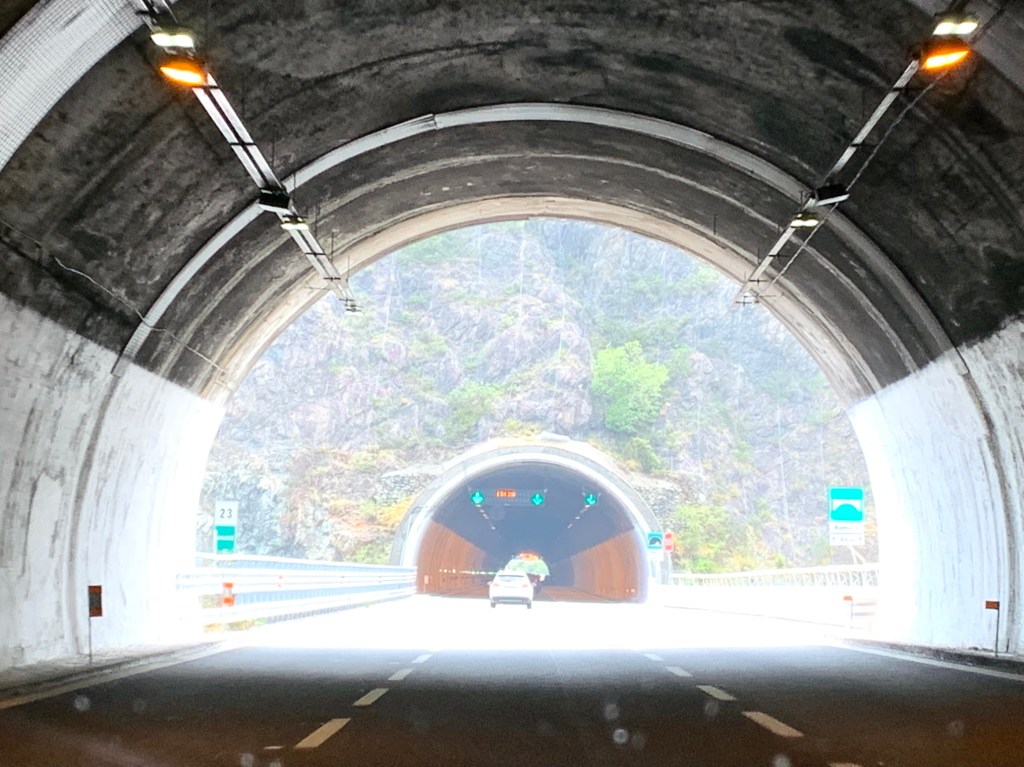
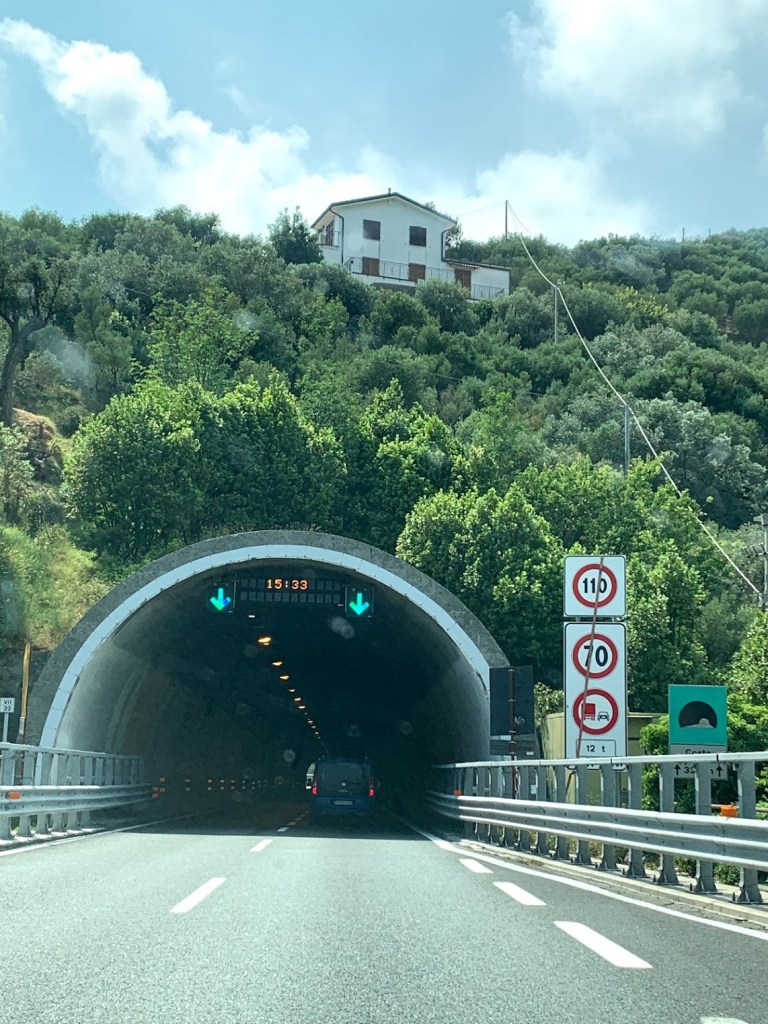
Many tunnels had homes or villages on top 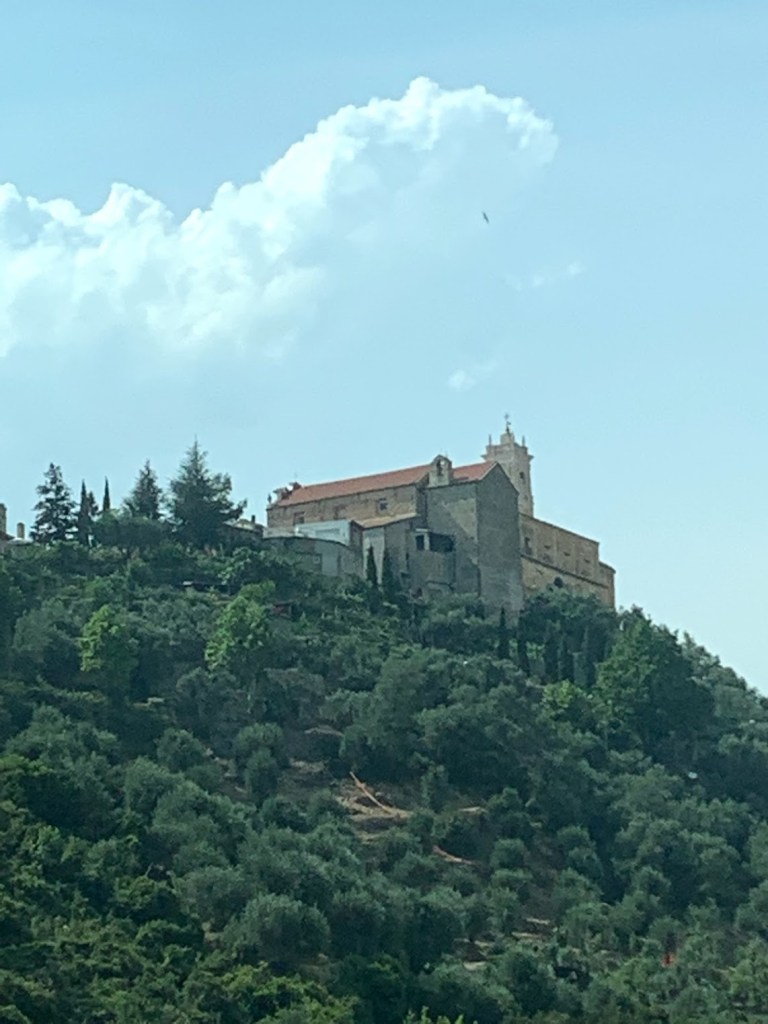
Monastery on a hill
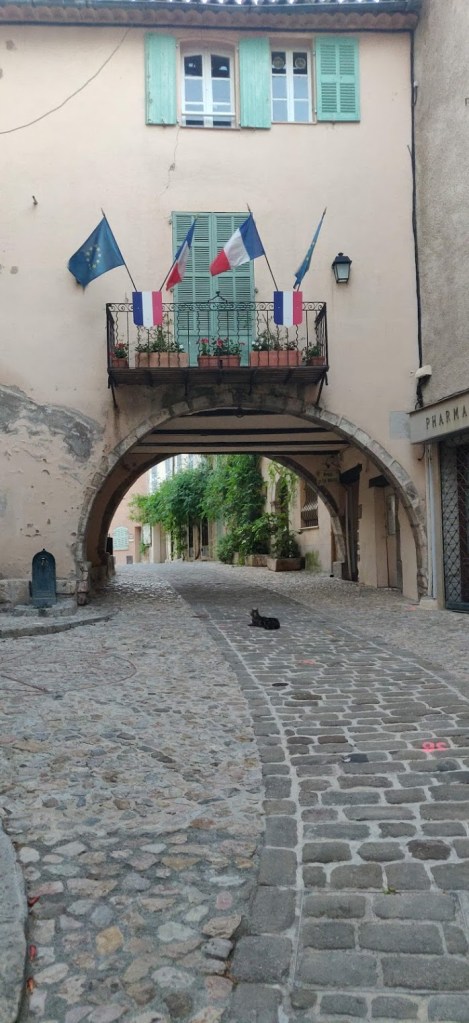
We arrived at our 18th century French farmhouse around 7:00pm. Aneshka, our hostess, was very nice. We drove to the nearest village of Seillans, for dinner and ate outside in the old cobblestoned town square. Neighborhood cats and a sweet old basset hound came over to our table for pets.
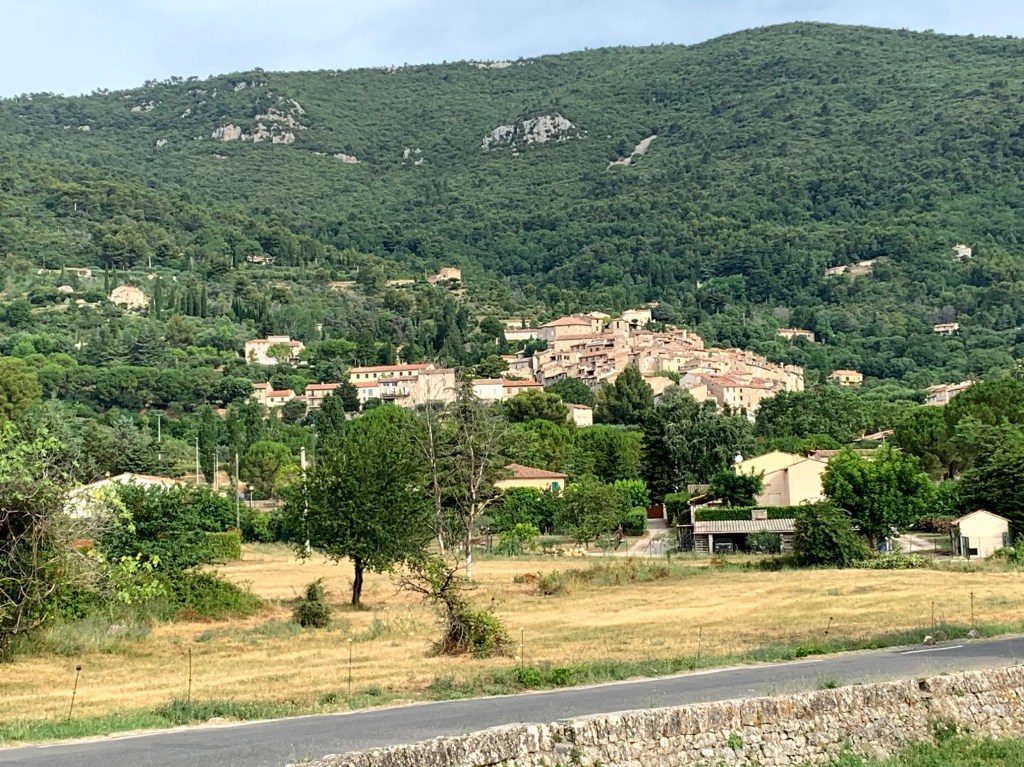
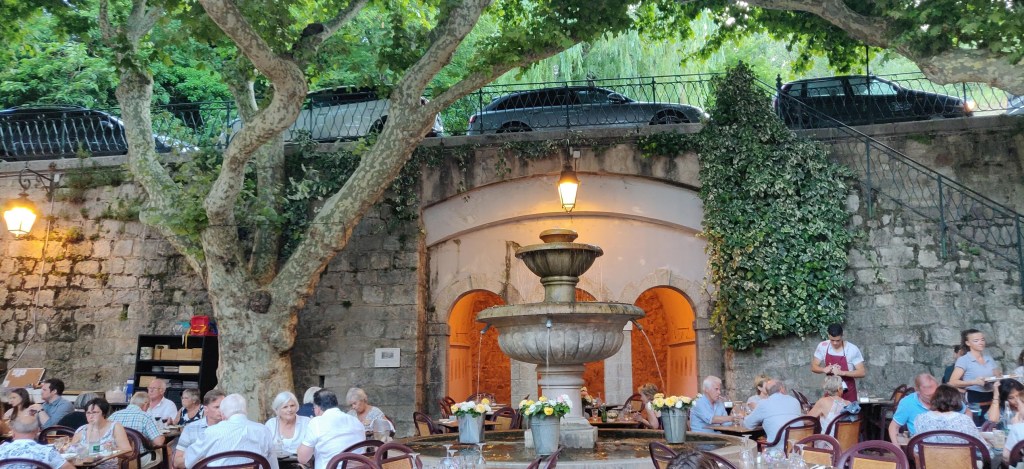
As the sun set casting long shadows on the old stone walls, we walked around the narrow cobblestone streets and enjoyed exploring the quiet of a Provençal village.
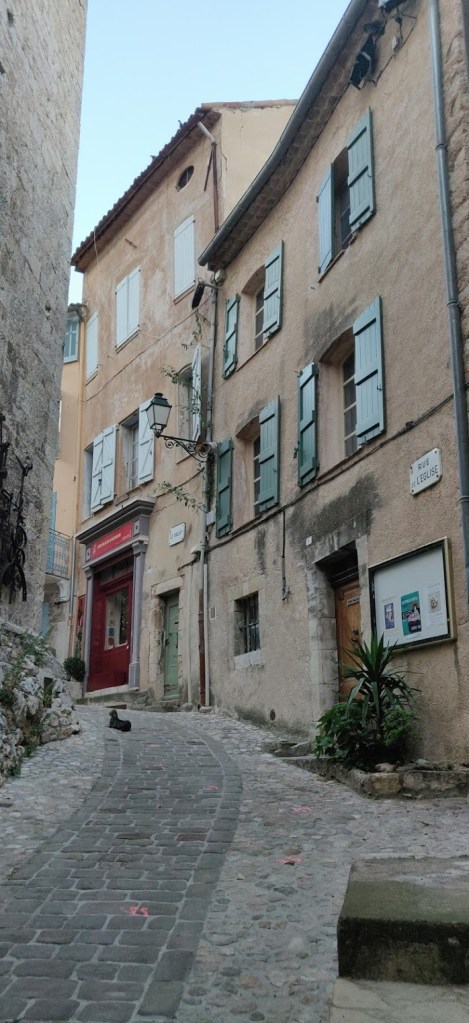
Cobblestone street and a chat noir 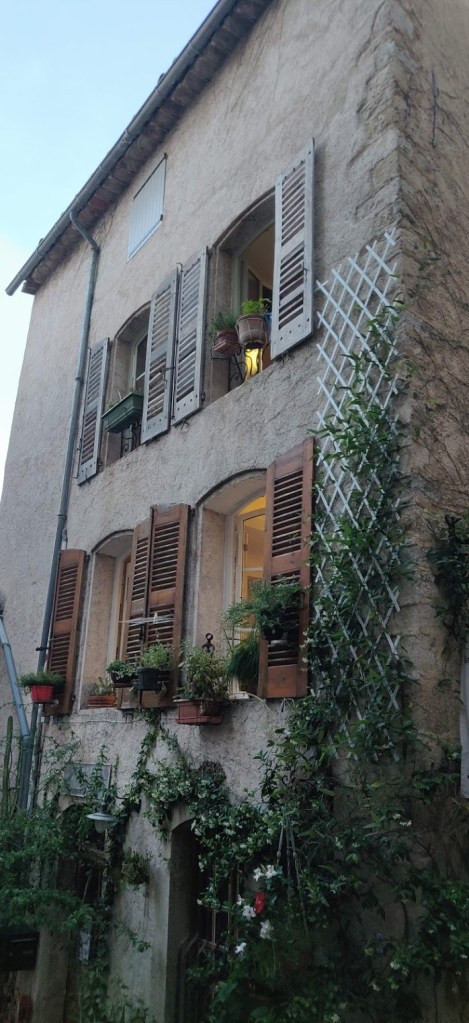
Typical Provençal French home
 Camellia's Travel Blog