
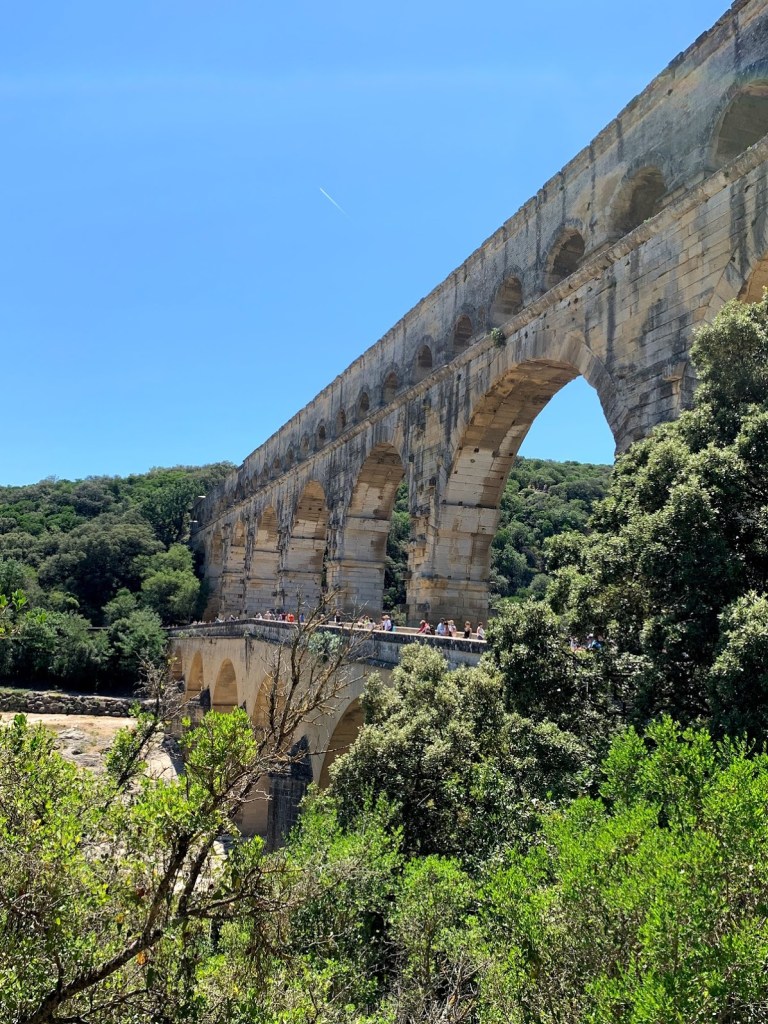
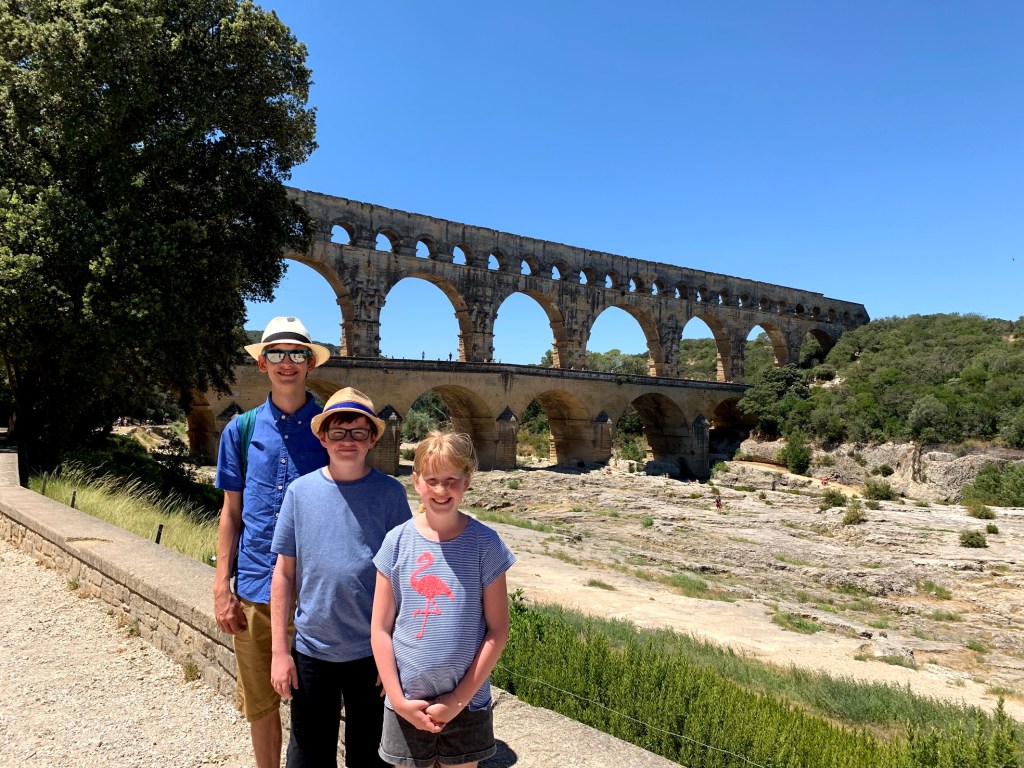
To tread where the ancient Romans tread was amazing! We drove inland today towards Avignon and Pont du Gard. The Pont is the only surviving Roman aqueduct to cross a river. Built in the 1st century AD the Uze to Nimmes Aqueduct ran for 50km from the Uze hot springs to the cistern and fountains of Nimmes.
10 July 2019
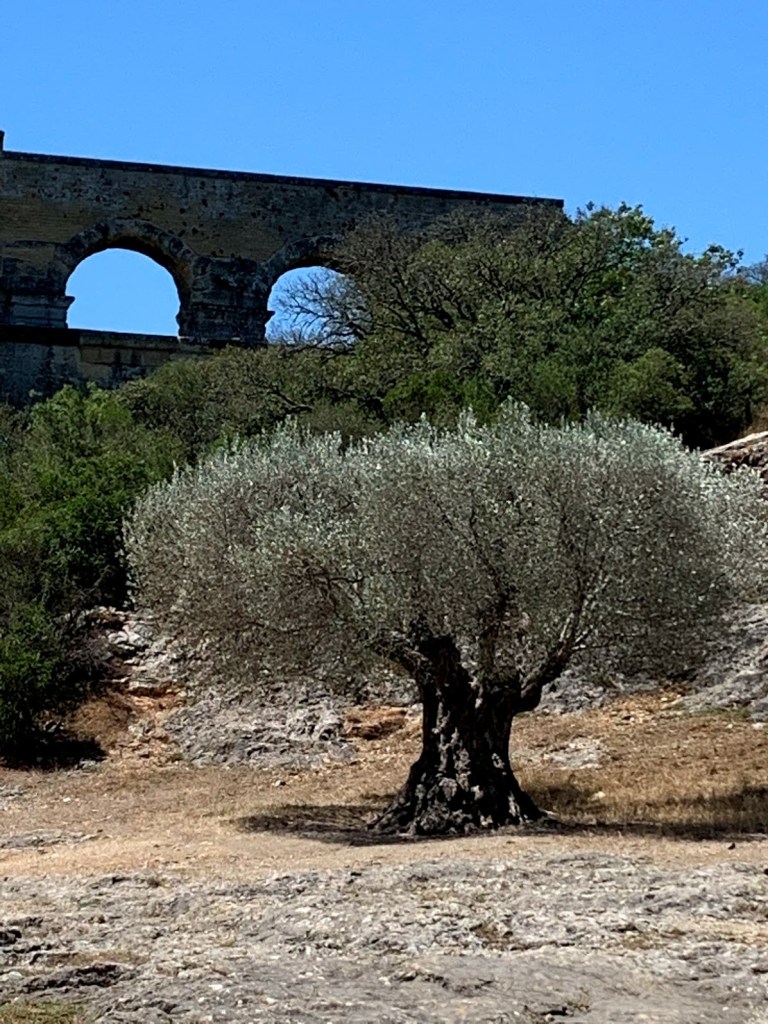
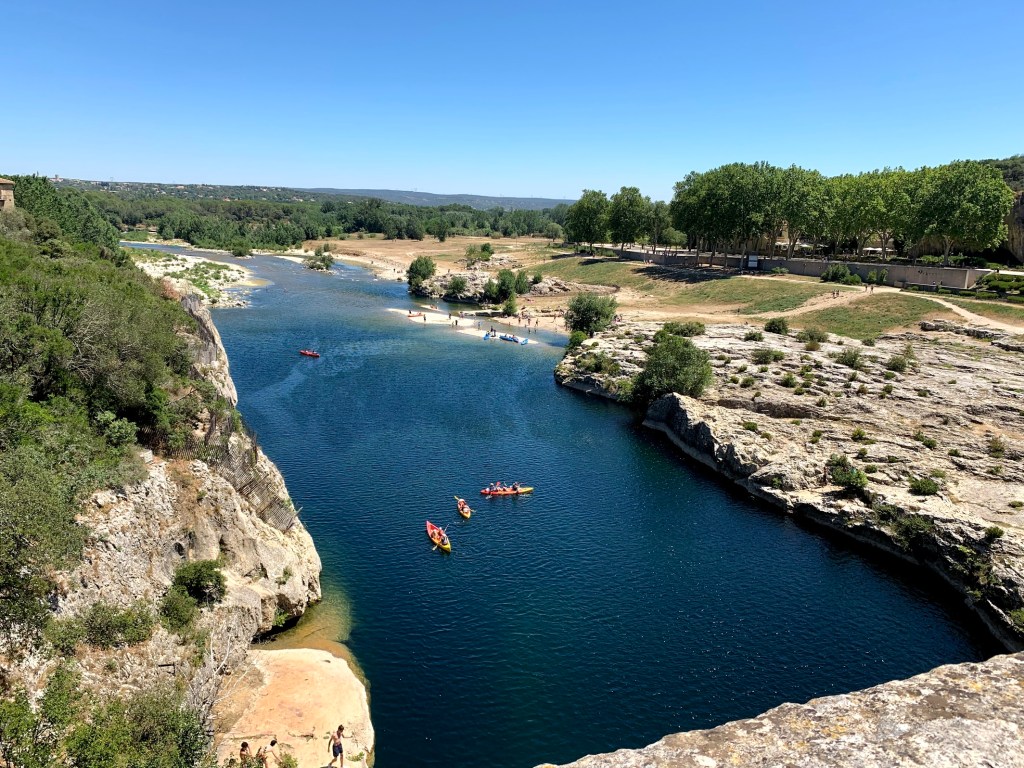
The Pont or “bridge” spreads 143 meters at the bottom to 270 meters on top across the Rhône River. The river gently flows through the limestone hills with scrubby trees and bushes. There were even 1,000 yr old olive trees in the area along the path to the Pont. The river was a great place to swim and it was fun watching the locals floating on tubes and diving from the limestone flat rocks.
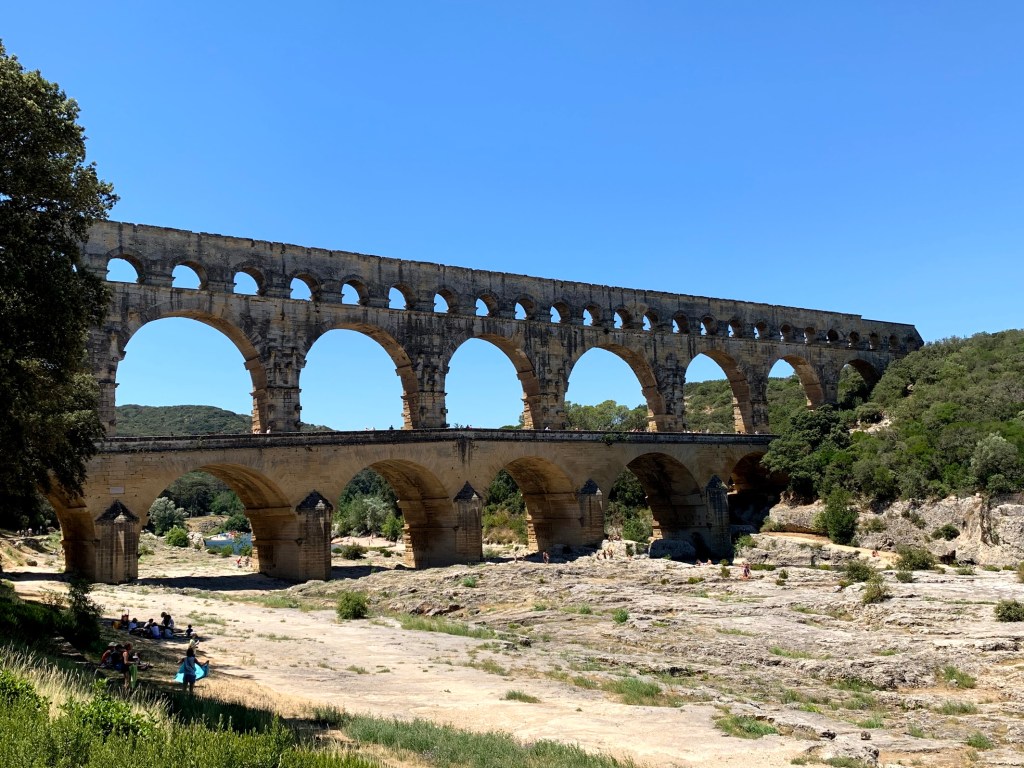
The Pont was stunning with tan stone arches set against a brilliant cloudless blue sky. The triple level of arches gracefully held the 6 meter wide by 2 meter tall capped aqueduct that was built on top of the arches. From the Uze Springs the aqueduct gently slopes about 25cm per kilometer allowing a steady flow of water.
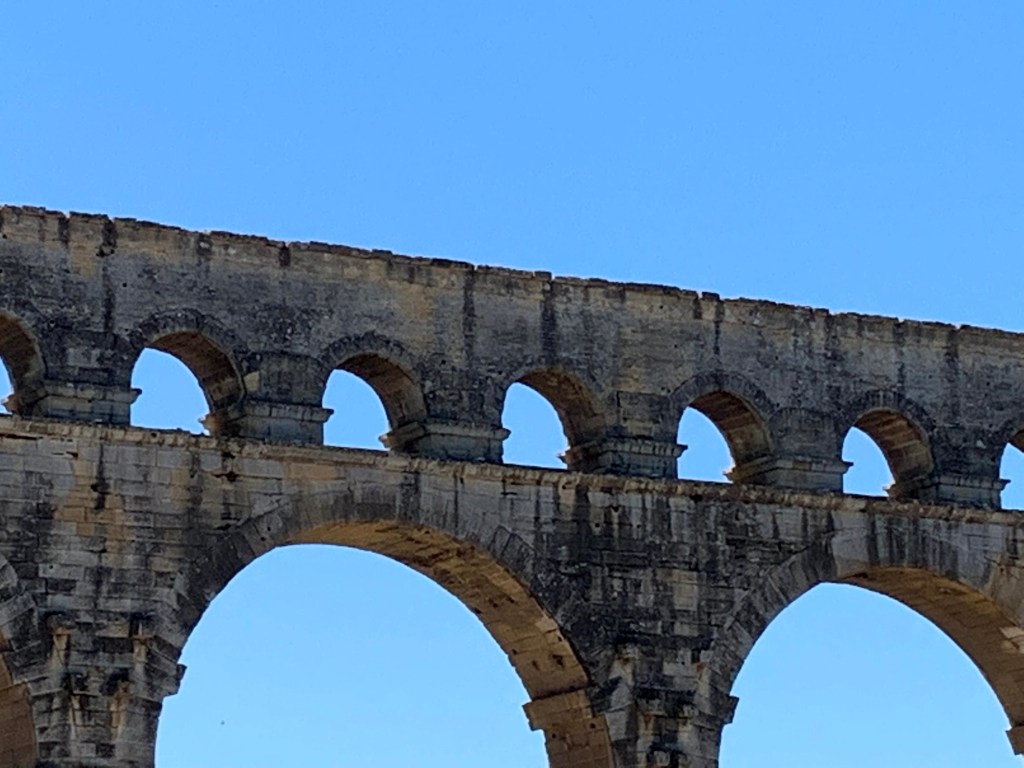
The aqueduct runs along the top of the little arches 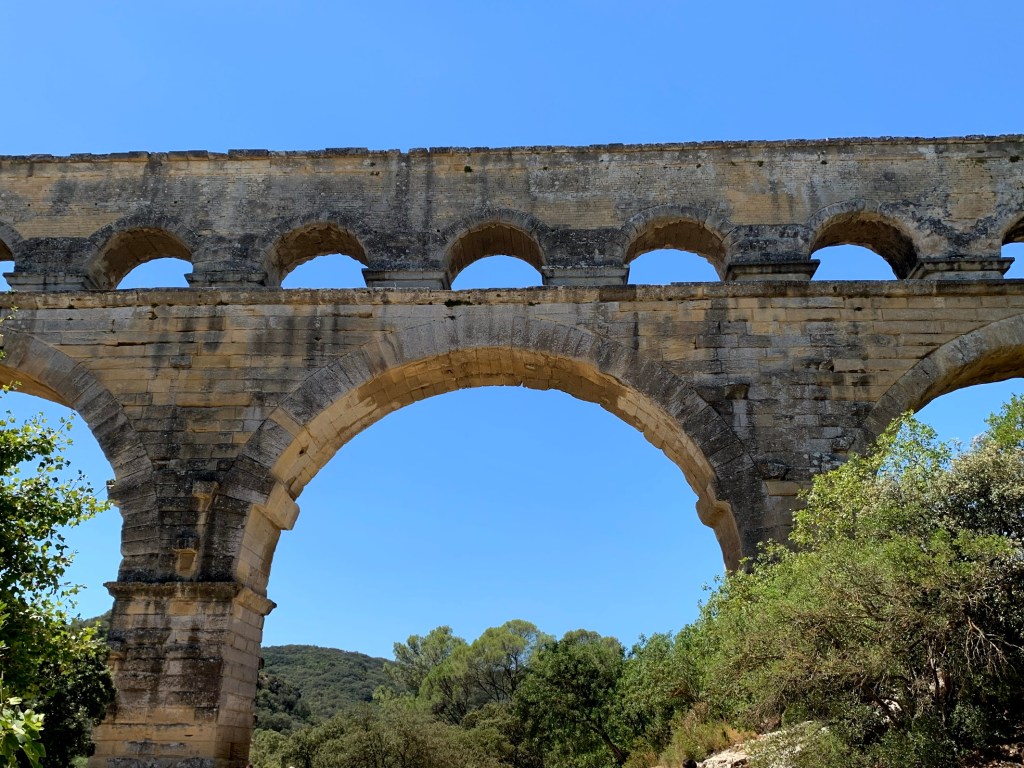
Amazing architecture
Inside the museum we learned about the engineering techniques and cultural uses of the aqueduct’s waters. The Romans had heated flooring and hot/cold bathes. They even had running lead piped water pumped into their homes and flush away toilets with sewage control. It was amazing to learn about the aqueduct system and still see the Pont du Gard span the large valley cut by the Rhône.
From there we drove 30 minutes to Avignon. We hoped to visit this ancient medieval town and seat of the Western Popes, but sadly we could only drive around the old city walls. It seems that we decided to visit during the week long National Festival of the Arts. There were absolutely no parking spots to be had! Cops were positioned outside various lots to turn folks away!
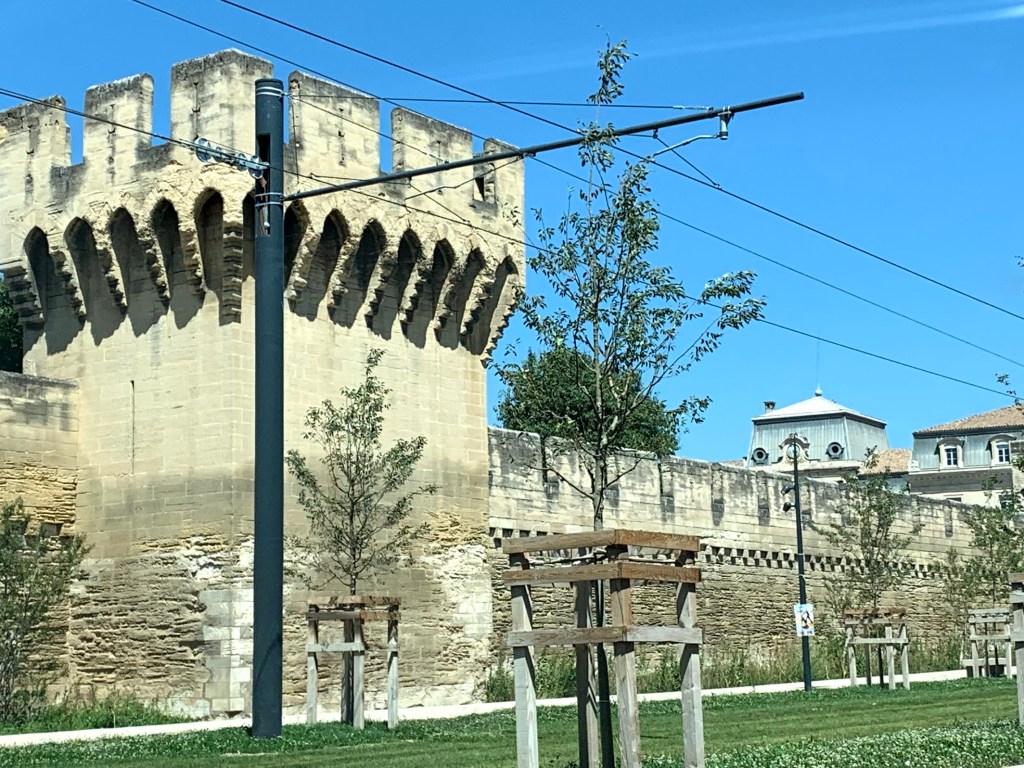
Walls of Avignon 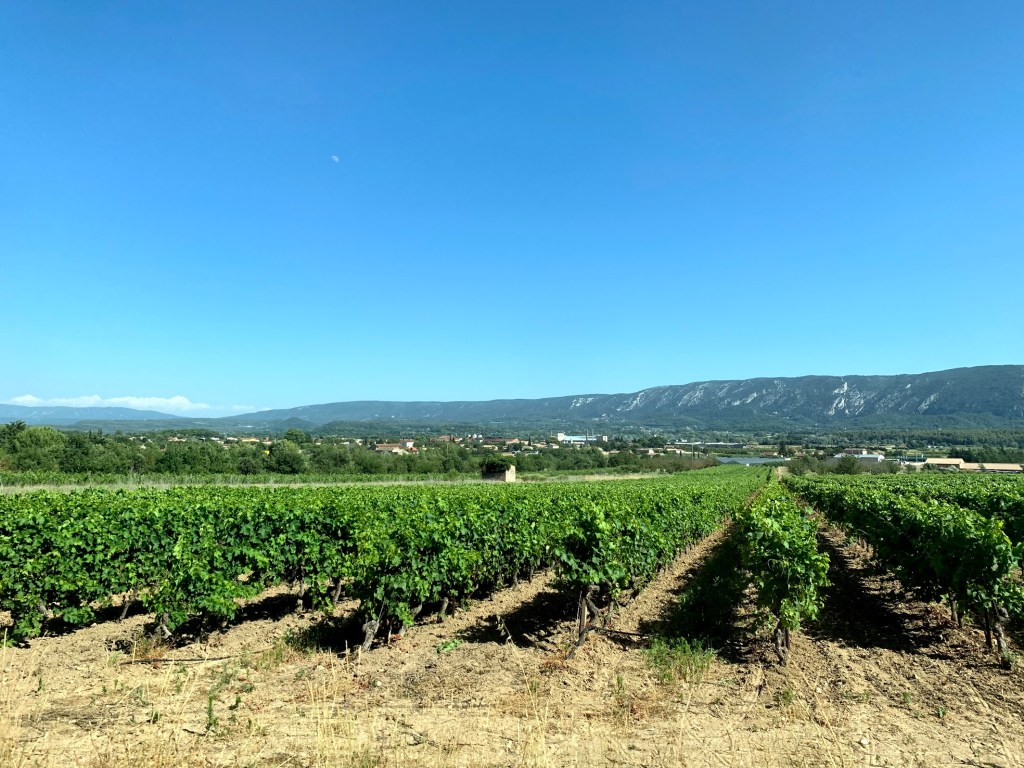
French vineyards
Resigning ourselves to the fact we weren’t going to see Avignon or the Papal Palaces, we chose a secondary item from our list that was in nearby Cabrieres de Avignon. This little happening village is a 20 minute drive into the Provençal farmlands. We visited The Musee de la Lavande or “Lavender Museum”.
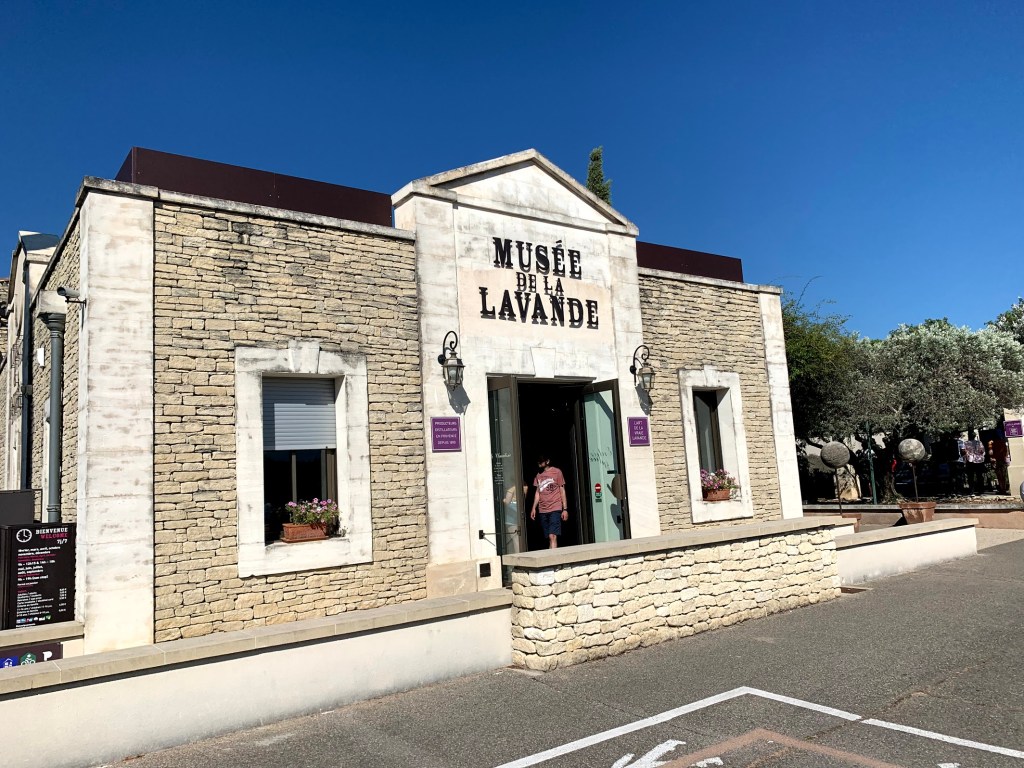
Provence is the largest producer of fine lavender in the world. We learned about the distilling process, old and new farming techniques, and various uses for lavender. These included treating wounds and sore throats, bathing, washing clothes, stress relief and massage. It was fascinating learning about the history, uses, and farming of lavender.
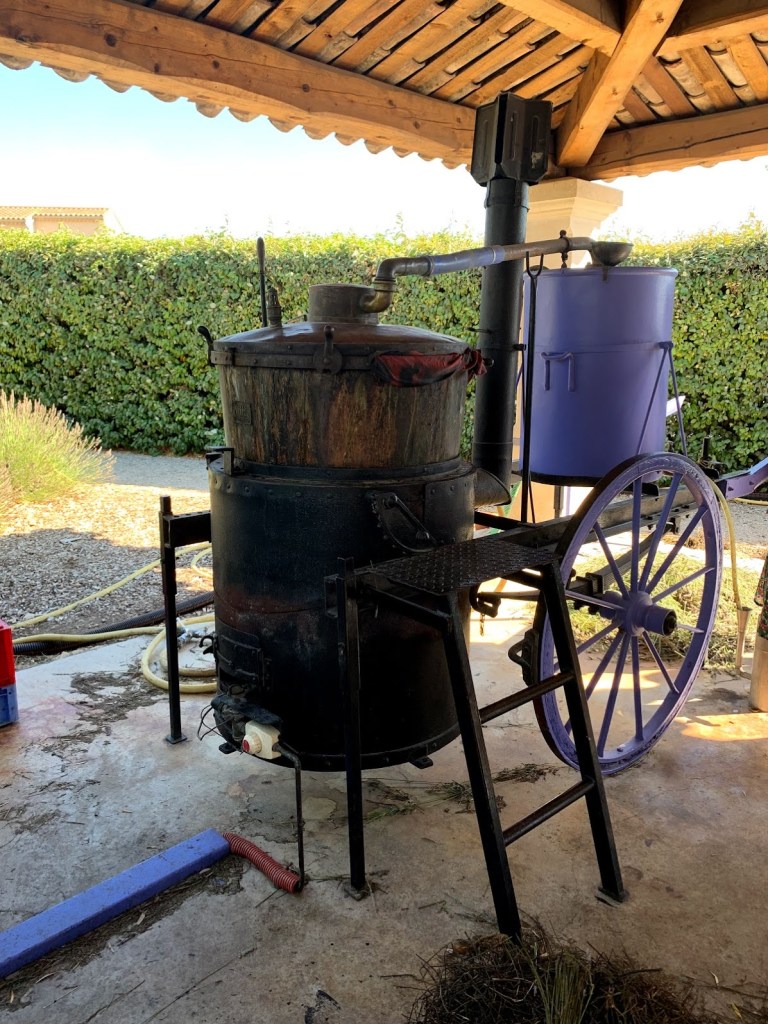
18th century still 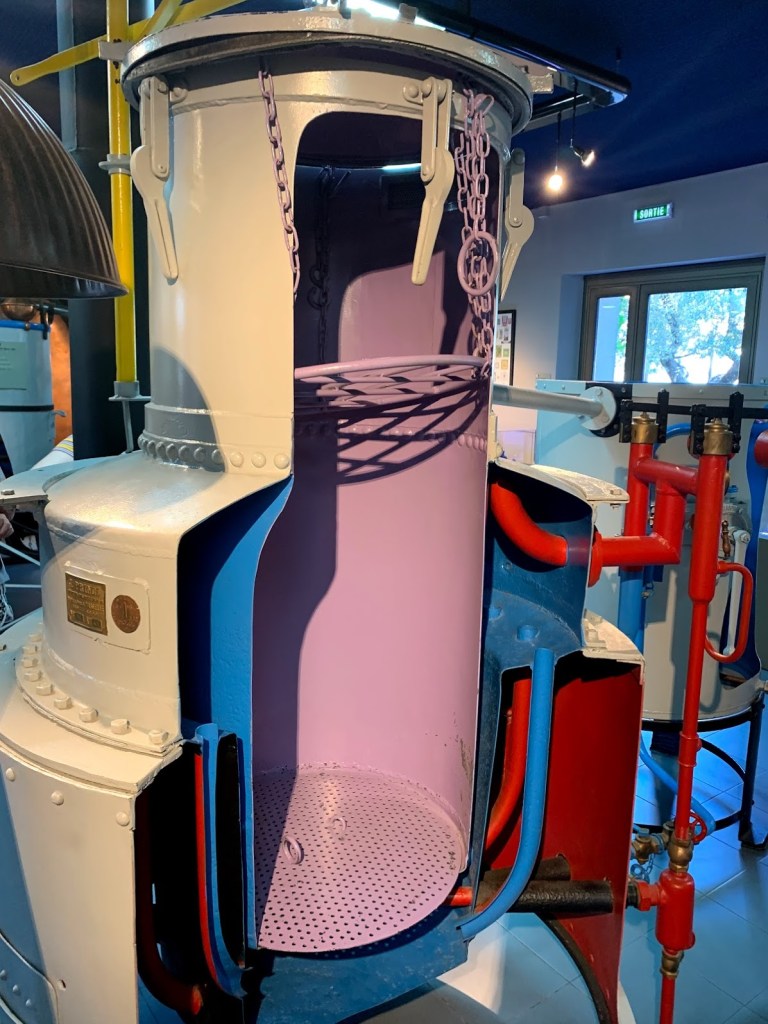
Still from the 1950’s 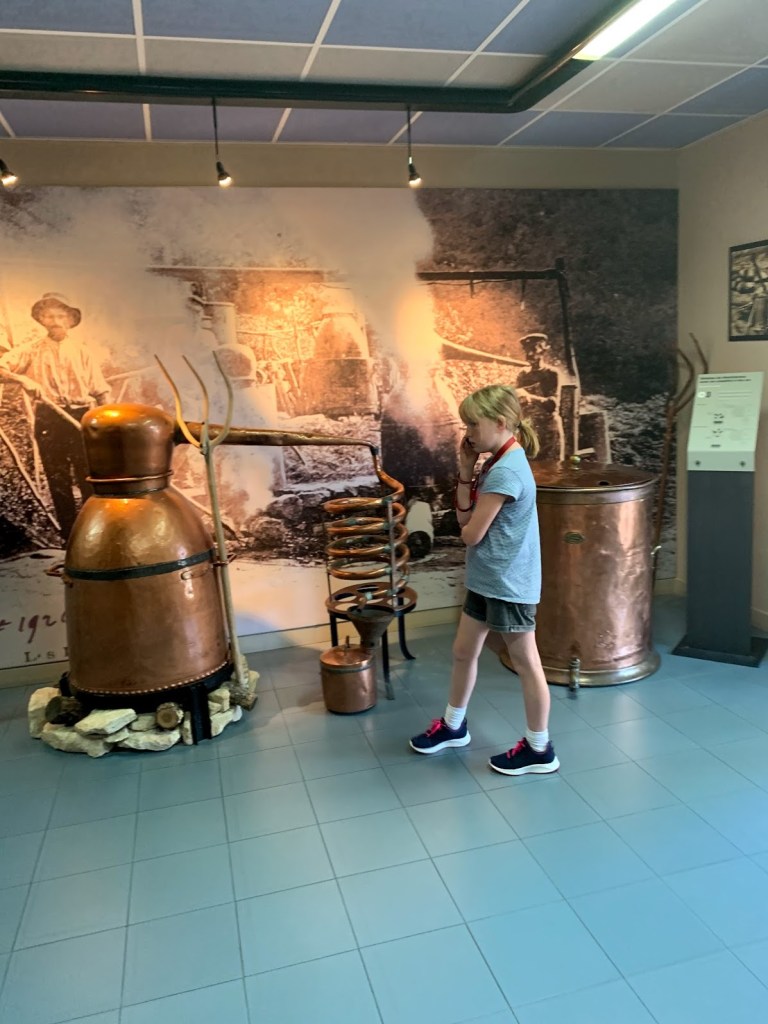
Faywen learning about the copper 19th century still
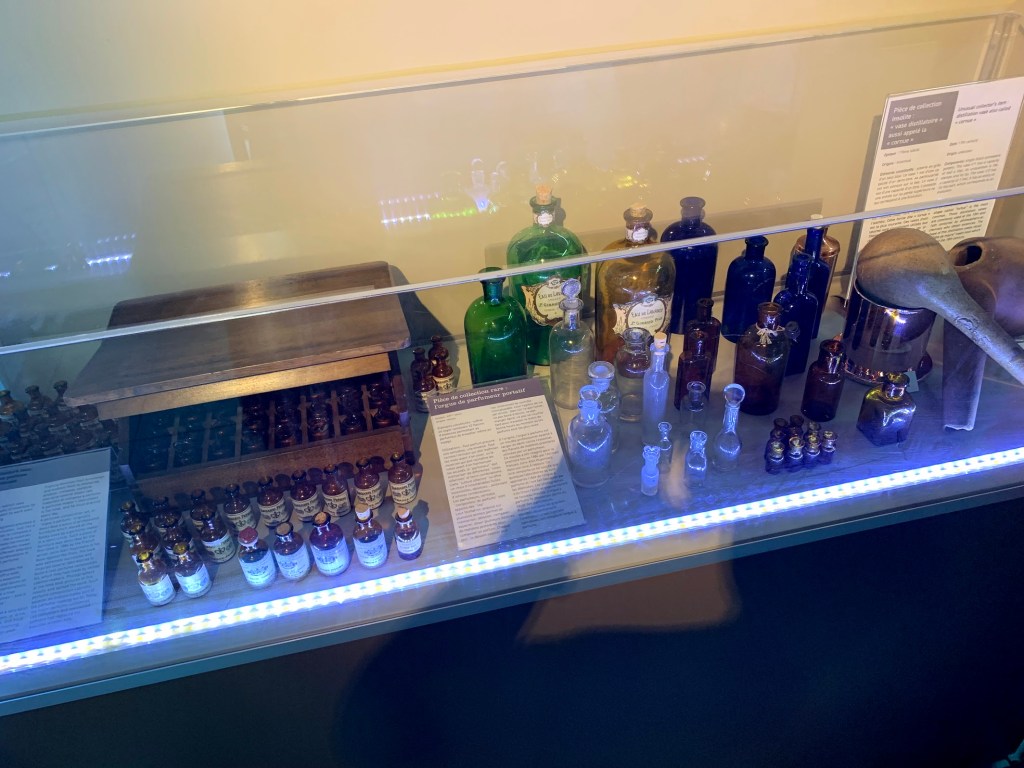
Lavender bottles 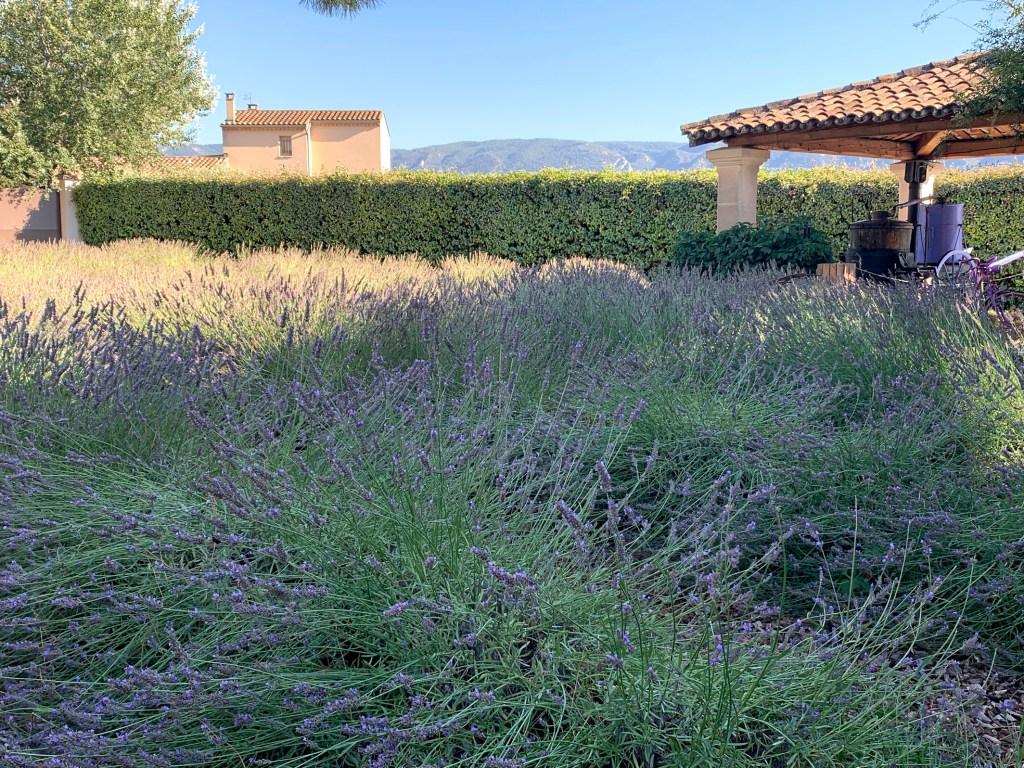
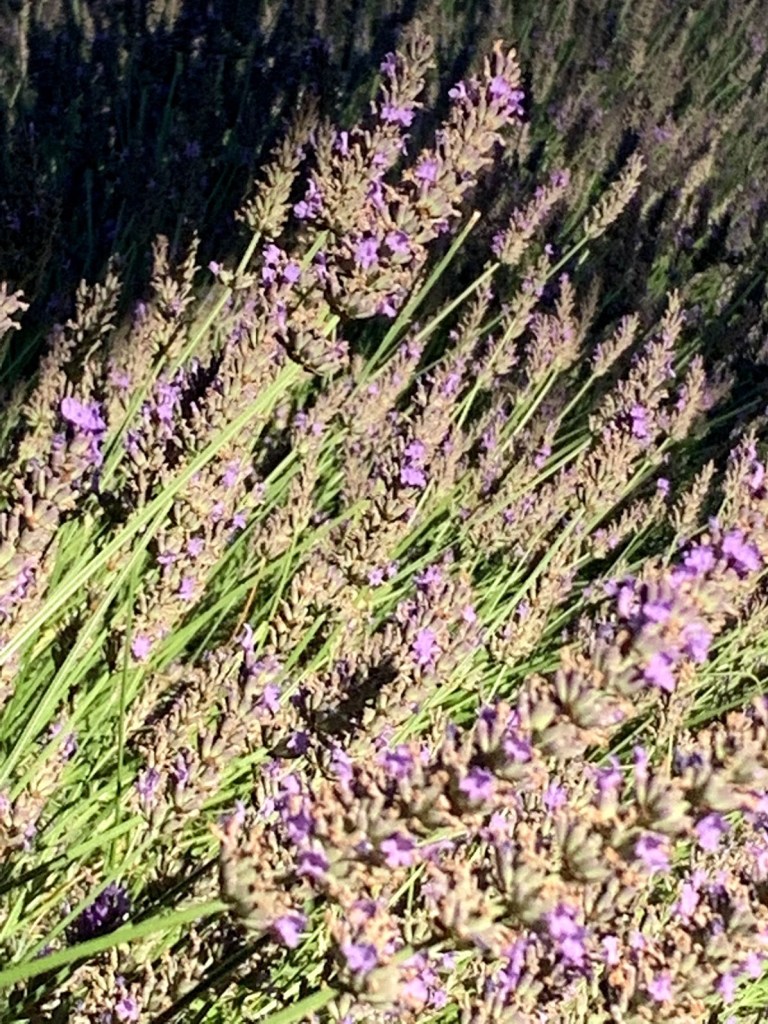
Lavender field outside the museum
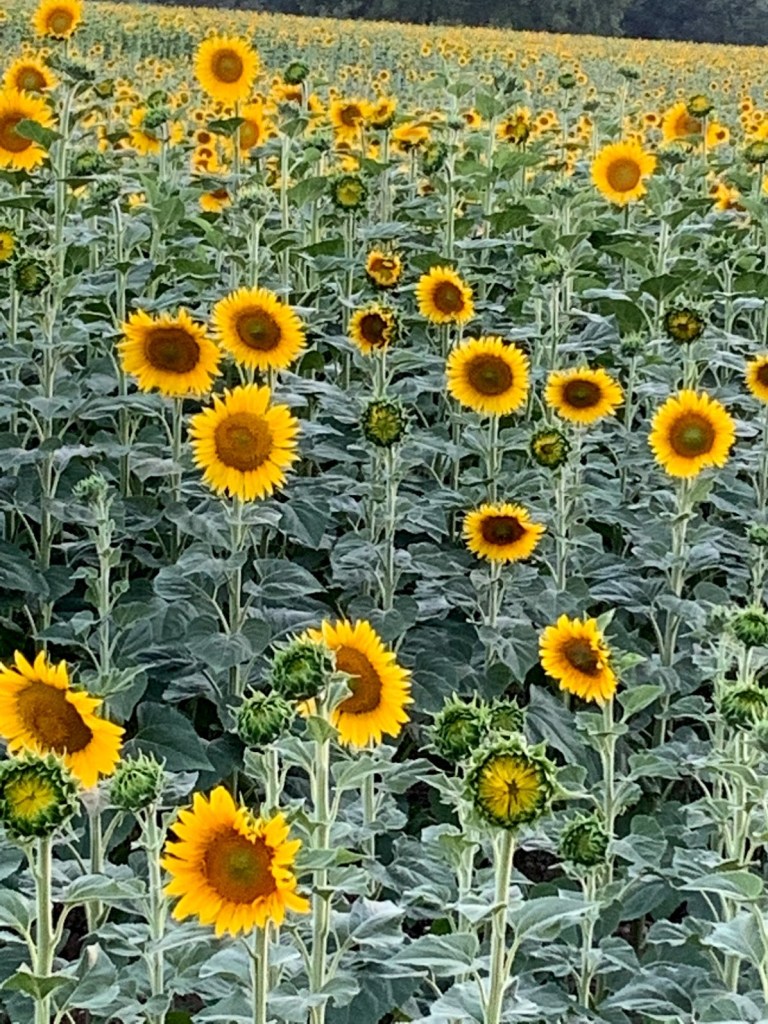
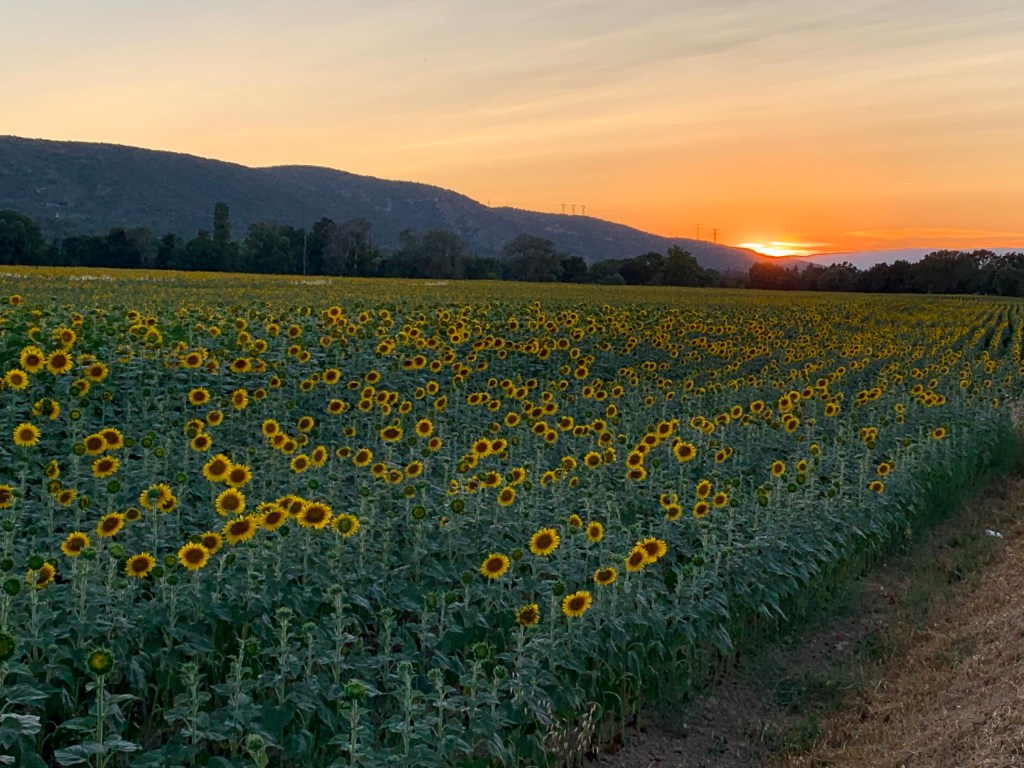
We arrived home late, but enjoyed the countryside by moonlight. Just as the sun was setting we stopped by a beautiful sunflower field. Words can’t describe the brilliant orange sunset casting an intense warm glow on the yellow sunflower petals catching the last nourishing rays of sunlight!
 Camellia's Travel Blog