Perfectly Pink Ville and Luscious Green Jardins

Ville Ephrussi de Rothschild
12 July 2019

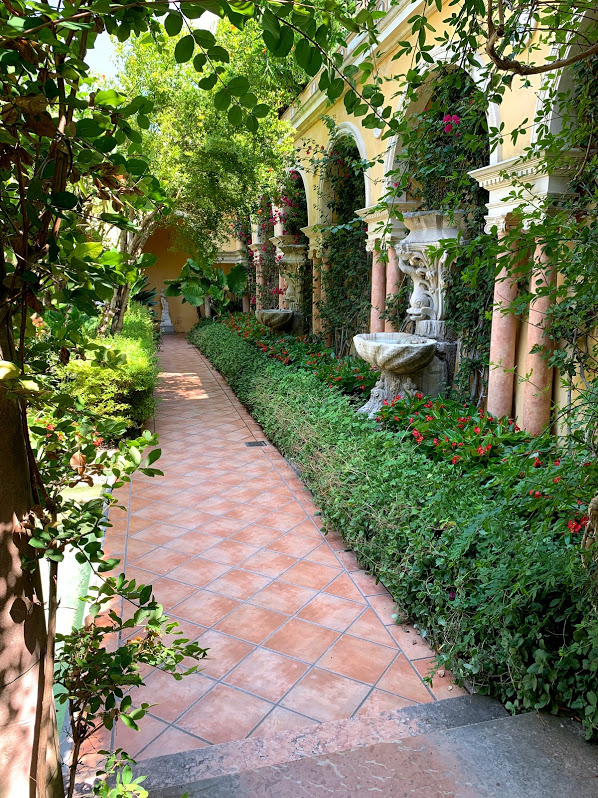
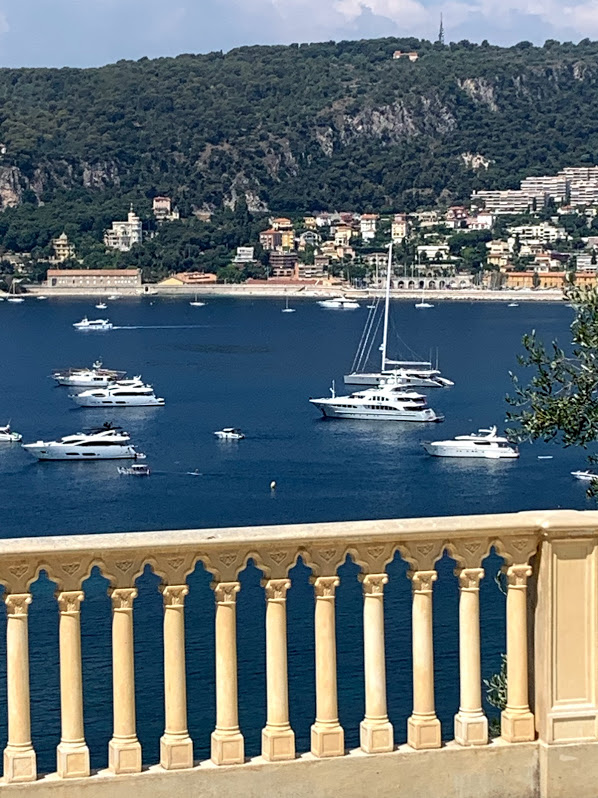
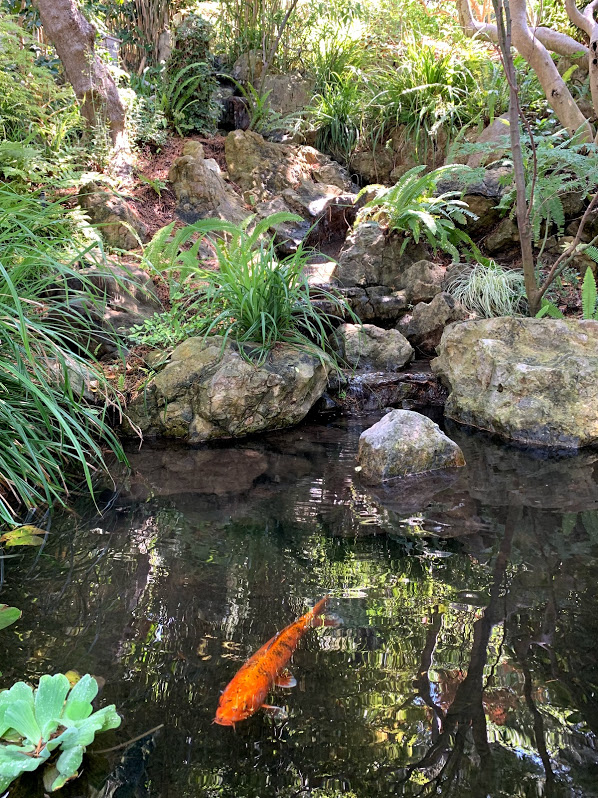
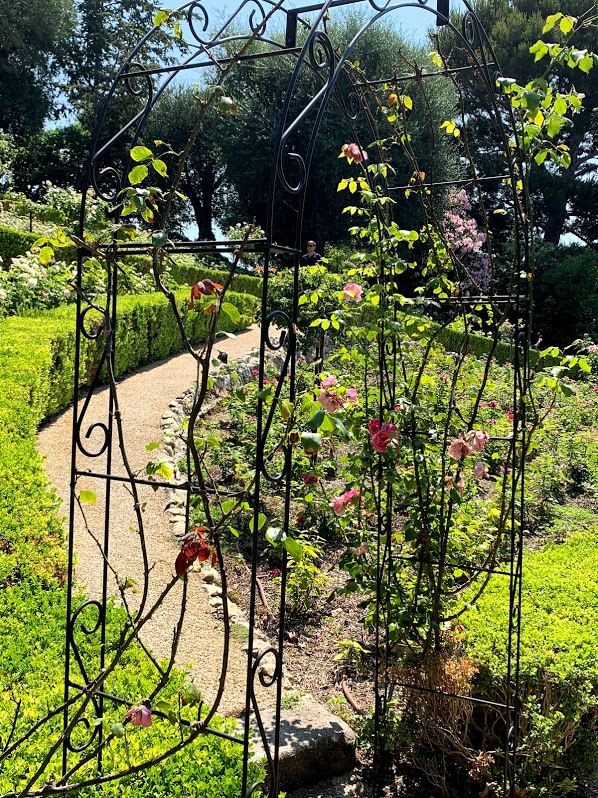
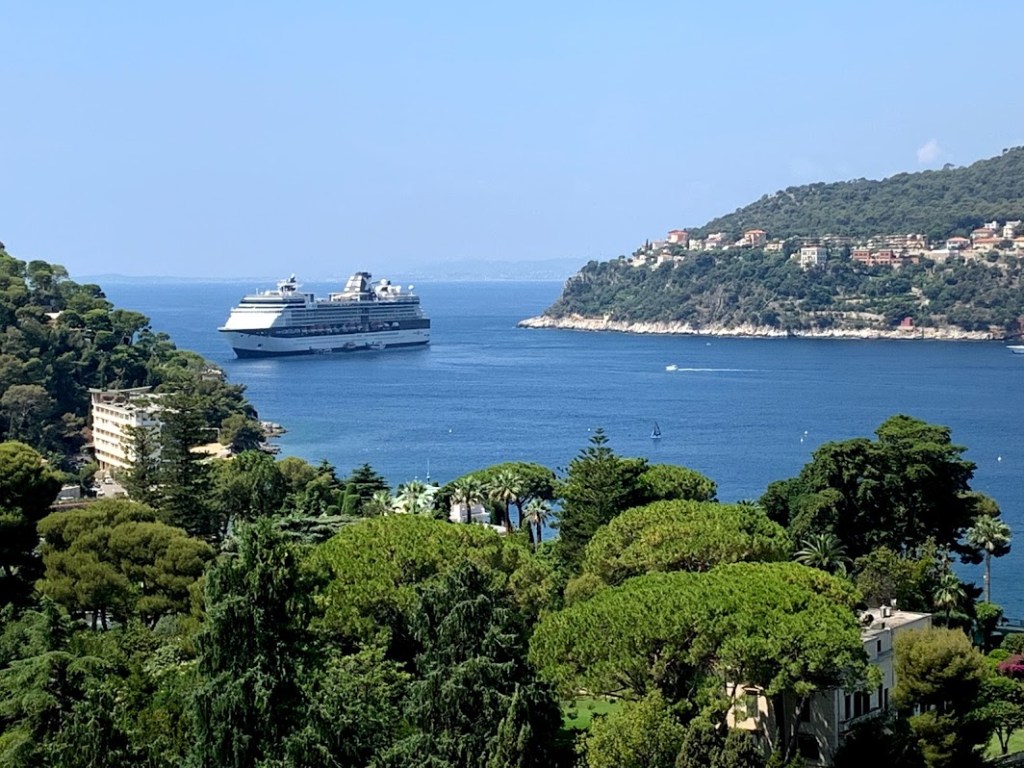
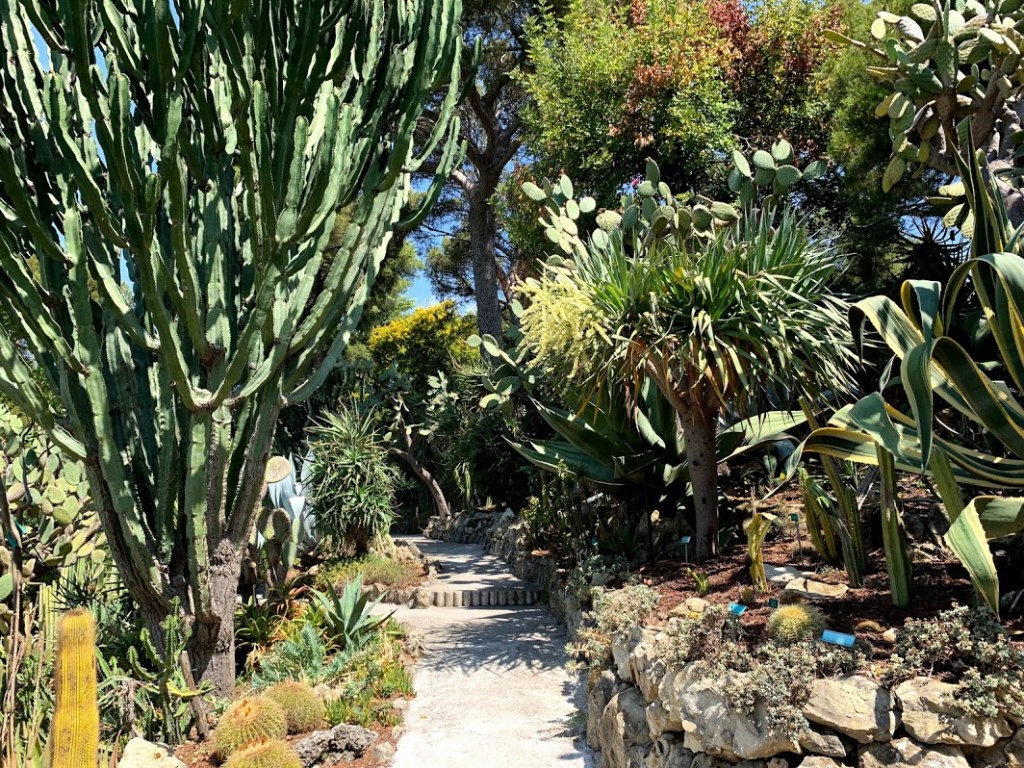
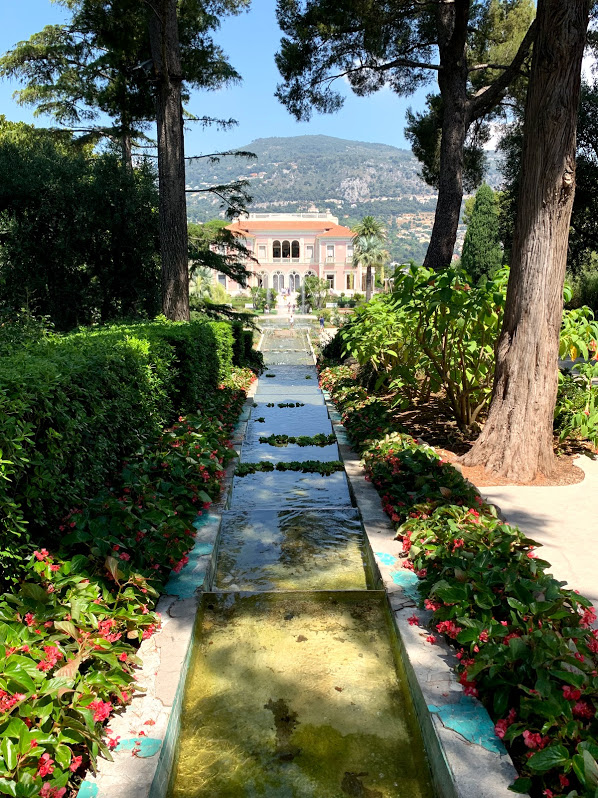
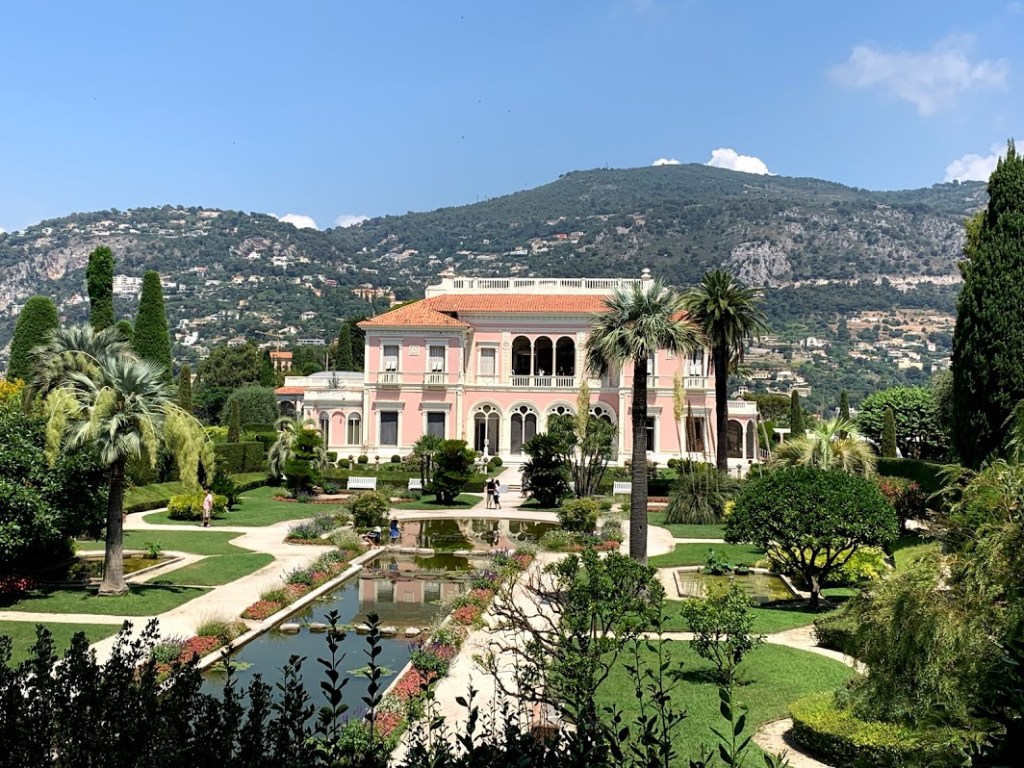
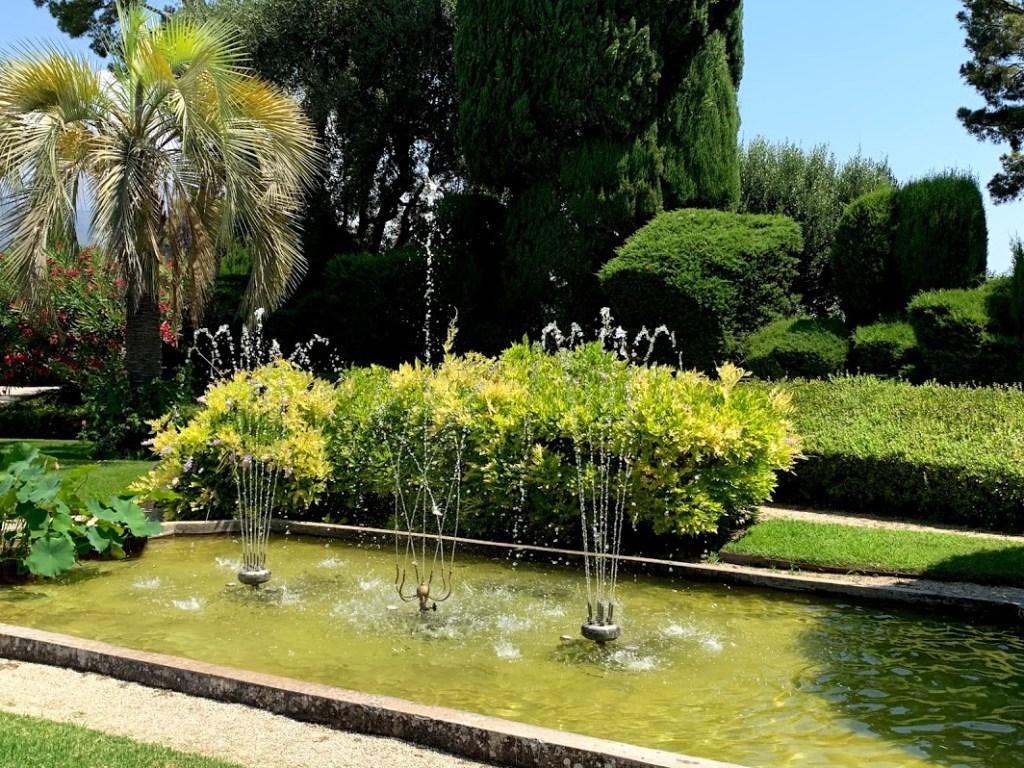
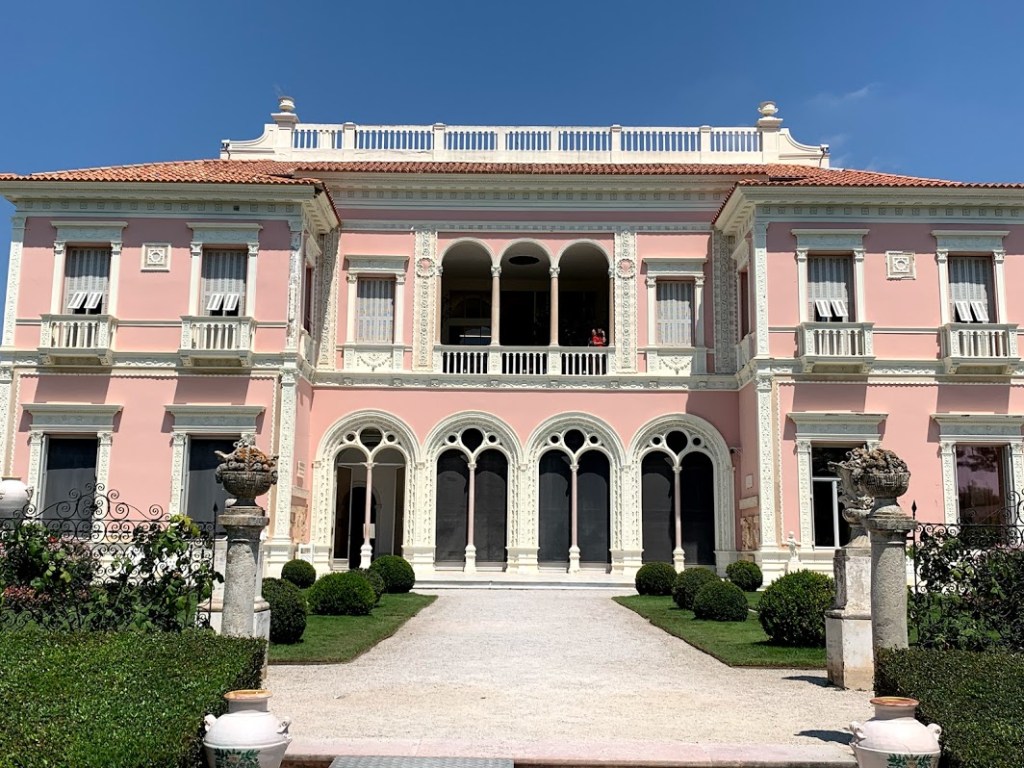
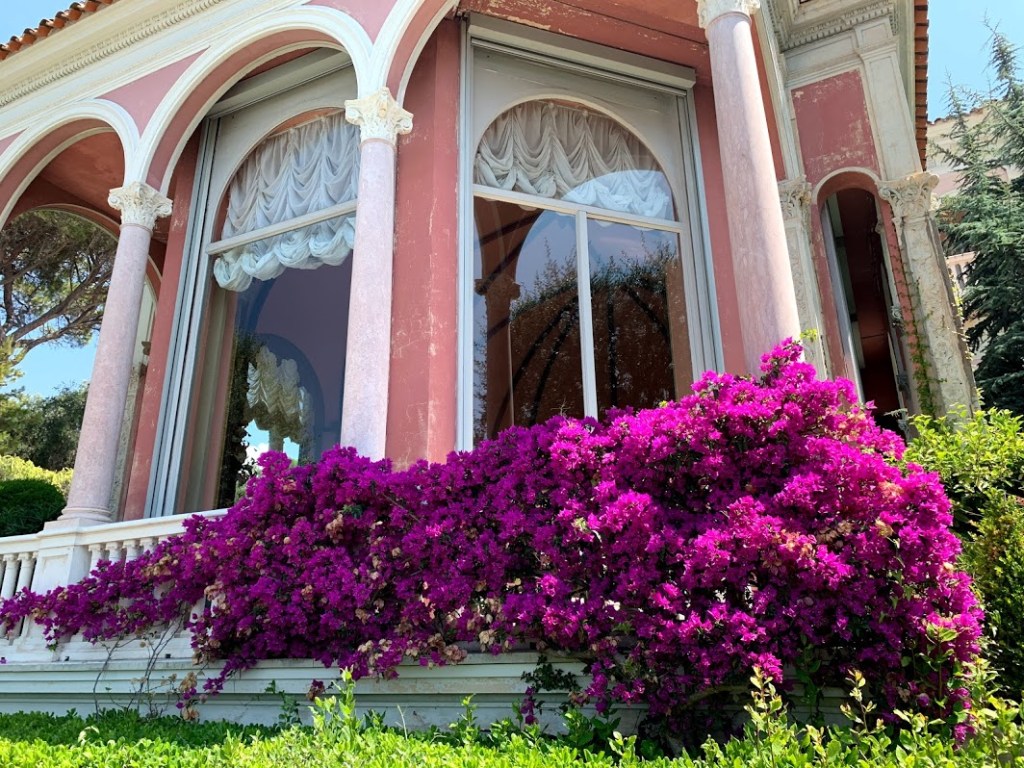
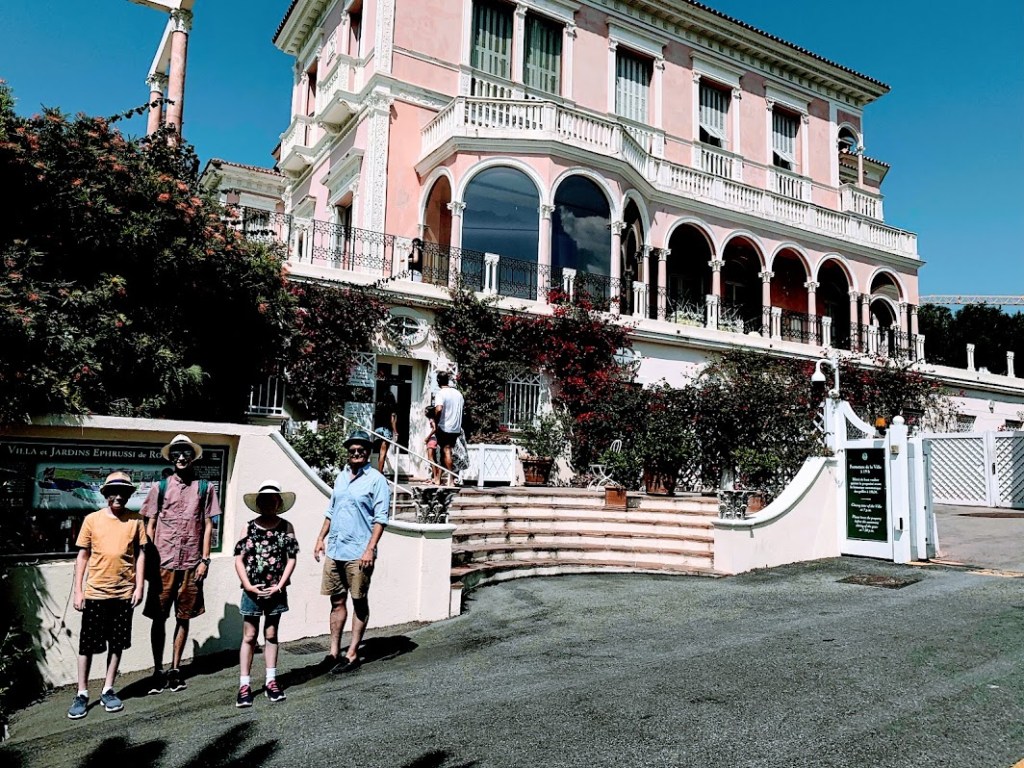
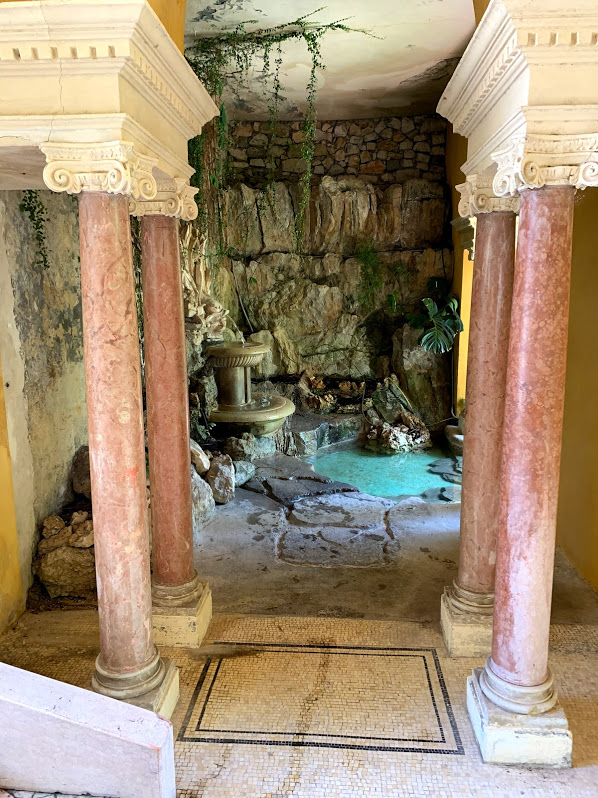
Once again we drove  towards the turquoise coast of the French Riviera. On a little peninsula sticking out of the coast near Nice, France is the little town of St. Jean Cap Ferrat. The jewel of this seaside town is the Ville Ephrussi de Rothschild. Built by Beatrice Ephrussi-Rothschild in 1906 . It is the epitome of Italian Rococo Riviera architecture. The two-story house of was built of pink marble, white marble, and trimmed in gold. It sits beautifully nestled on the point of the peninsula with views of the sea on three sides. The 9 Jardins, or gardens, are registered with the National French Botanical Society. Each of the nine gardens had a theme, ranging from Japanese, exotic tropical, to classical French. Our family enjoys strolling through gardens and these selections of gardens were some of the most exquisite and magical we’ve ever seen.  Hidden grottos, nooks with stone staircases, benches for siting and gazing, wild overgrown bamboo like forests, and two classical rose gardens met our eyes at every turn. Not to mention the stunning views of the harbor and ships bobbing up and down like little white toy boats on the turquoise sparkling waters.!
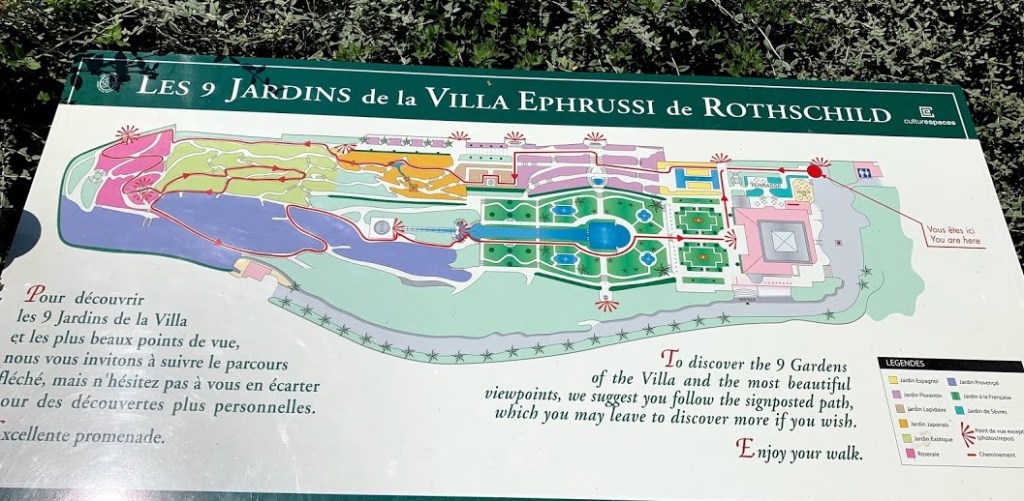
Map of the Jardins (Gardens)
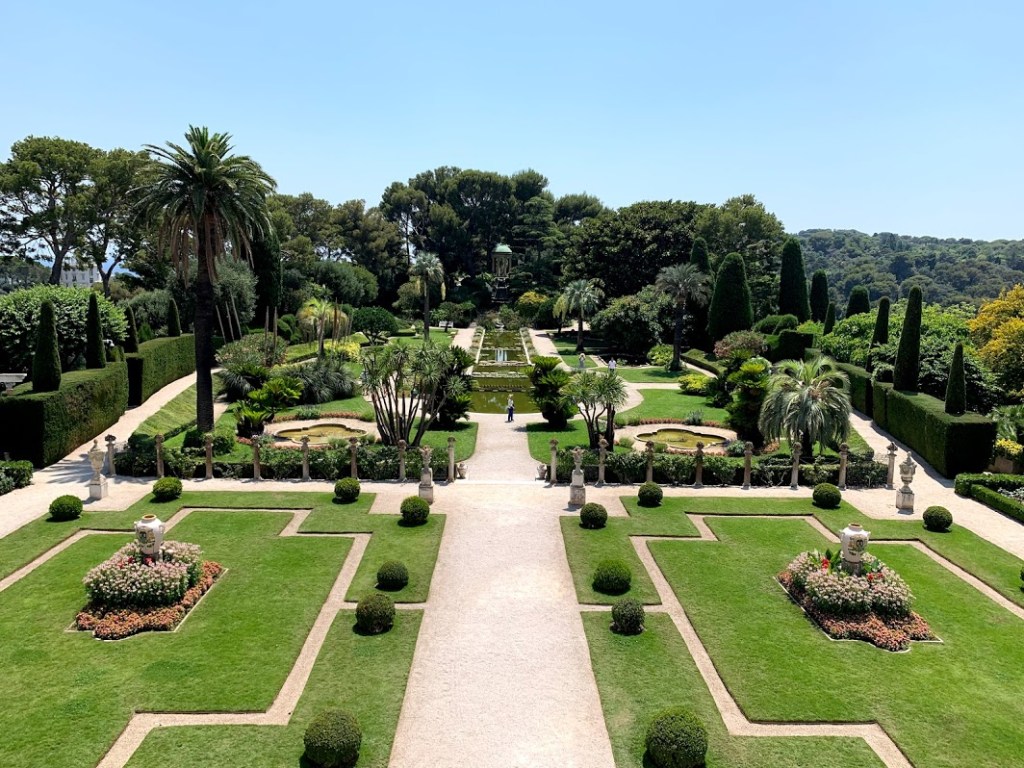
View from the Roman Gazebo down to the house
French Gardens
Beatrice loved purple and pink flowers

Inside the home was equally impressive. The square patio, which was really an indoor reception room, was the beginning point of our audio tour.  Beatrice Rothschild was the daughter of the famous banker Alfonso Rothschild. She married an Ephrussi banking heir, but was later separated and then widowed after 20 years. She was a classy, delightful, eccentric who collected fine are and furnishings including many that belonged to King Louis XVI and Marie Antoinette.
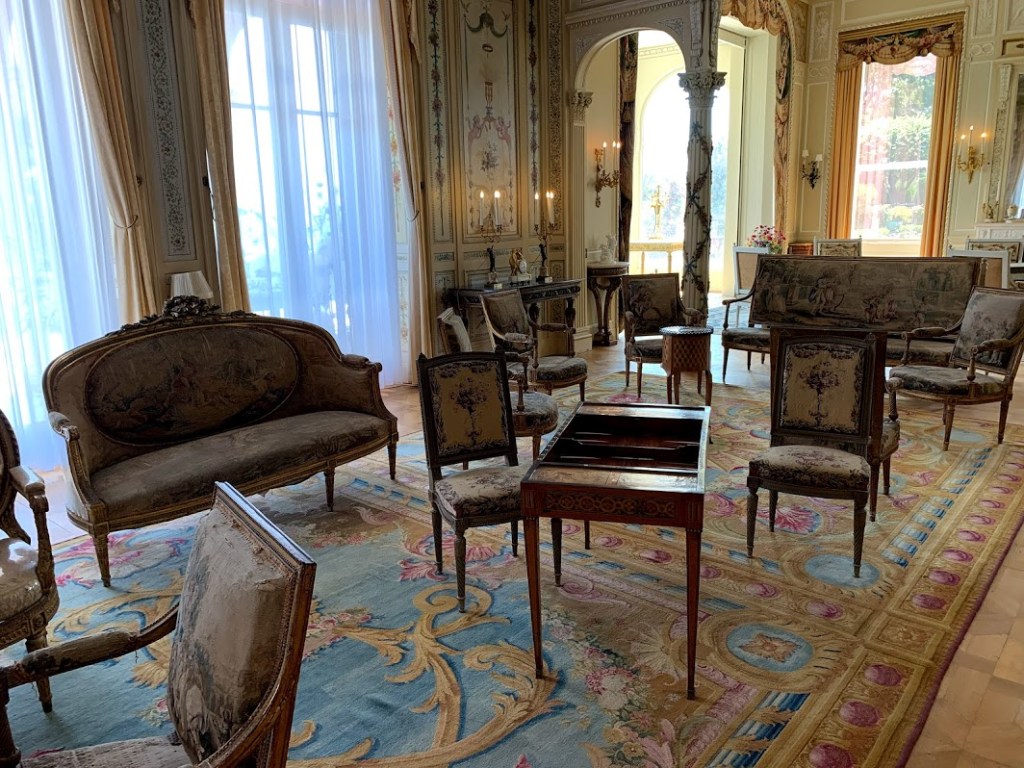
Main parlor
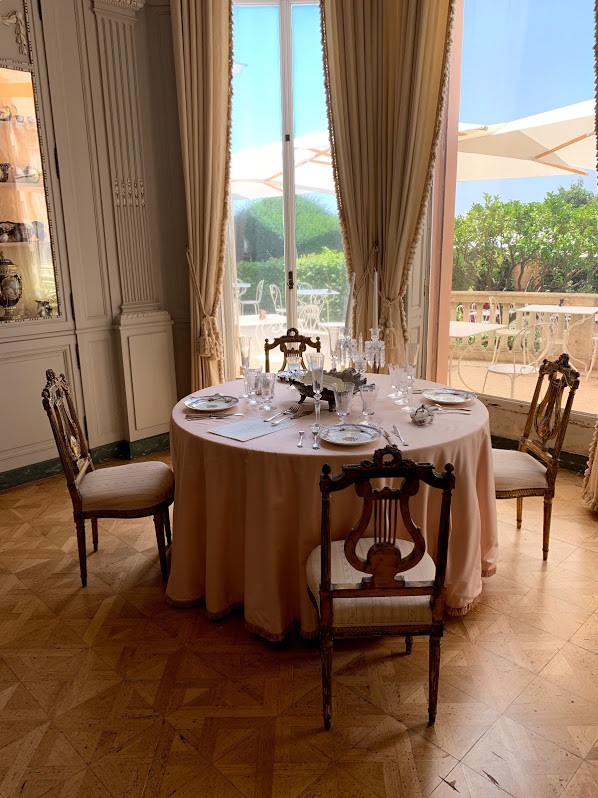
Dinning room
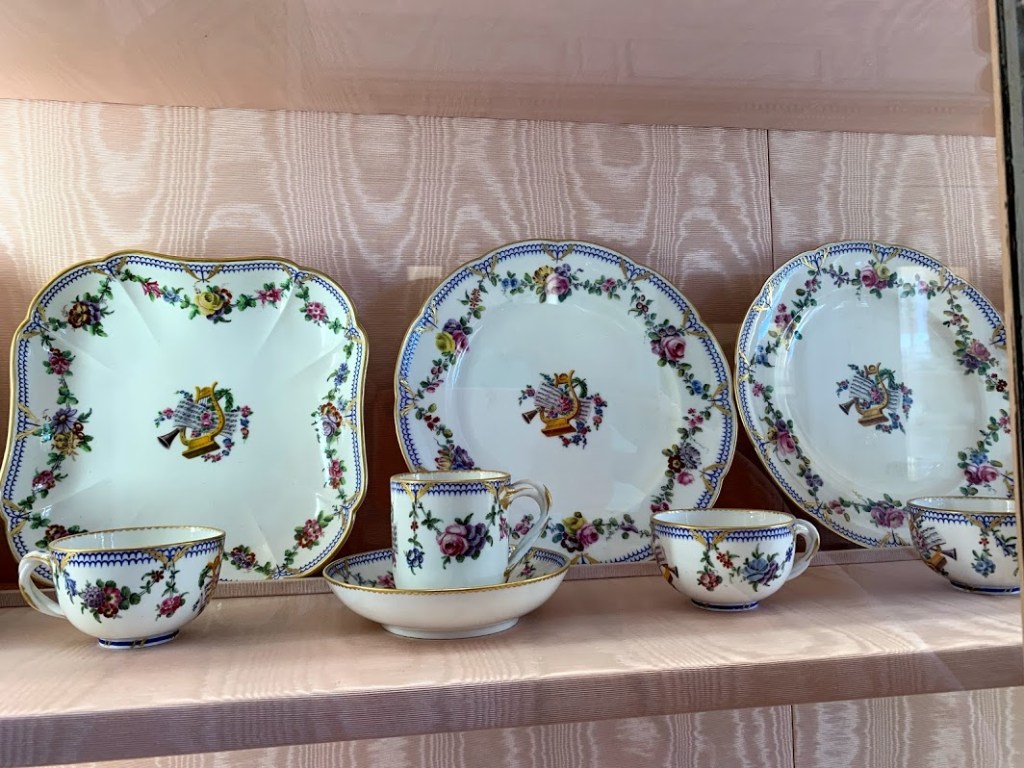
Beatrice loved china patterns. This pattern has musical scores on the plates. Each score is unique.

She loved animals and had dogs, gazelles, and a pet mongoose and monkey.  Her dog even had a wedding ceremony! The various rooms were appointed in classical 18th century French feminine style. The entire estate was a joy to visit!
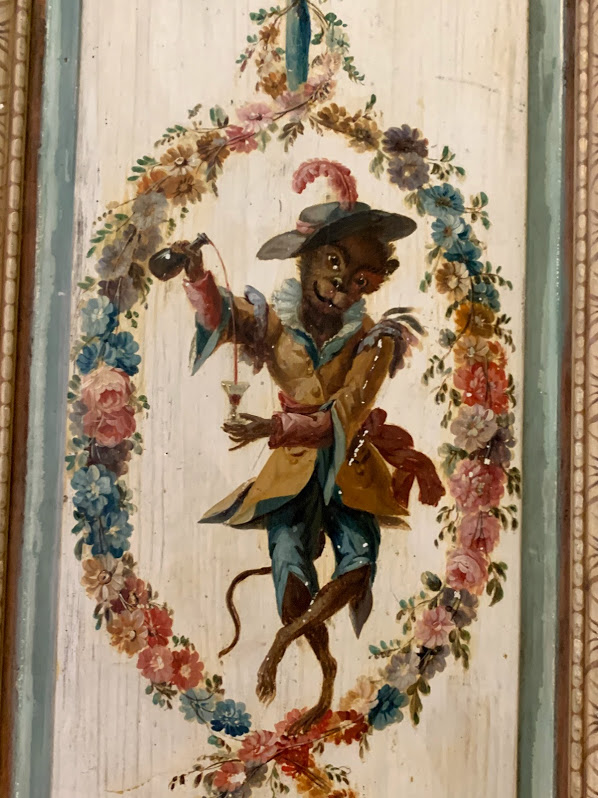
In a small anteroom there were dozens of whimsical monkeys painted on the walls.
View from the back balcony onto the French Gardens

Mid-afternoon and we drove 25 minutes to old town Nice, parked and walked a bit to a lovely café. It was a perfect summer day to sit outside in the shade drinking a glass of Rosé wine as a cool refreshing breeze gently blew across our faces.

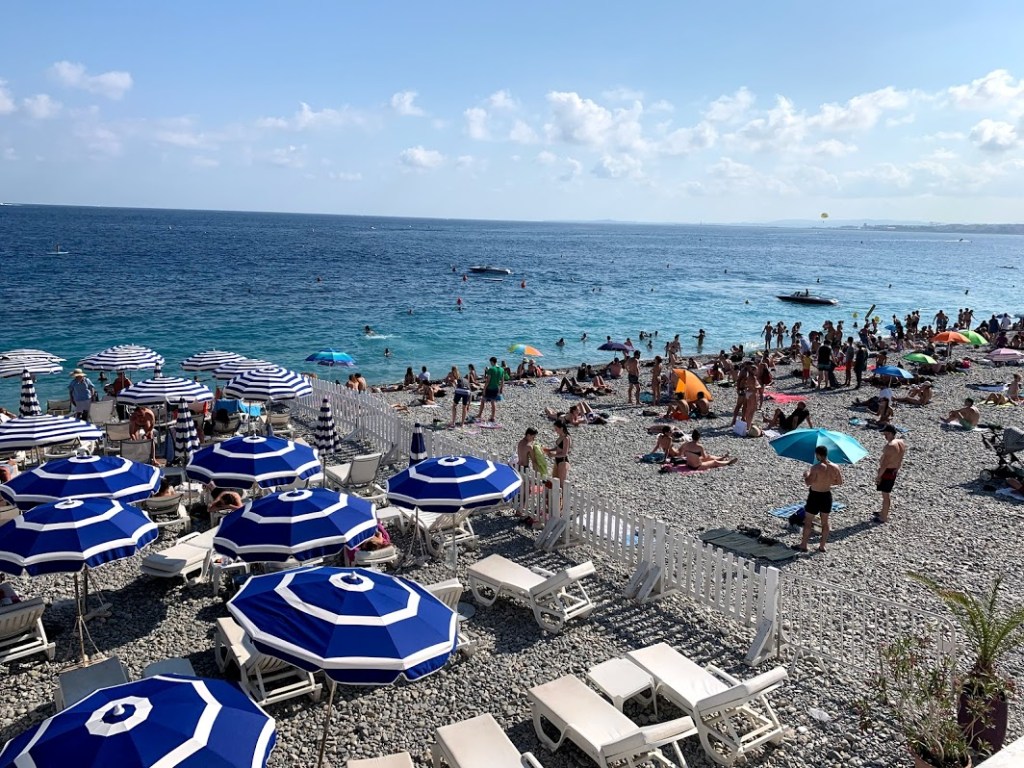
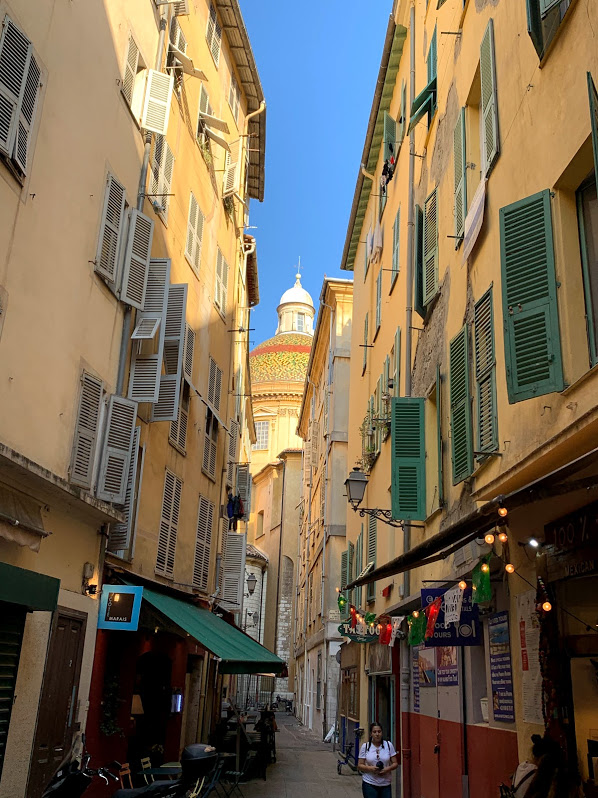
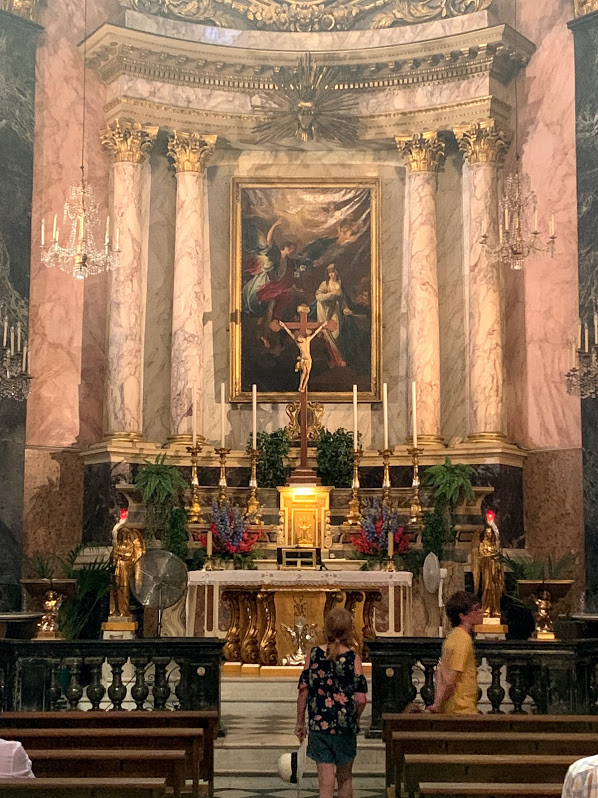
We then meandered around old town to shop, eat gelato, and take in the Mediterranean stucco architecture buildings painted in warm orange, creams, with pops of blue, green, and reds. We even rested a bit inside St. Rita’s Church after walking along a portion of the Promenade de Anglais, the boardwalk along the rocky, pebbly beaches. The Friday night life was getting into full swing as we passed through the outdoor market where I Purchase a pretty lavender/olive themed tablecloth.
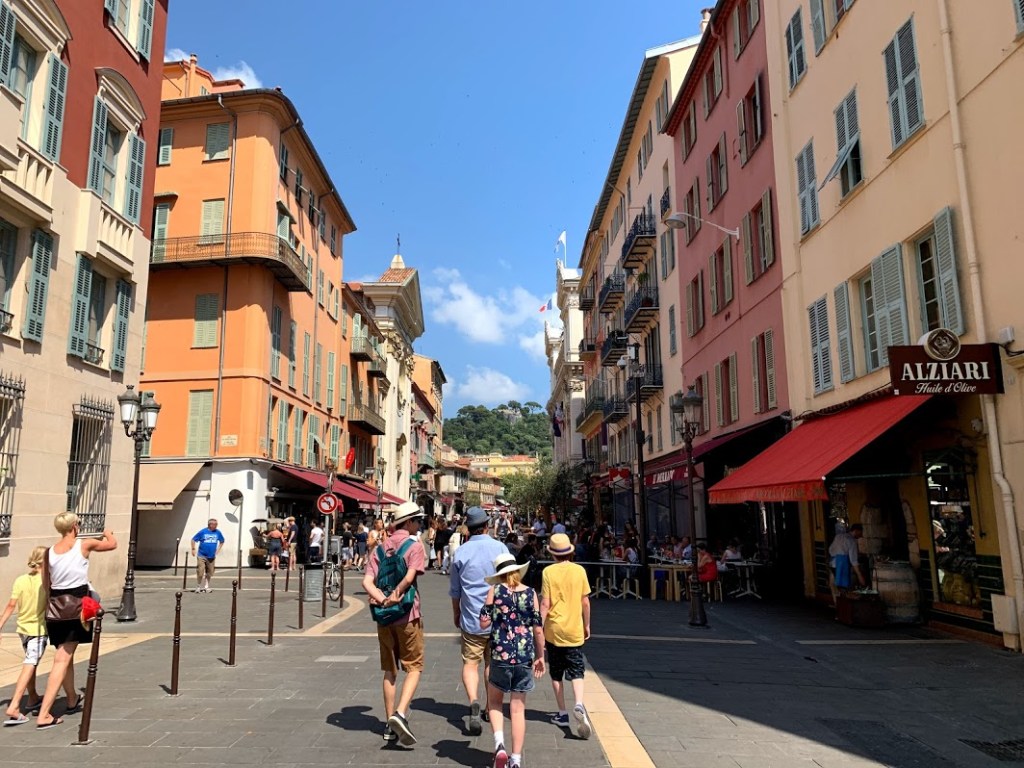
Old Town Nice, France
The Promenade de Anglais in Nice is rocky, but folks still love swimming in the Mediterranean Sea!
Evening light cast on a quaint street in Nice

On the way back to the farmhouse, the sat nav took us along country roads, instead of the motorway. It was a lovely way to end our time in the Provence de cote-Azur region of France!
Giant Trebuchets!

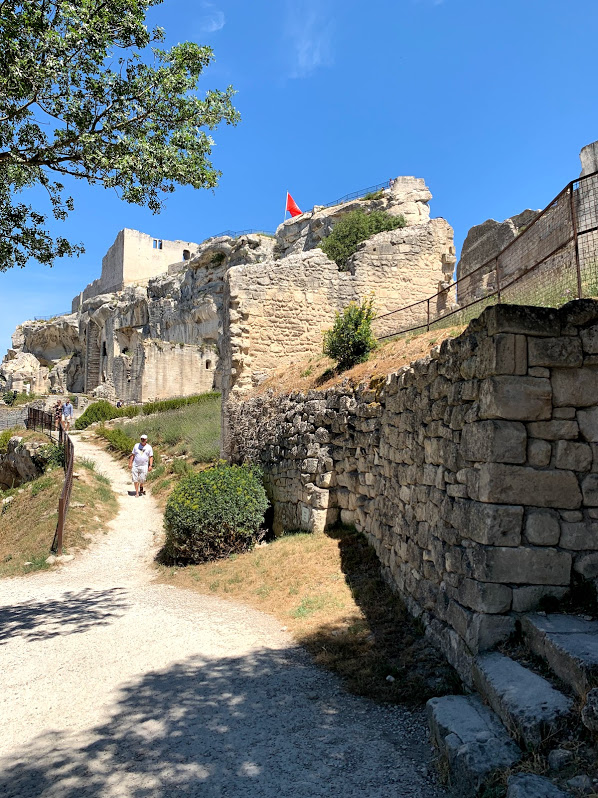
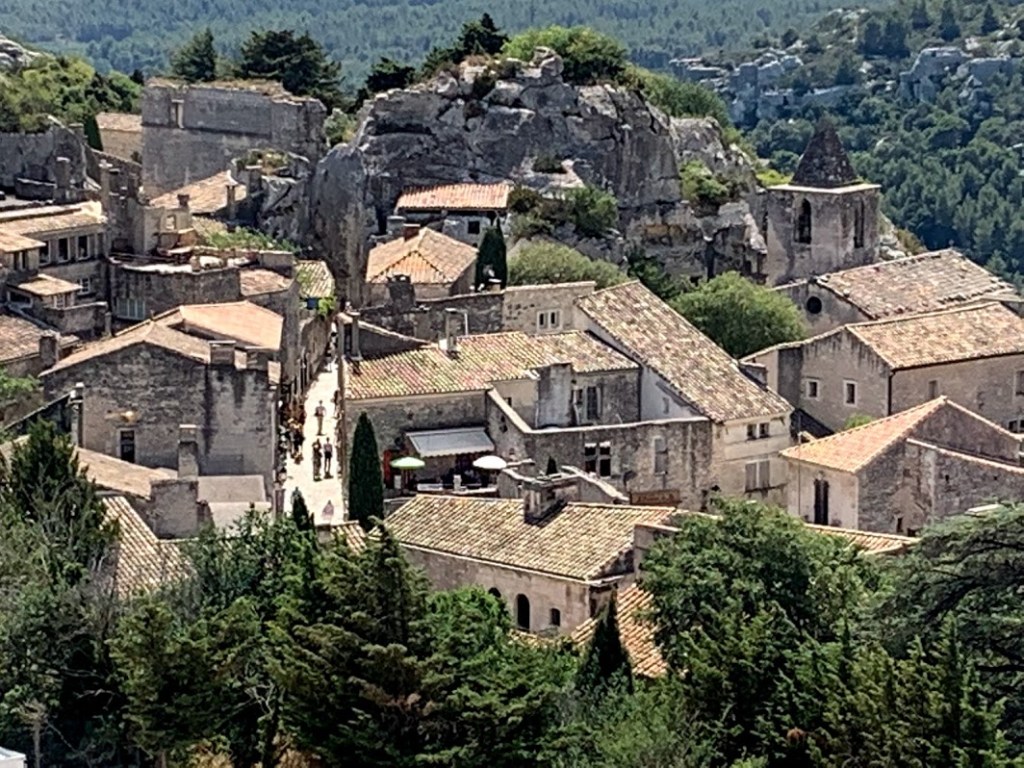
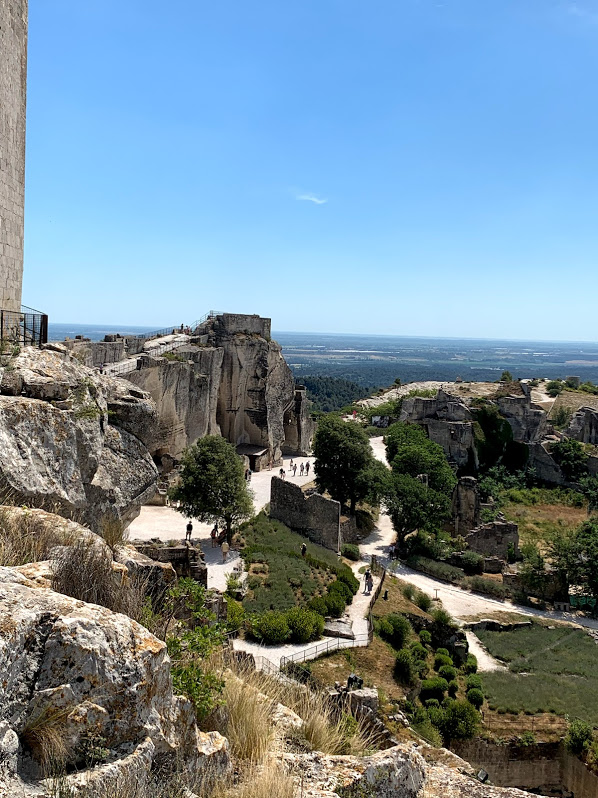
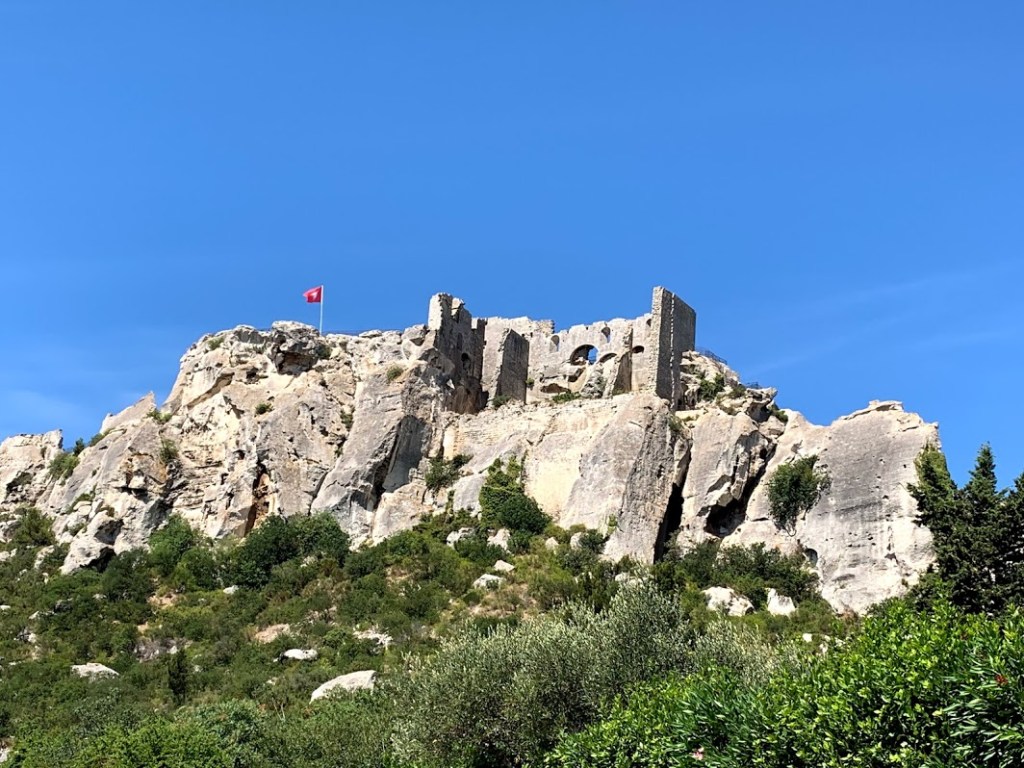
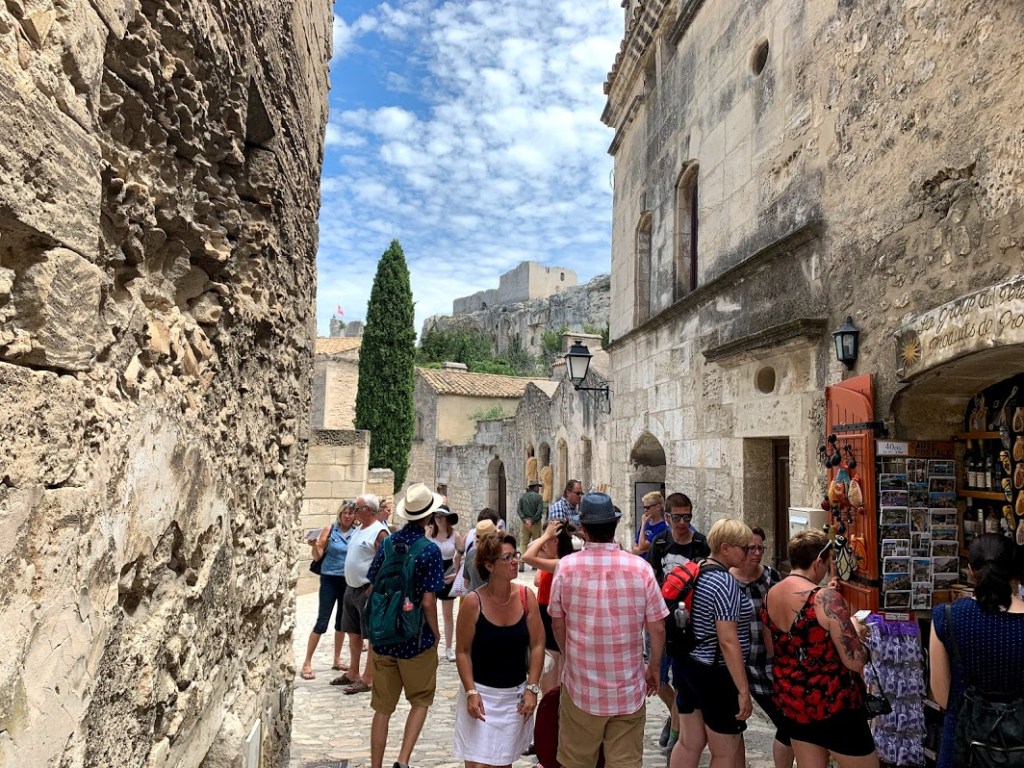
Heading directly west for 2 hours brought us to the quaint village of Le Beaux de Provence.  The old town sits on top of a limestone hill. The cobblestone streets would uphill and contained charming stone facades with blue and red shutters. After winding our way through the narrow streets we reached the Chateau Le Beaux a 13th -17th century fortress.

Le Beaux de Provence
11 July 2019
The old medieval streets of Le Beaux

Before entering the Chateau, we stopped and had a delightful lunch in a café courtyard that was cut out of a cave. It was probably once and old niche for livestock and you could see the old hayloft floor beam holes in the stone.

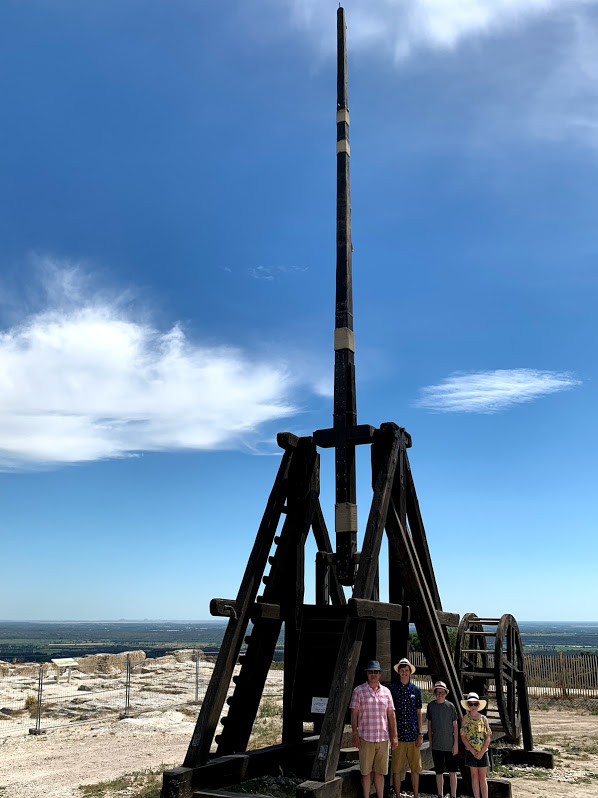
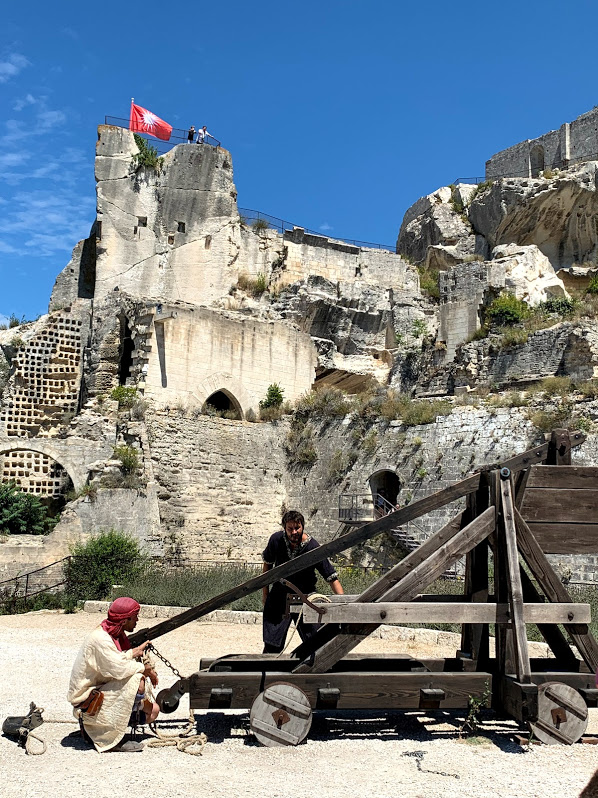
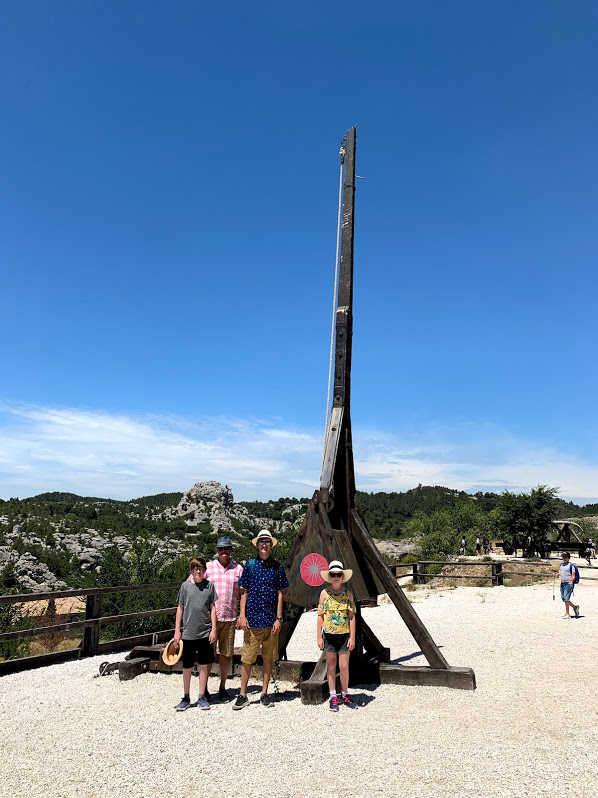
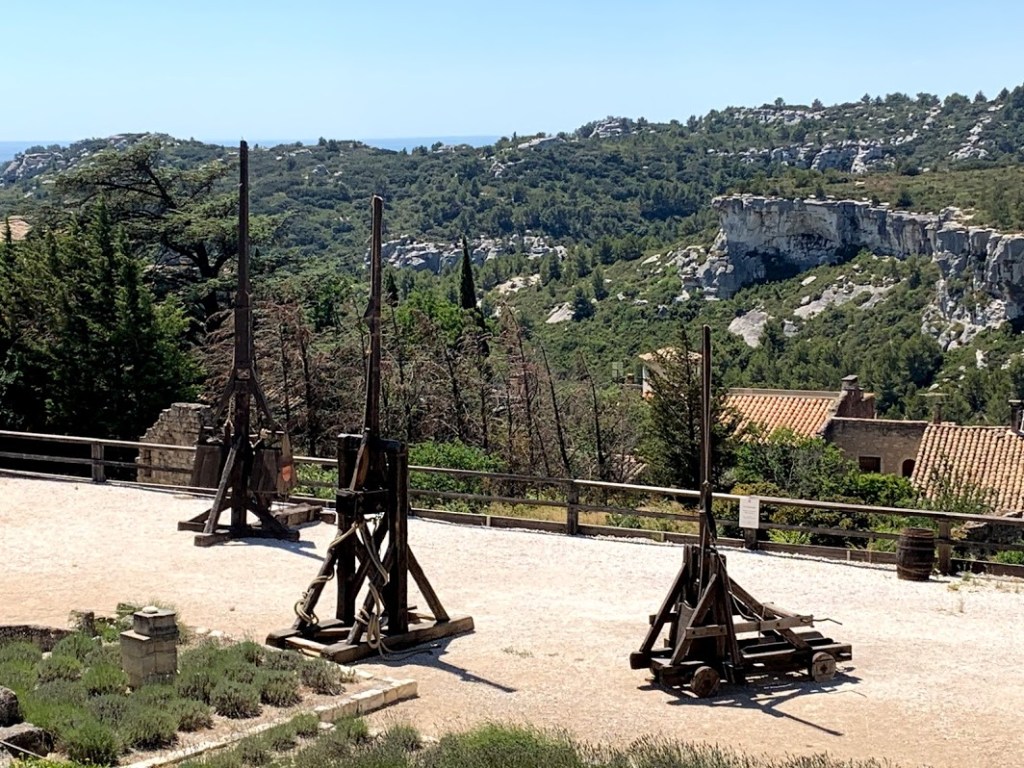
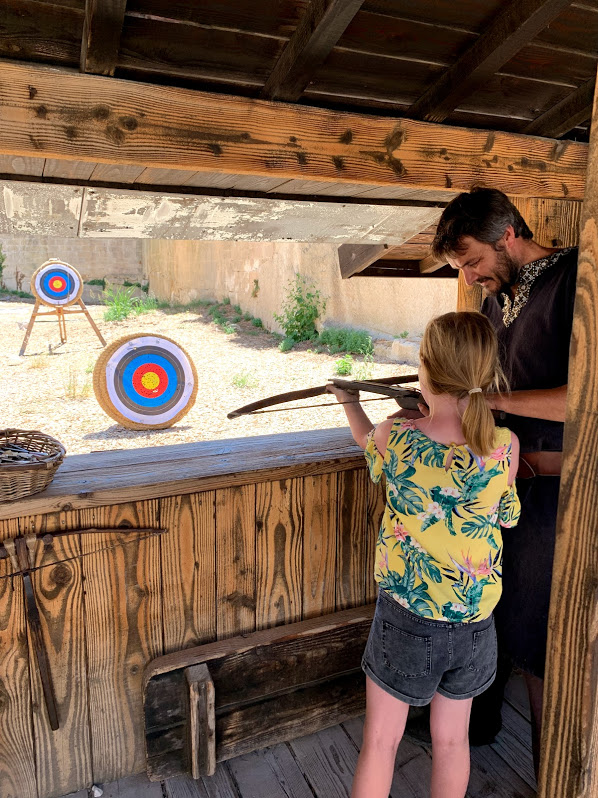
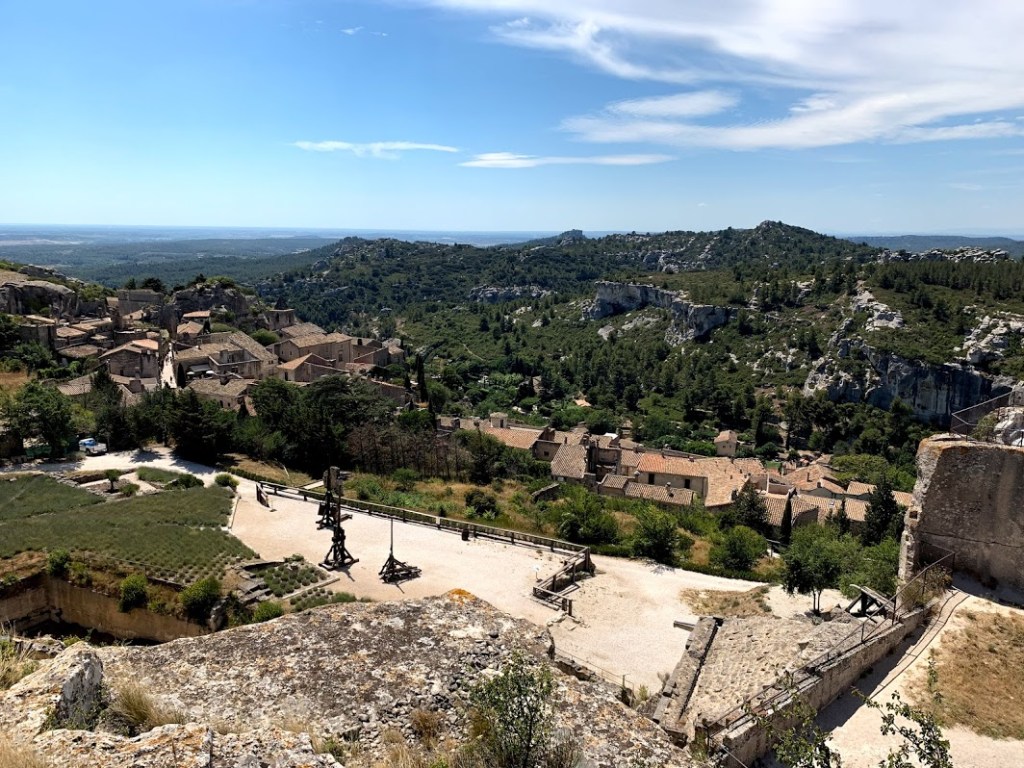
The Chateau perched high on the hilltop glittered in the brilliant sunshine. At times the while limestone was blinding to look at. We arrived just in time to see a trebuchet demonstration. There were three different styles of trebuchet in the courtyard. The re-enactors used large styrofoam balls and launched them from two different trebuchets! It was a treat for us to see a real French trebuchet being shot in an old ruined French Castle! We built our own trebuchet about 2 years ago.

Le Beaux has the second largest working trebuchet in the world. The first is located in Warwick England.
The re-enactors demonstrated the power of the trebuchet by launching the two different models on the left.

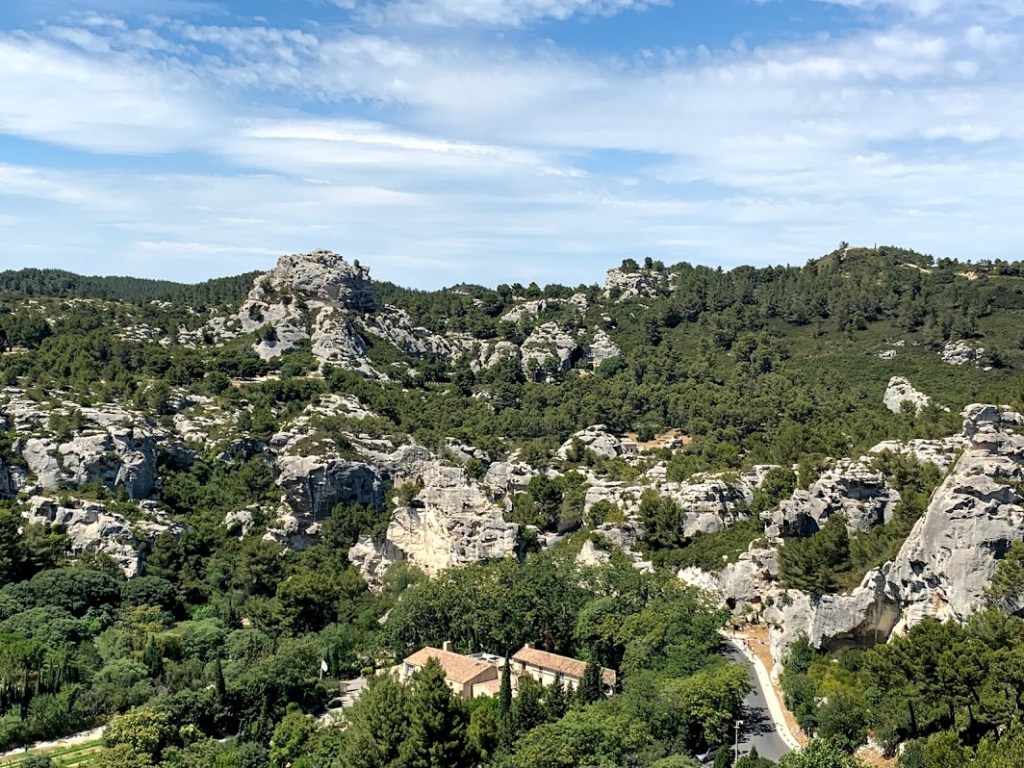
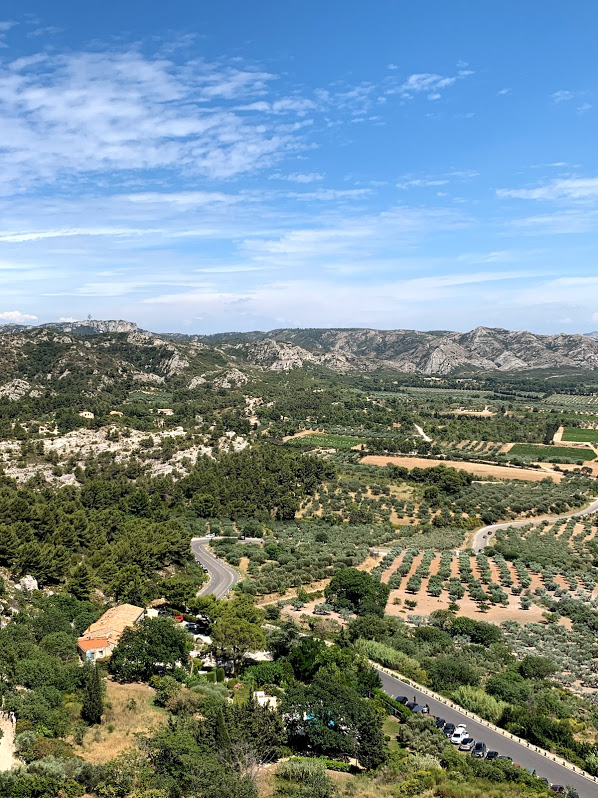
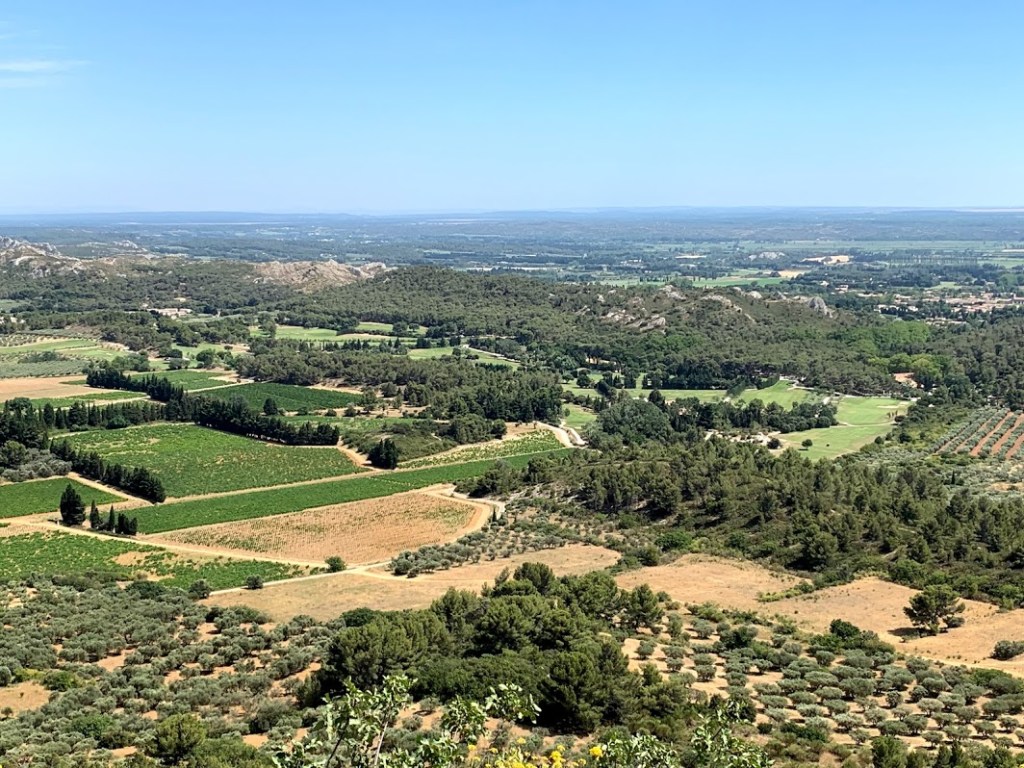
After the demonstration we meandered around exploring the various rooms and towers. We climbed the rubble stairs and were treated to an amazing view of the surrounding valley and farmland. Dante was inspired to write the “Hell” section of the “Divine Comedy” after visiting Chateau Le Beaux. The gnarly limestone cliffs reminded him of twisted souls. However in stark contrast the farmlands looked like a green and yellow patchwork quilt.

Bright limestone walls of Chateau Le Beaux
The white twisted limestone cliffs that inspired Dante
Farmland in the valley below the Chateau
Another view of the farmlands that are primarily olive orchards
In this photo you can really see how the Chateau was built over centuries into the limestone cliff face

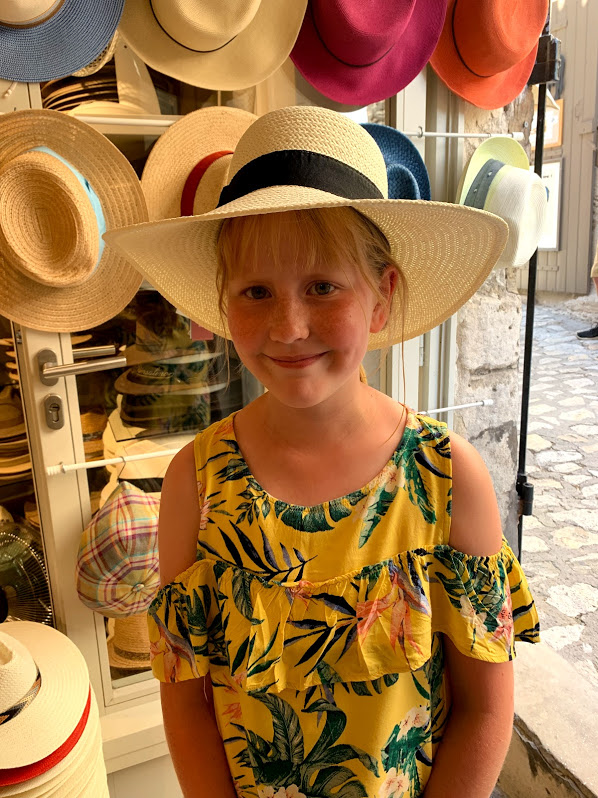
We stopped and did a bit of shopping as we walked back downhill. We found some lovely French made pottery and ate yummy gelato! Faywen and I both found lovely new sun hats at a local milliner’s shop. Gerand was very kind and took his time helping us find hats. He was particularly smitten with Faywen. He said it’s not often he has such well-mannered children with good taste in his shop!

Mademoiselle Faywen in her new chapeau

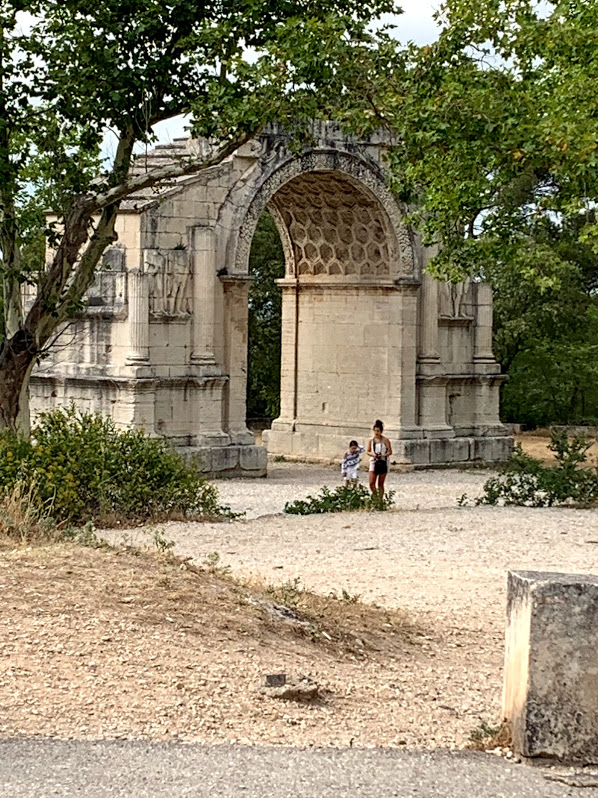
Our drive home took us through St. Remy where Vincent VanGogh stayed a year and painted his famous “Starry Nights”. We also drove by the ancient roman ruins at Glanum and viewed the Roman Arch.

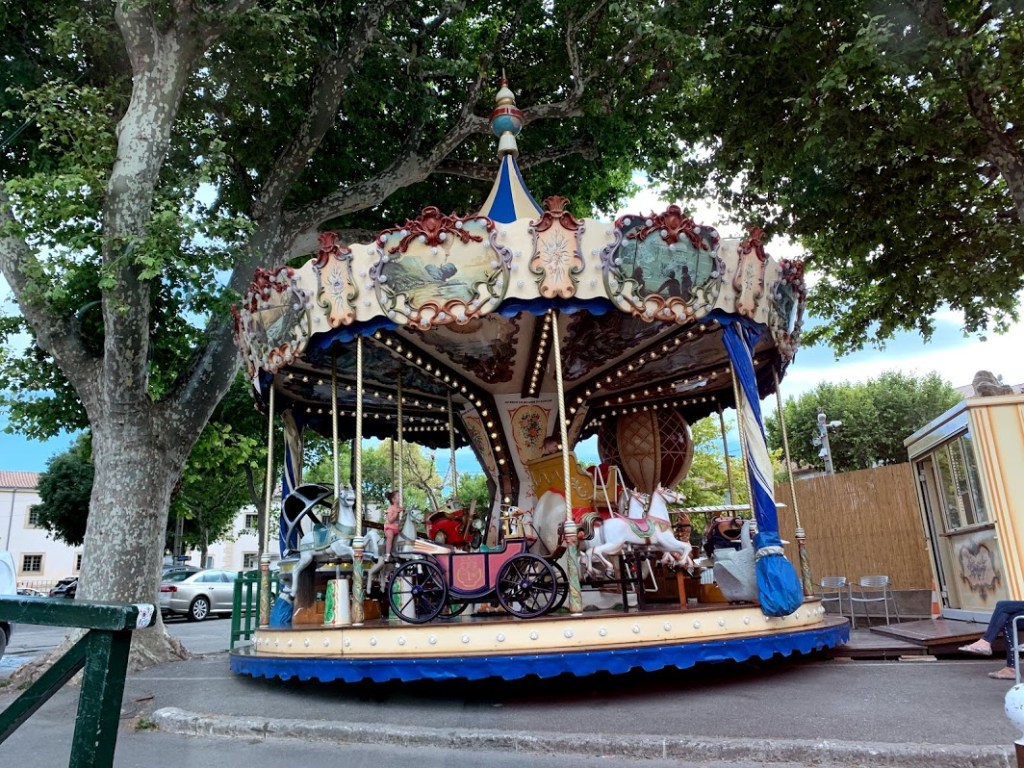
This beautiful carousel sat in the main town square in St. Remy
Glanum Roman Arch

The Heart of Provence

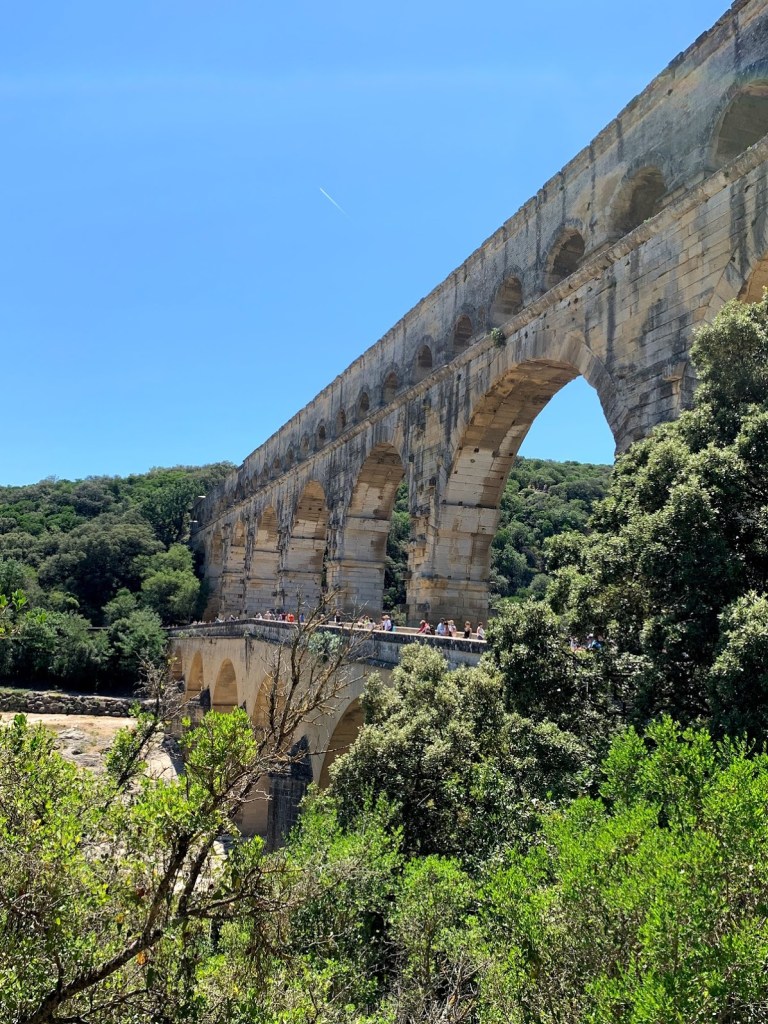
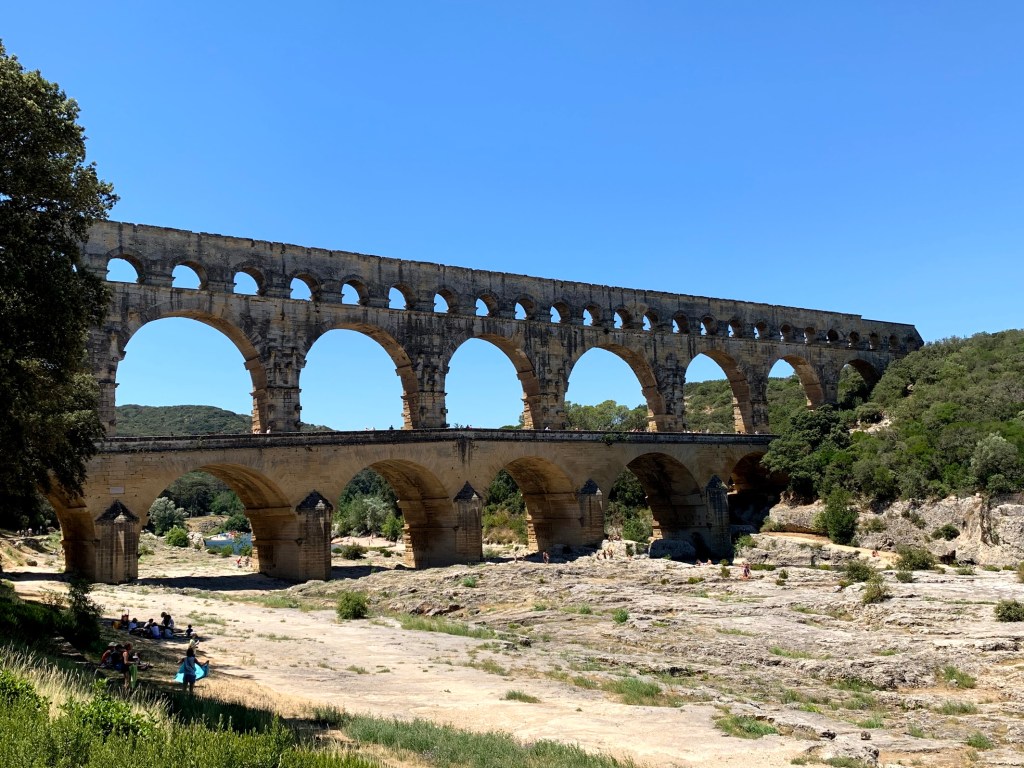
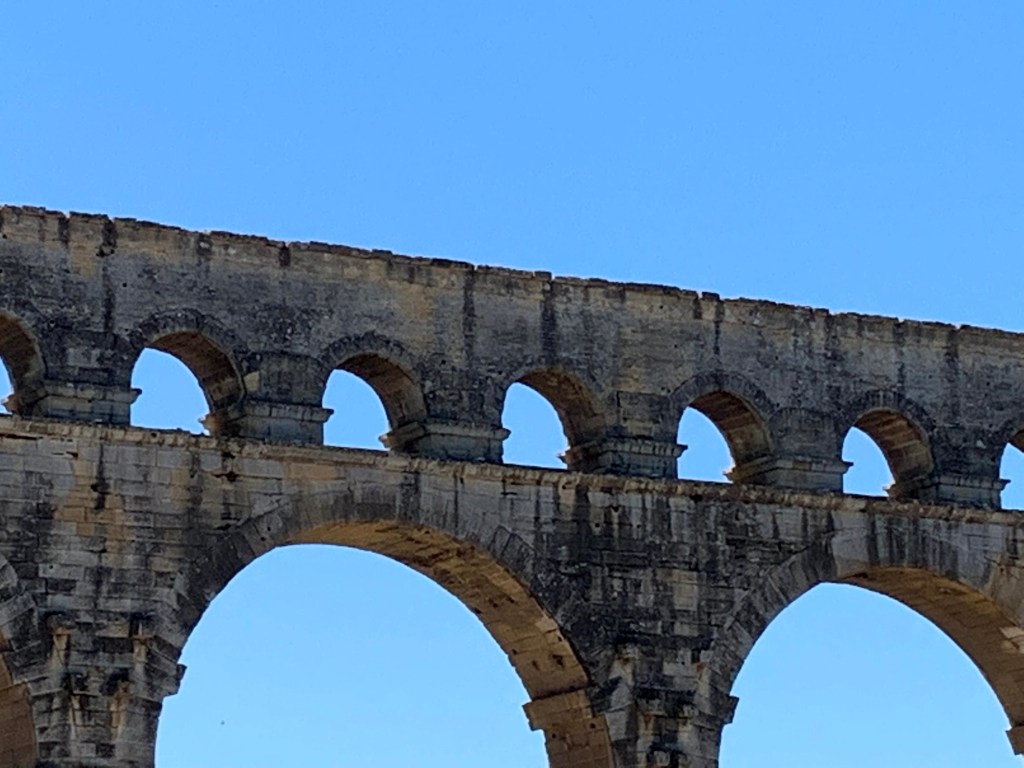
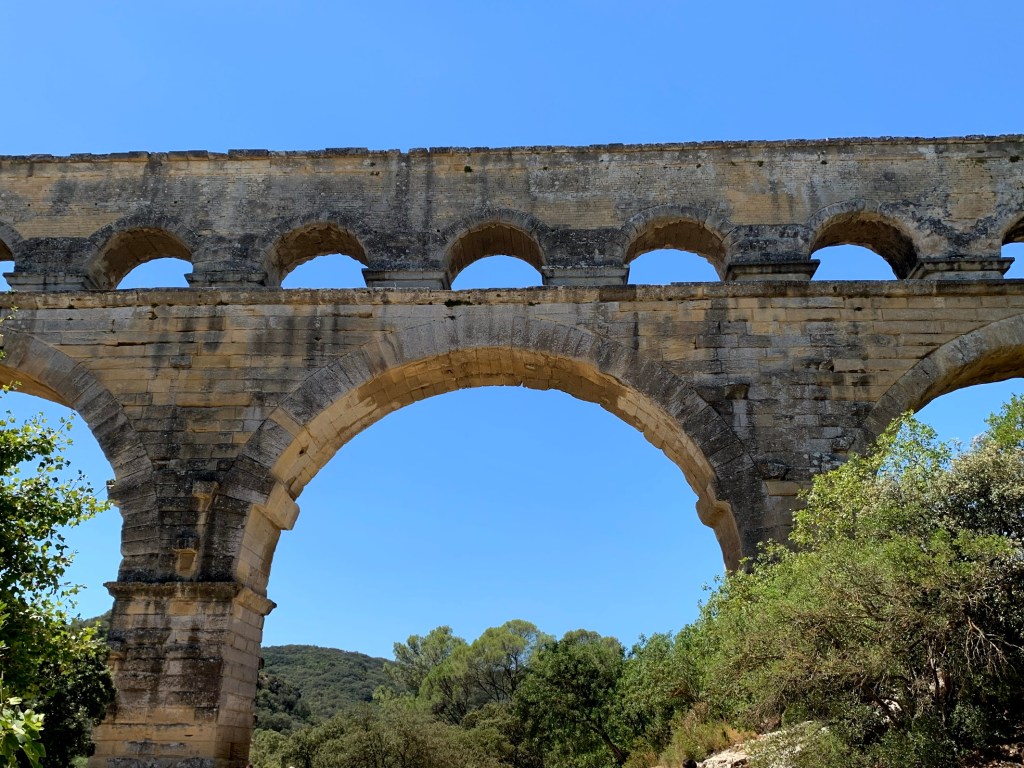
To tread where the ancient Romans tread was amazing! We drove inland today towards Avignon and Pont du Gard. The Pont is the only surviving Roman aqueduct to cross a river. Built in the 1st century AD the Uze to Nimmes Aqueduct ran for 50km from the Uze hot springs to the cistern and fountains of Nimmes.

Pont du Gard, France
10 July 2019

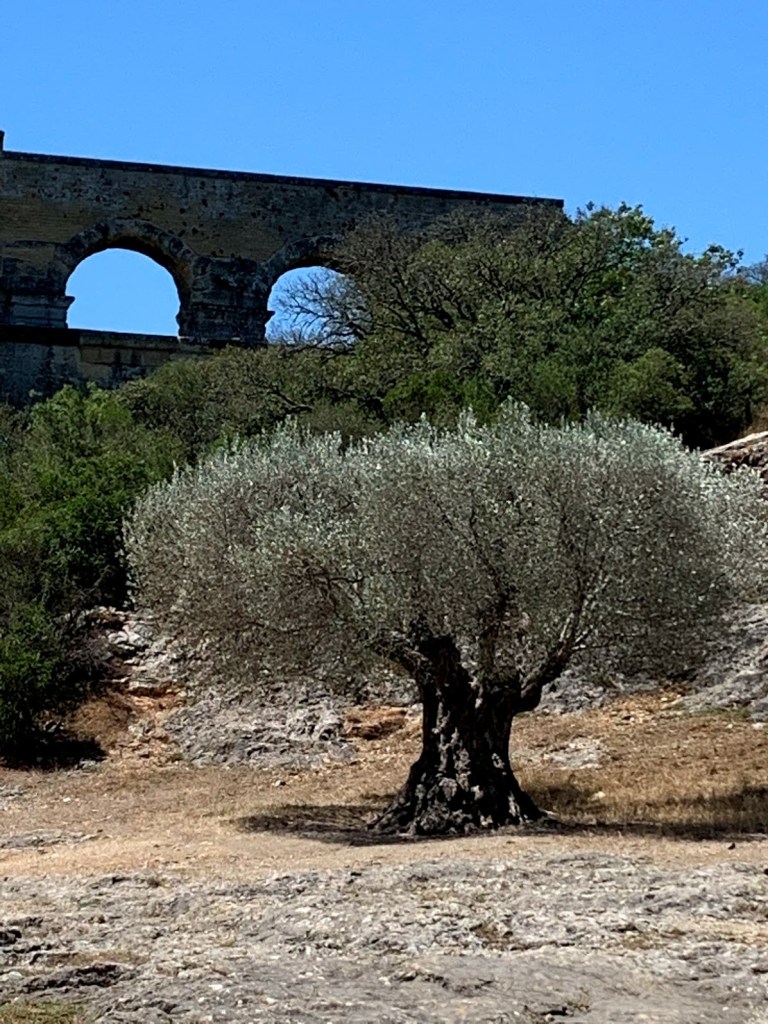
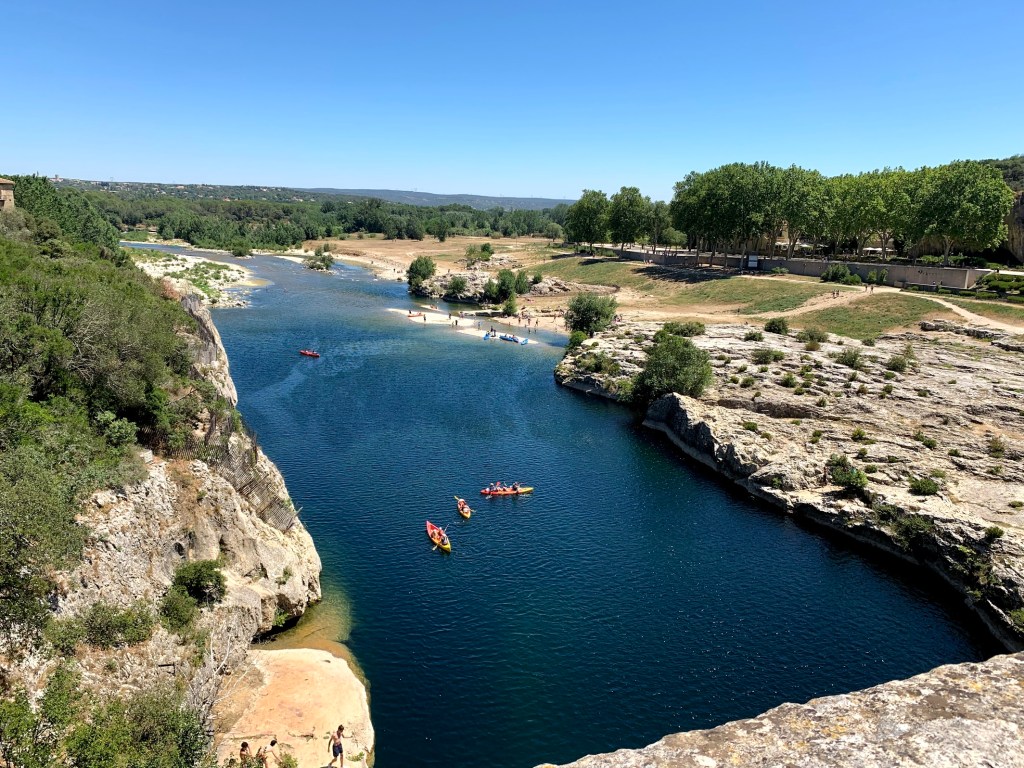
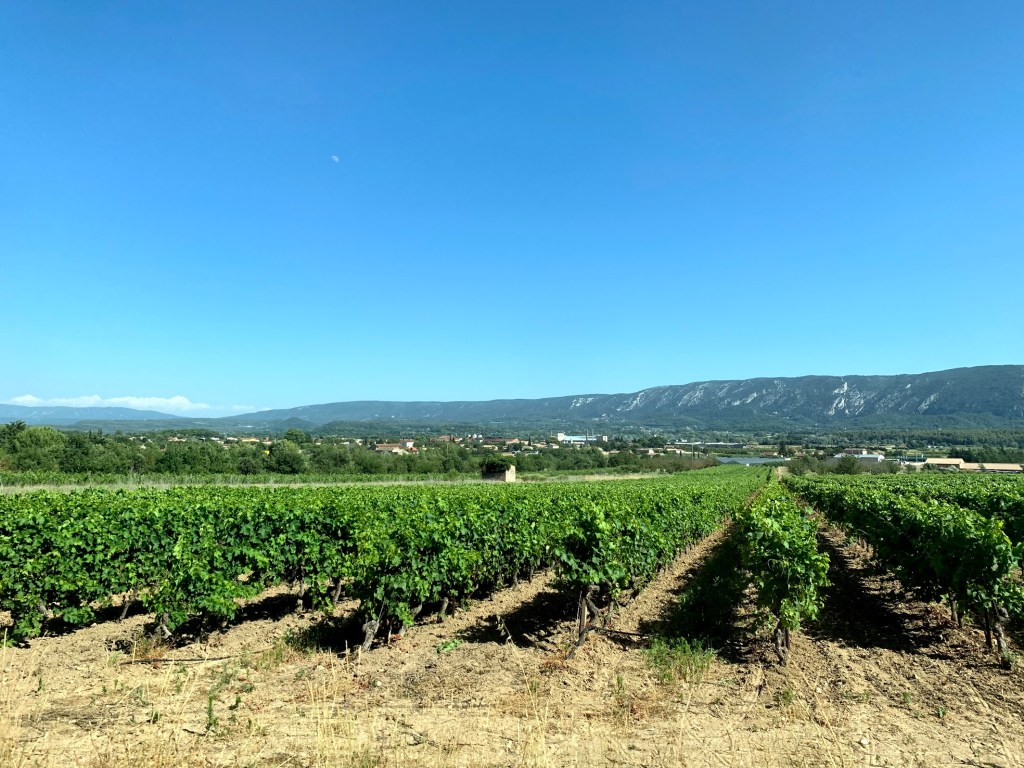
The Pont or “bridge” spreads 143 meters at the bottom to 270 meters on top across the Rhône River. The river gently flows through the limestone hills with scrubby trees and bushes. There were even 1,000 yr old olive trees in the area along the path to the Pont. The river was a great place to swim and it was fun watching the locals floating on tubes and diving from the limestone flat rocks.

Ancient Roman Aqueduct
1,000 yr. old olive tree
Locals having fun in the Rhône River on a summer’s day!

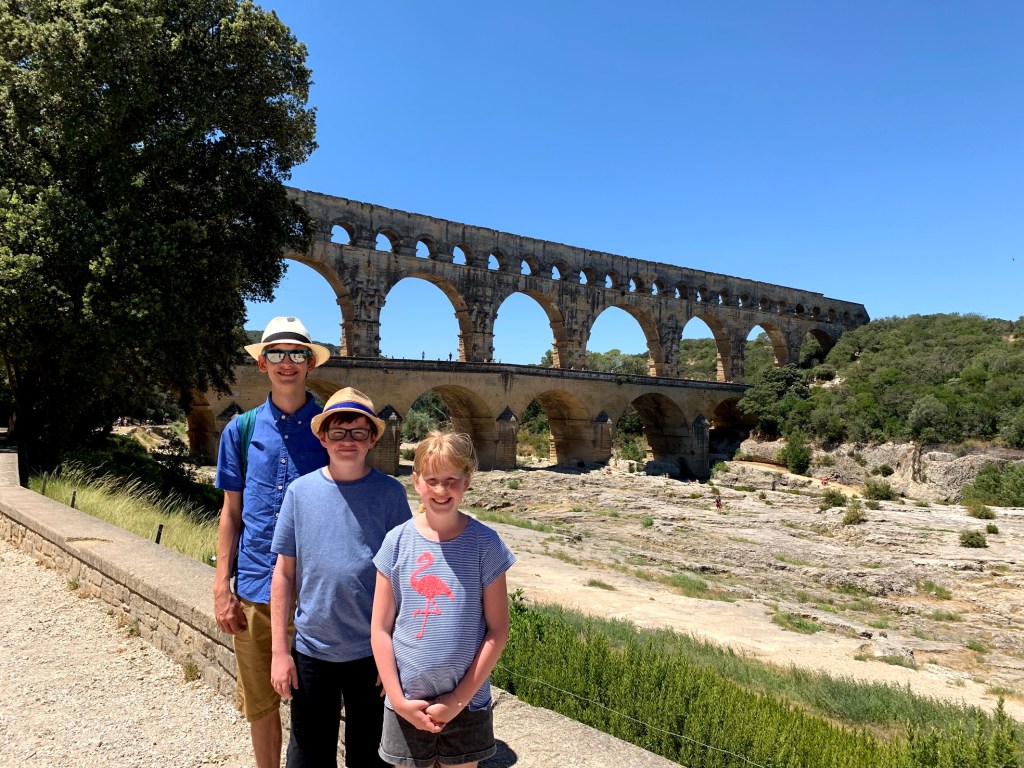
The Pont was stunning with tan stone arches set against a brilliant cloudless blue sky. The triple level of arches gracefully held the 6 meter wide by 2 meter tall capped aqueduct that was built on top of the arches.  From the Uze Springs the aqueduct gently slopes about 25cm per kilometer allowing a steady flow of water.

In front of the Pont du Gard

Inside the museum we learned about the engineering techniques and cultural uses of the aqueduct’s waters. The Romans had heated flooring and hot/cold bathes. They even had running lead piped water pumped into their homes and flush away toilets with sewage control. It was amazing to learn about the aqueduct system and still see the Pont du Gard span the large valley cut by the Rhône.

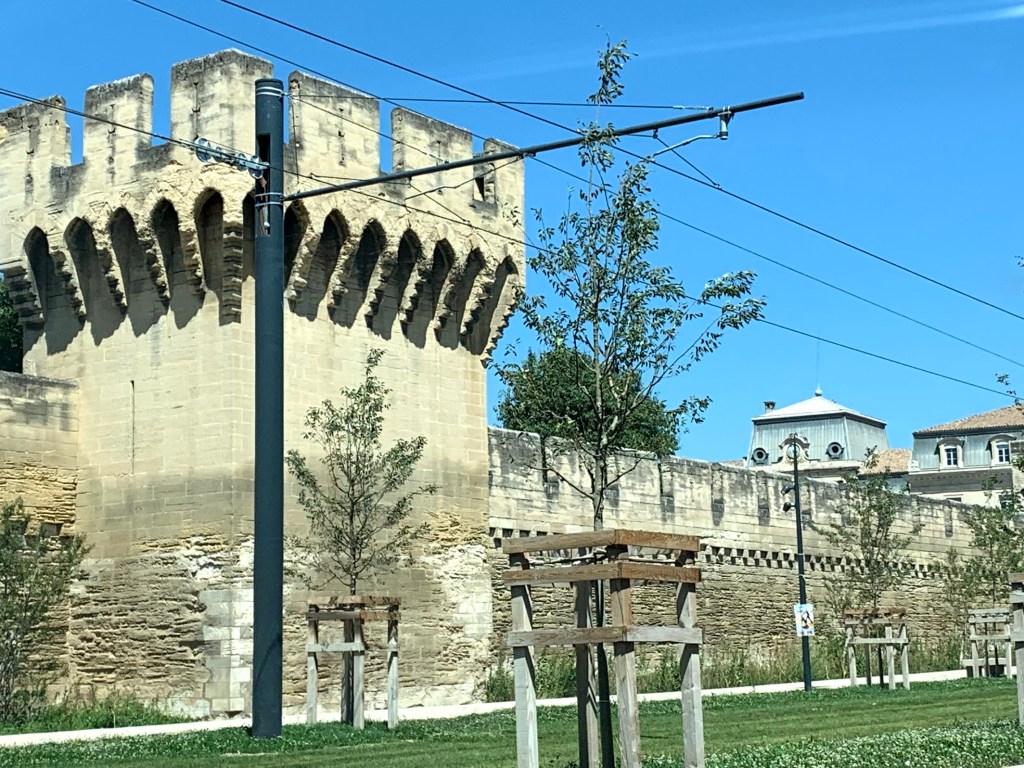
From there we drove 30 minutes to Avignon. We hoped to visit this ancient medieval town and seat of the Western Popes, but sadly we could only drive around the old city walls. It seems that we decided to visit during the week long National Festival of the Arts. There were absolutely no parking spots to be had! Cops were positioned outside various lots to turn folks away!

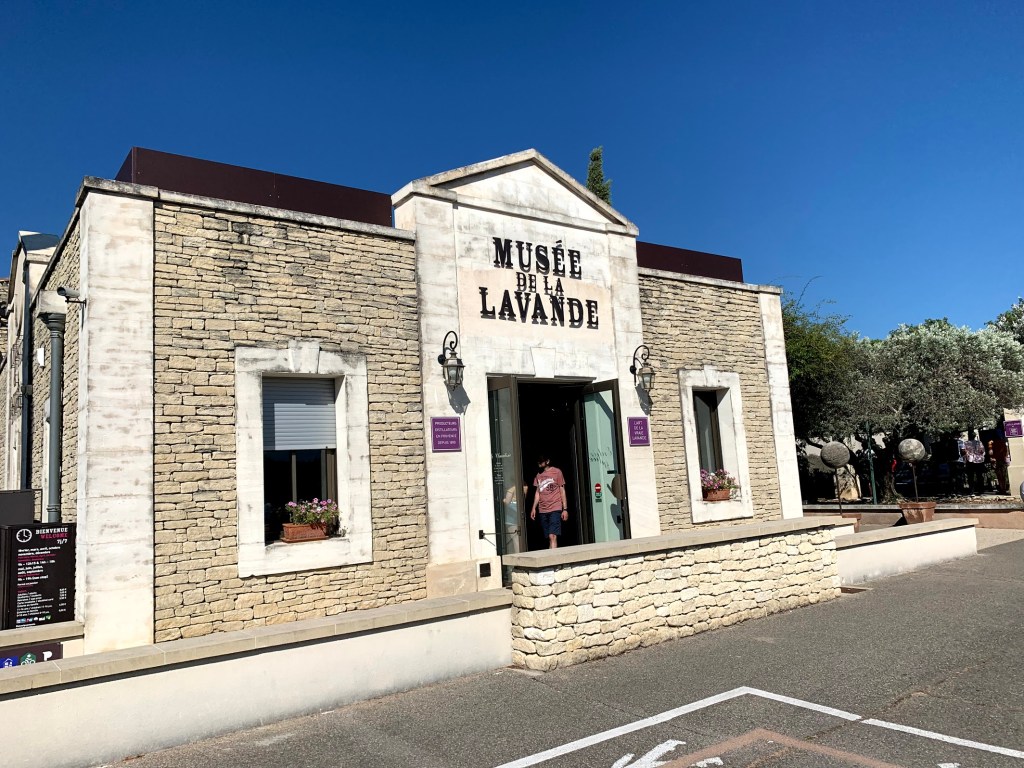
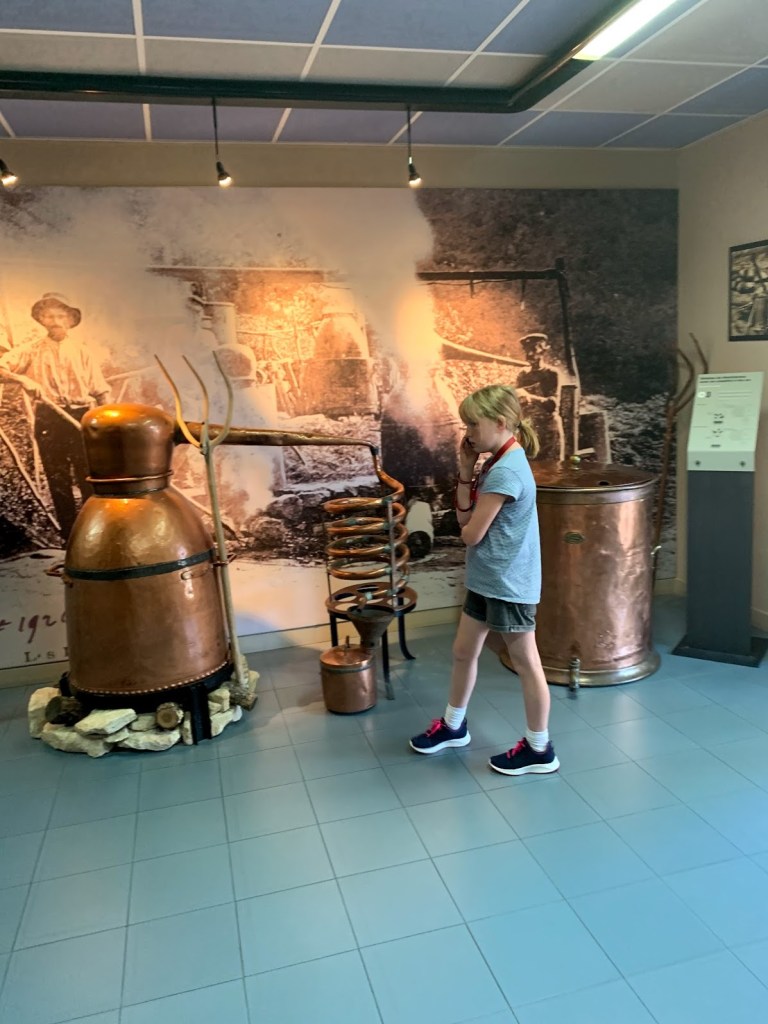
Resigning ourselves to the fact we weren’t going to see Avignon or the Papal Palaces, we chose a secondary item from our list that was in nearby Cabrieres de Avignon. This little happening village is a 20 minute drive into the Provençal farmlands.  We visited The Musee de la Lavande or “Lavender Museum”.

Cabrieres, France

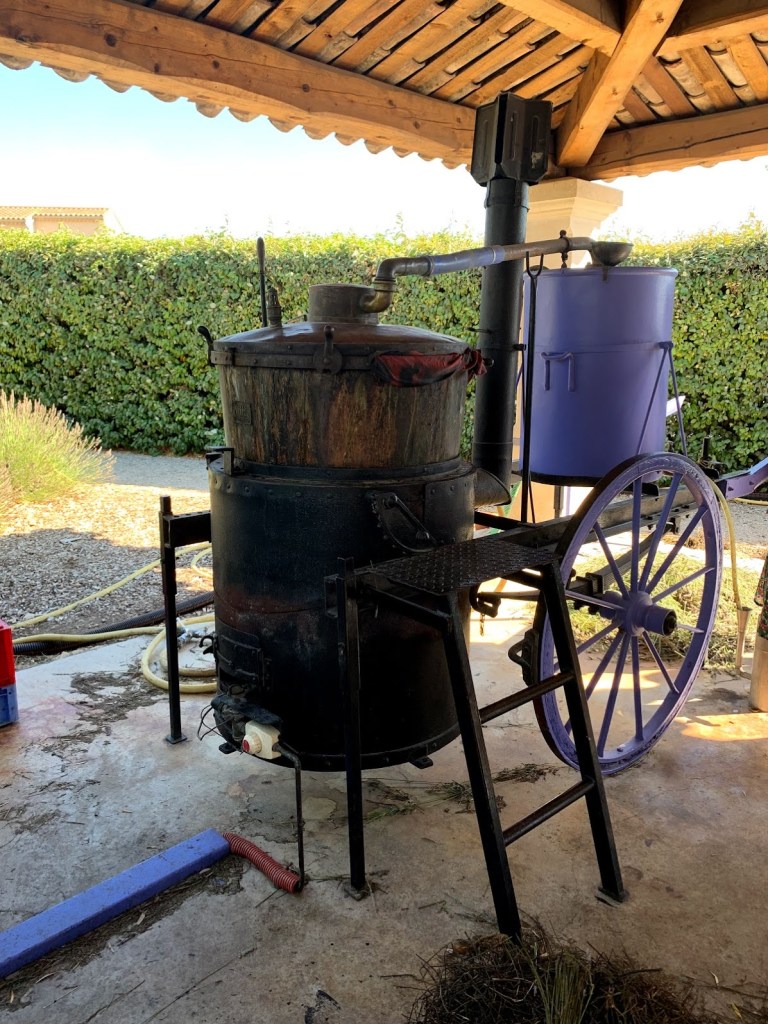
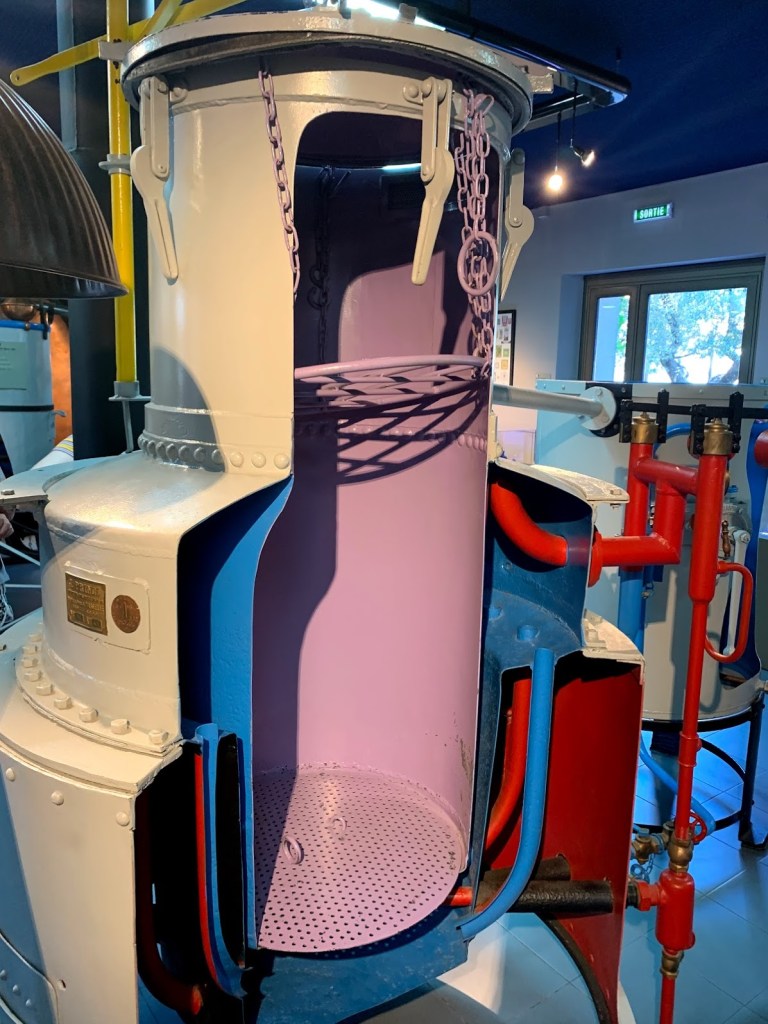
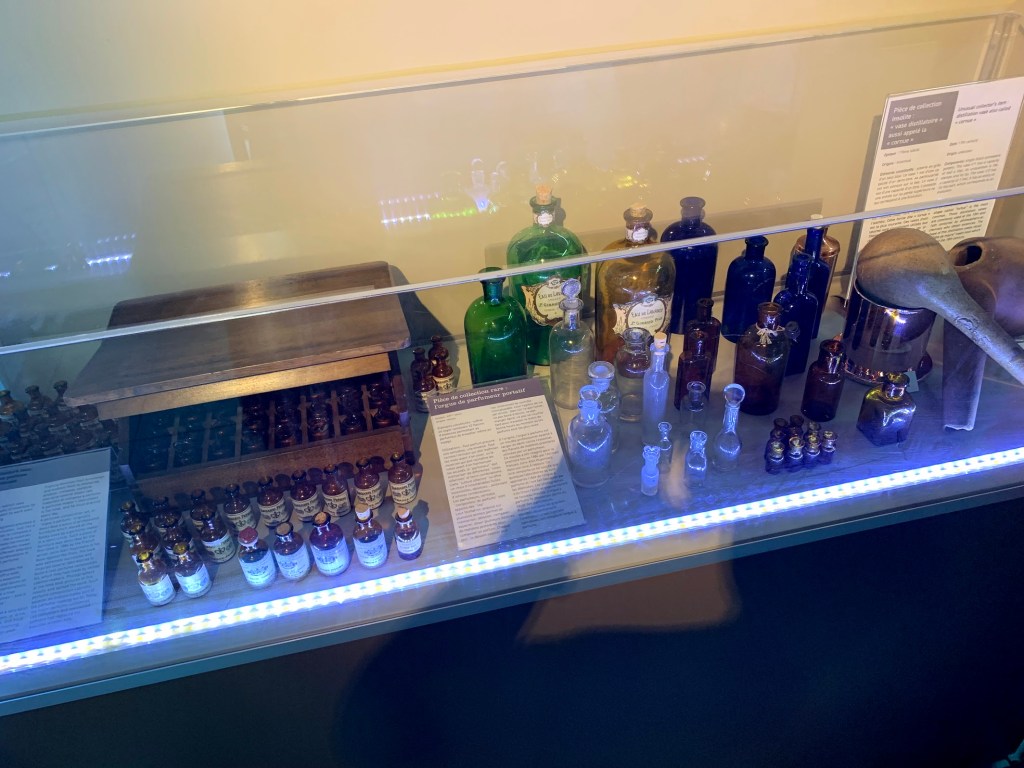
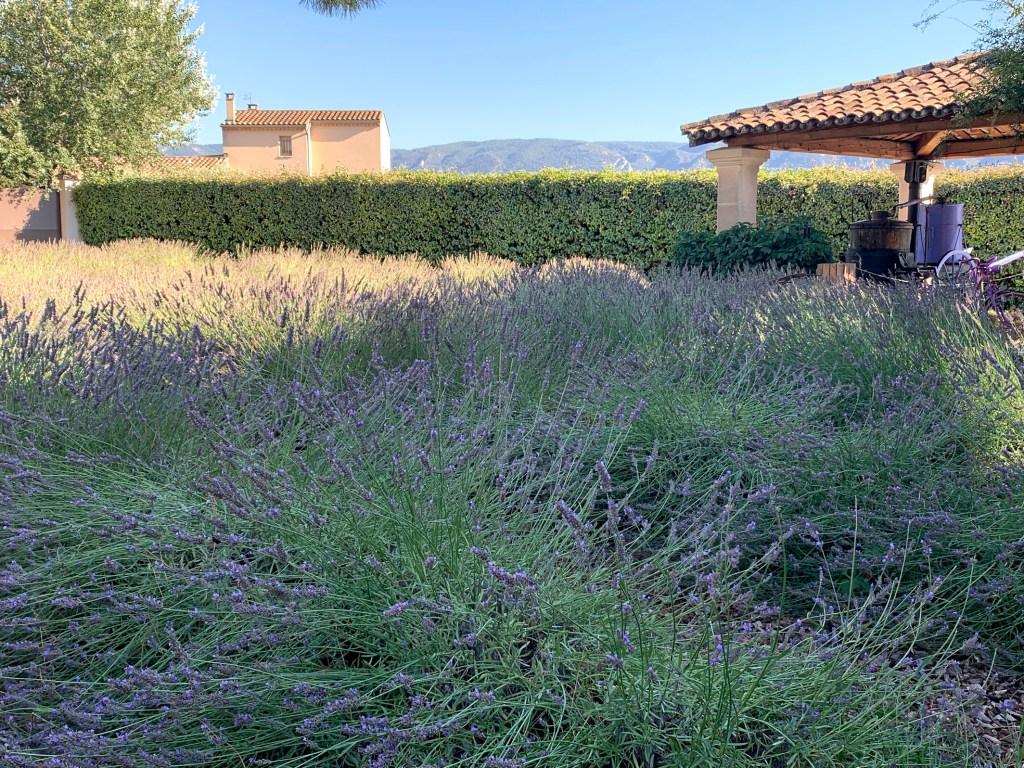
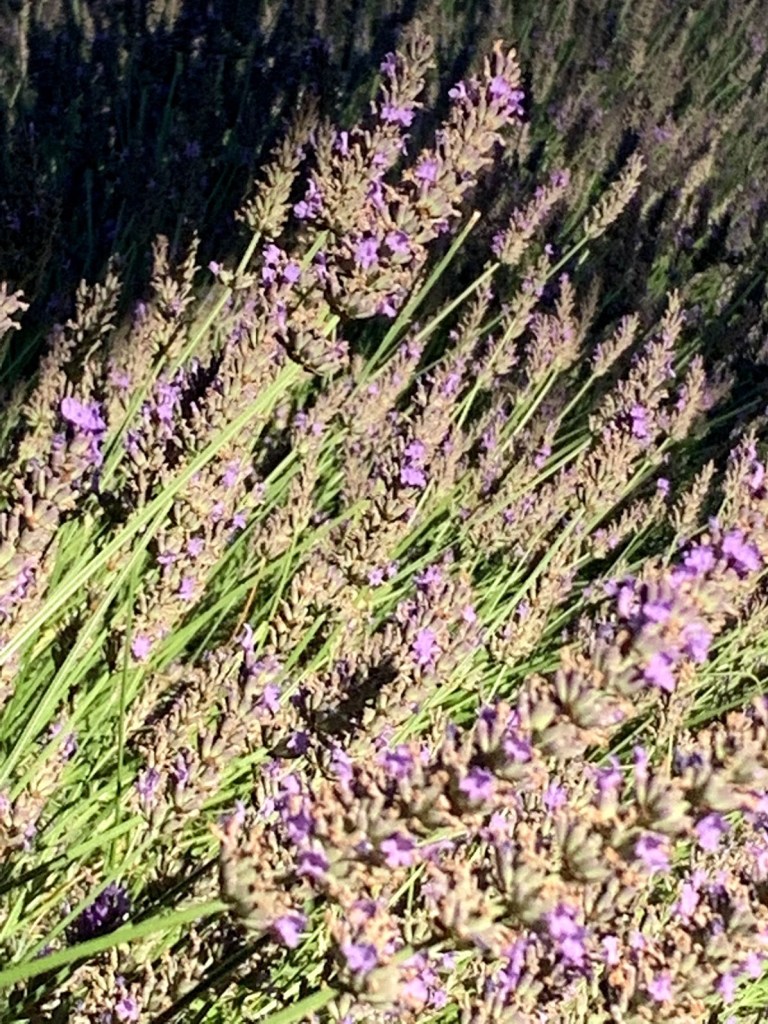
Provence is the largest producer of fine lavender in the world. We learned about the distilling process, old and new farming techniques, and various uses for lavender.  These included treating wounds and sore throats, bathing, washing clothes, stress relief and massage. It was fascinating learning about the history, uses, and farming of lavender.

French Lavender

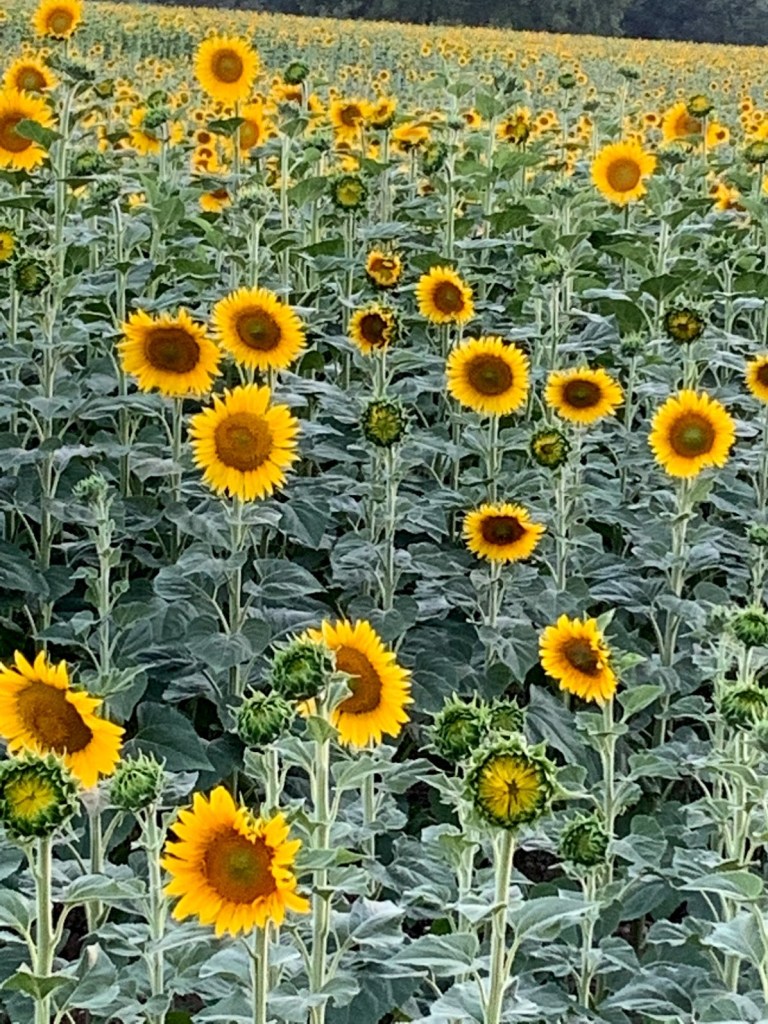
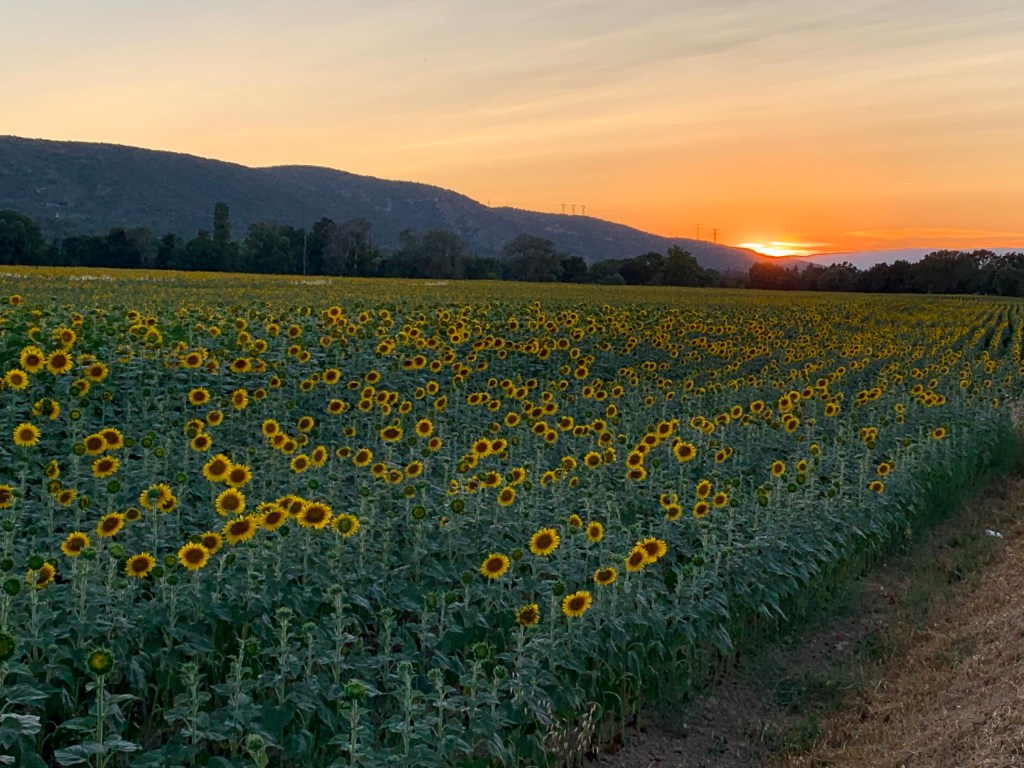
We arrived home late, but enjoyed the countryside by moonlight. Just as the sun was setting we stopped by a beautiful sunflower field. Words can’t describe the brilliant orange sunset casting an intense warm glow on the yellow sunflower petals catching the last nourishing rays of sunlight!

French Sunflowers
Sunset in the Provence Region of France

A Lovely Day at the Seashore

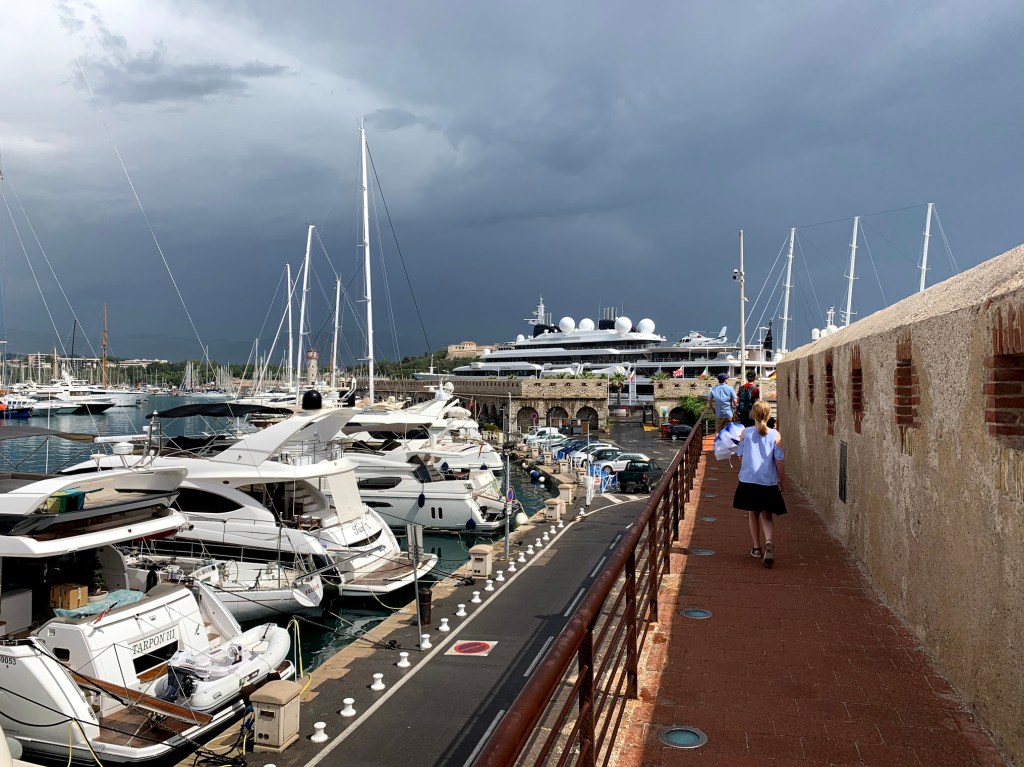
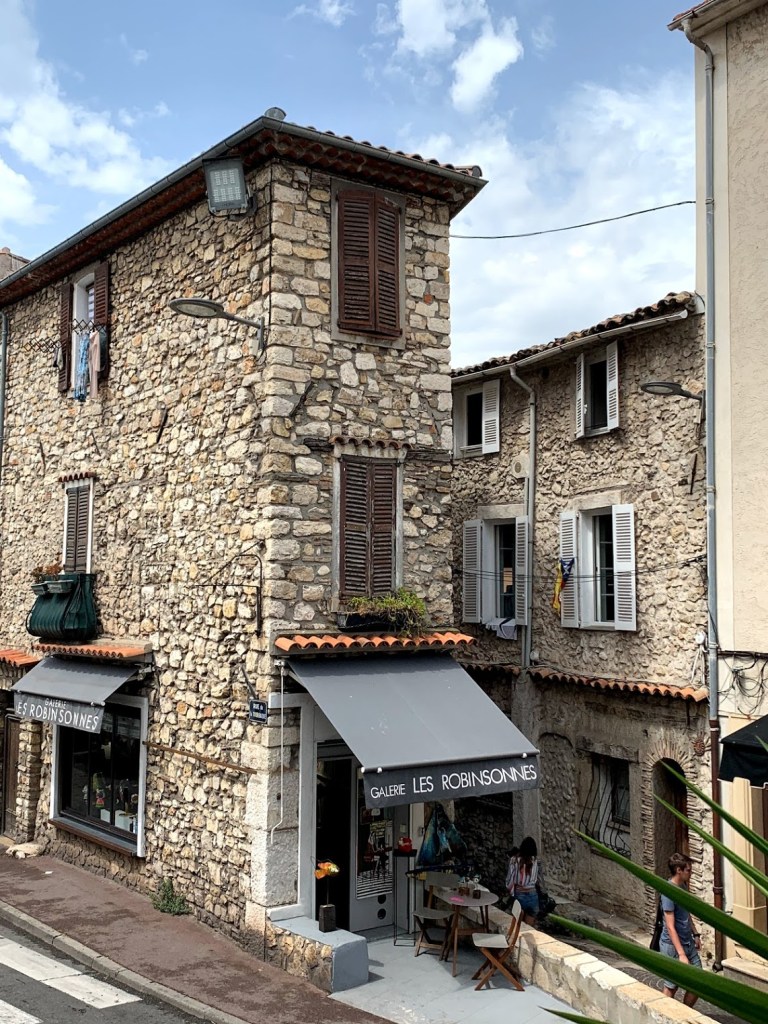
Today we drove directly south 45 minutes to Antibes. Situated on a little peninsula, Antibes is home to a large marina and sandy beaches along the French Riviera.  The old seaside town was charming with its cobblestone roads, stone and tan buildings, and multi-level courtyards built along the old city walls that sit perched on the rocky shoreline. The Fort of Antibes is perched on an ocean front cliff and guards the natural bay. This harbor is now used to dock fishing boats, cruise ships, and mega yachts.

Antibes marina as seen from the fort wall

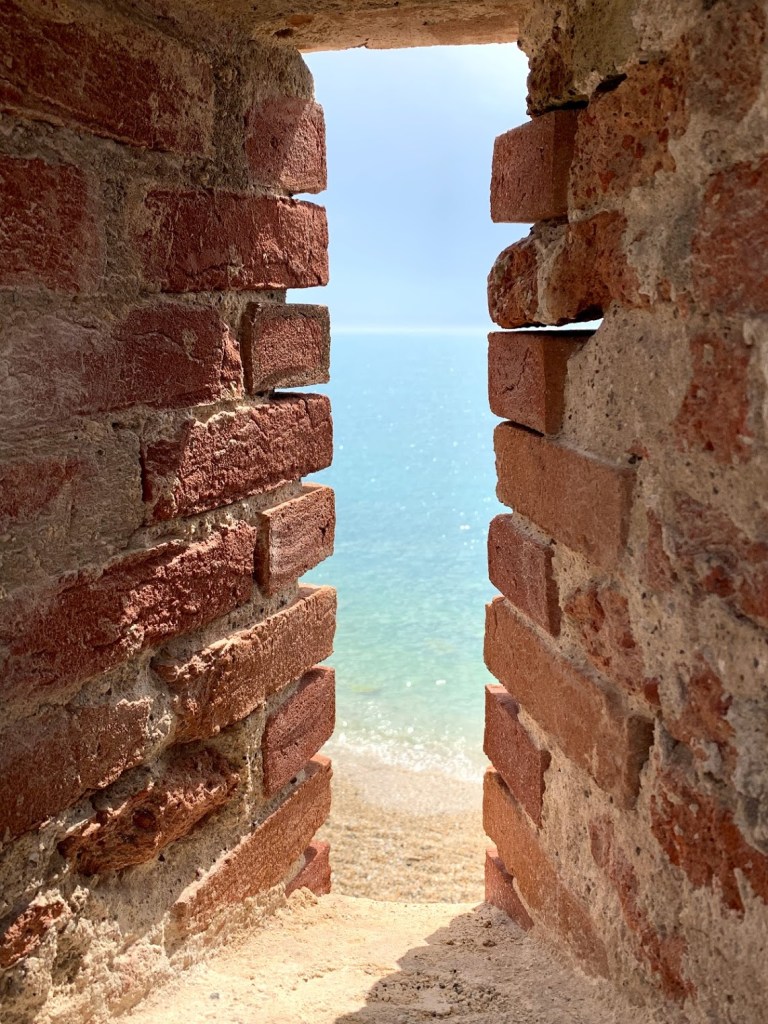
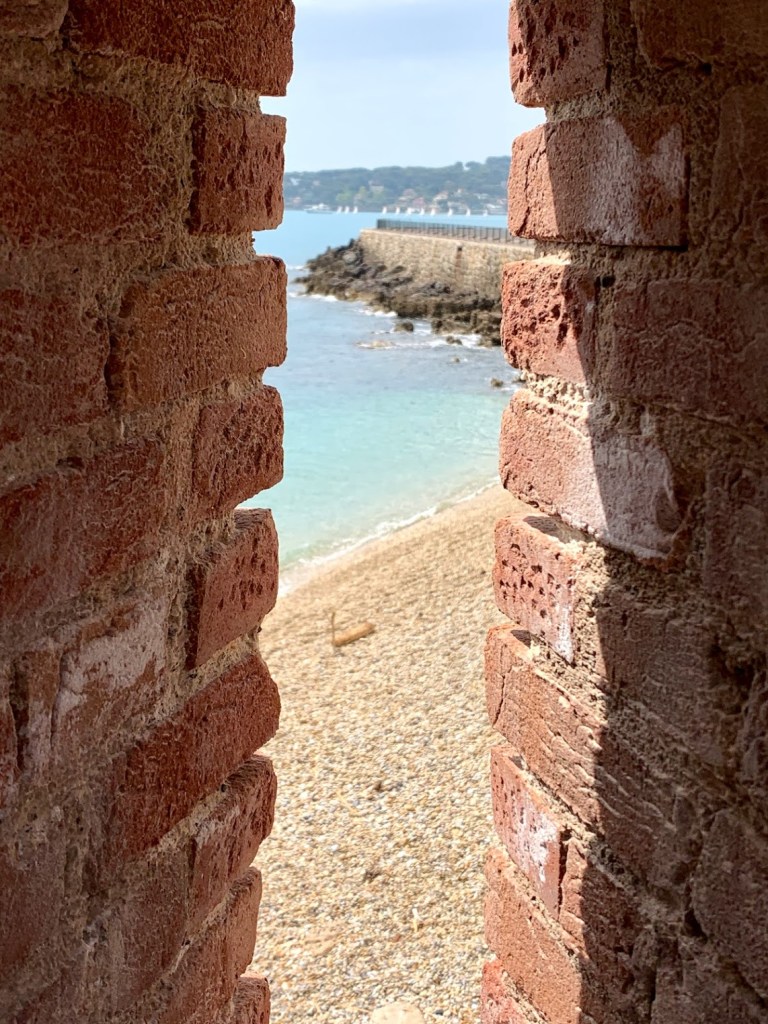
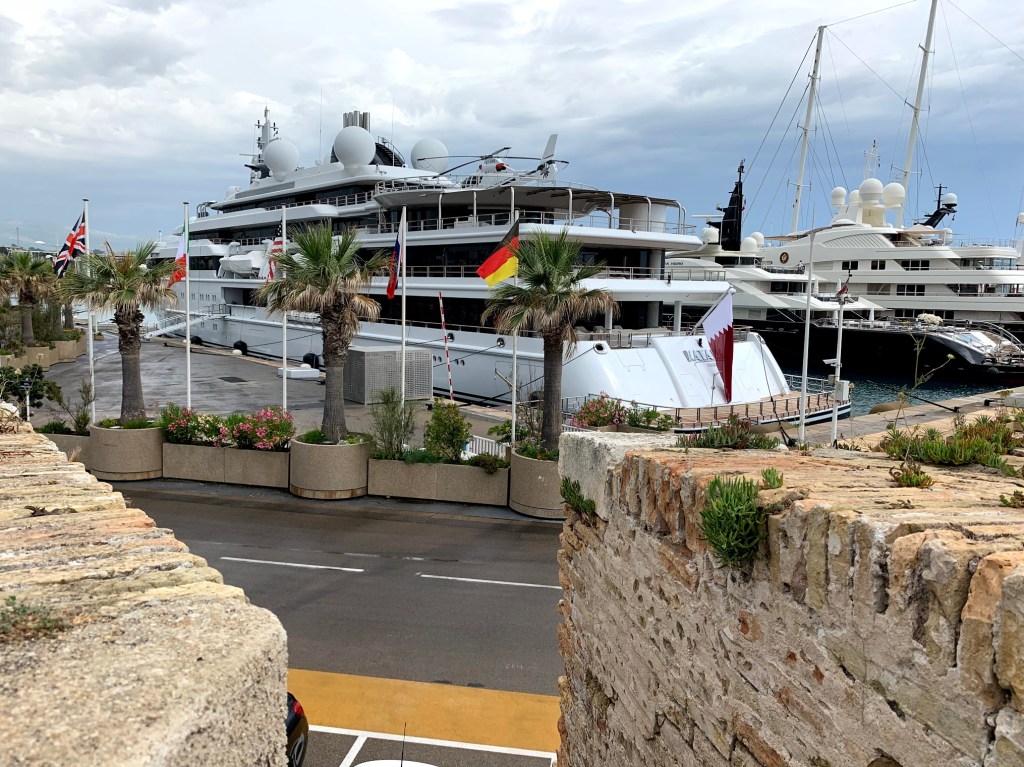
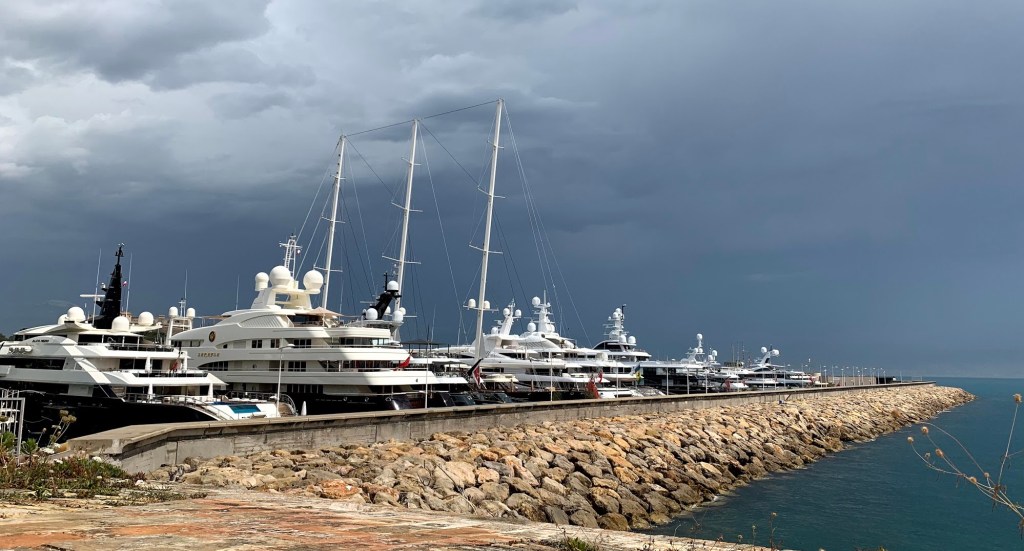
We walked along the sea wall catching glimpses of the beach and ocean below through old brick arrow slits.  Near the end of the marina were docked the mega yachts and we looked up two of them. One belonged to a Saudi Arabian Prince and the other to the Crown Prince of Qatar.  The Katara is the 16th largest yacht in the world and is worth $400 million dollars.

Crown Prince of Qatar’s ship the Katara:
The flags along the shore represent yachts from various countries that were docked at the time.
Mega Yachts!

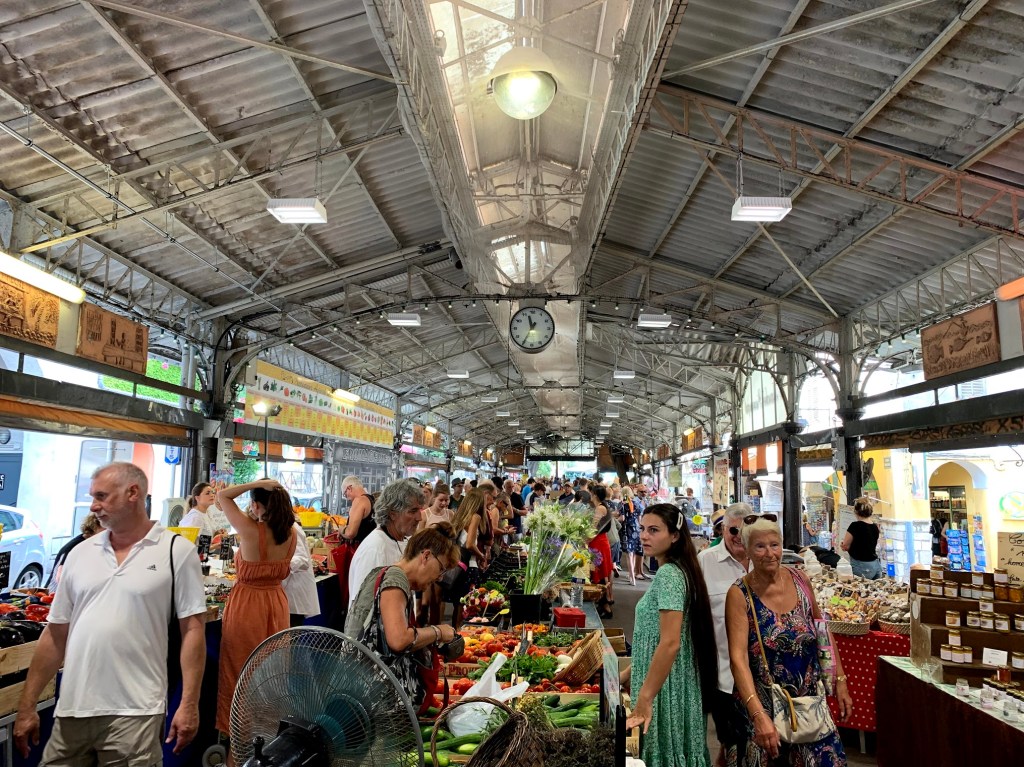
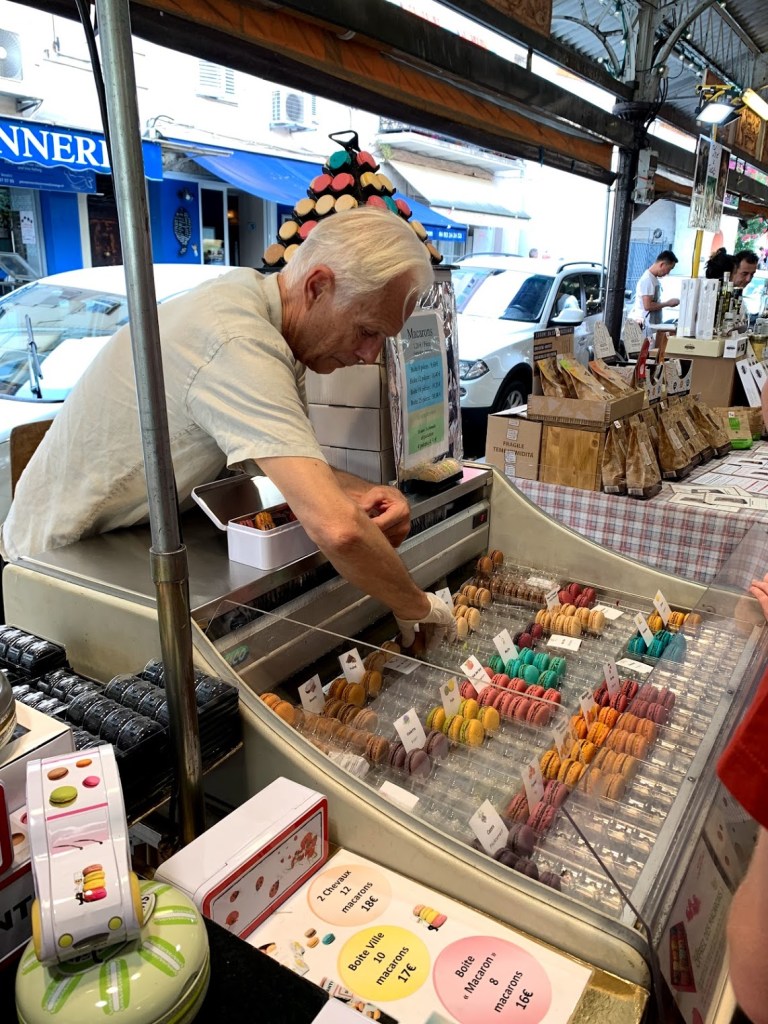
After viewing the yachts we went into Old Town and explored the central market where we purchased lavender sachets, black grapes, and Macarons!

Central Market
Mmmmmmm Macarons
Quaint street corner in Old Town Antibes, France
9 July 2019

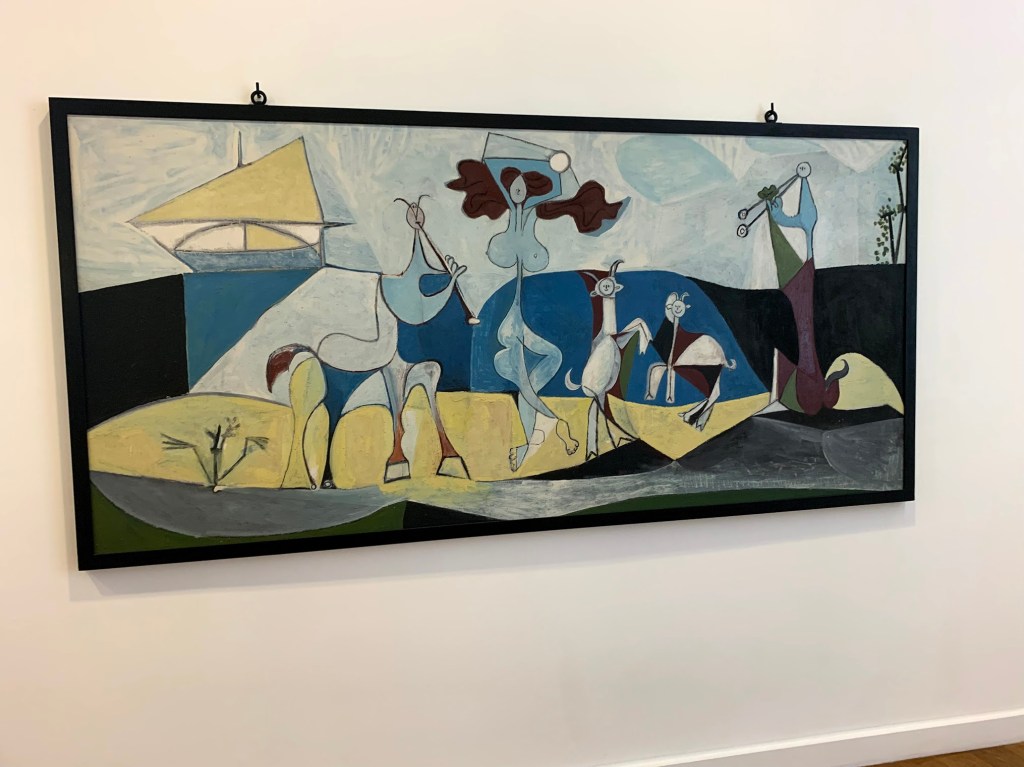
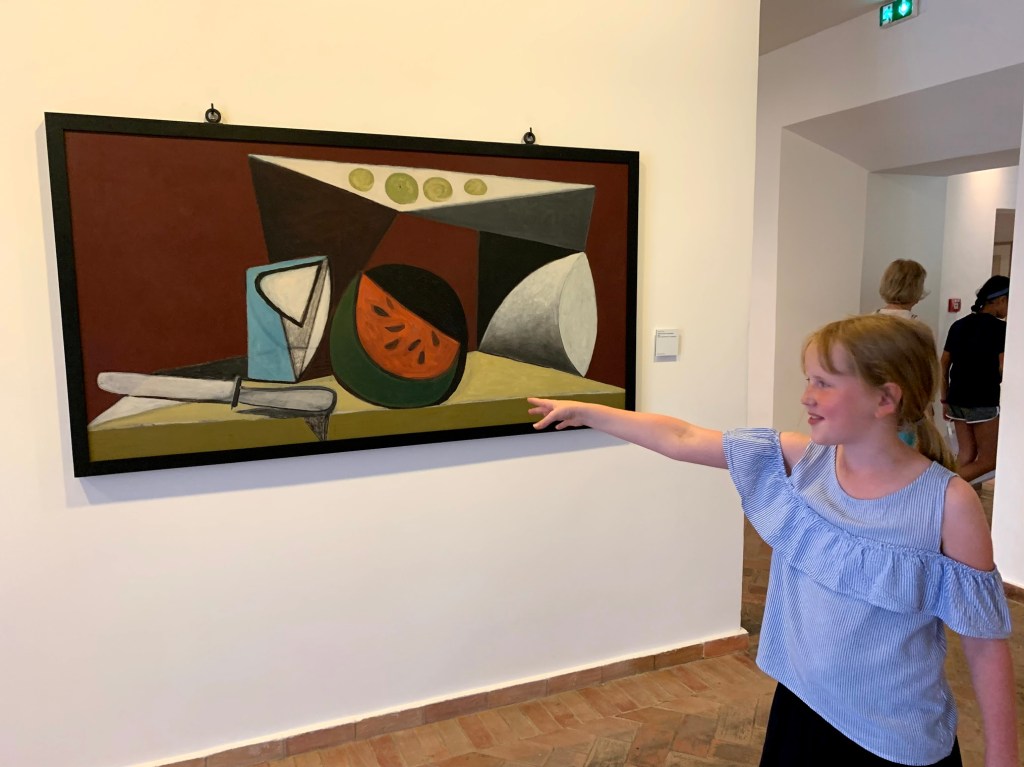
Nearby the market was the Museé Picasso an art museum. In 1946 Pablo Picasso came and resided in Antibes. He worked in and with the art museum. We got to see about 150 of his paintings. There were other artist’s works on display, but most of the sunny museum was dedicated to Picasso.  Faywen really enjoyed walking around with us and describing all of the paintings!

The museum opened up onto another sunny seawall, but the sky darkened and rumbled and the rain came pouring down! We had our umbrellas and the cover of the tight quaint alleys. We made it to a large outdoor café that was covered and we ordered lunch. The best part was the chocolate moose Robert and I shared. By the time we were done eating the skies had cleared.

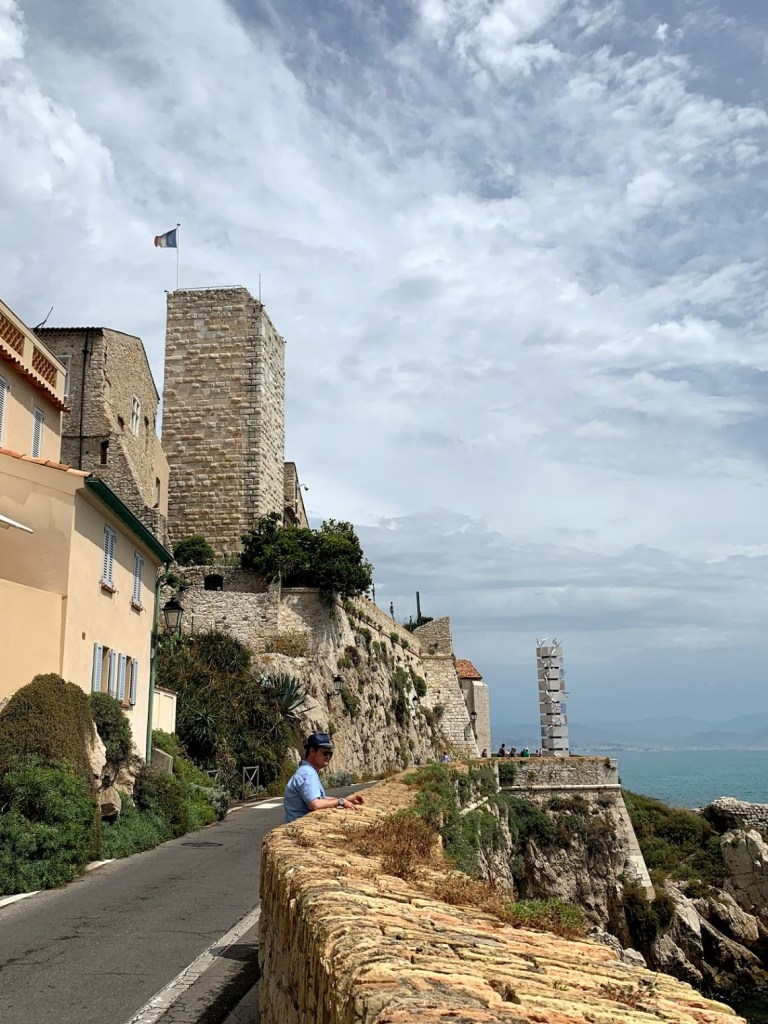
Seawall outside the Museé Picasso
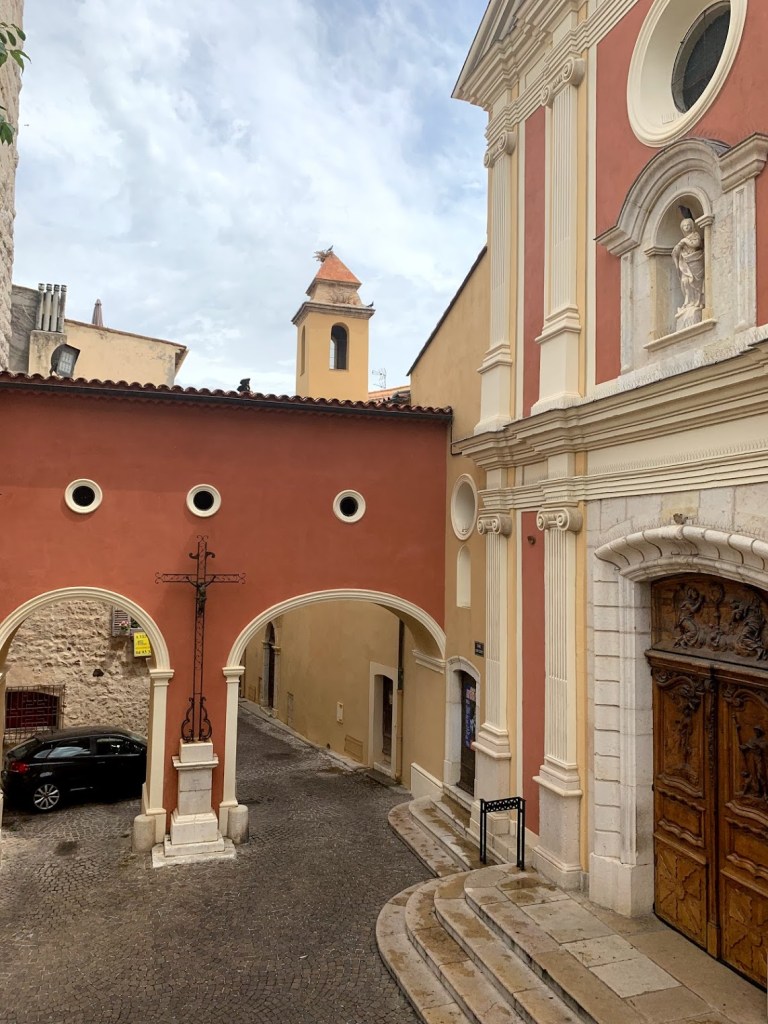
Antibes Cathedral
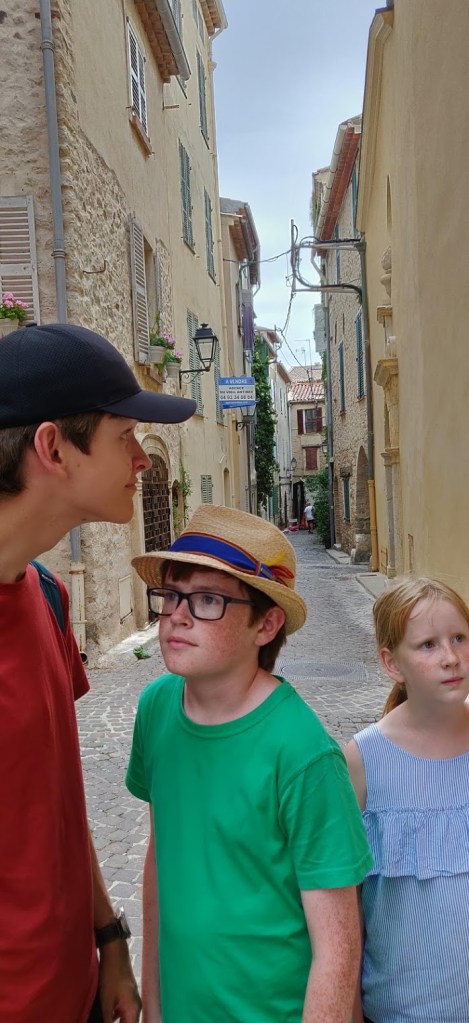
The kids are obsessed with pigeons. We took many “Pigeon Pose” photographs on our trip. This is my favorite because it was their “Picasso Pigeon Pose “since we had just come from his art museum!
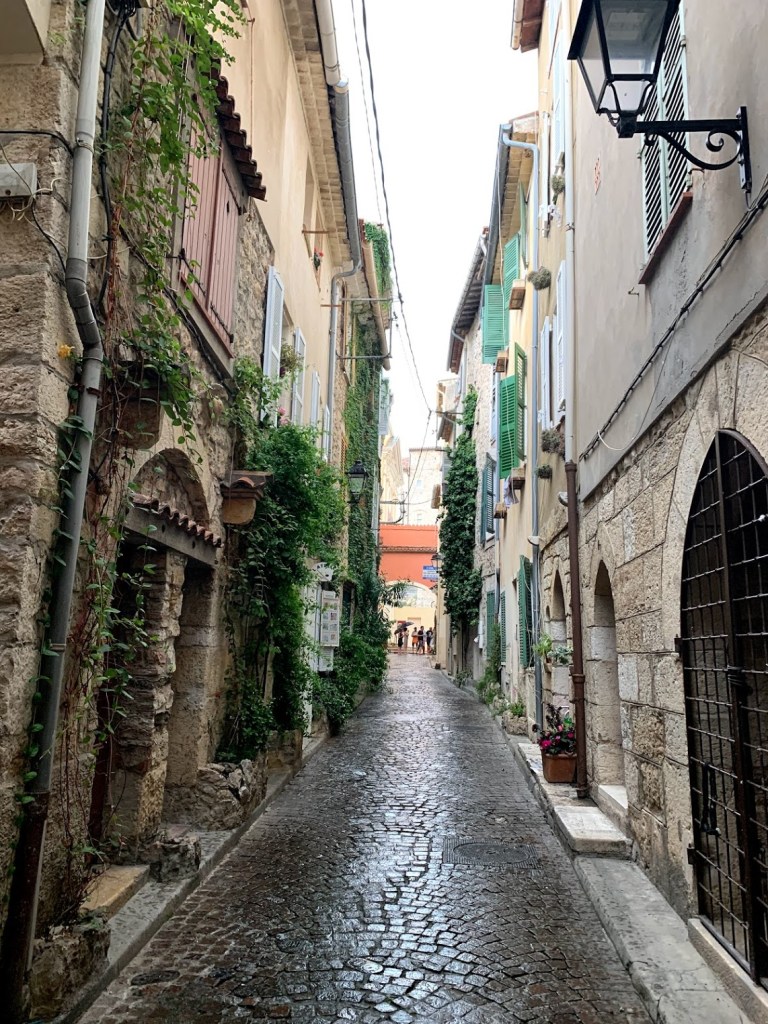
Quaint street in Antibes

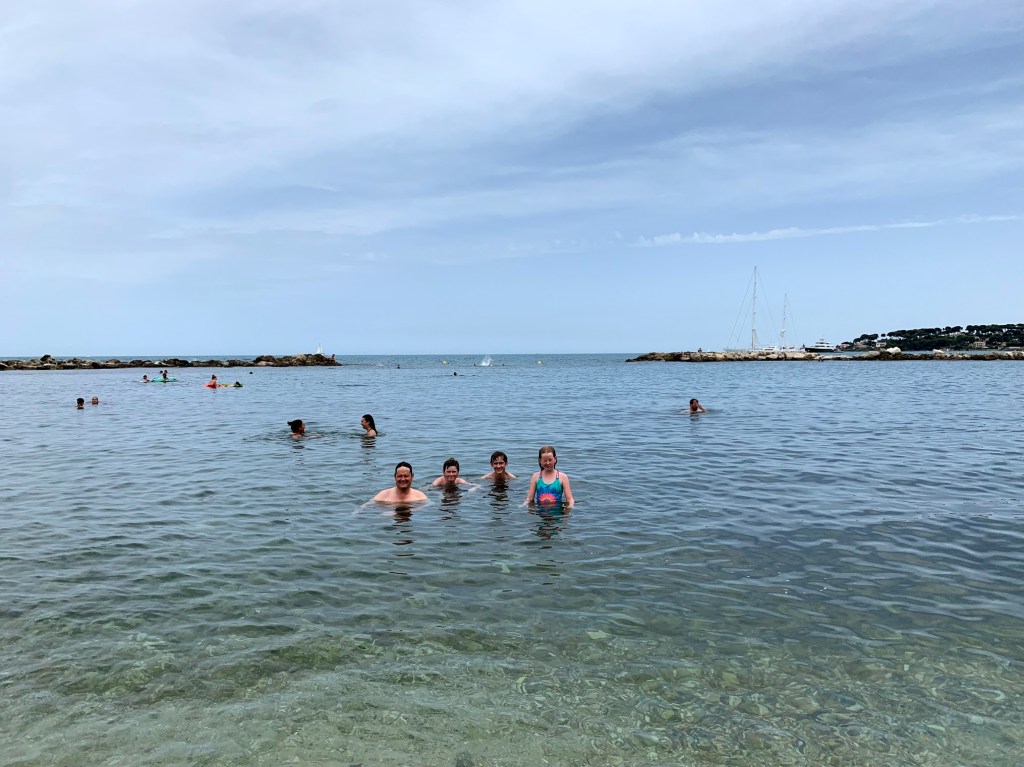
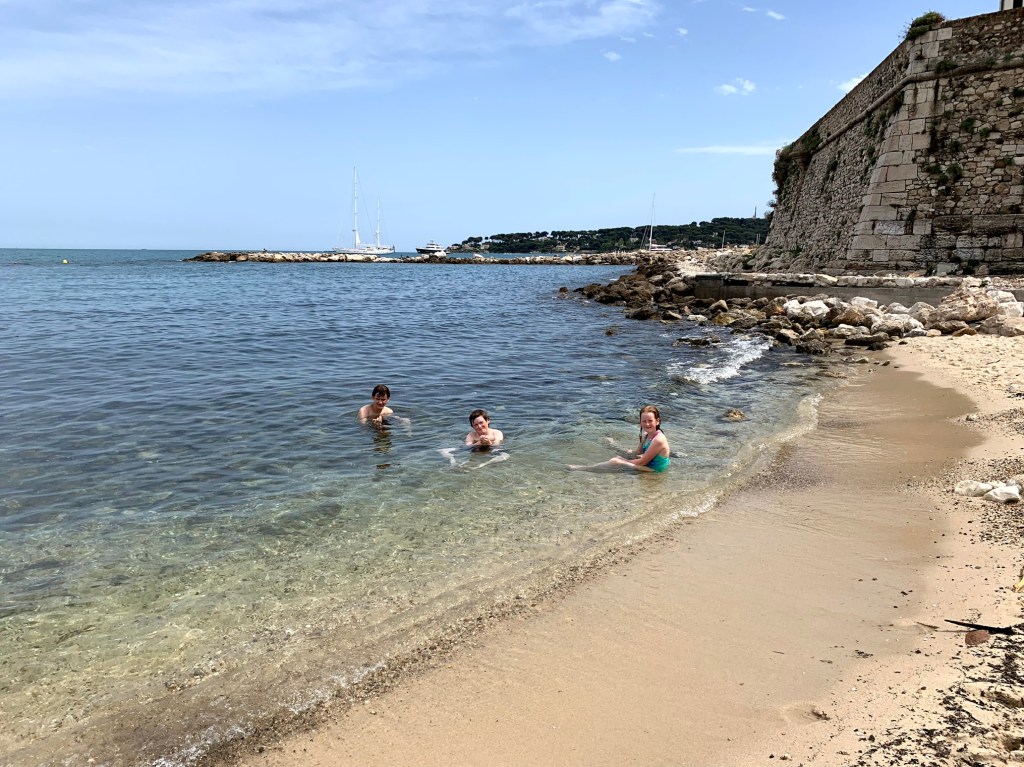
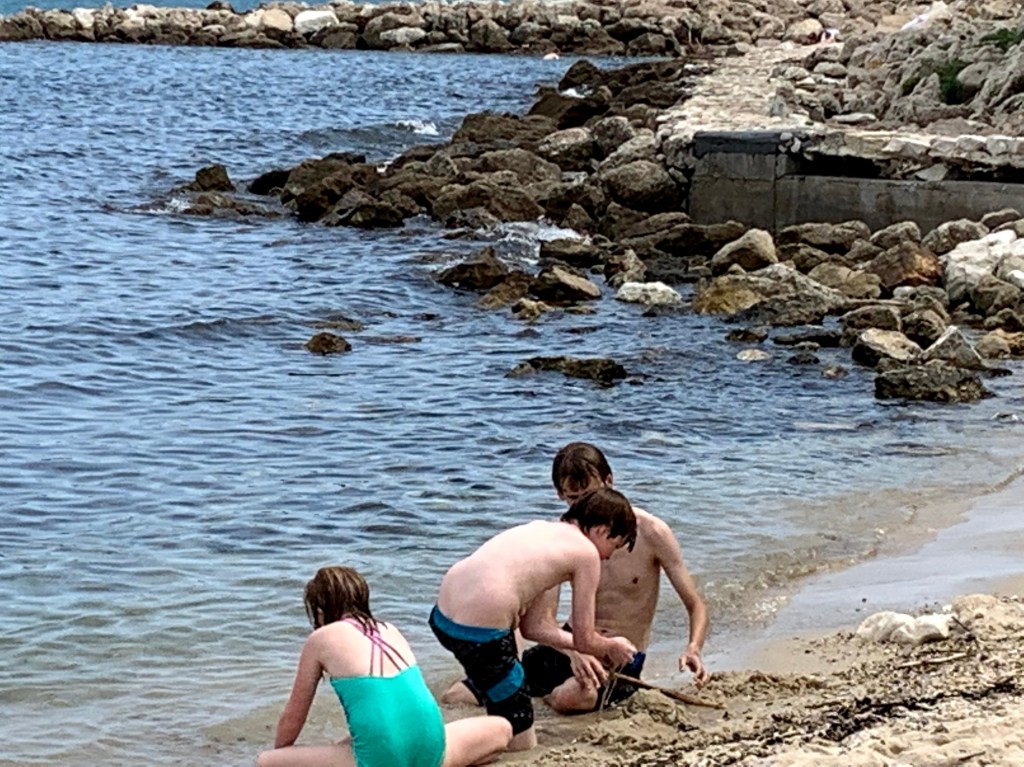
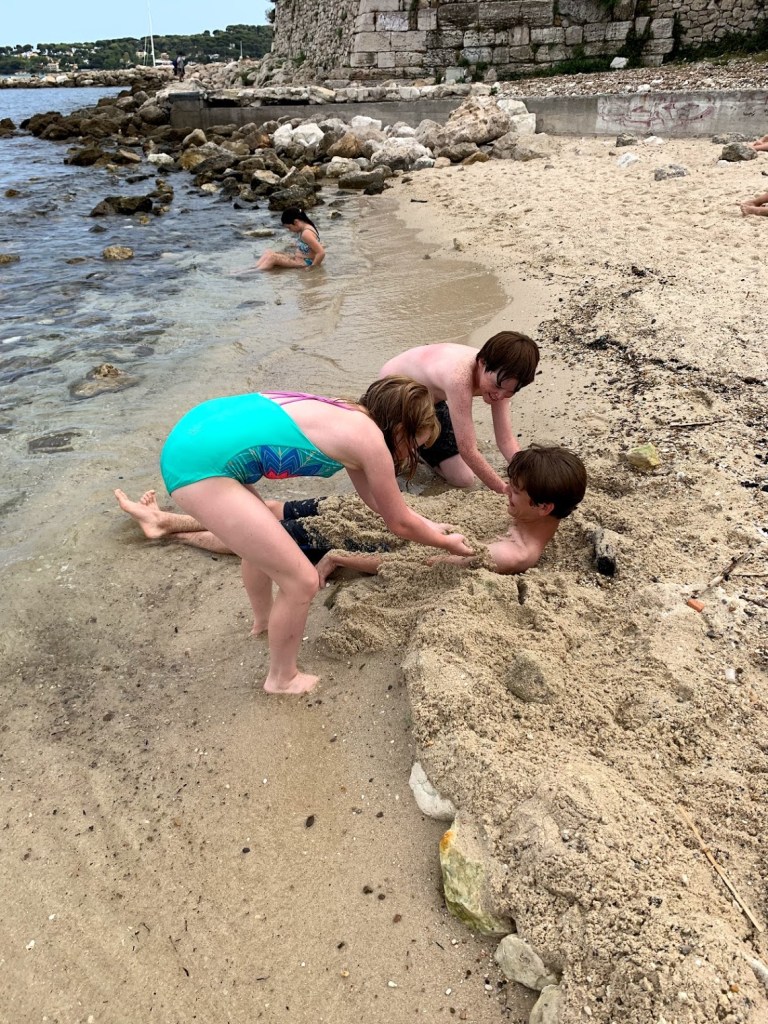
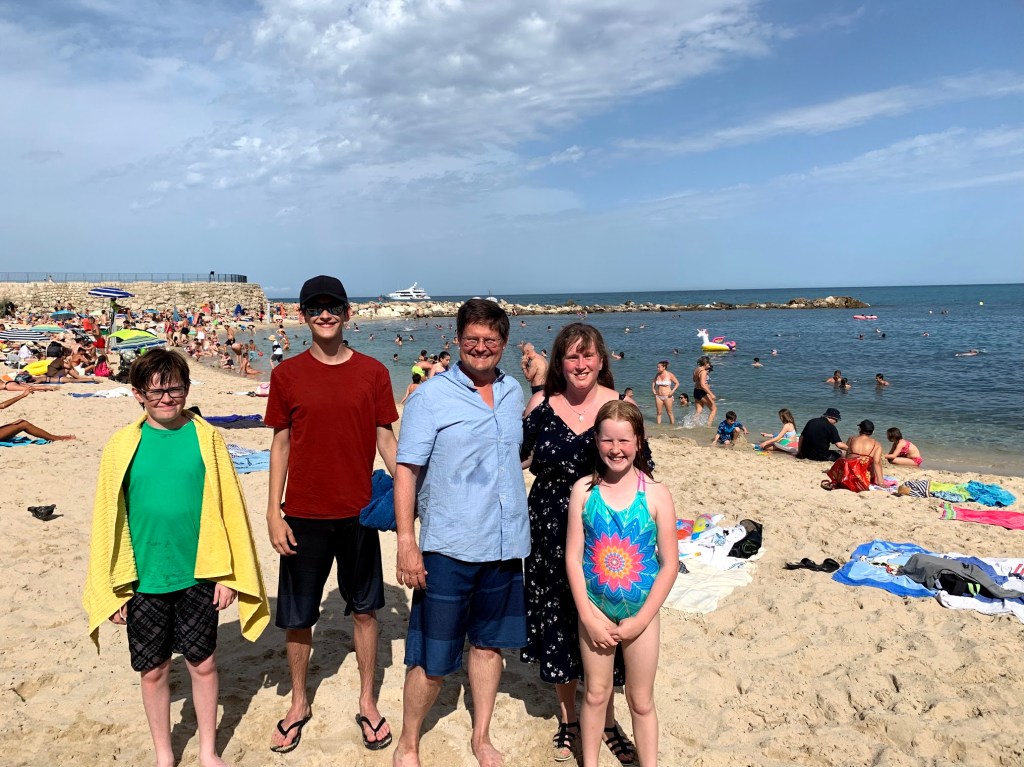
It was time to walk the marina and then go swimming. Most of the mid afternoon we all enjoyed the sandy family friendly beach in the Old Town. It was accessed through the old city wall. It was a lovely 29C or 84F and the sun popped in and out of the clouds. The gentle breeze helped cool the wet skin. The kids enjoyed exploring the rocks along the wall, burying each other in the sand, and of course swimming in the turquoise waters. I took a lot of photos of the kids, the water lapping the beach, and the boats sailing around. The water was shallow and the swim area was protected by a natural little harbor. I took a photo of a nice English family and they took our photo in return!

Swimming in the Mediterranean
They each took turns being buried in the sand!
Family photo by the seashore

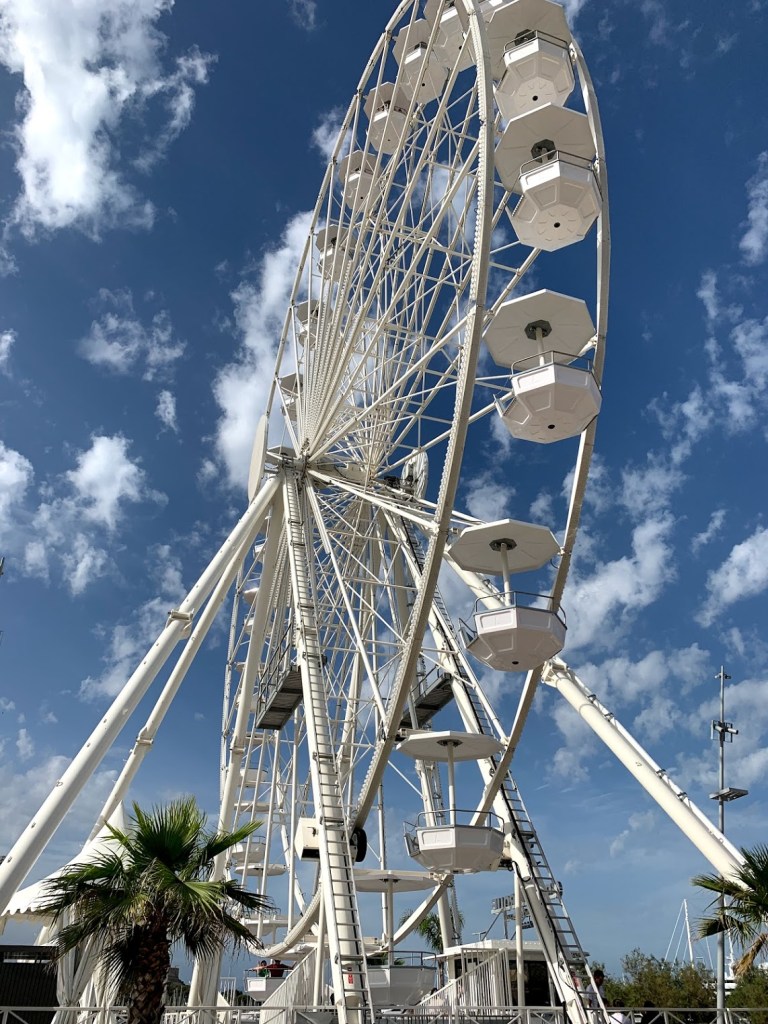
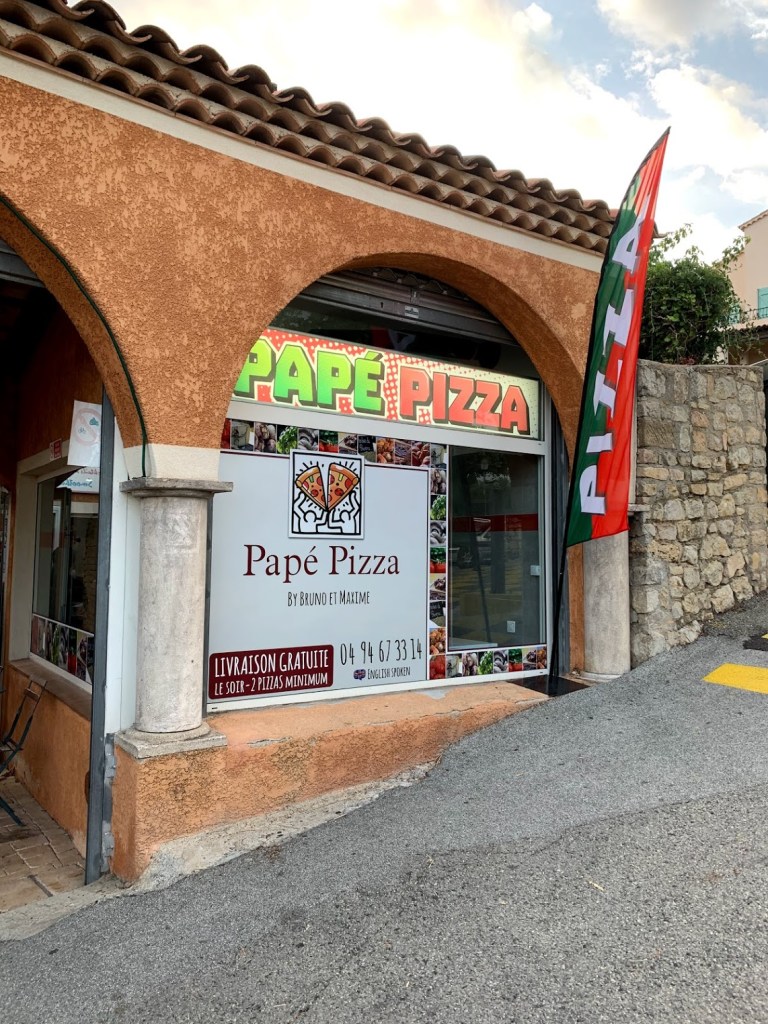
We cleaned up, found a gelato place, and the kids rode the giant Ferris wheel. We drove home stopping for dinner in Frigano at Papé Pizza.  We all agreed it was the best pizza we had ever eaten and the owner was very friendly and nice.

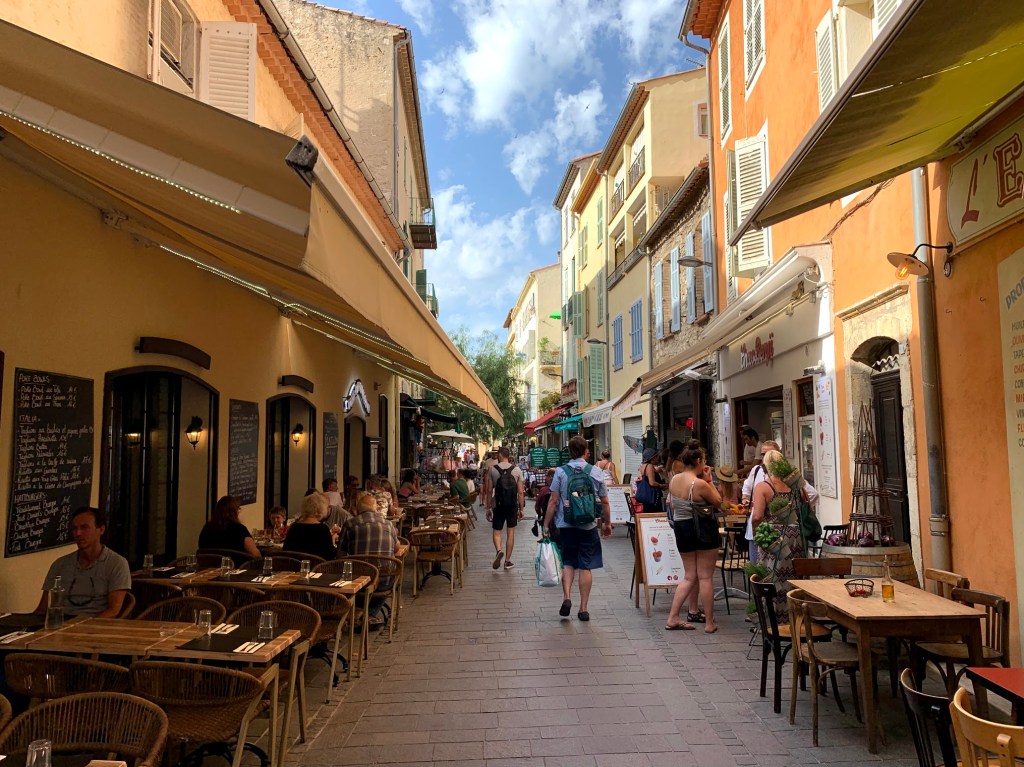
Pedestrian way in Antibes

A Wee Country: Monaco

This morning we drove a little over an hour southeast to the tiny Principality of Monaco. It is the 2nd smallest country in the world with a landmass at only 2.2 km sq. It has been a principality since the 17th century and is currently ruled by Prince Albert II and his wife Princess Charlene. They have 4 yr. old twins Prince Jacques and Princess Gabriella.

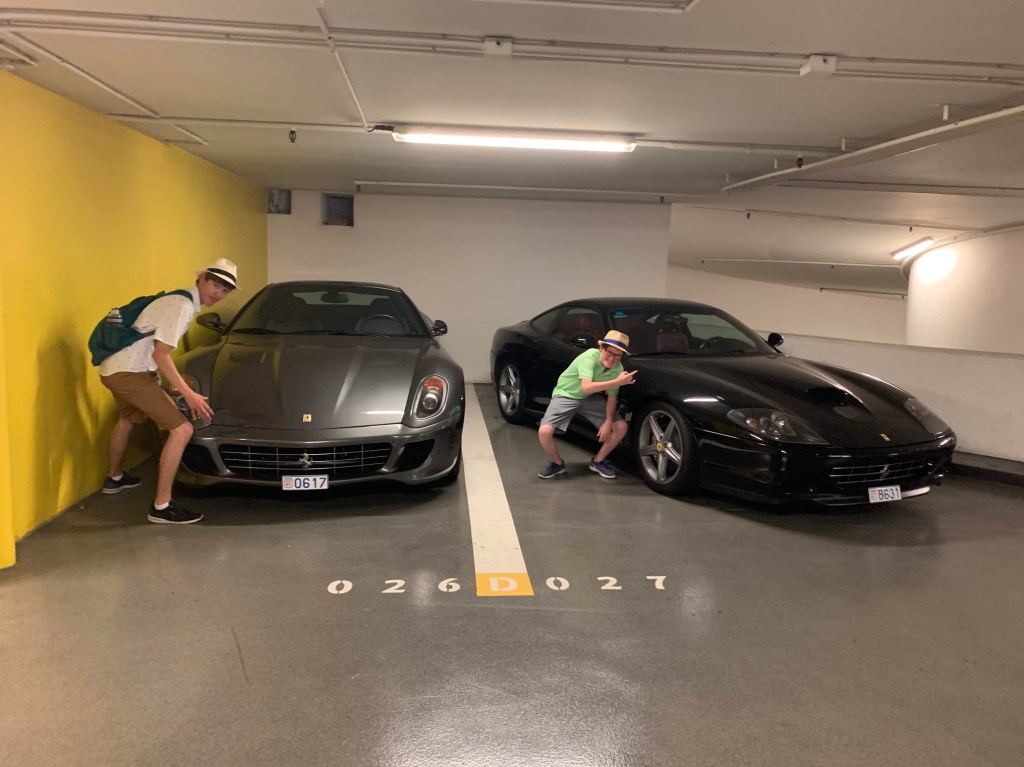
We entered Monaco via an underground mountain tunnel that spirals downward to the sea. After parking underground we took a lift up to ground level. The first thing we saw as we excited the garage was a view of he sparkling turquoise waters of the Mediterranean Sea!

Our first view of the Mediterranean and Monaco

About 38,000 people live in Monaco. The city of Monacoville was absolutely beautiful and very clean. There are actually three cities that make up the little principality, Monacoville, known as Le Rocher, La Condamine, and Monte Carlo. The latter is known worldwide for being the playground of the rich and famous, who come to gamble at casinos and dock their mega yachts!

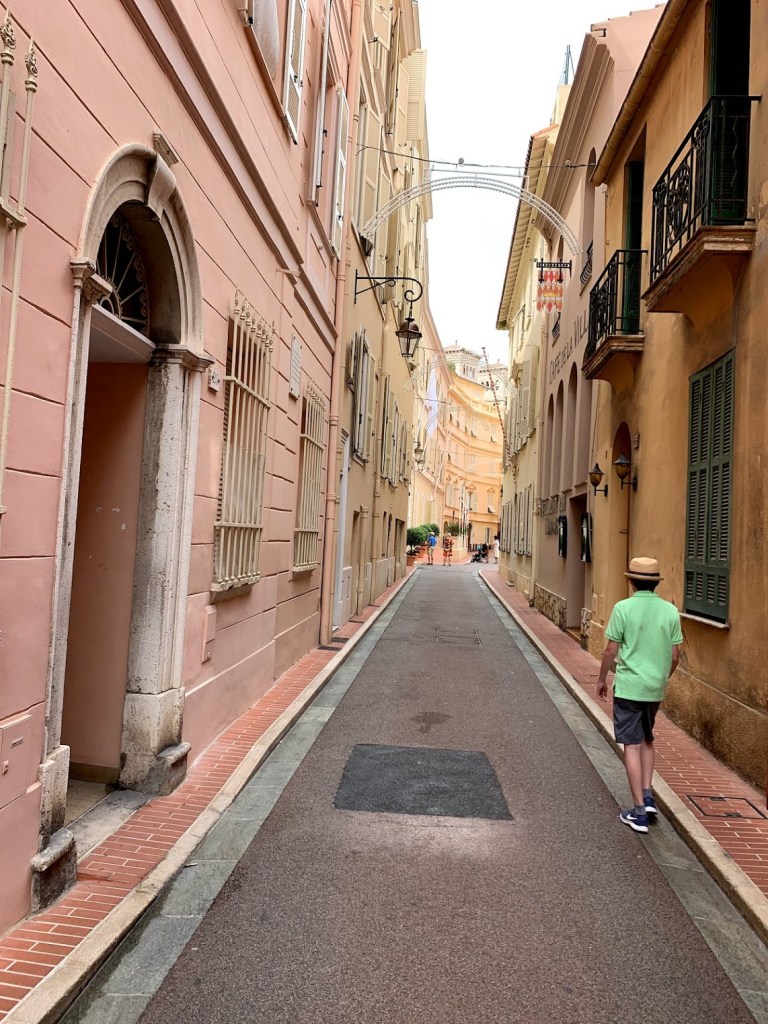
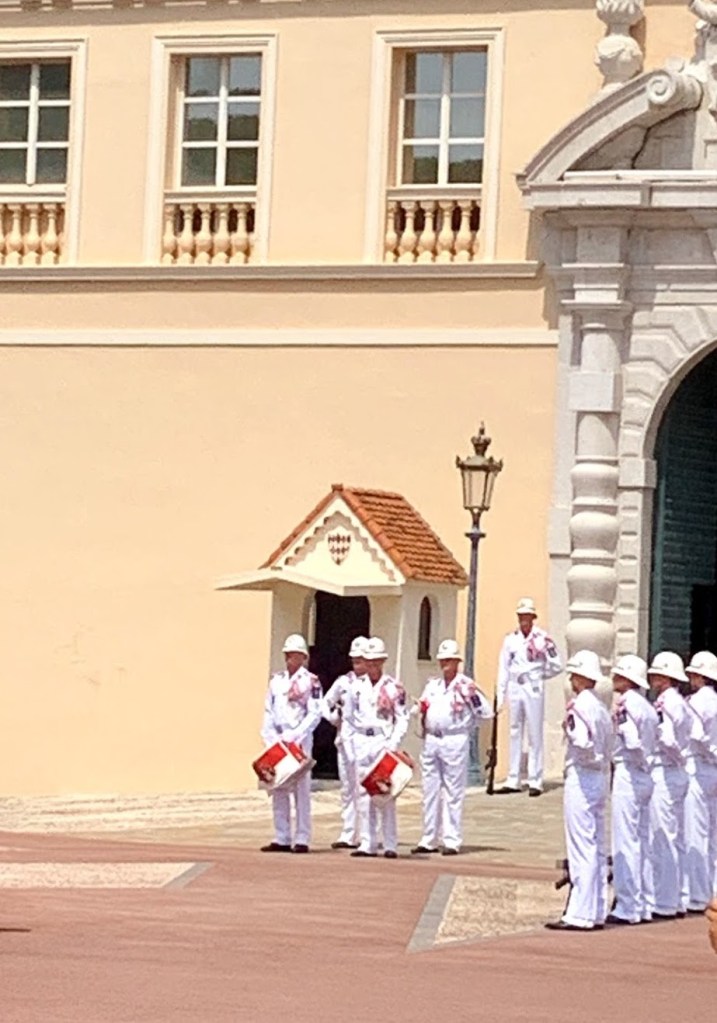
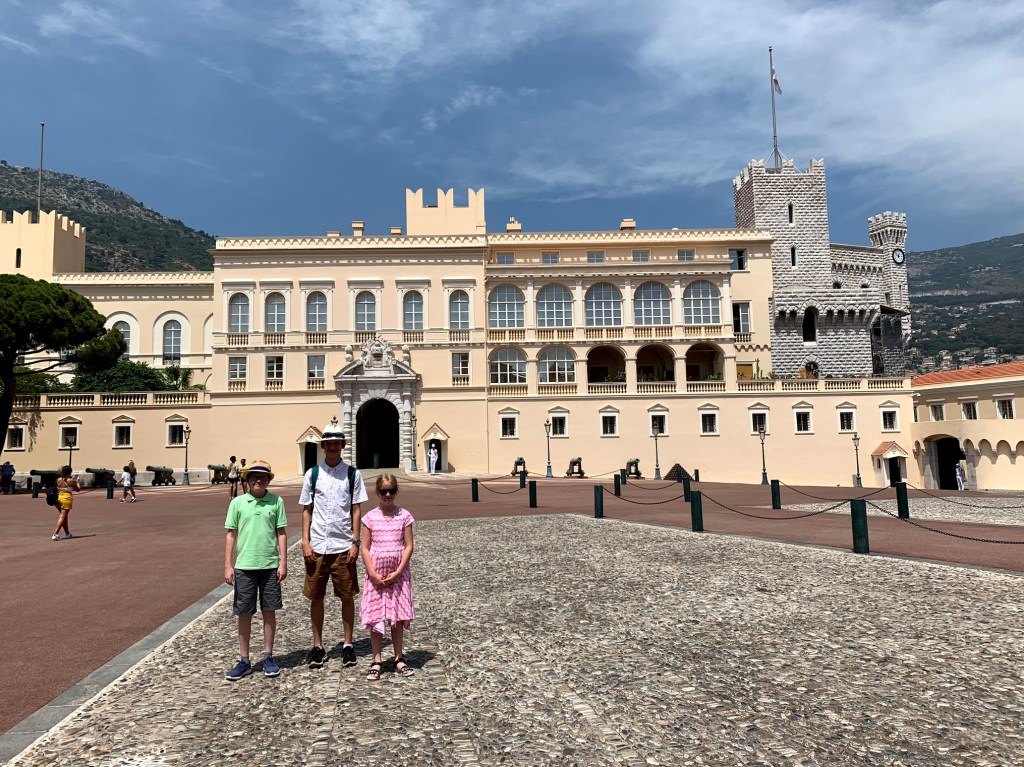
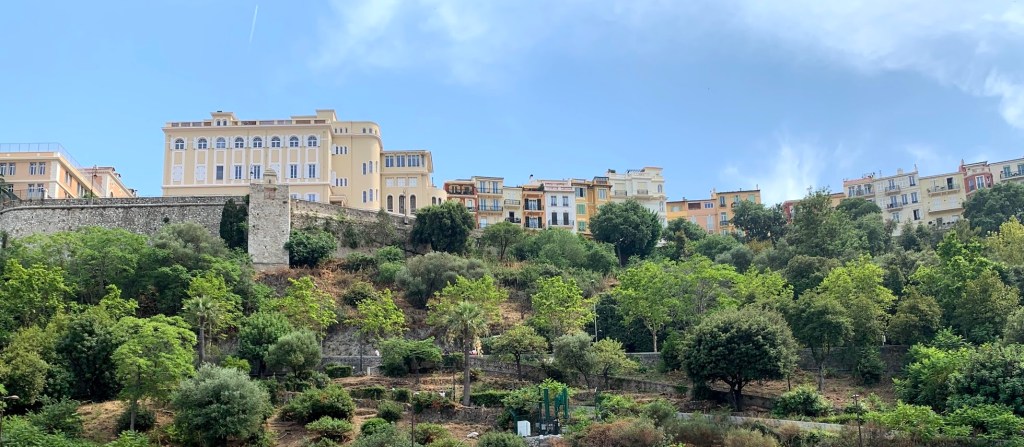
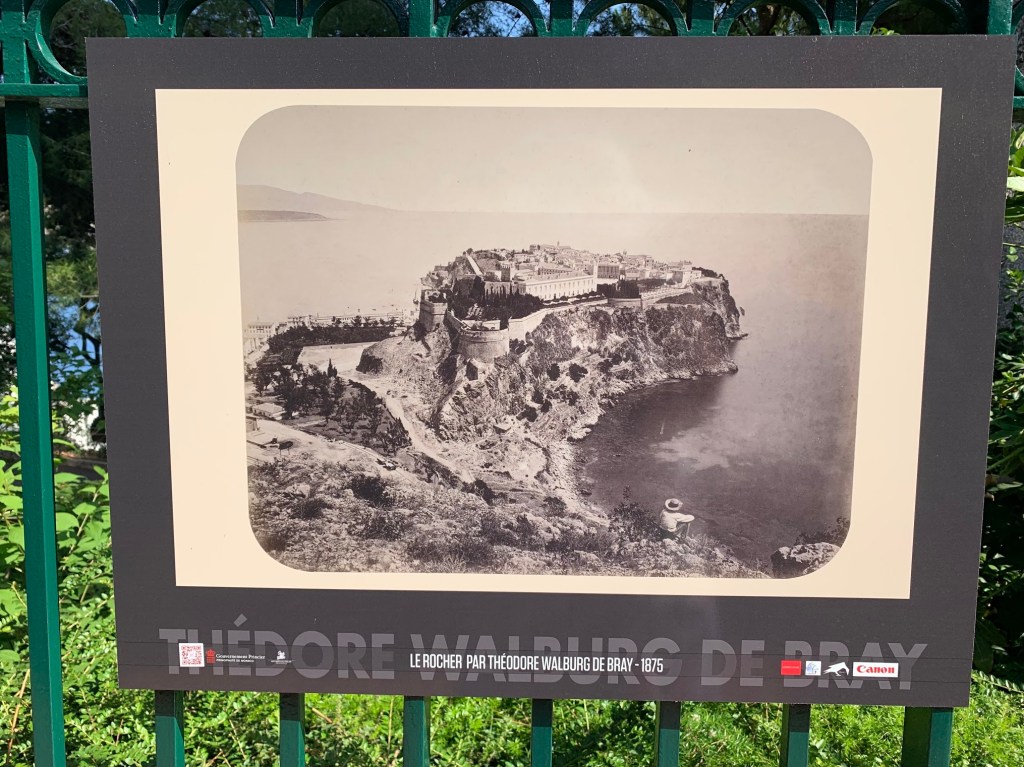
Le Rocher or “The Rock” is the location of Old Town Monaco with it’s cobblestone and brick roads, bright earth tone Mediterranean colors, and 17th-18th century buildings. Perched on the cliff within Le Rocher is the Palais du Prince or “Palace of the Prince”. We arrived just in time to witness the 12:00 changing of the Guards. The guards processed from the barracks across the courtyard to the palace. They were dressed in crisp white uniforms and marched precisely to the drum and bugles,

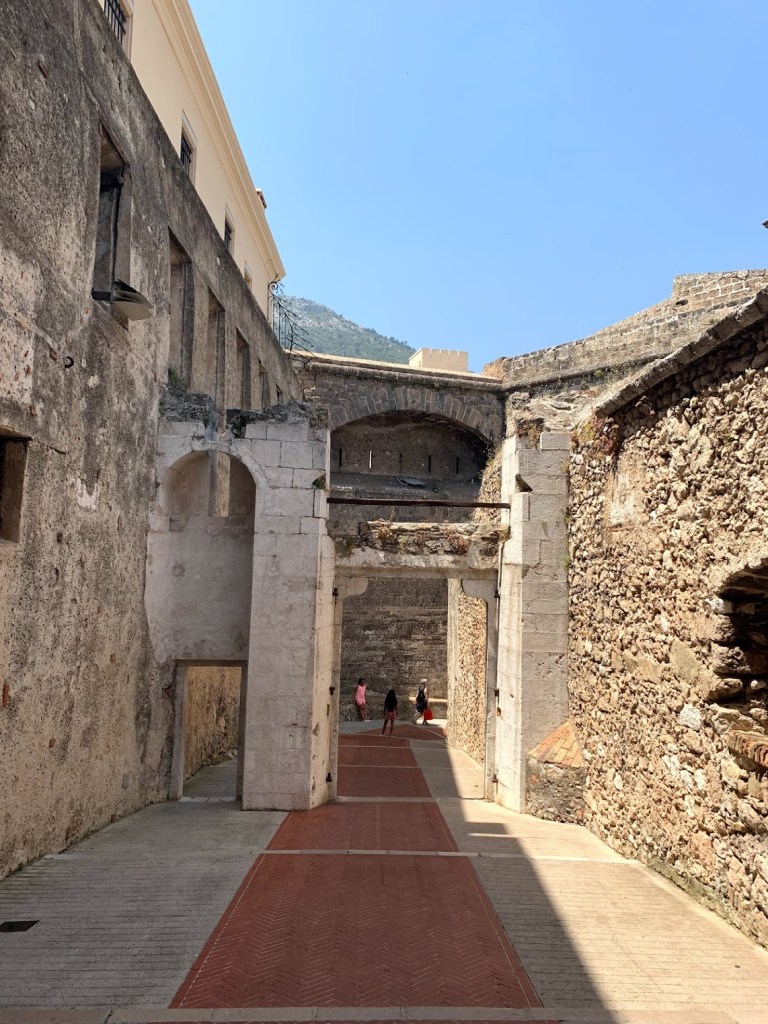
Just off the square we had a nice lunch at a local French restaurant and then we entered the Palace. We all enjoyed the leisurely audio guide tour of the Palace courtyard and State Rooms. Palais du Prince is one of the most elegant palaces I’ve ever toured! Classical details and well appointed without being over the top. There were no gaudy gold filigree statues, busy frescos, or crazy wild wallpapers etc. The lines of each elegant room contained Mediterranean colored trim work, furniture, and classical art. It felt like a warm comfortable residence. However the throne room was the typical red velvet and gold as one would imagine a throne room to look like!

Palais du Prince, Monaco: 8 July 2019
This is the oldest portion of the Palais and it leads to the gardens which take you down to the Marina.

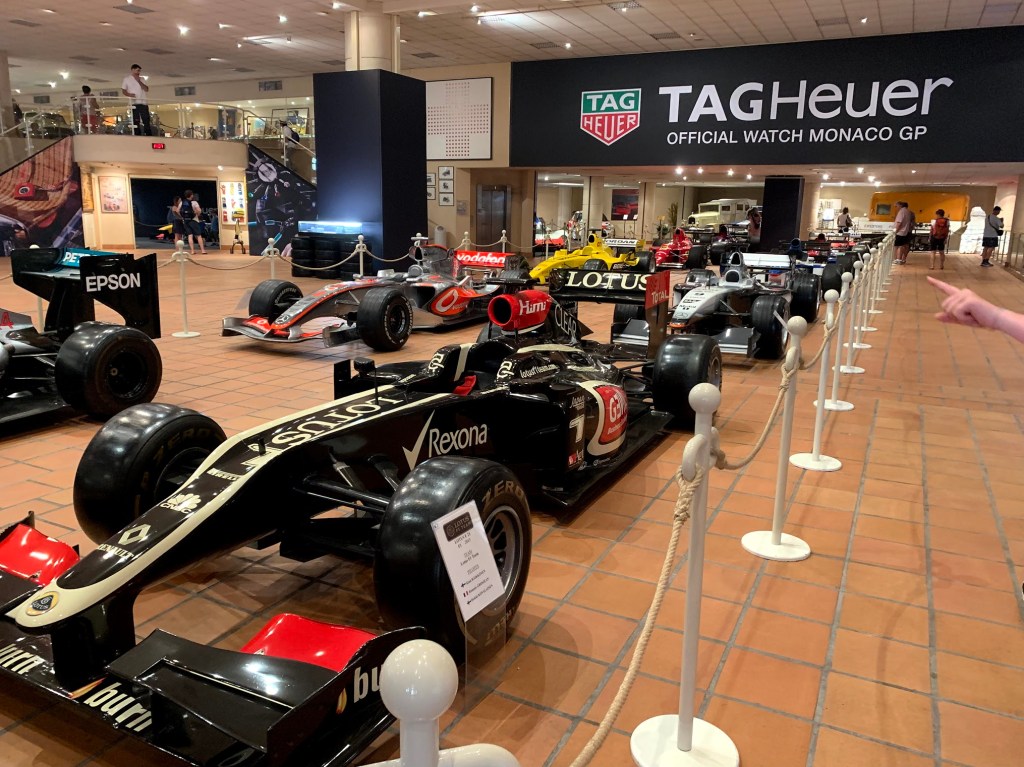
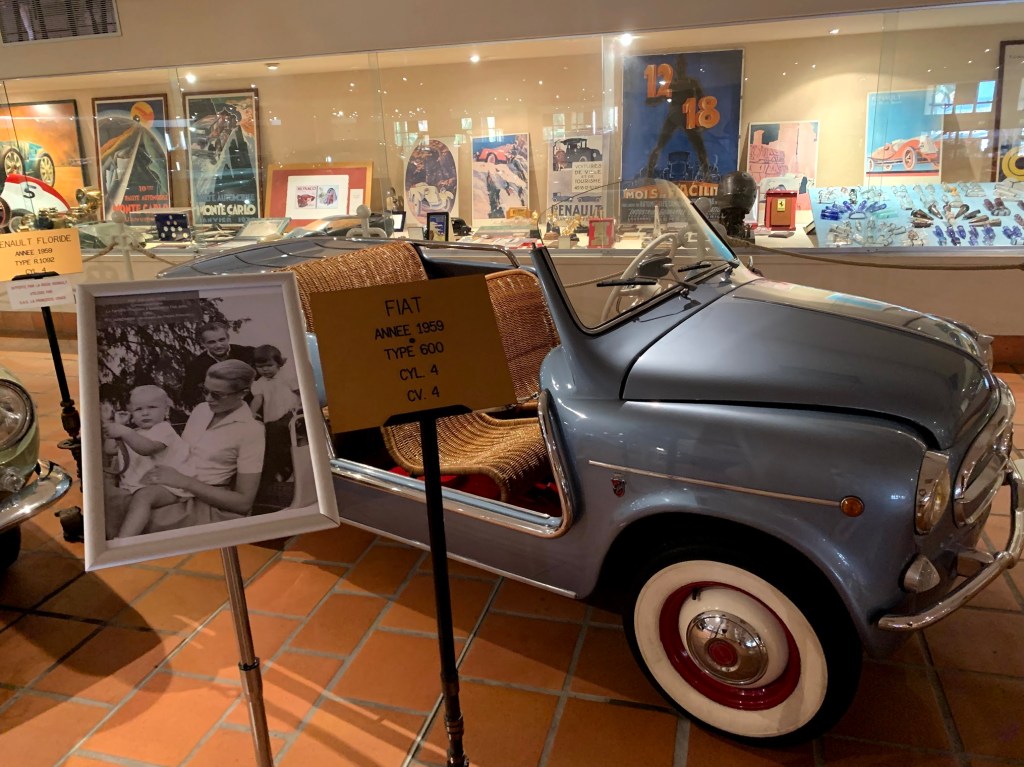
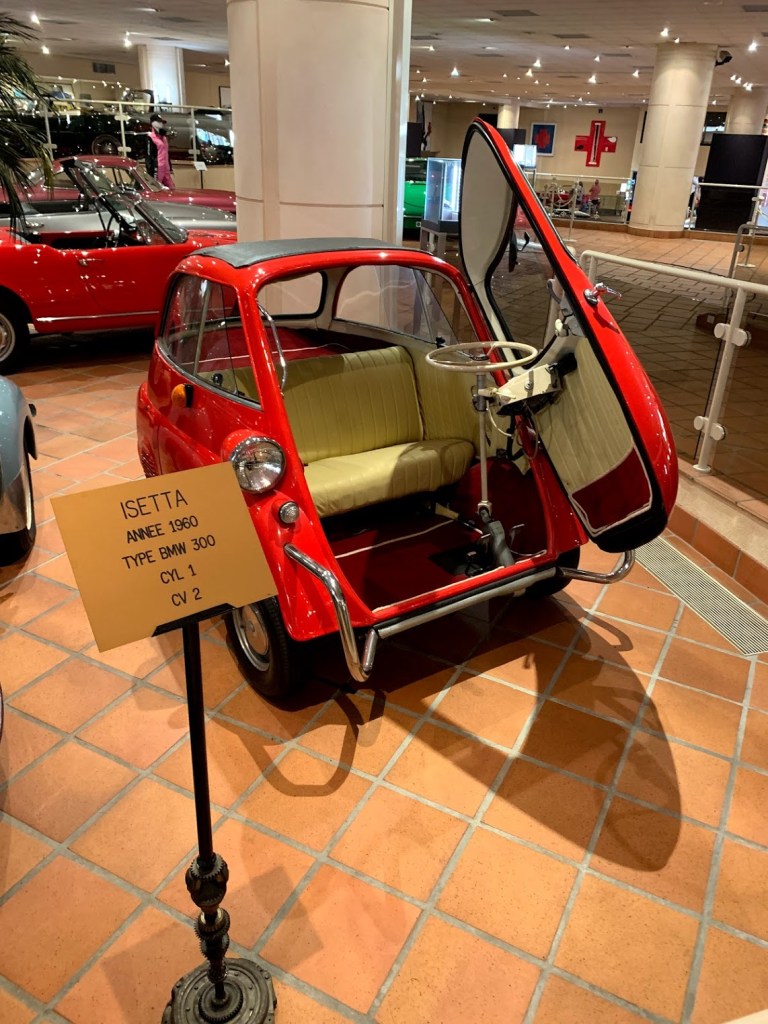
The Palace ticket also included an entrance to the Prince’s Automotive Museum. Monaco is known not only for yachts and casinos, but also the Monaco Grand Prix Formula One Race, which is held every year. It’s usually held in May and the drivers start and end in Monaco, but also drive along the French/Italian Riviera.  There were race cars from as early as the 1920’s, fancy royal cars, and cars used in movies shot in Monaco.

I just love this little 2 seater BMW!

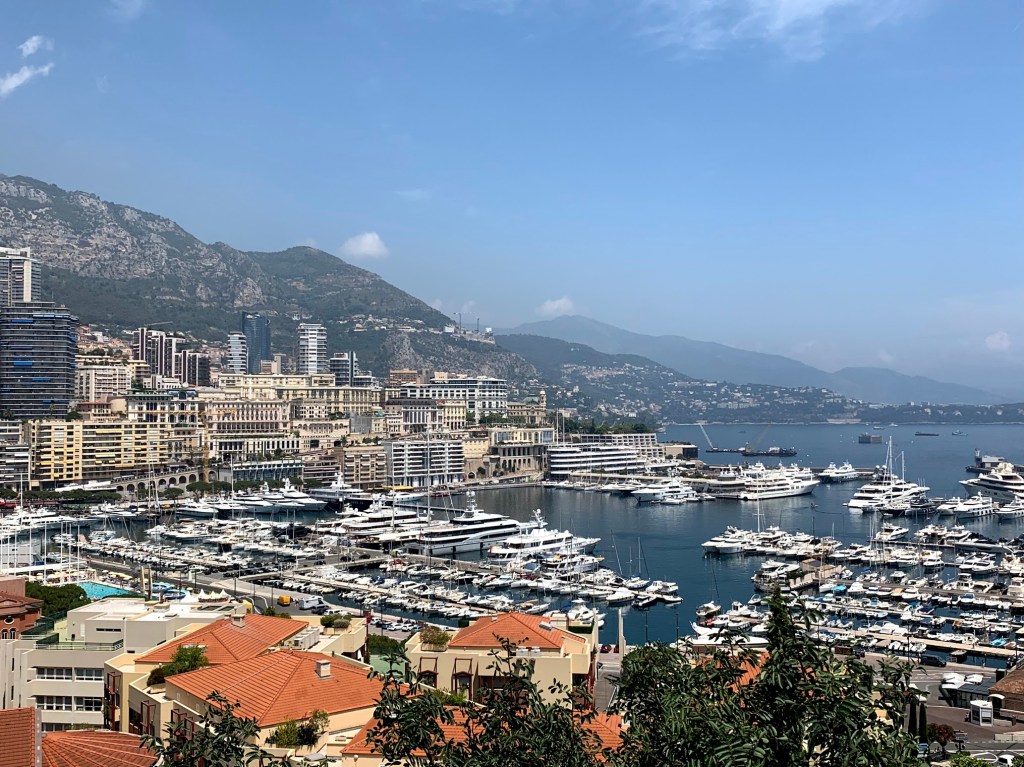
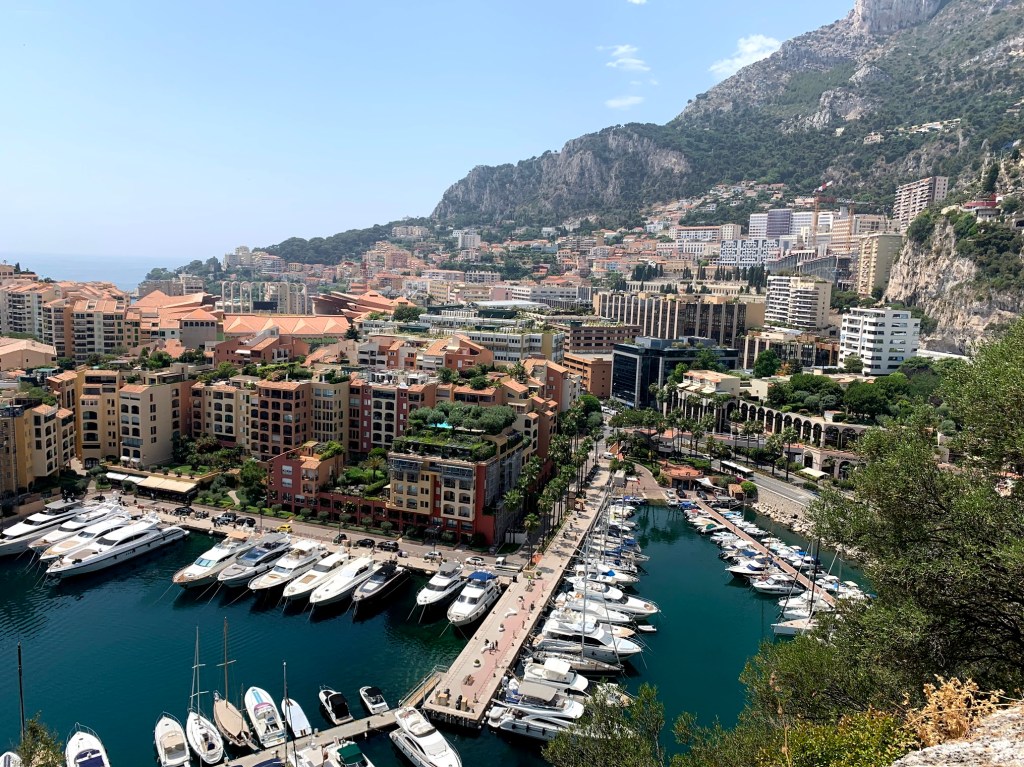
The sun was warm, but the ocean breeze helped cool us off. We found a gelato shop and sat in a little local green shady square while we ate. A few blocks further on and we were at the marina. I’ve always wanted to see the famous Monaco Marina with its multi-million dollar yachts! Docked there were simple sailboats all the way up to triple or quadruple decker mega yachts!

View of the Marina as seen walking downhill from the Palais du Prince
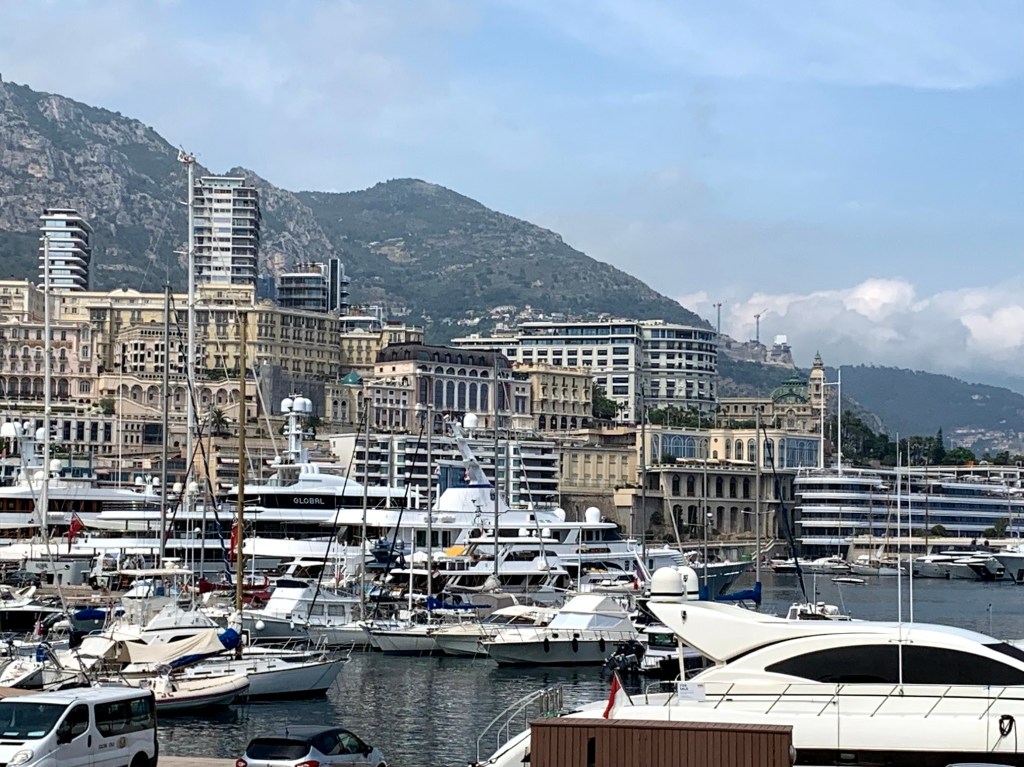
Monte Carlo and the Marina
View of Le Rocher, the gardens, and the Palais du Prince as seen from the Marina

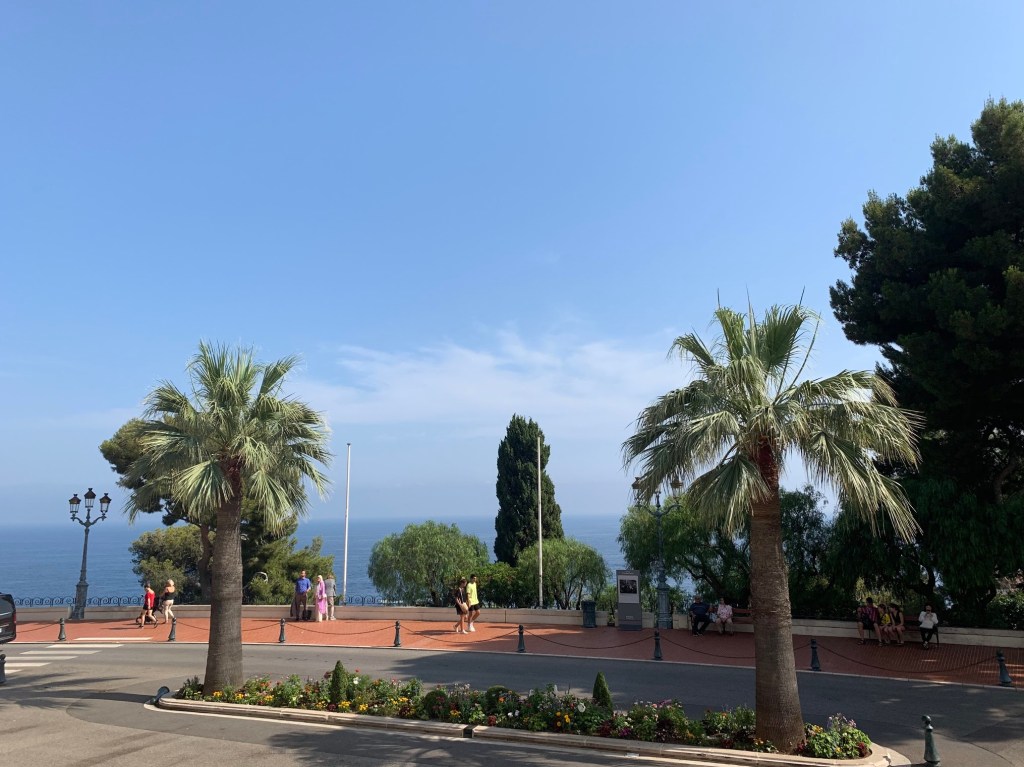
Then it was time to hike back up the hill through the green shady park back to the Palace Square. It was a tiring trek so once at the top we sat in the shade and gulped water from the local community water filling station. Public water fountains are all over Europe and are often well maintained and provide clean, fresh, cool water. The view was lovely from the side of The Rock by the Palace.

View from the public water fountain near the Palais du Prince

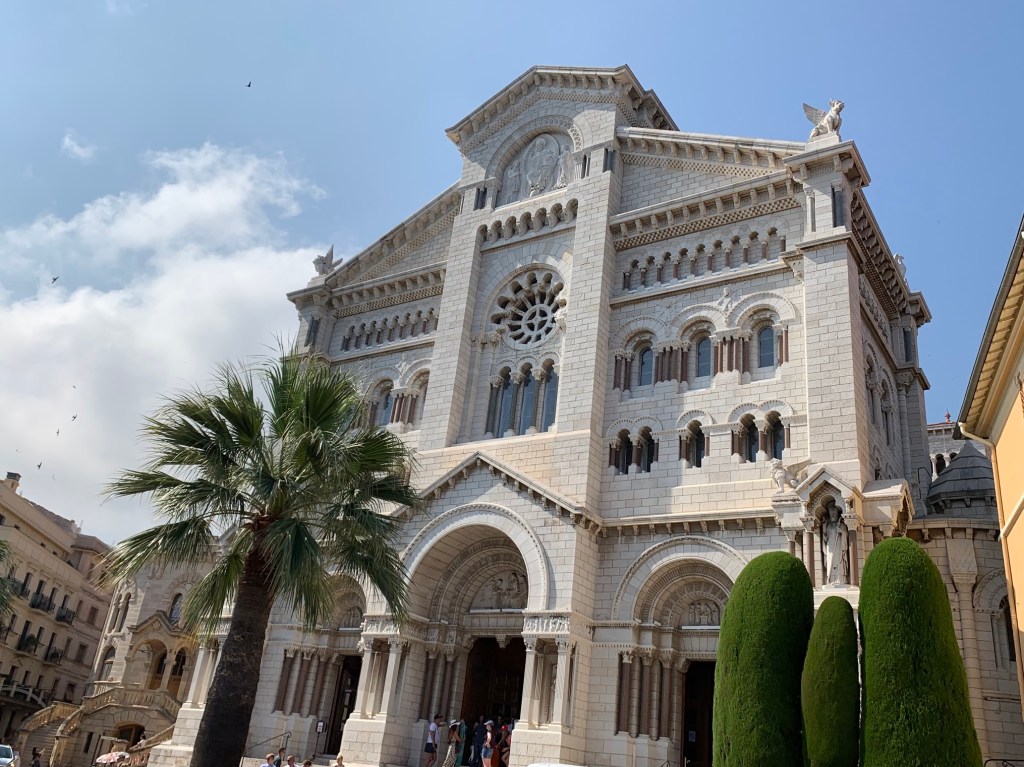
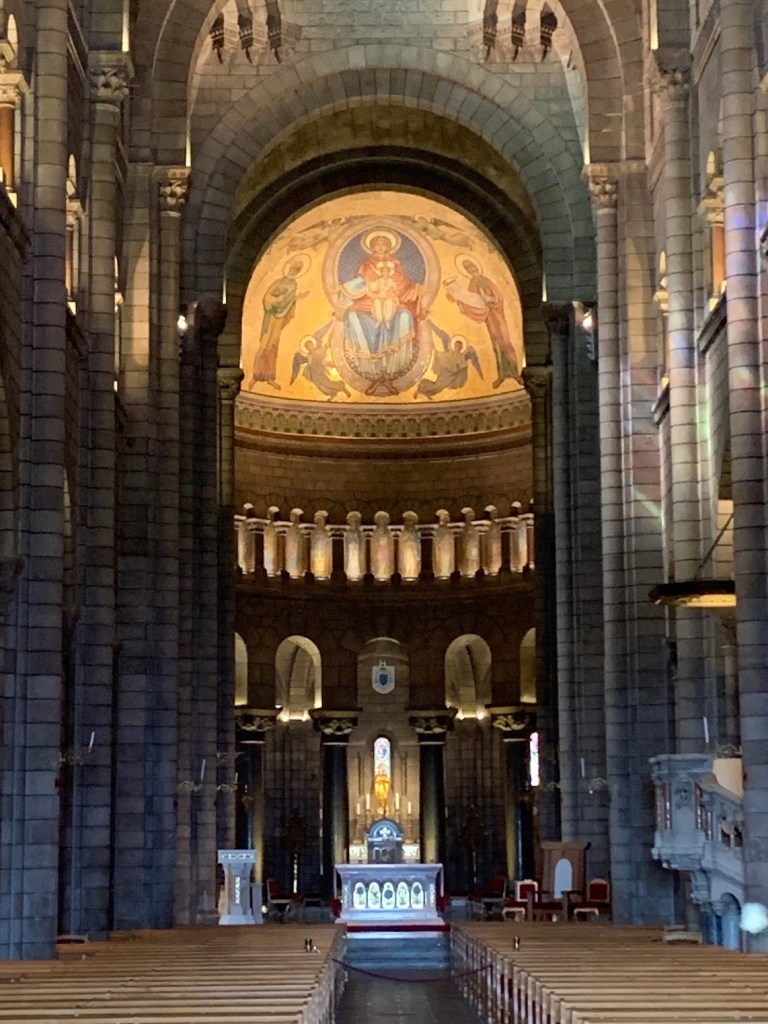
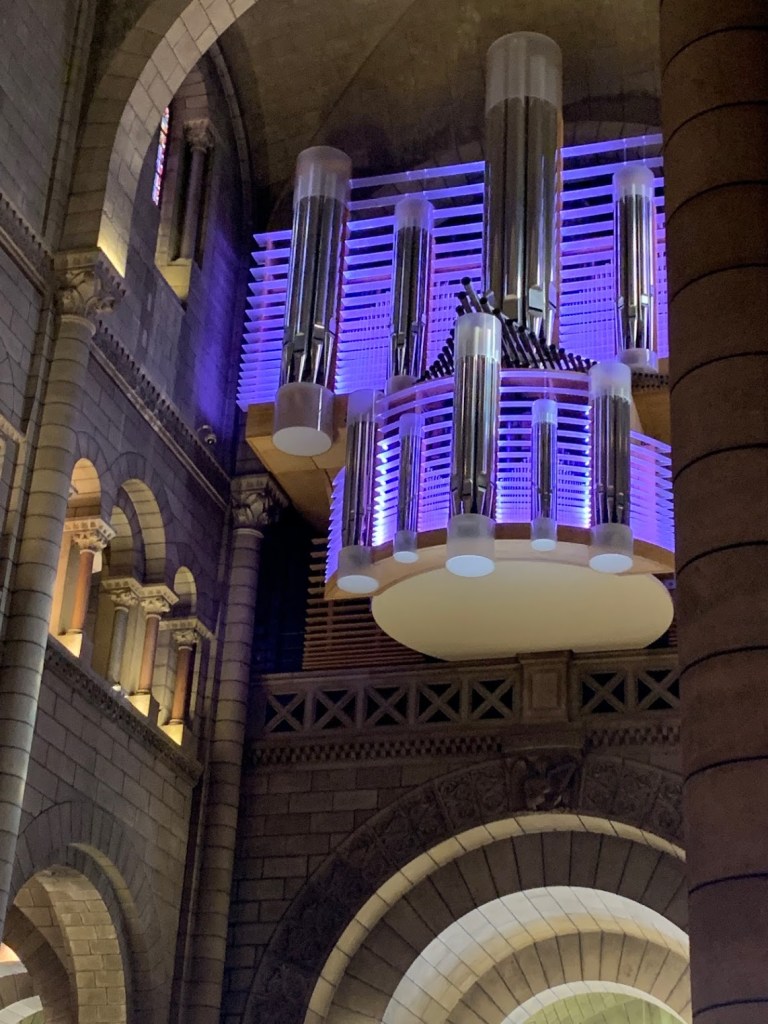
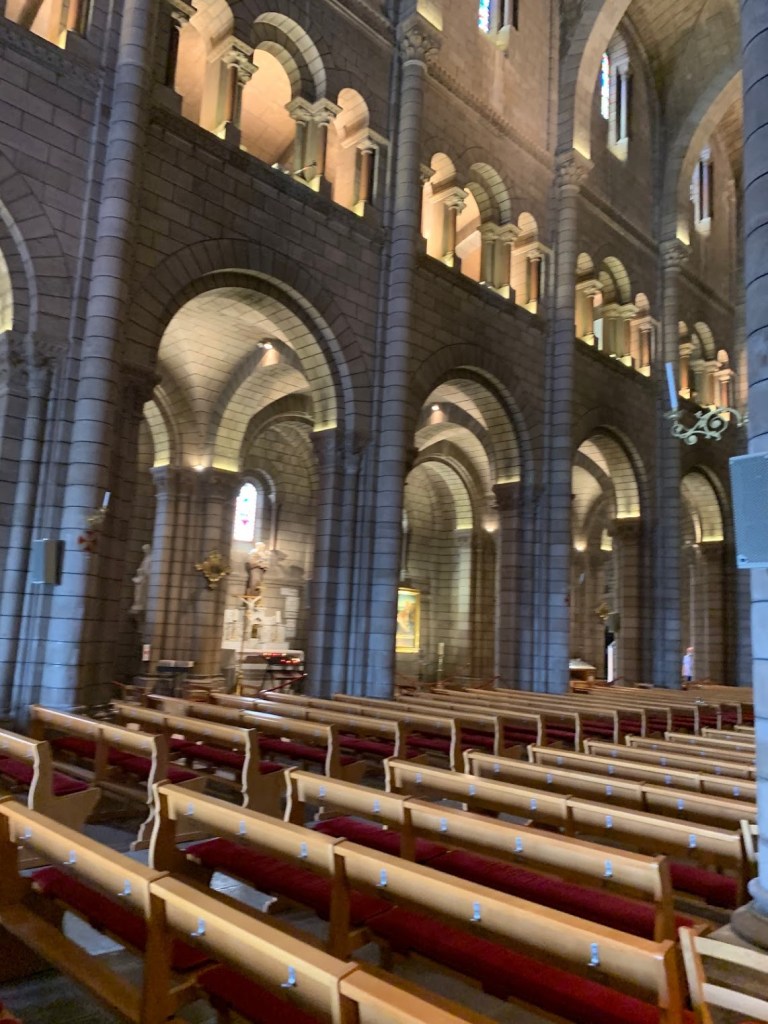
We meandered back through the charming streets to the Aquarium. Unfortunately, it was very busy. Instead we walked a couple of blocks to Monaco Cathedral.  While inside the Byzantine styled church, the organist began practicing adding an ethereal ambiance to our visit. We found the graves of Prince Albert’s parents, Prince Reinier and Princess Grace. Grace Kelly was originally a famous American actress and so the current Prince speaks French as well as American English. The entire sanctuary was traditional except for the neon blue lights around the organ balcony in the back.

Monaco Cathedral
Inside the Cathedral of Monaco

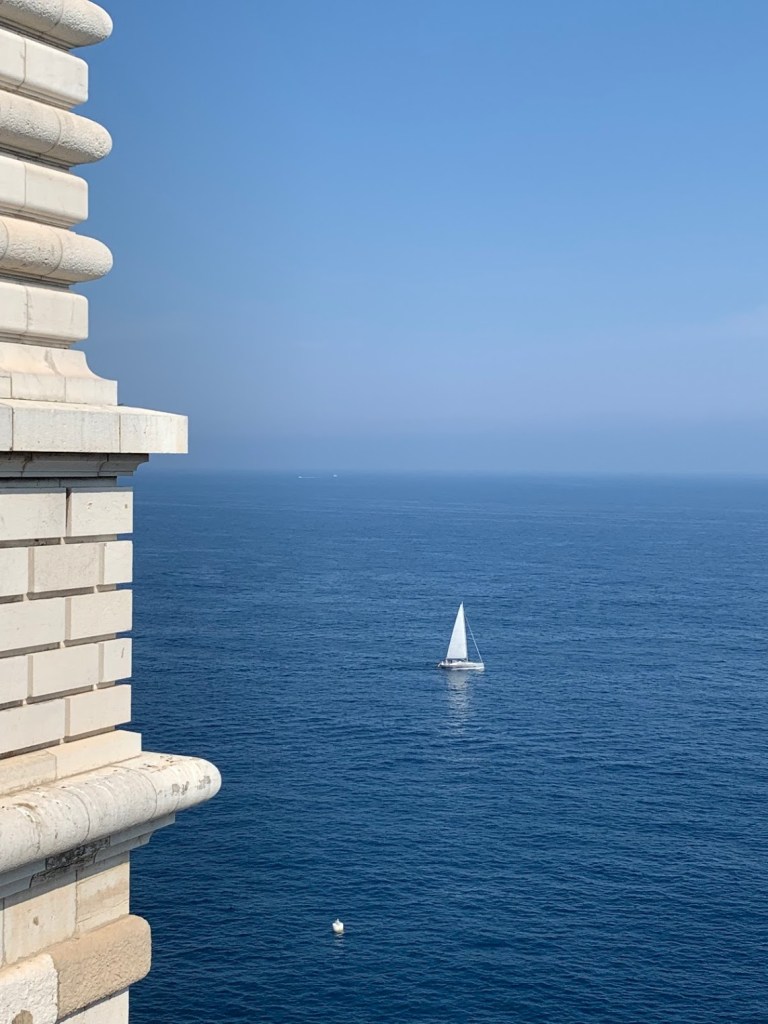
Our final stroll took us along the seaside and garden promenade. We drove up and out of the garage past the marina. I caught my final glimpse of the white yachts glittering in the sunshine before we headed into the spiraling mountain tunnel that took us back to France!
Sparkling sea and sailboat

Masters of Music and Motorways

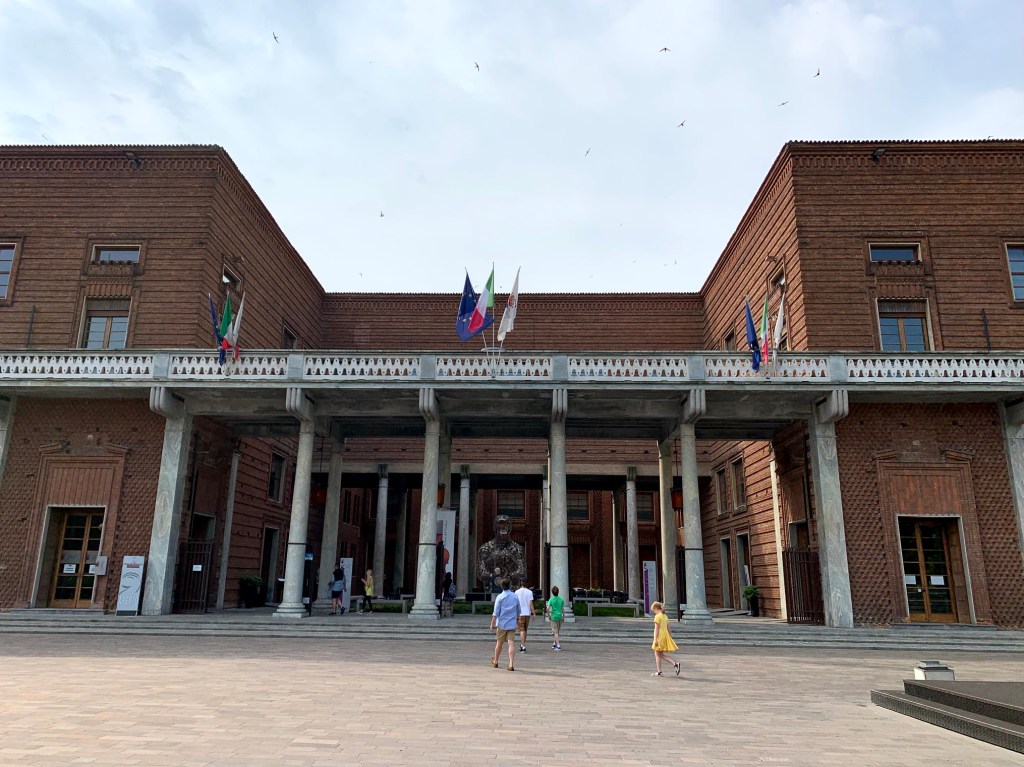
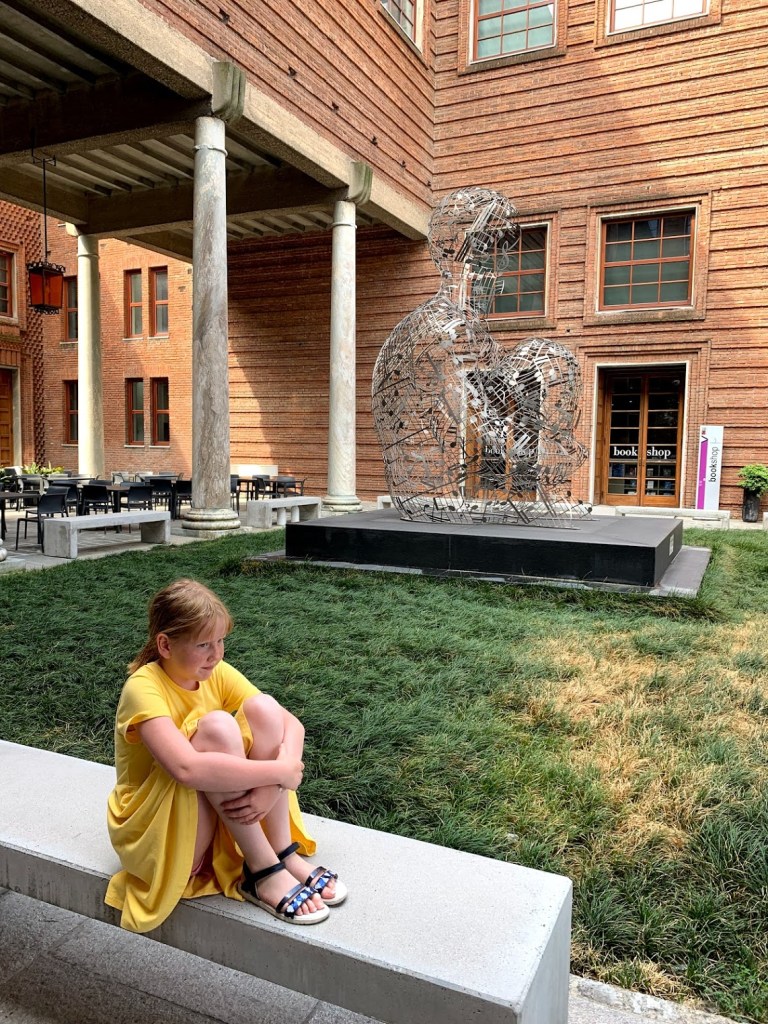
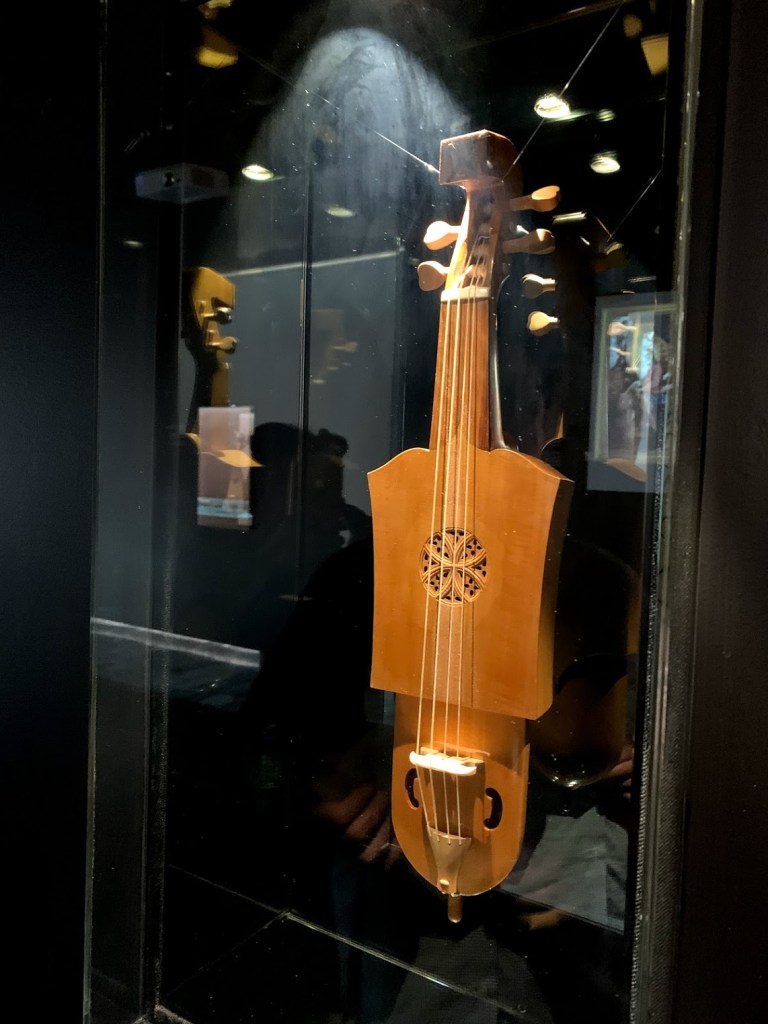
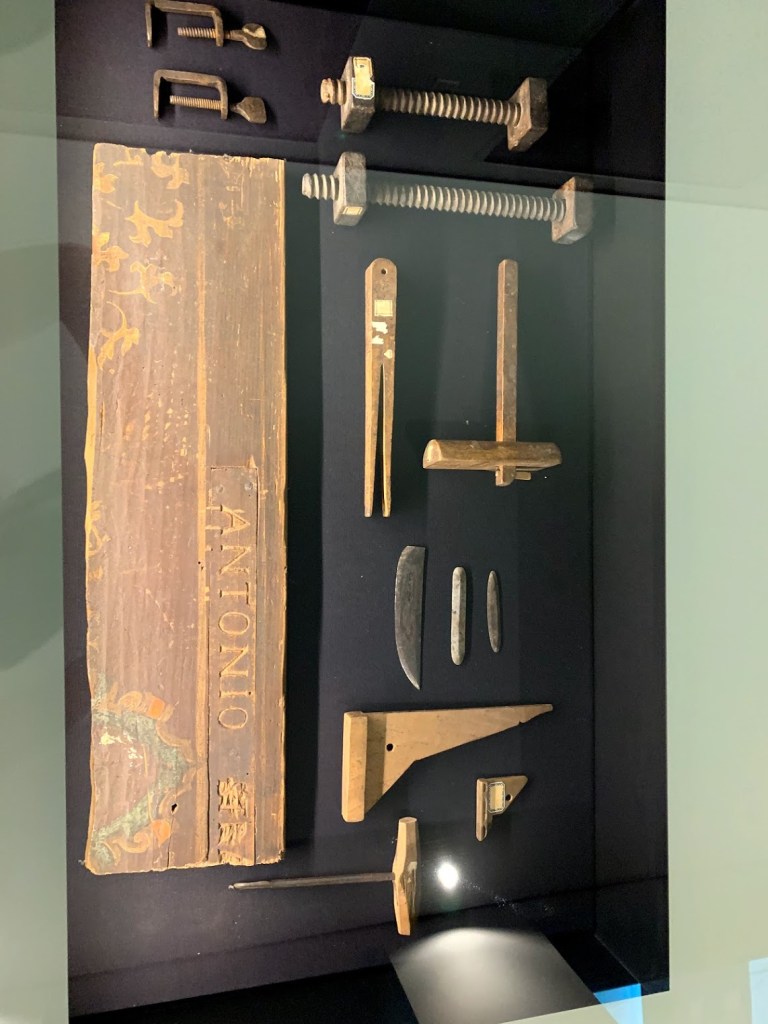
We awoke to Cremona’s church bells calling the villagers to Sunday Mass. After a hearty breakfast we walked over to the Museum of the Violin. Cremona is the ancient centre of violinmakers. For centuries Cemonan masters have made wooden stringed instruments and passed down their knowledge to apprentices.. The museum displays taught us everything from the evolution of the rebec to a modern violin, the techniques of the luthier, and also had a large display of various violins, violas, cellos, and basses made by different luthiers throughout the past 500 years.  Some of the instruments were by famous luthiers such as Stradivari, Guarneri and Alboni.

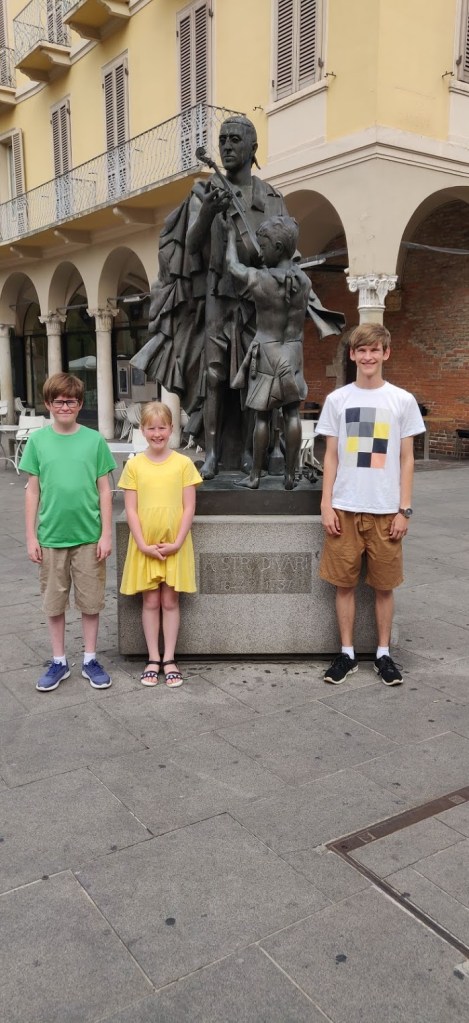
In Cremona’s main square stood a statue of Antonia Stradivari teaching a small child
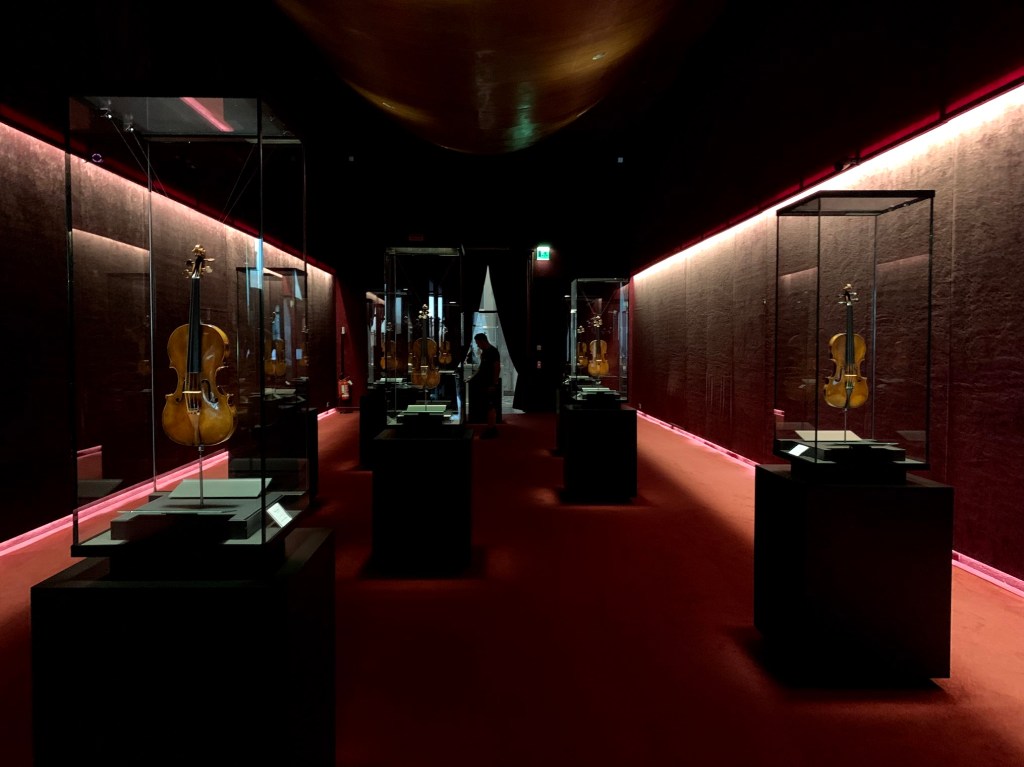
This showcase room contains various stringed instruments made by Cremona’s masters, including Stradivari and Guarneri.

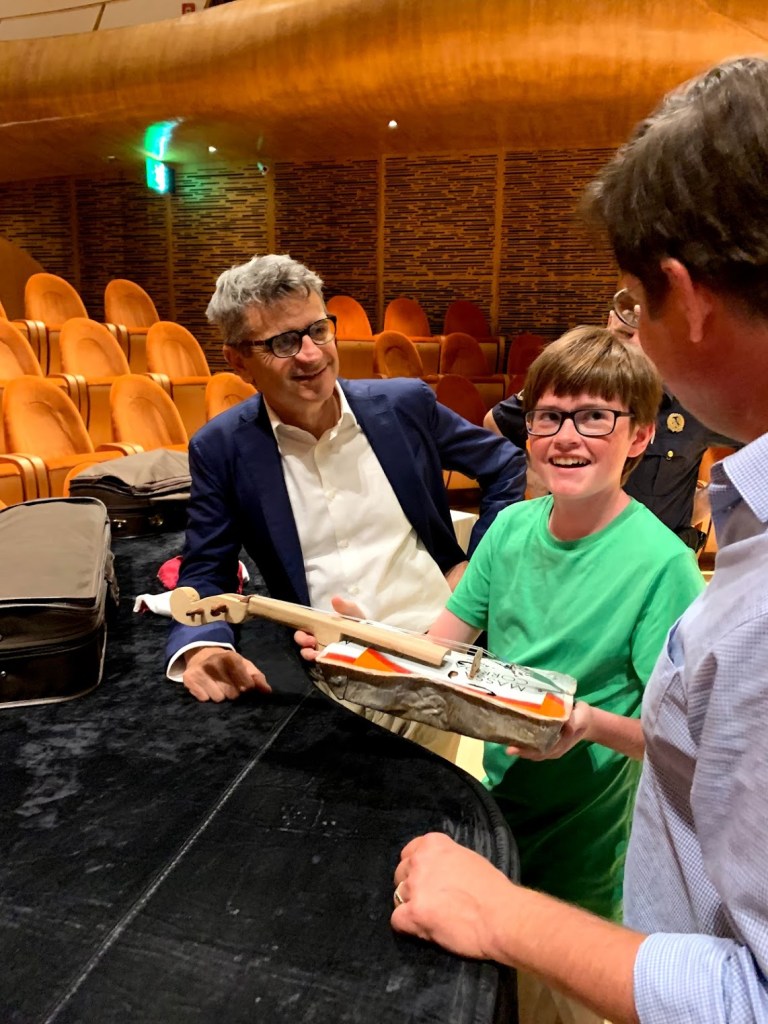
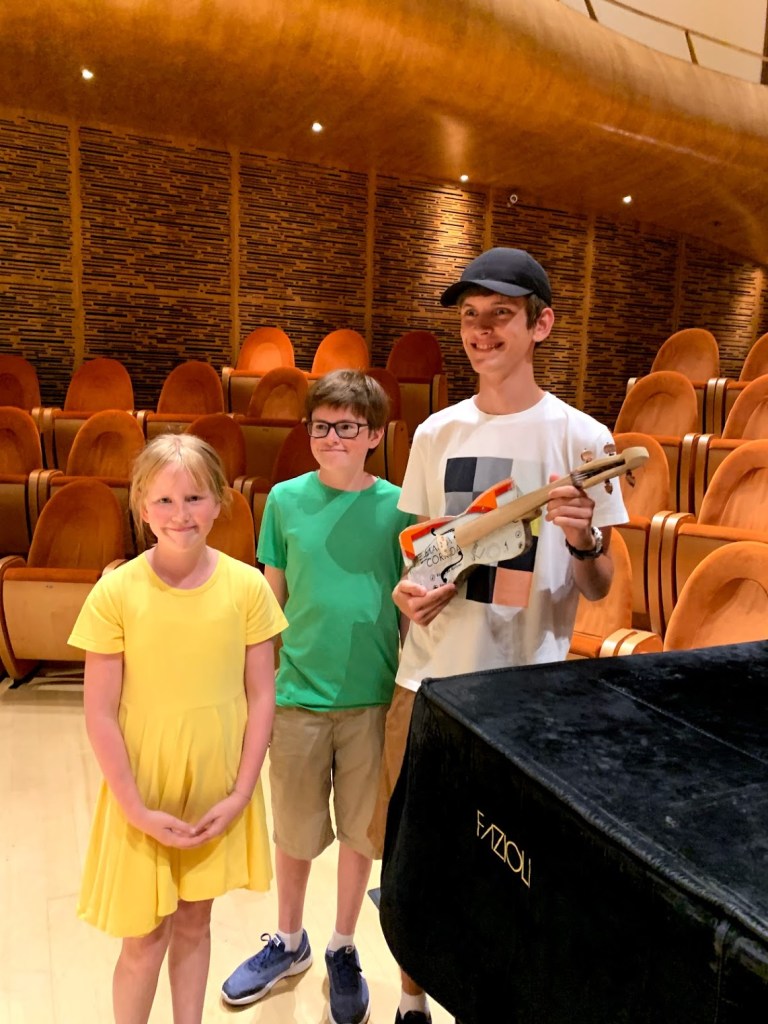
After exploring the museum we were treated to a concert in the performance hall. We heard a superb violinist playa 1669 Stradivari a cappella. The first Sunday of the month is typically the museum’s family day. As part of the concert the violinist demonstrated the sound from a Paraguayan violin made completely out of recycled material. These instruments are made so that even poor kids in Paraguay can learn music. The violinist made it sound amazing by playing an Argentine Tango. The museum docent let the kids touch and hold the violin! They took a photo of our kids and perhaps they’ll be in on the Museum’s webpage!
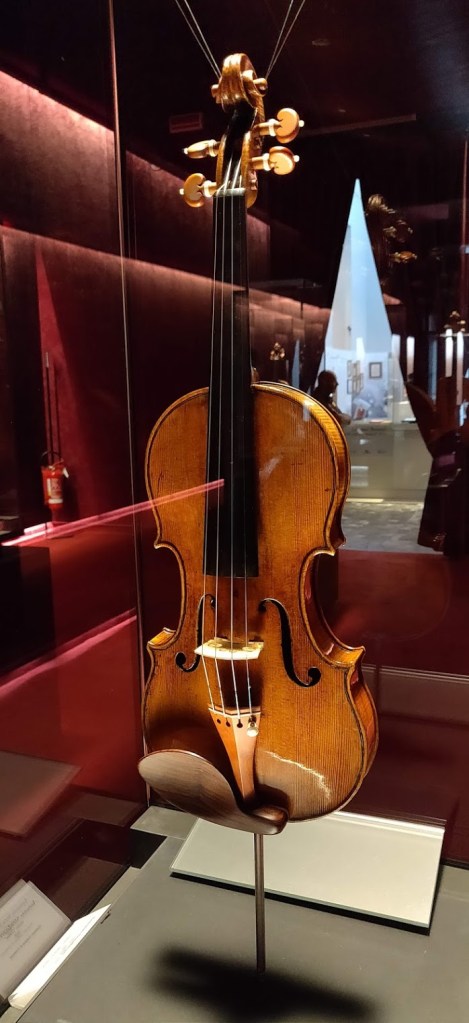
The 1669 Stradivari in the showcase room
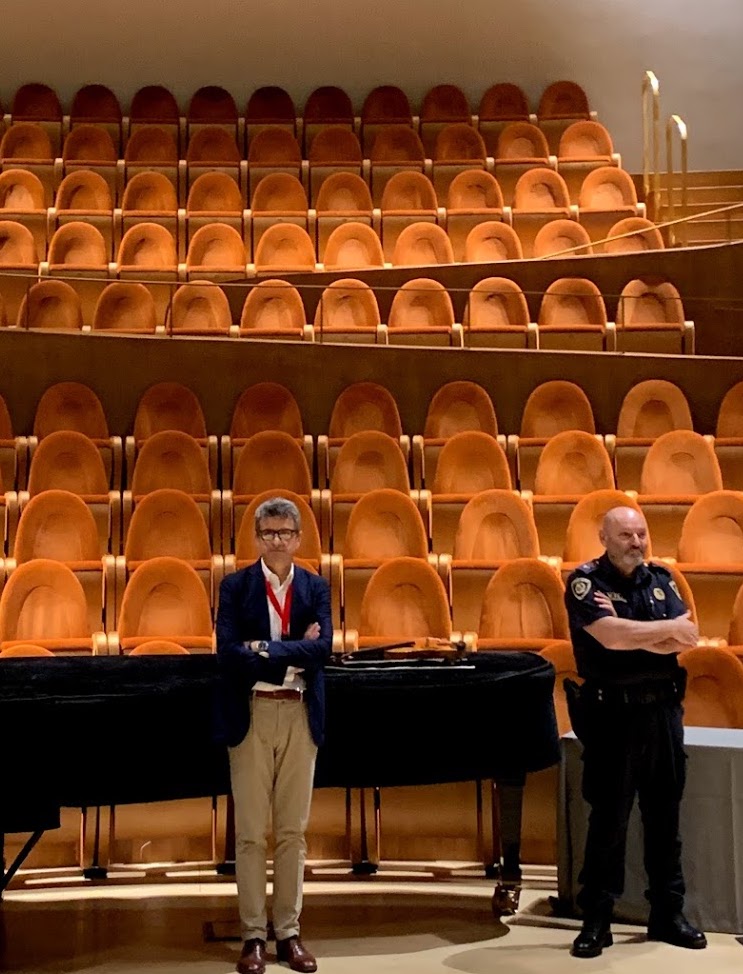
Later the violin was brought down to the performance hall. Yes, it’s being guarded by the docent and a police officer. The instrument is worth millions! The violinist was amazing and she really made the instrument sing!
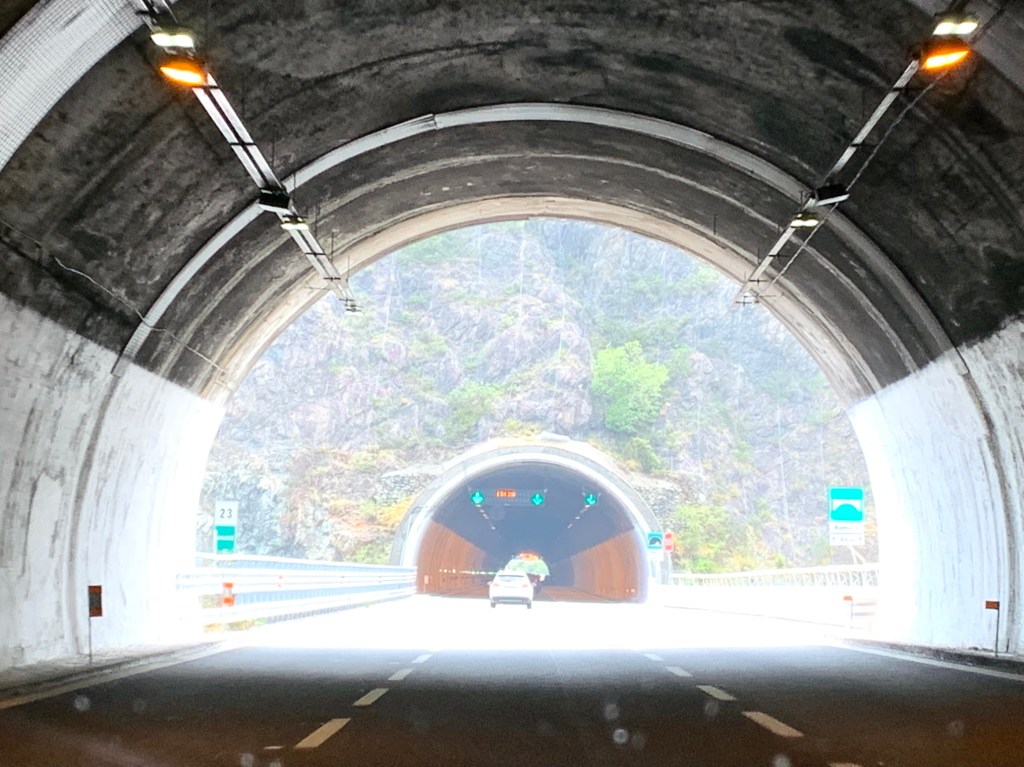
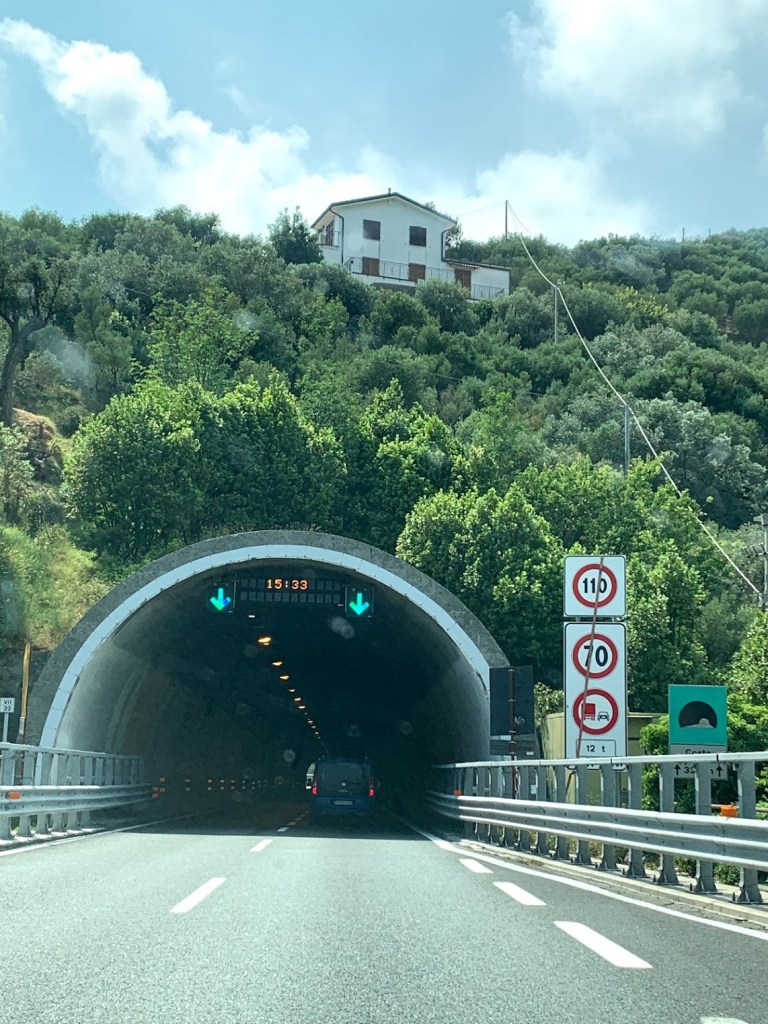
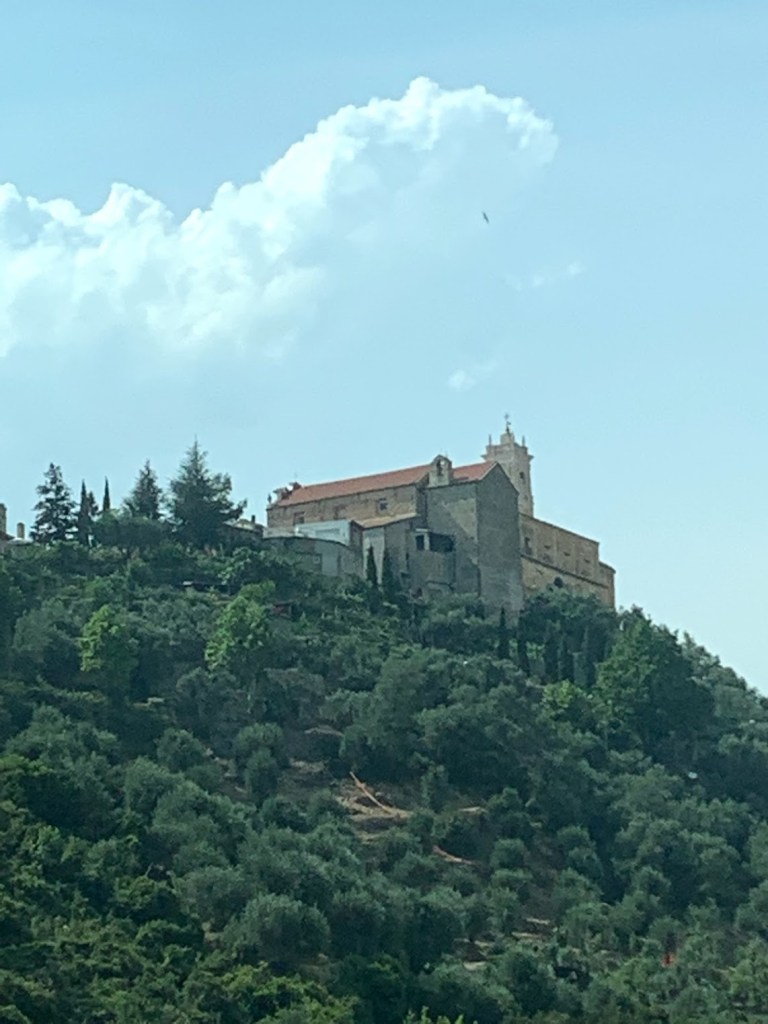
Once completing the museum tour, we drove along the Italian Rivera into Southern France. We passed through several tunnels and over many bridges. There must have been at least 100 or more tunnels of varying lengths. The motorway was quite the feat of road engineering along the coast. Cars moved together in a dance hugging the coastline, soaring over valleys, and through mountainsides.  The views as we drove varied from glimpses of turquoise ocean to red-roofed small towns, sweeping valleys reaching down to the sea, and churches perched high on hilltops.

Double tunnel

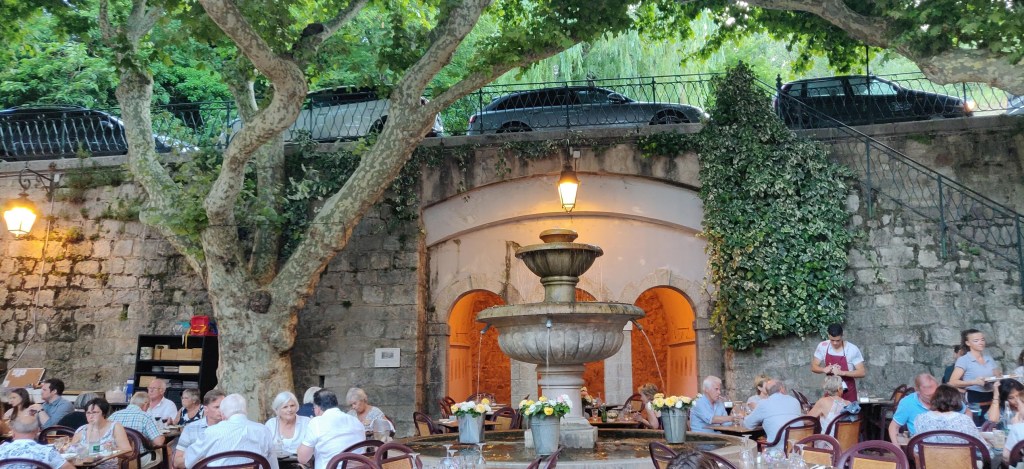
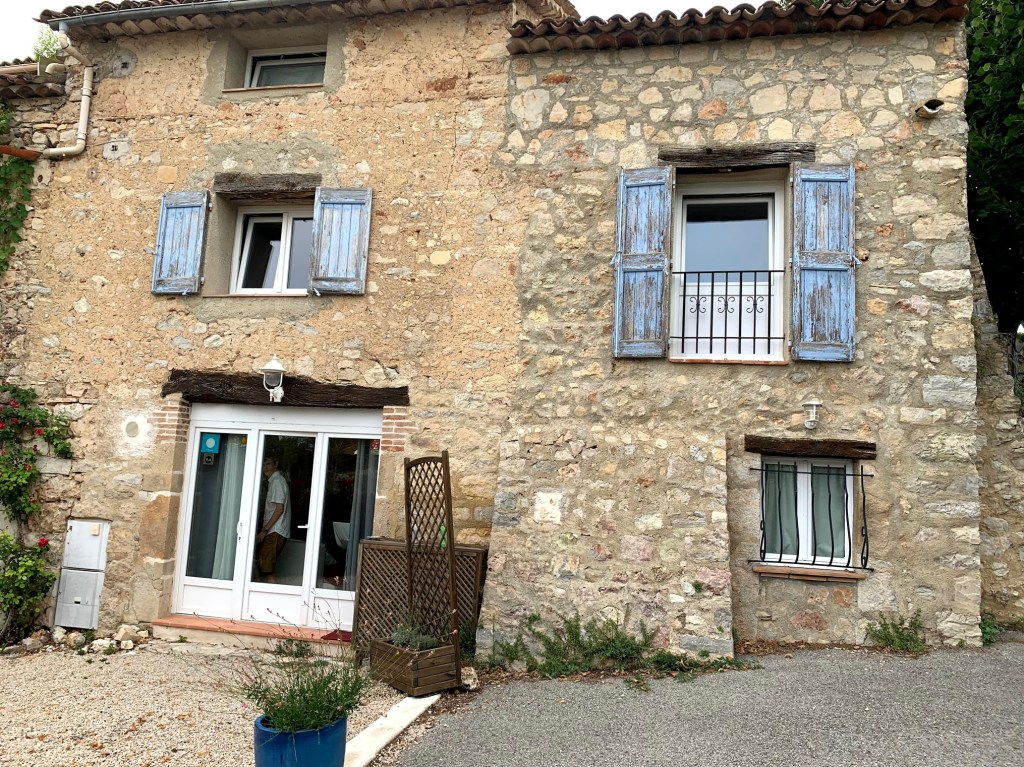
We arrived at our 18th century French farmhouse around 7:00pm. Aneshka, our hostess, was very nice. We drove to the nearest village of Seillans, for dinner and ate outside in the old cobblestoned town square. Neighborhood cats and a sweet old basset hound came over to our table for pets.

7 July 2019: Seillans, France
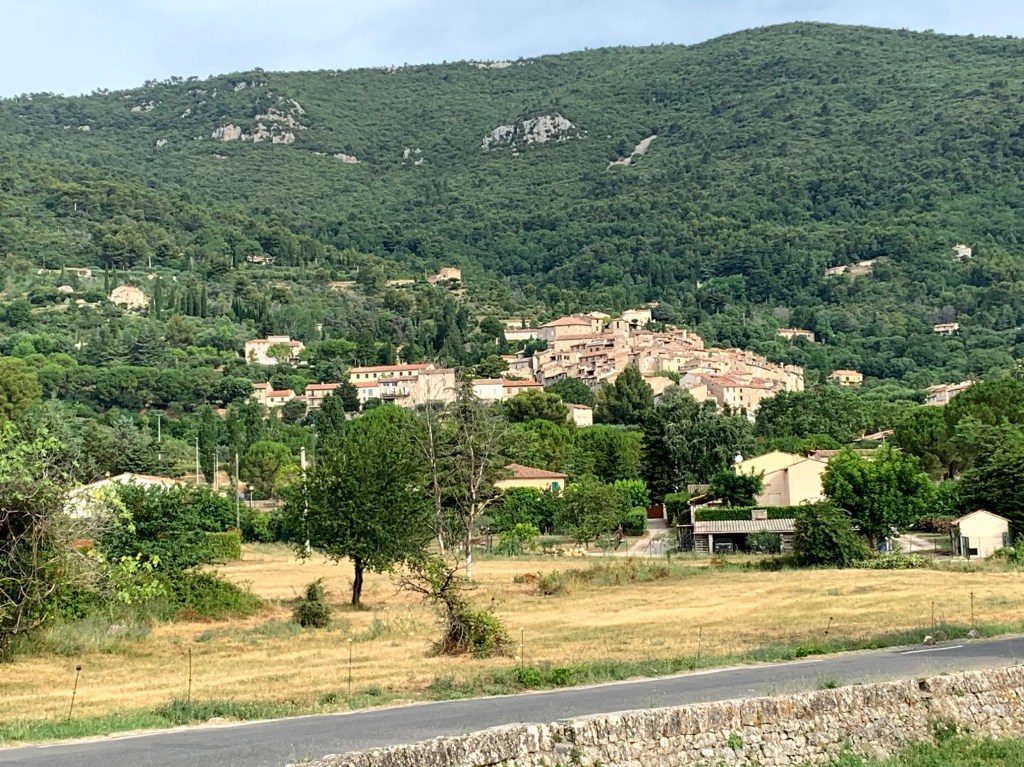
Seillans was a charming village with a lovely restaurant in the main square

As the sun set casting long shadows on the old stone walls, we walked around the narrow cobblestone streets and enjoyed exploring the quiet of a Provençal village.

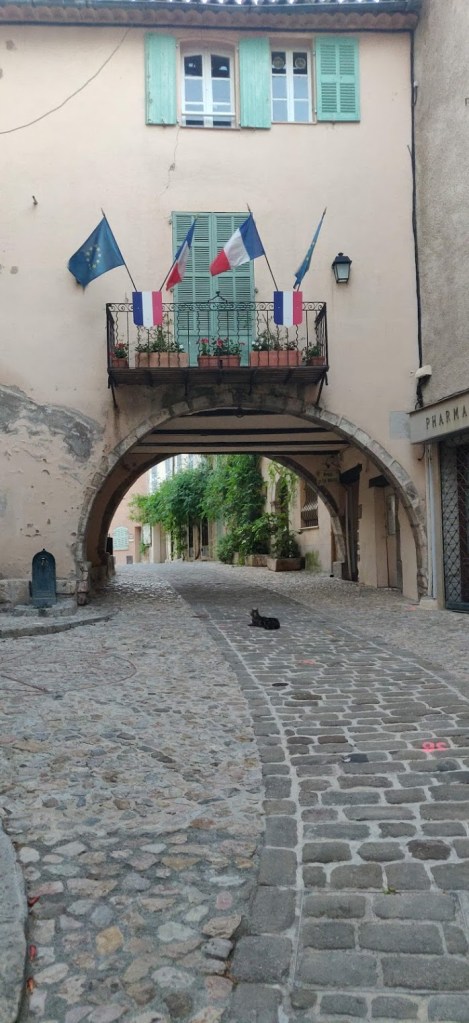
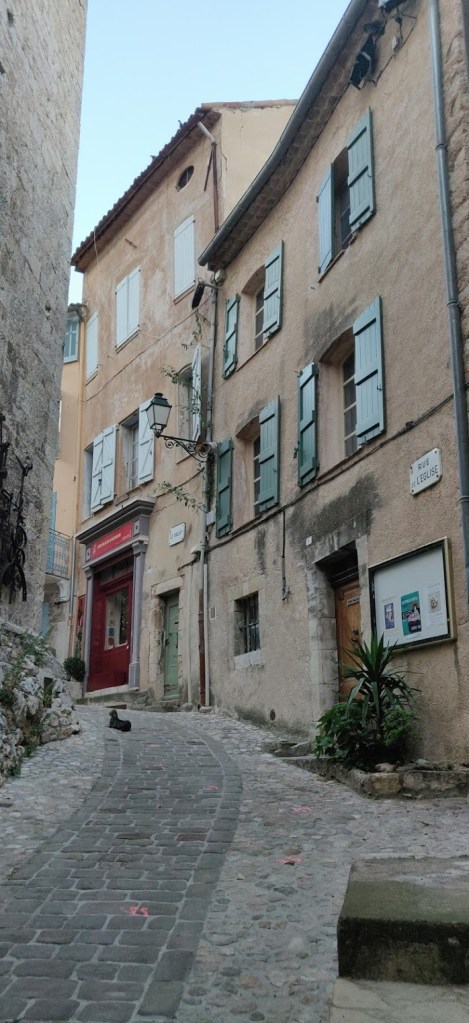
The streets of Seillans were decorated for Bastille Day, which is 14th of July

To France and Italy

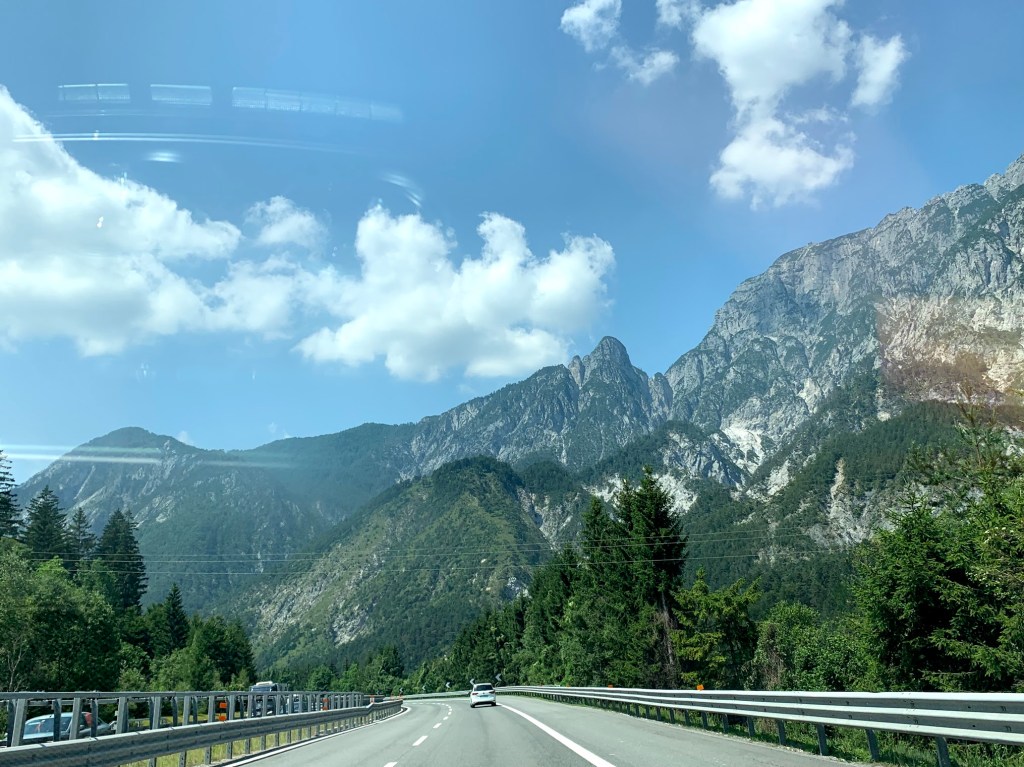
Saturday July 6th we went and picked up our rental car, packed it up, and drove out of town around10:00am. We enjoyed the lovely Alpine views as the car wove it’s way through the Southern Austrian and Northern Italian mountains. The Dolomite Alps are stunning and everything was so lusciously green.

The Dolomite Alps as you enter Italy from Austria

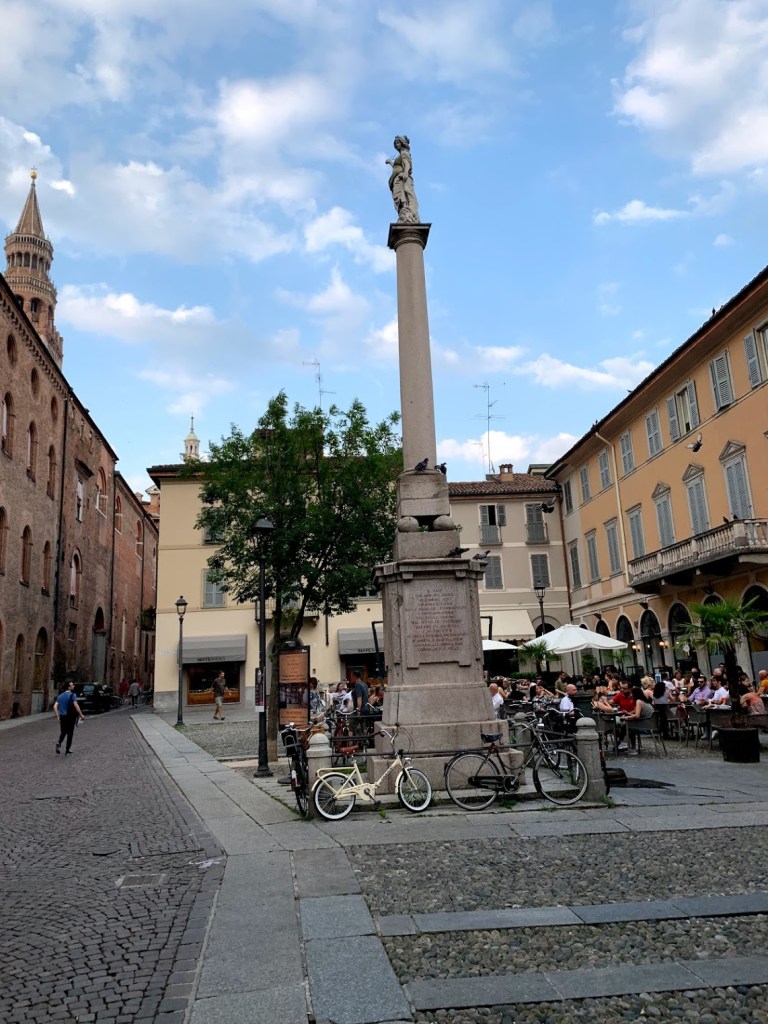
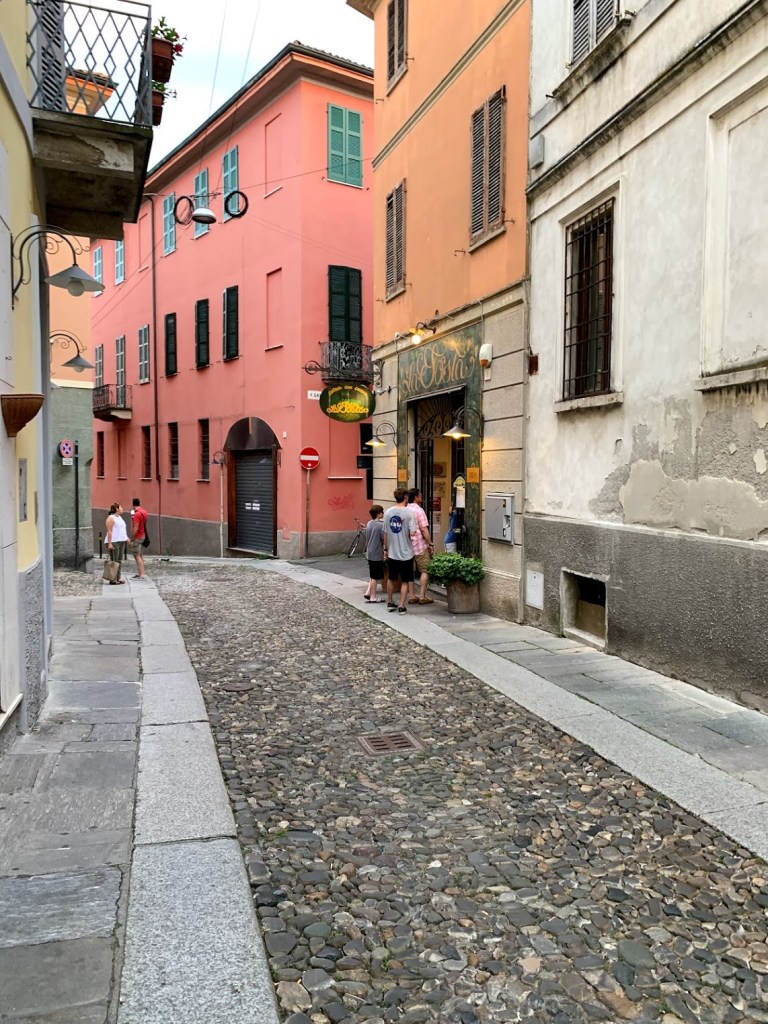
Our first stop on this two-week long excursion, was Cremona, Italy! Hotel Impero was situated right on the edge of the main square and we had a delicious authentic Italian dinner at Osteria la Sosta.  The food was all locally sourced and handmade and the service friendly.

The main square just outside our hotel
Cobblestone road leading to Osteria la Sosta
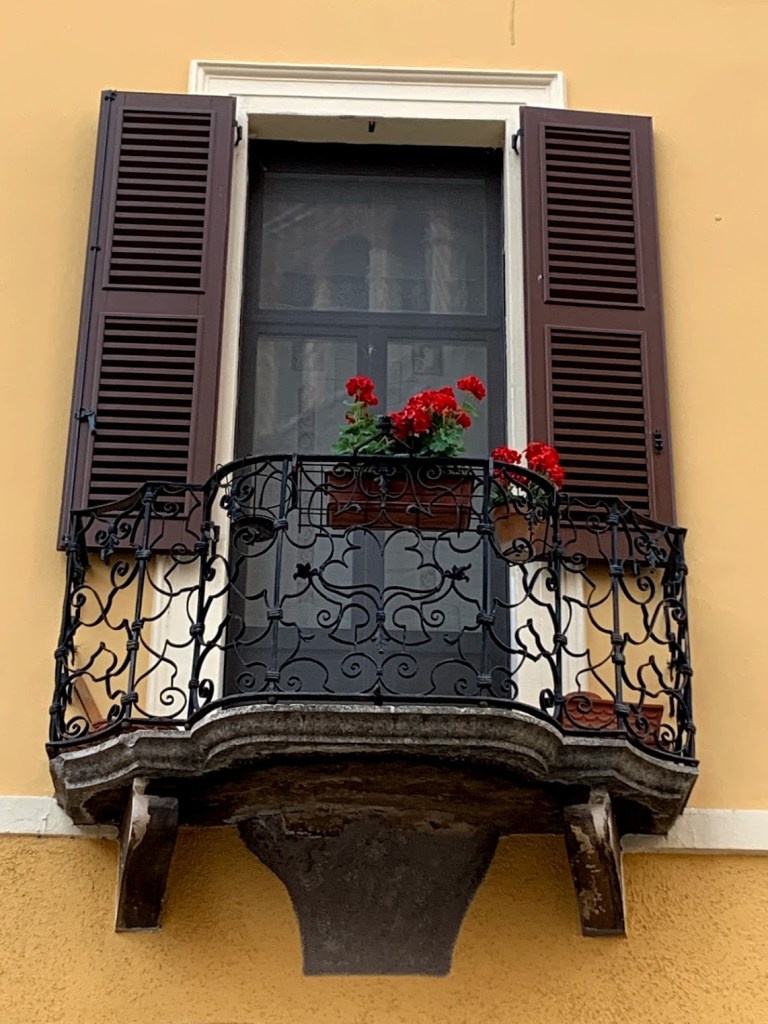
Beautiful balcony across from our restaurant

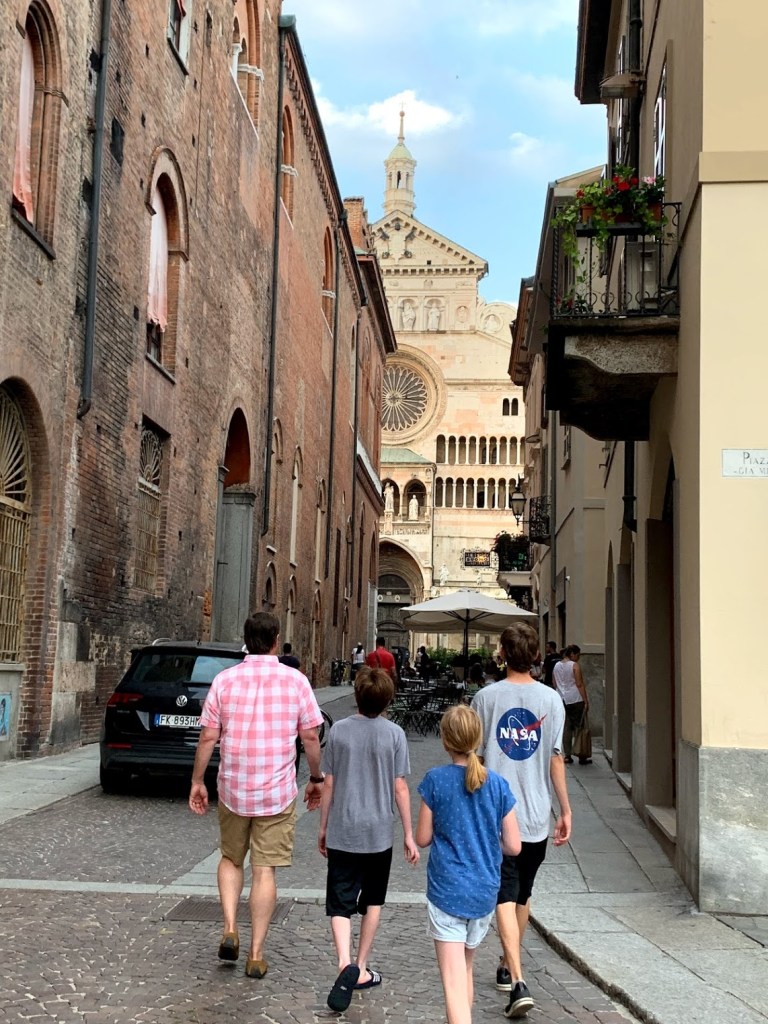
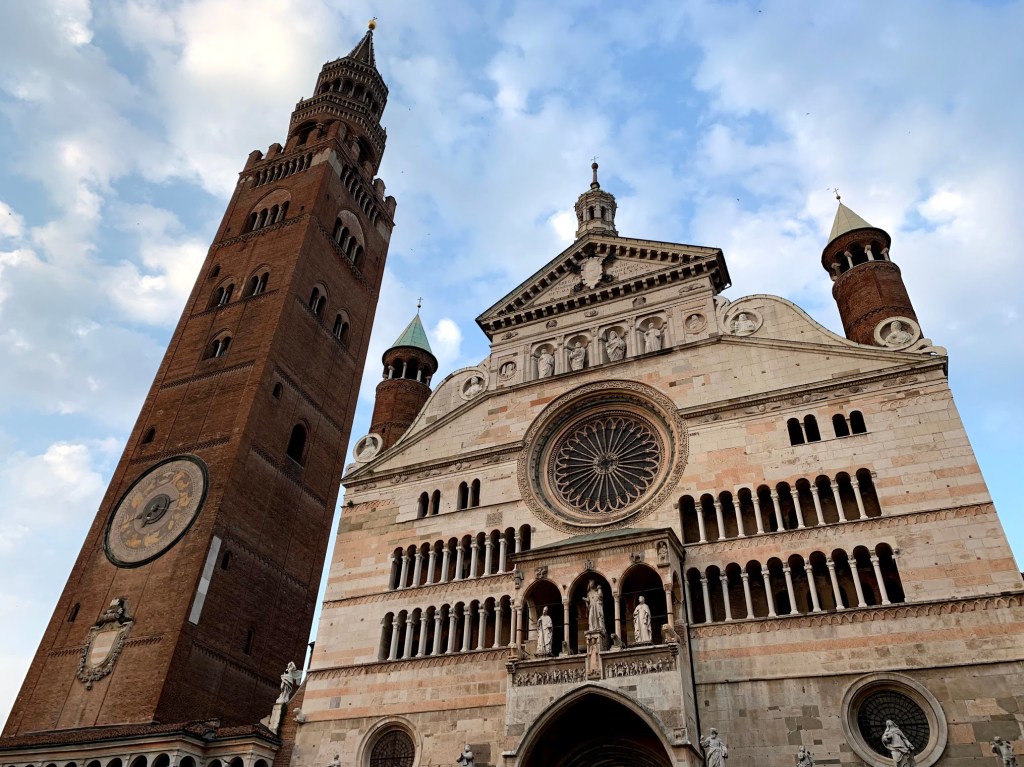
Cremona is a smaller town with classic Lombardy Italian qualities. The Duomo (Cathedral of Cremona) and piazza were charming and the main pedestrian way was paved in cobblestones. The Torrazzo of Cremona (bell tower) is the oldest brick structure in the world reaching a height of112m or 369ft. It was built in 1309.

Walking from the main square to the Duomo Piazza: It was a block or so.
The Torrazzo of Cremona and the Cathedral or Duomo
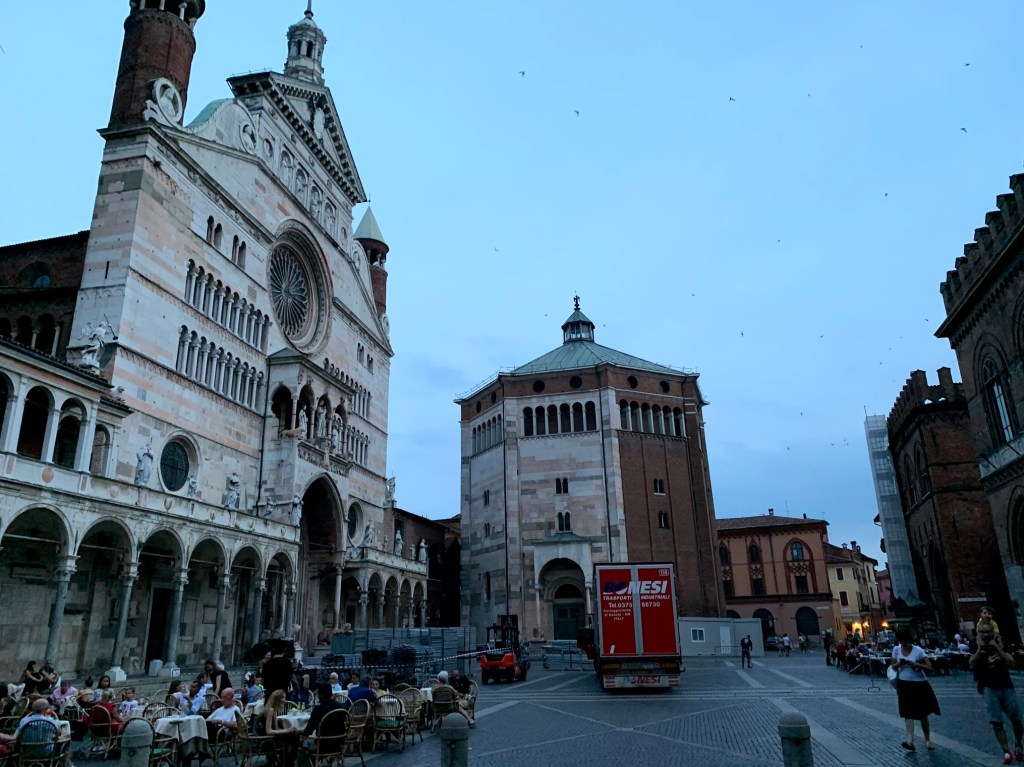
The Cathedral of Cremona and piazza at dusk. It’s about 9:00 at night. Italians eat supper late.

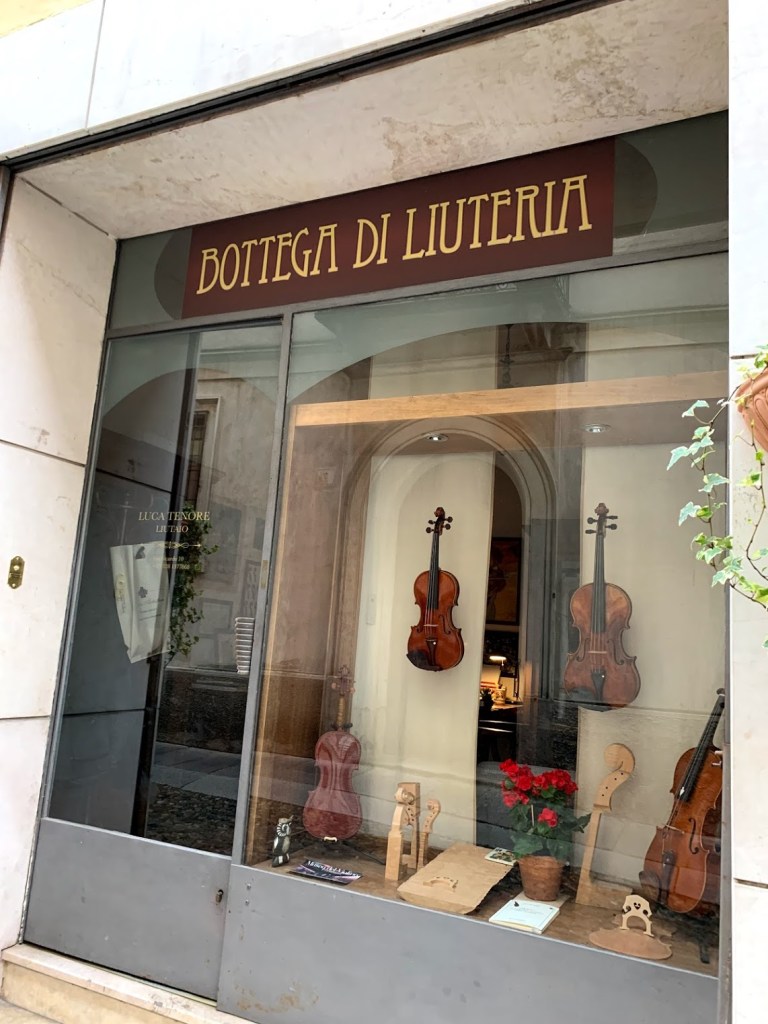
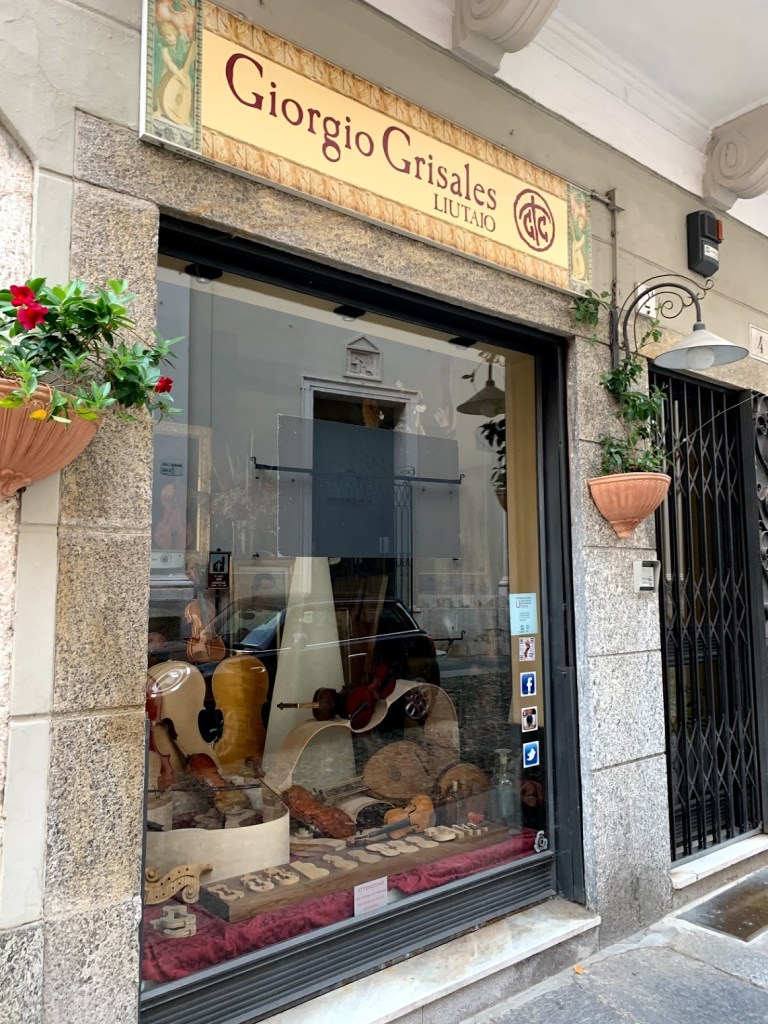
Cremona is the home of two famous luthiers, Stradivari and Guarneri. Tomorrow we will go to the Museum of the Violin. While meandering around, we saw at least three luthier shops just off the main piazza and also the world-renowned School of Violin Making was just a few blocks from our hotel.

I drifted off to sleep listening to the lyrical singsong rhythm of Italian conversations floating up from the cafes outside our open window. Everyone was enjoying a delightful summer’s night!

Happy 4th of July!

The kids had their last full day of school today. Robert and I met his colleague Anita for lunch at a little café on the edge of the Stadtpark. Anita has been Robert’s only true friend and actively engaging colleague at FH Joanneum. She teaches English for E Health students. Anita is from Austria, but has spent a lot of time in the UK. She gave us a couple of gifts on behalf of the university department. The gifts were Austrian Gmunder ceramic tray and an E Health t-shirt for Robert. Anita and Robert had a good laugh about the shirt, because of its symbolic irony! Robert isn’t an E Health specialist. He’s a commuter scientist who knows a little about E Health, but doesn’t specialize in the subject!

Anita and Robert

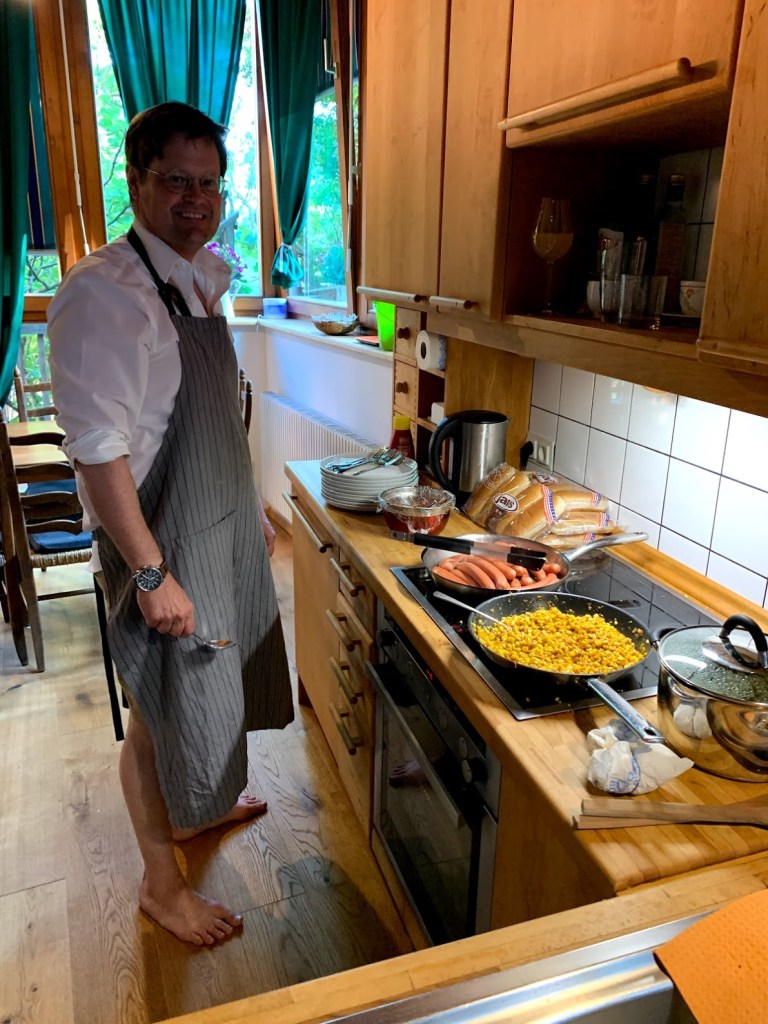
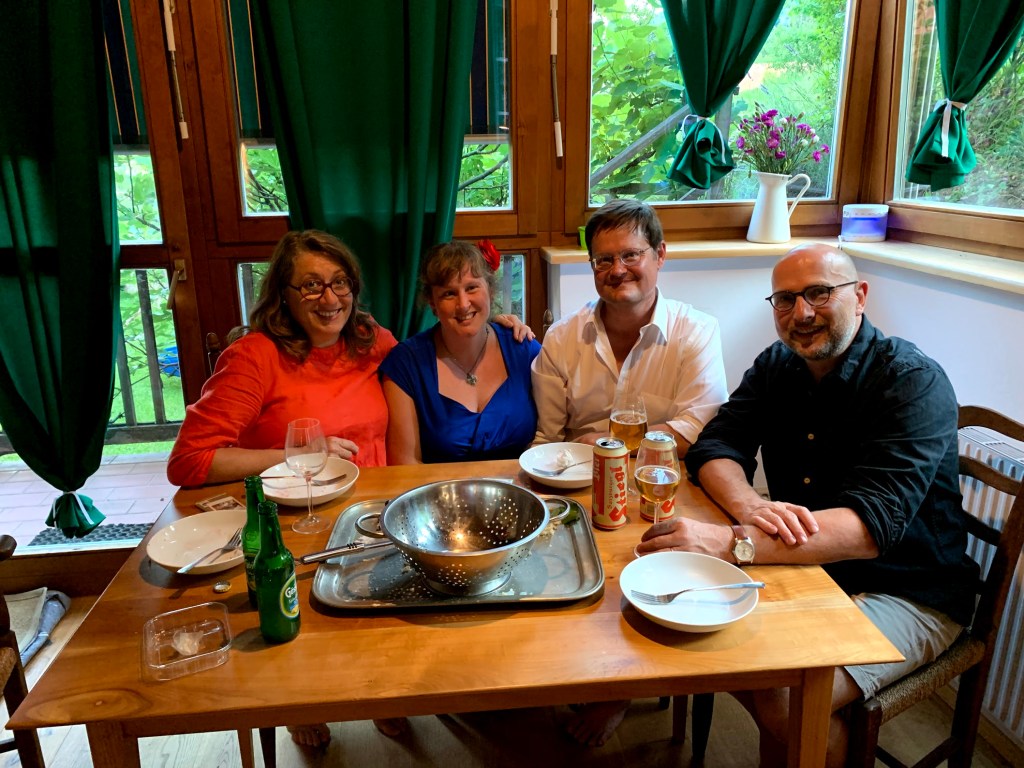
Once back home, Robert began preparing food for our 4th of July dinner party. We invited our good friends, the Gissy’s, over to help us celebrate! They were excited to join us for Independence Day! Sally, who’s Australian, brought a sparkly candle we used on the Flag Cake. It was our “fireworks”! Thomas brought a nice French wine. He’s originally from France and we had fun discussing how the French were our allies during the Revolutionary War.  They have 2 daughters, Elodie and Manon. The latter is Faywen’s best friend at GIBS.
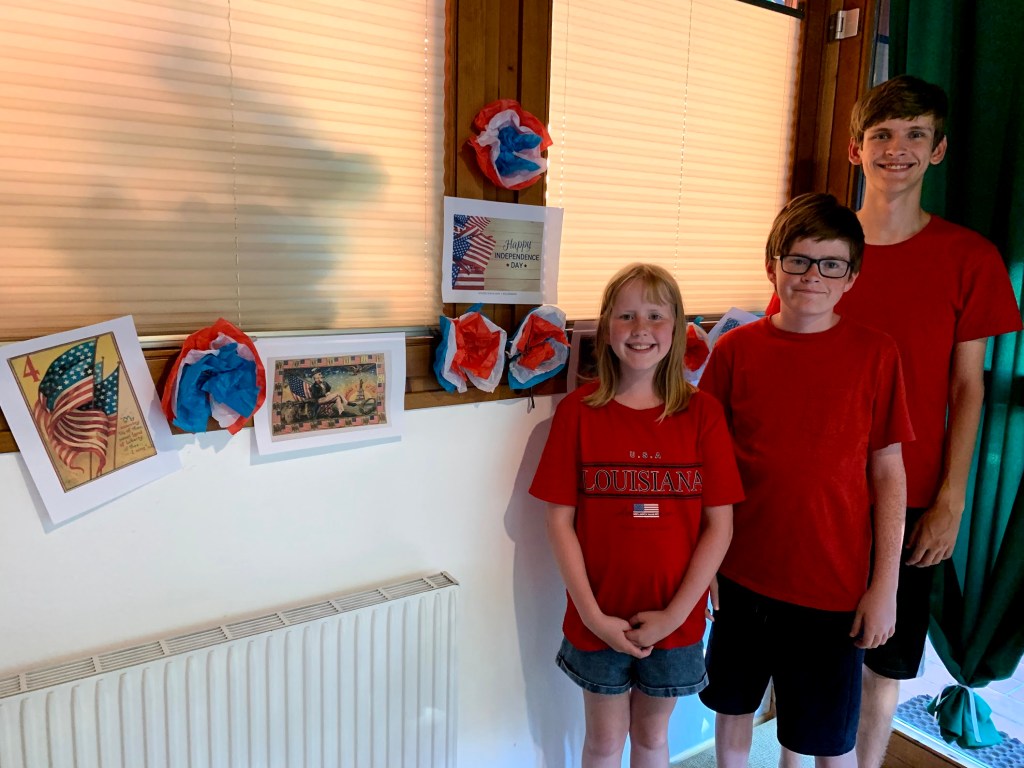
Homemade 4th of July Decorations

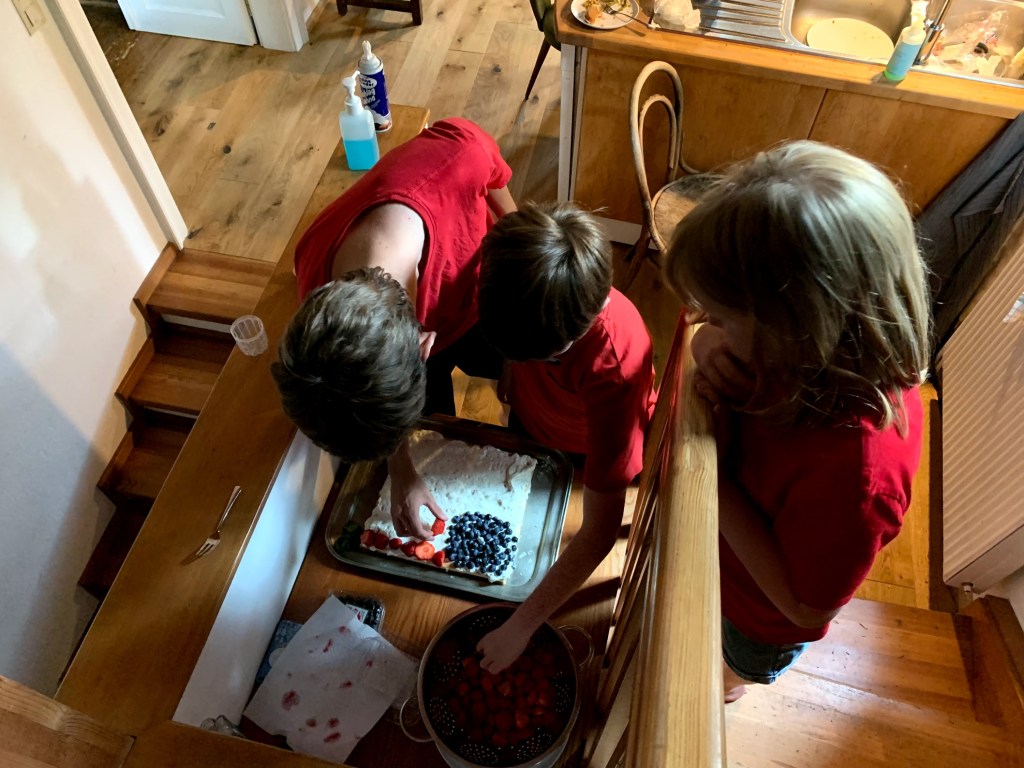
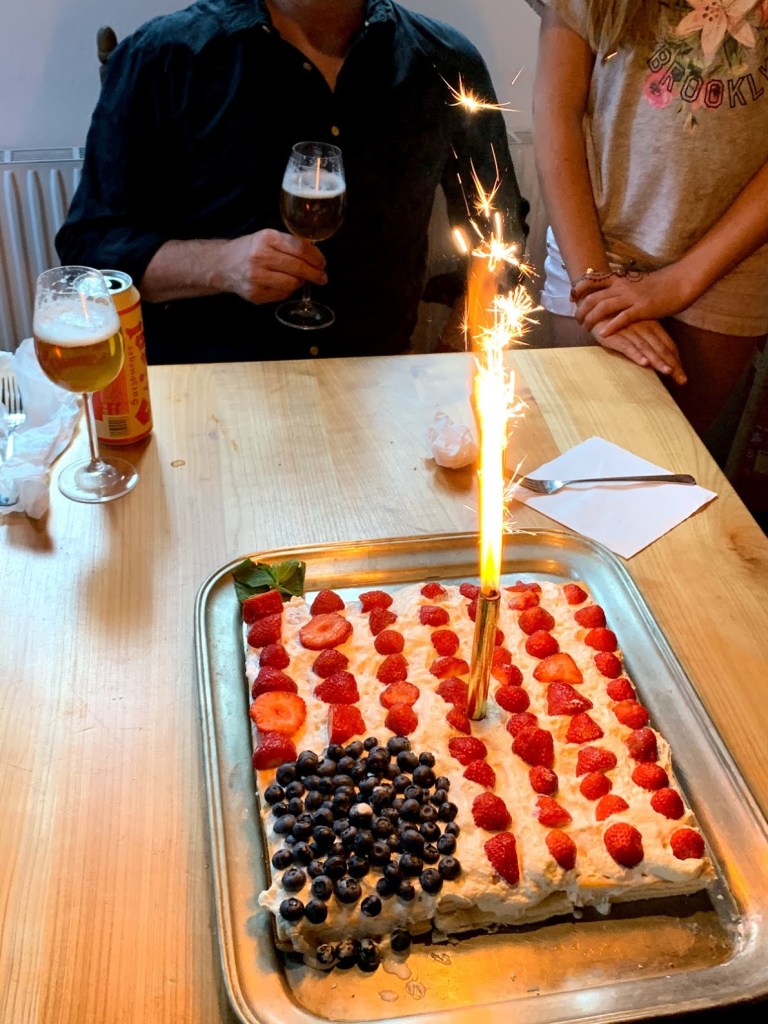
Liam, Seamus, and Faywen put together the Flag Cake. I was able to find three thin pound cakes, cream, and blueberries/strawberries. Thee kids meticulously assembled the correct stars and Stripes onto the cake. The Gissy’s loved the idea of a Flag Cake and plan on doing the same thing for Bastion day in France of July 14th. The sparkle candle was the highlight of the festivities atop the Flag Cake! Between the handmade décor, food, and patriotic music we all had a good time!

Faywen assembled the blueberry stars and the boys made the strawberry stripes
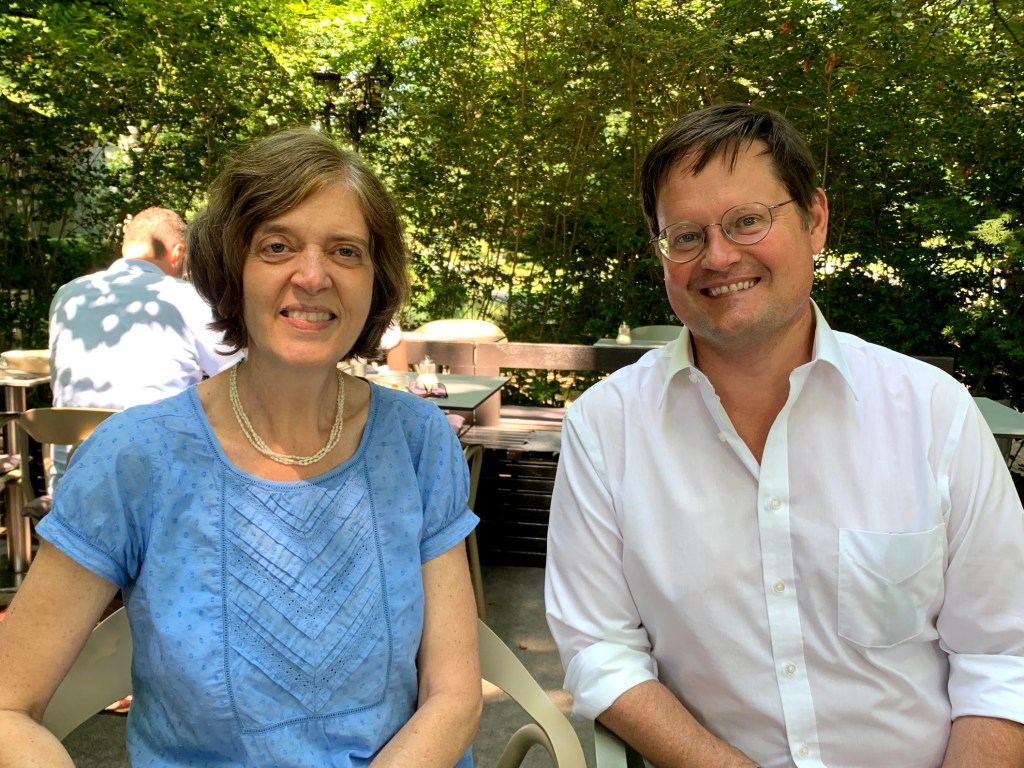
Our good friends Thomas and Sally Gissy

Everyone hugged goodbye. It would be the last time we would see the Gissy’s. They were moving back to France early the next week while we were on holidays. We all agreed to stay in touch and possibly coordinate future visits to France and the USA! It was a wonderful memorable 4th of July!