Remembering the Past

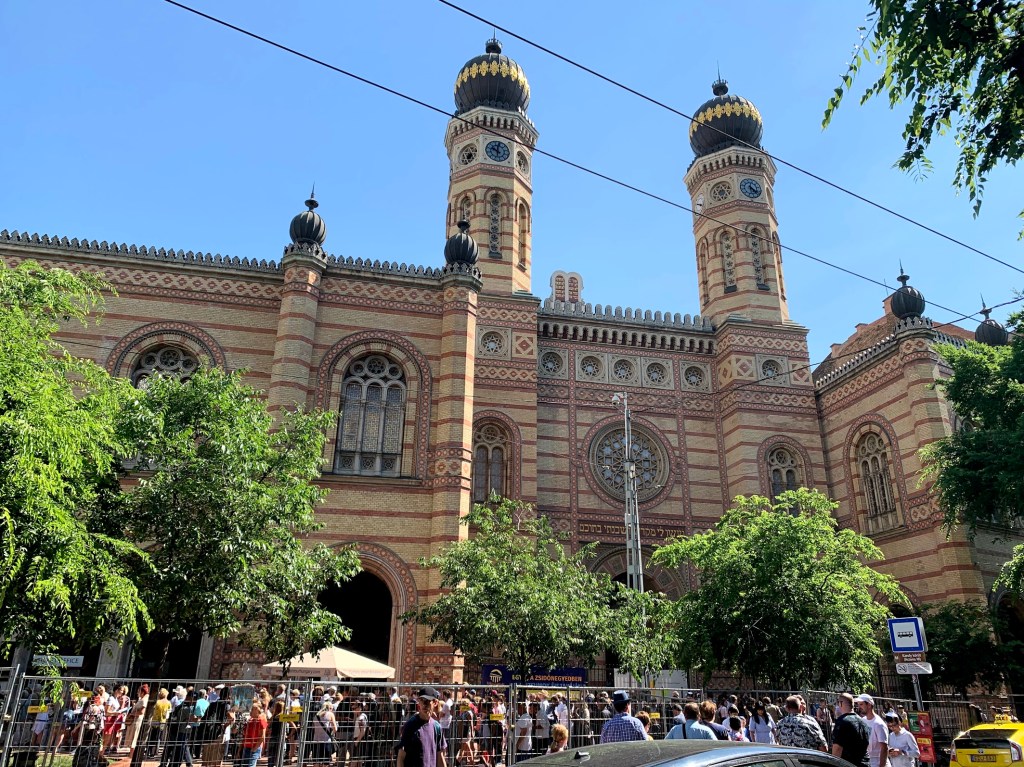
Our first full day in Budapest was quite an adventure. We purchased a family metro pass and jumped on the subway to the Dohany Stop. Dohany Street Synagogue is the second biggest in the world behind Temple Immanuel in NYC. It was built in the mid 1800’s and is still and active place of worship today. The Synagogue can hold 3,000 people and there is one Rabbi on staff.
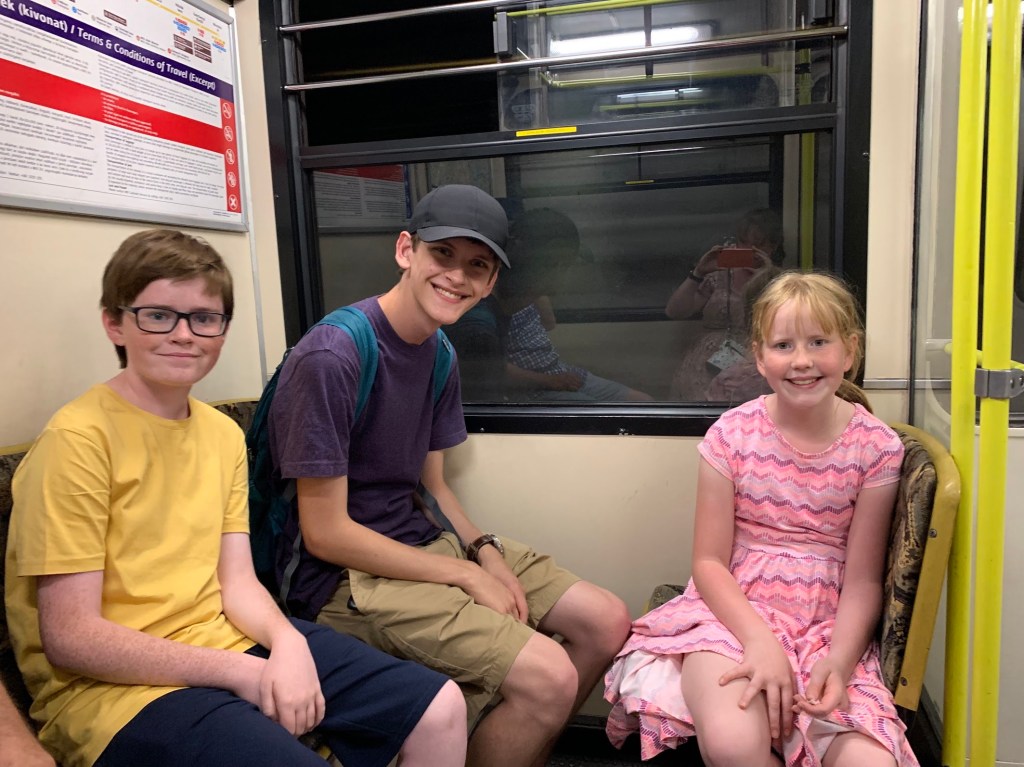
Riding the Budapest Metro Subway
21 June 2019
Dohany Street Synagogue
Built in 1859

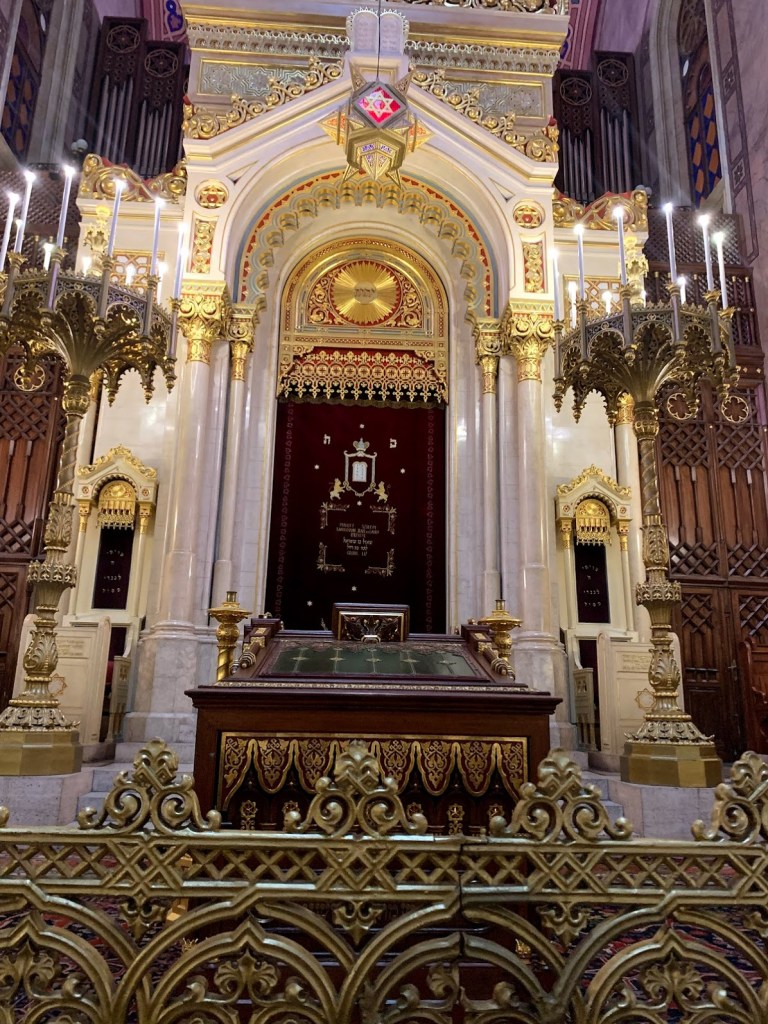
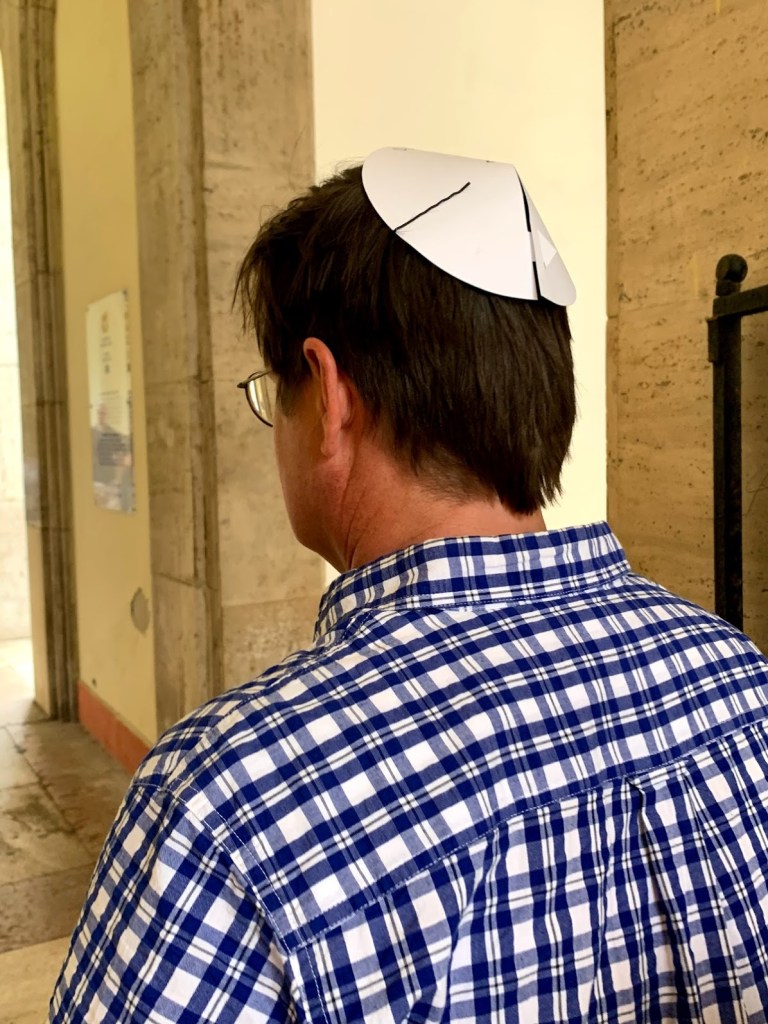
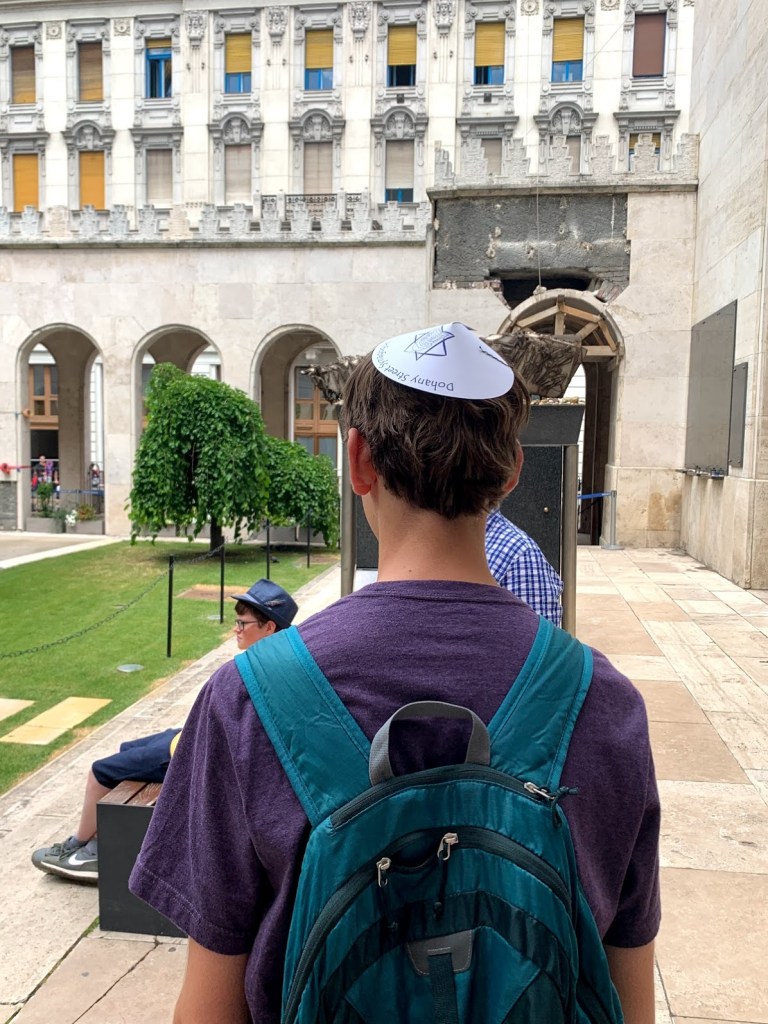
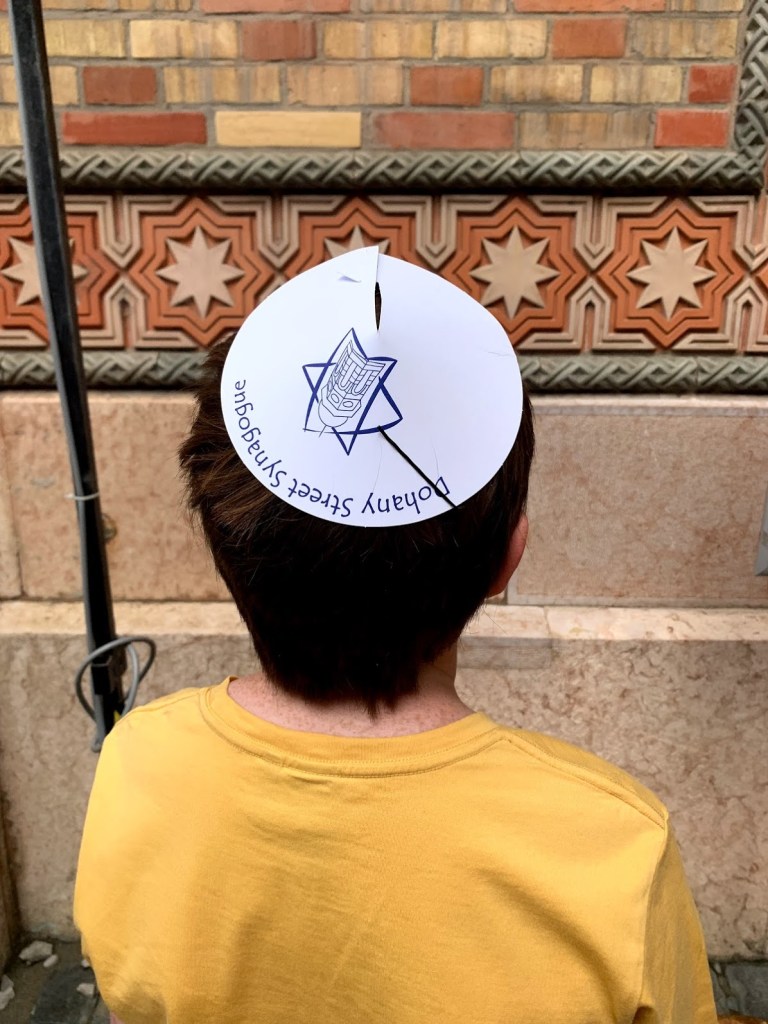
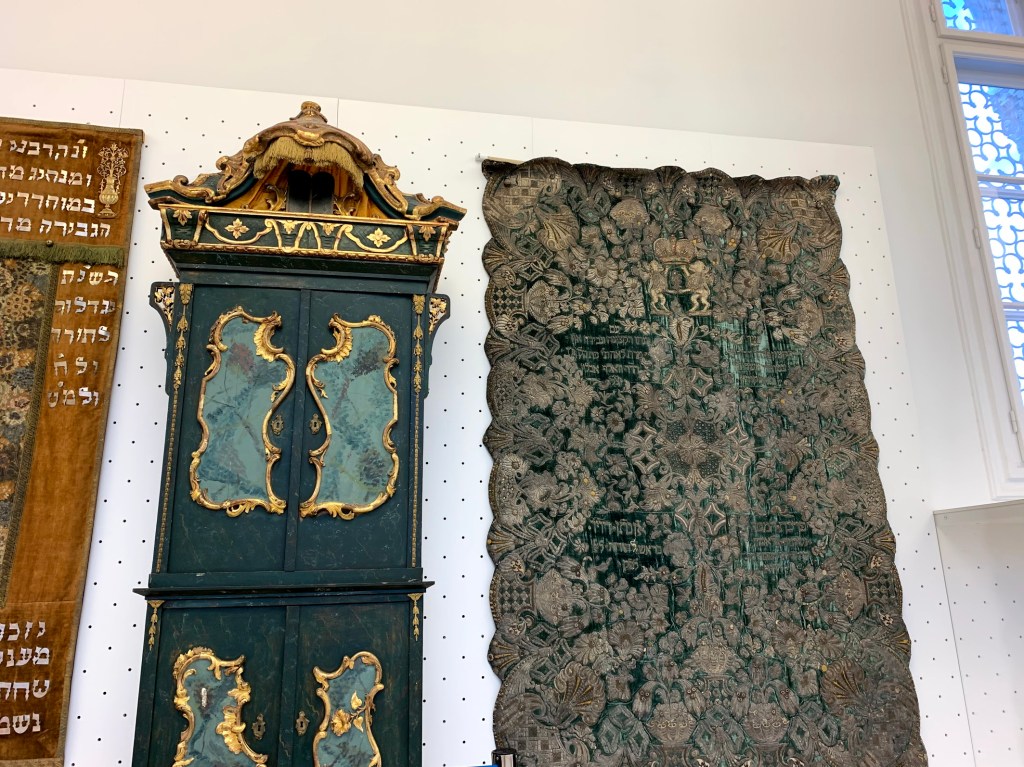
We took a tour of the building and gardens. Liam and Robert had their hats, but Seamus was given a traditional Kippah to cover his head. Unlike in the Christian church where men remove their hats, in a Synagogue men must cover their heads. Faywen and I only had to cover our shoulders, which our dresses already did so.  The inside was very ornate with a main floor for the men and 2 levels of tiered balconies for the women and children. Placed near the front was the Ark containing the Torah and other holy Mikra as well as an ornate covering cloth, which was made of gold and red velvet.
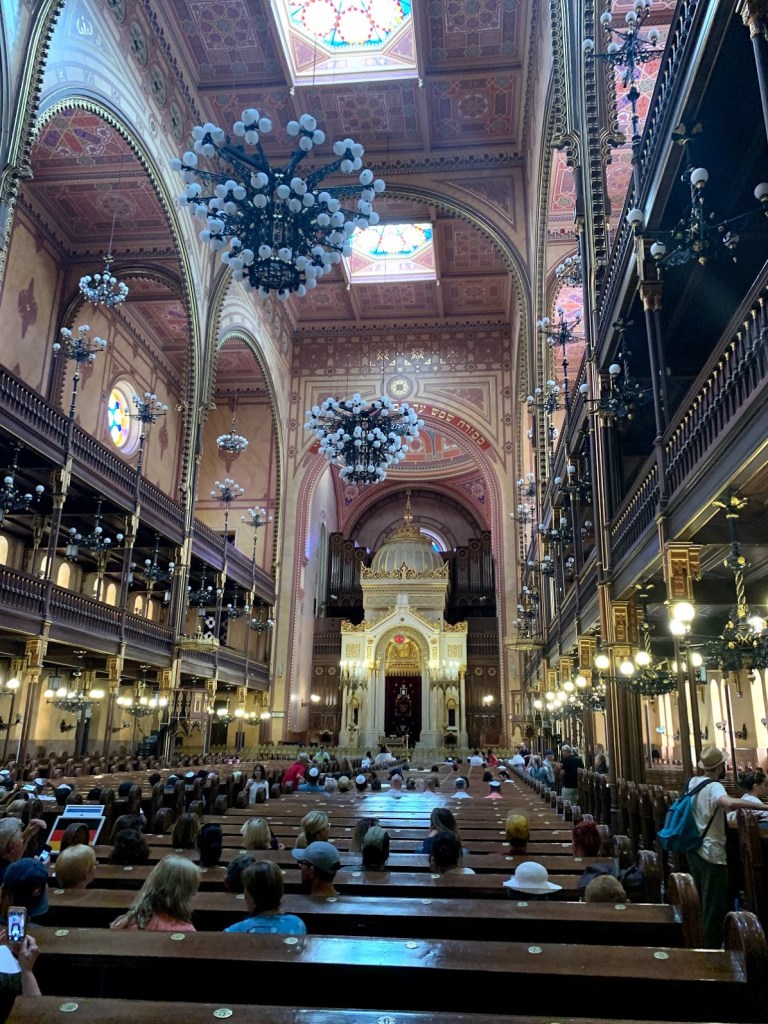
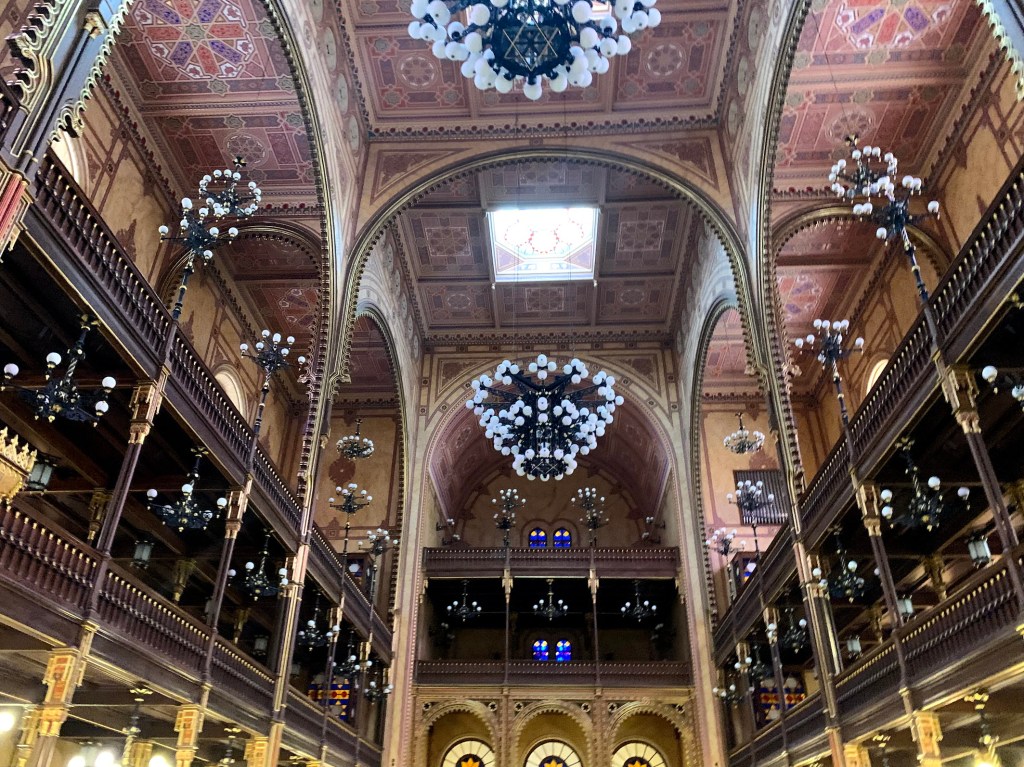
View from the back towards the front
The Synagogue resides on the Pest side of Budapest, Hungary
The Ark containing the Mikra ( holy readings)

During WWII the Budapest Jewish Ghetto housed 220,000 Jews from the city and countryside. Many died from starvation, dysentery, were transported to nearby concentration camps, or were outright killed in the ghetto. Those who died in Budapest were buried in a mass grave in the Synagogue courtyard gardens.  Today it is a lovely memorial garden and contains the names of those who died.
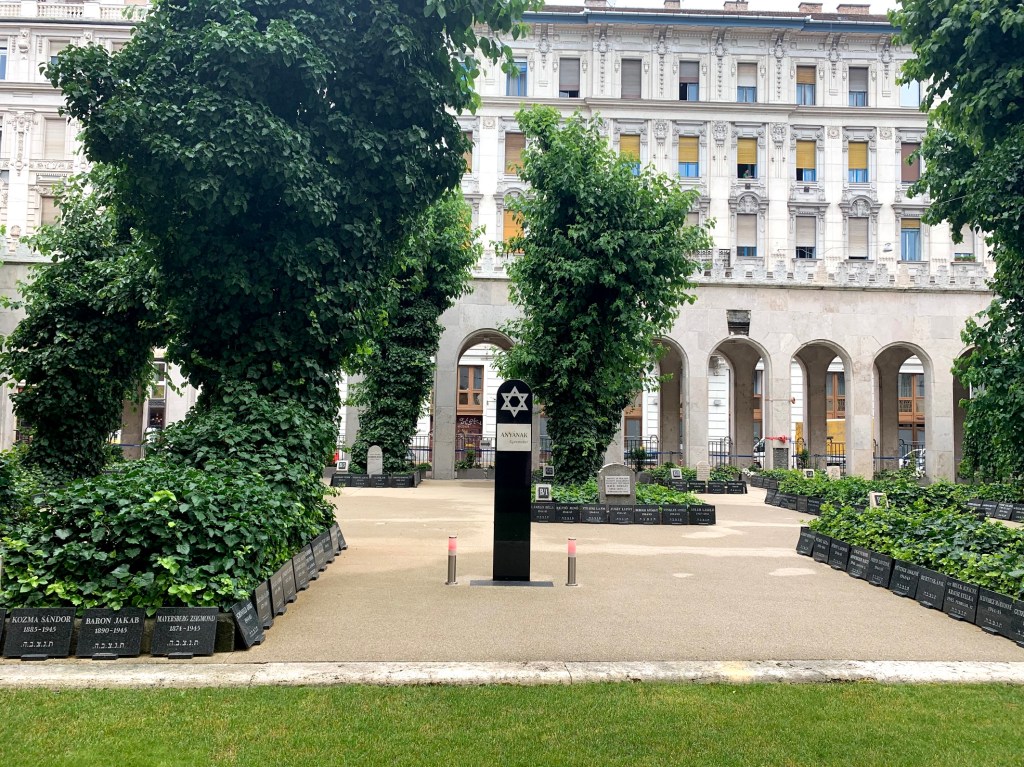
Courtyard Memorial Garden

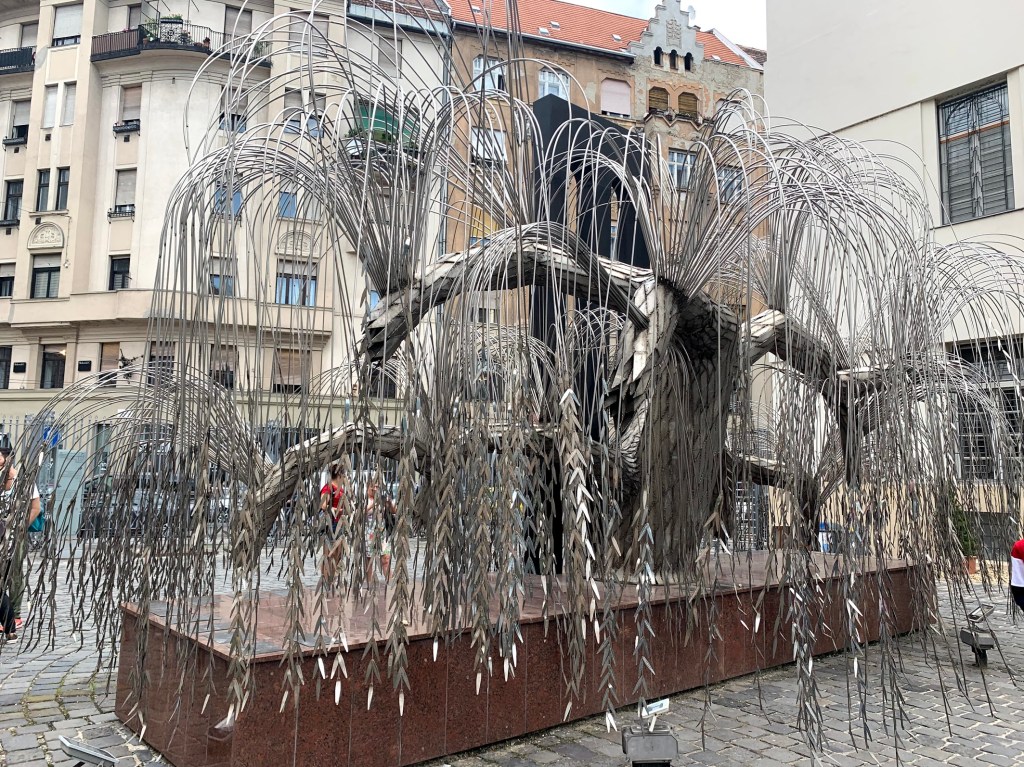
Outside we saw three memorials. The first was a modern stain glass panel. The second was a plaque with engraved names of gentiles that helped save Jews from persecution. The third was a metal silver Holocaust Tree whose branches were an upside Menorah. The leaves were engraved with names. All three memorials sat in a pretty garden oasis in the midst of the city.
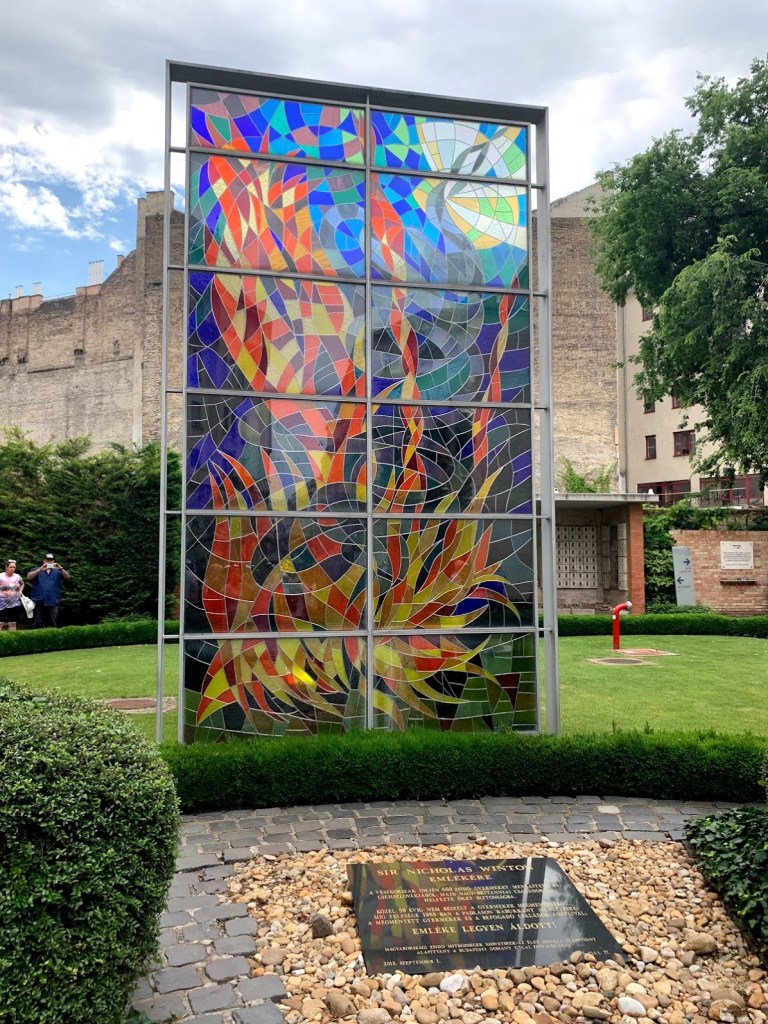
Stain Glass Panel
Holocaust Tree

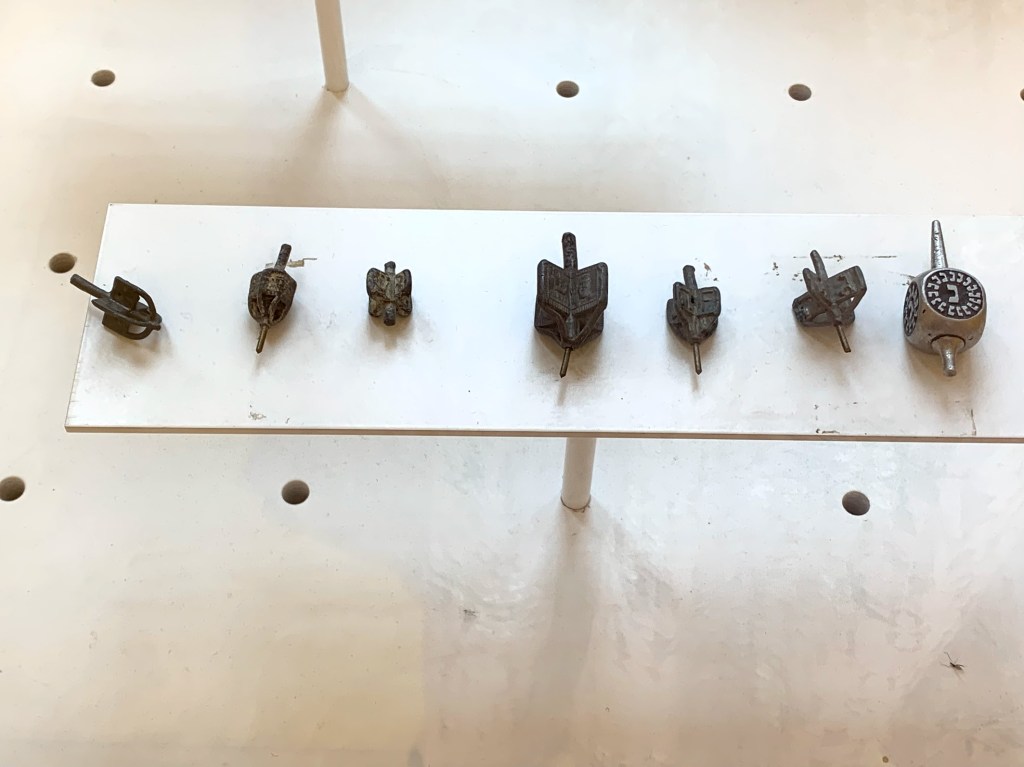
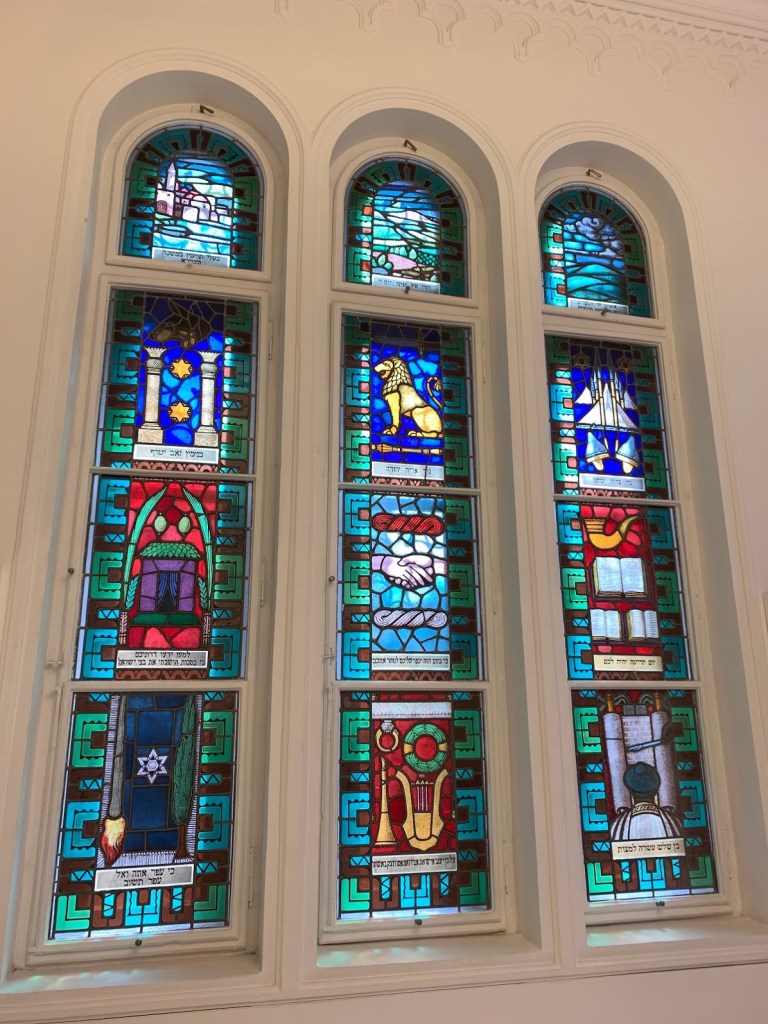
We visited the cellar museum, which had photos from the time period and then the Jewish Museum, which was next door. Inside the museum were artifacts from Jewish settlements from as far back as 300AD all the way through modern times. I liked the 12 stain glass windows from the old Budapest Jewish high school that survived the Communist takeover in the late 1940’s. I’m glad the kids were able to visit a real Synagogue and learn about Judaism in Budapest.
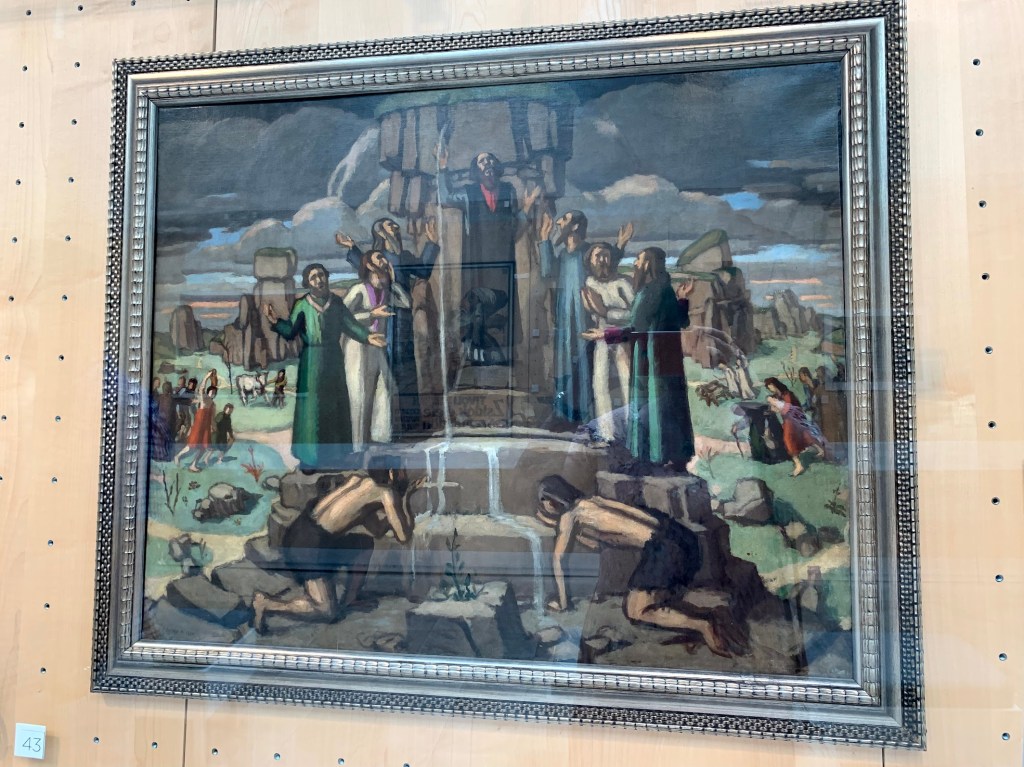
Budapest Jewish High School window depicting a few of the 12 Tribes of Israel
Ark and Cloth from the late 1700’s

After visiting the Synagogue we ate at a local Kosher Deli and then caught the subway to Hero’s Square. Built in the late 1800’s as a memorial to celebrate Hungary’s 1,000 yr. old birthday, the square depicts heros from Hungarian history. Victory stands holding her palm leaf of peace in the centre. The 7 great Magyar Chieftains of ancient Hungary surround her. The two colonnades have statues depicting Hungarian kings and saints.  
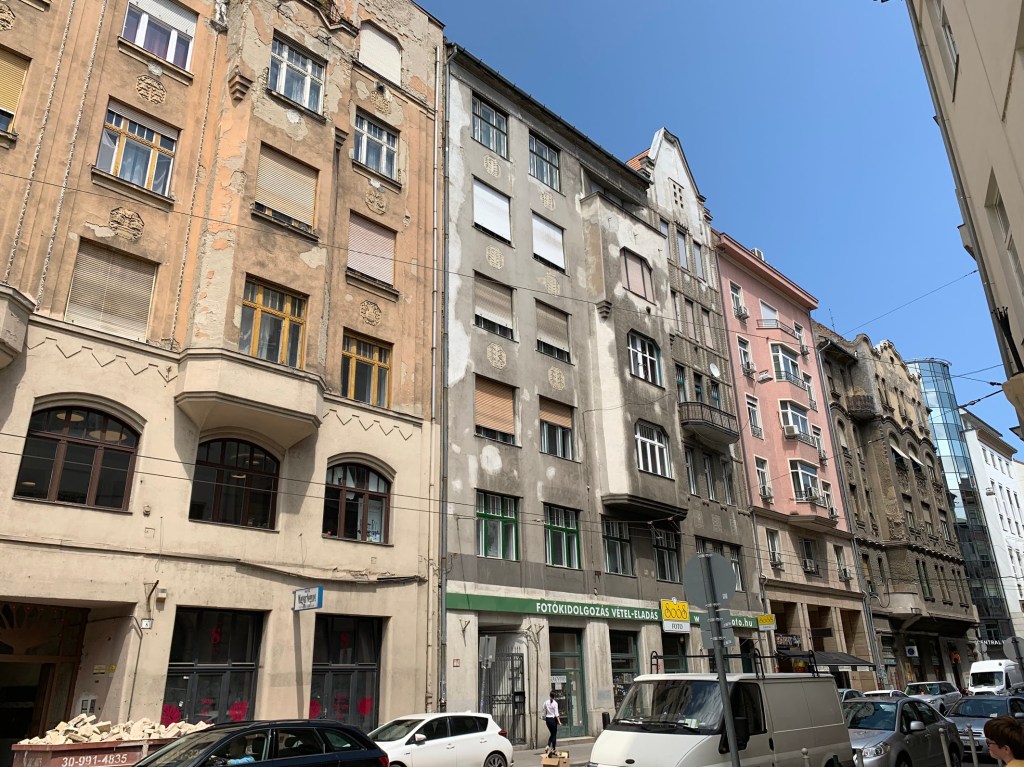
Old Jewish Ghetto:
The kosher deli where we ate lunch was on this street.
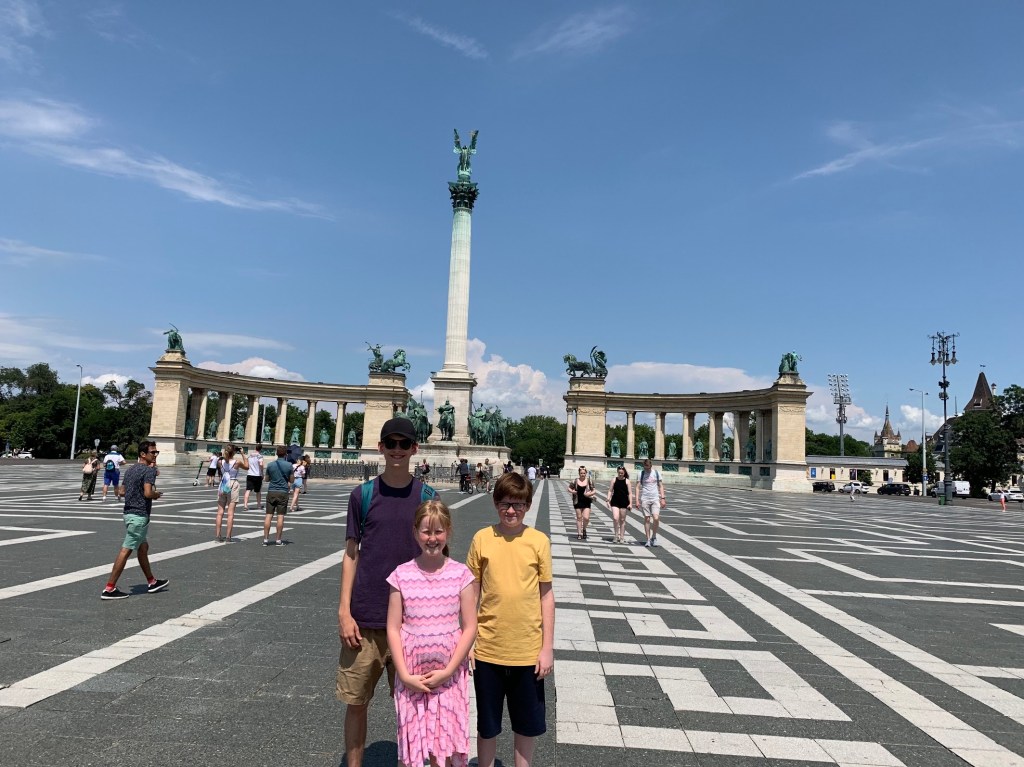
Hero’s Square:
It was in this square that the Hungarian people gathered to call for and then later celebrate their independence from the USSR.
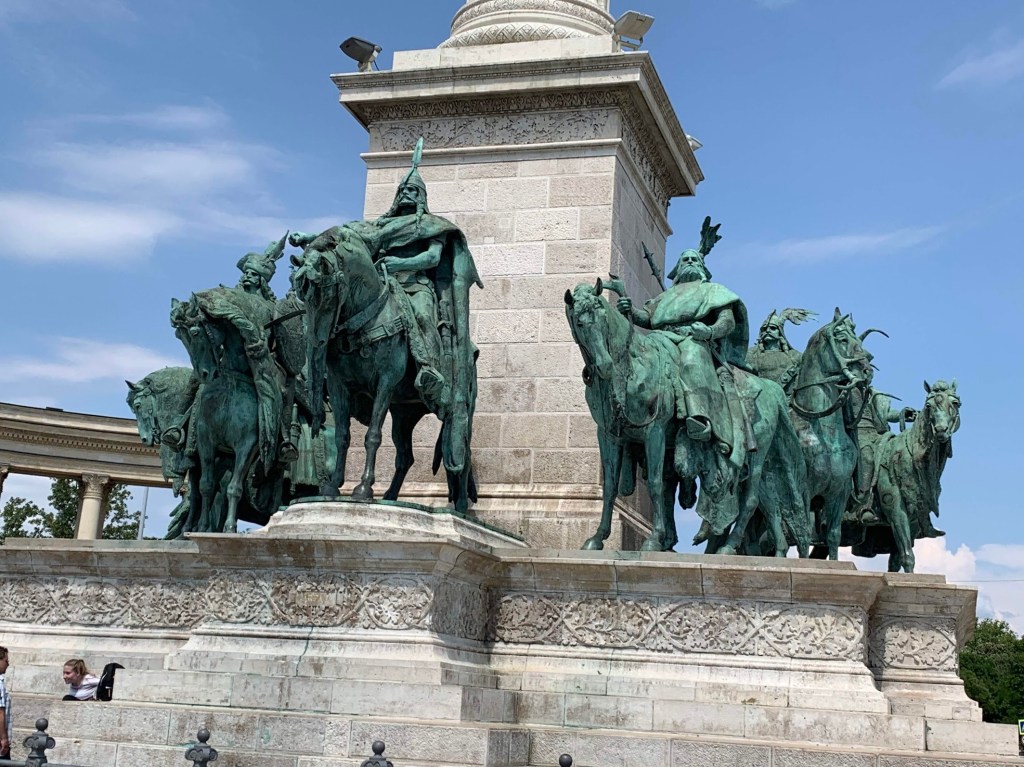
Seven Magyar Chieftains
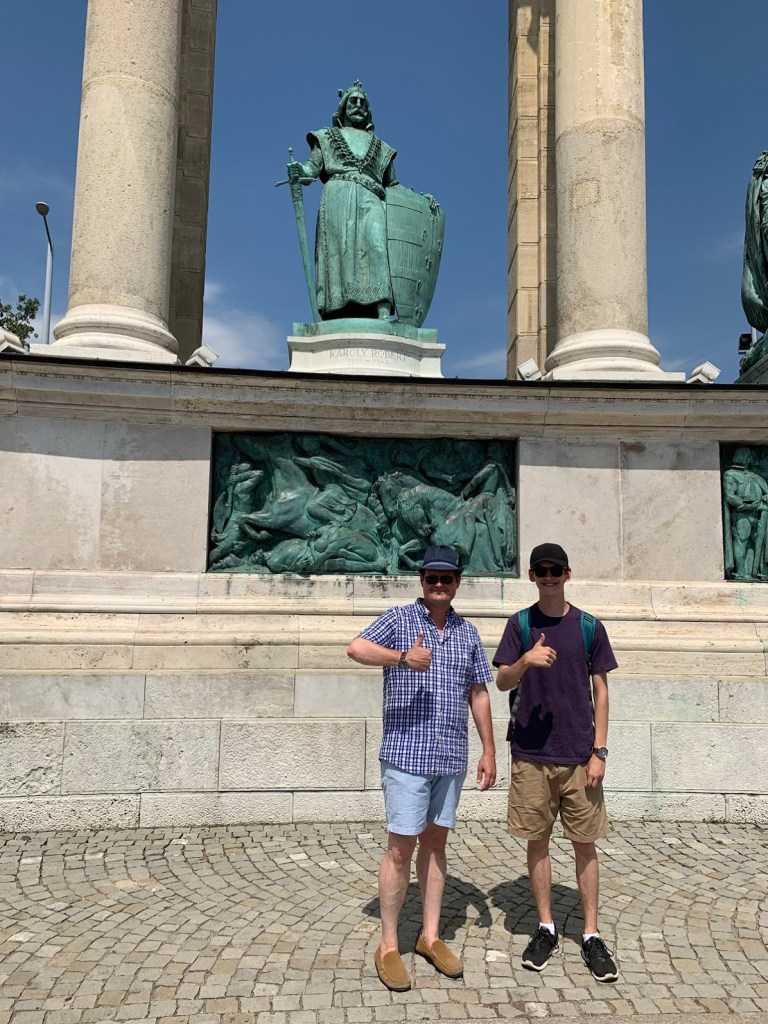
King Robert the 1st of Hungary:
He lived in the late 12th/early 13th century.
Robert and Liam took a photo with the king. Liam’s middle name is Robert.

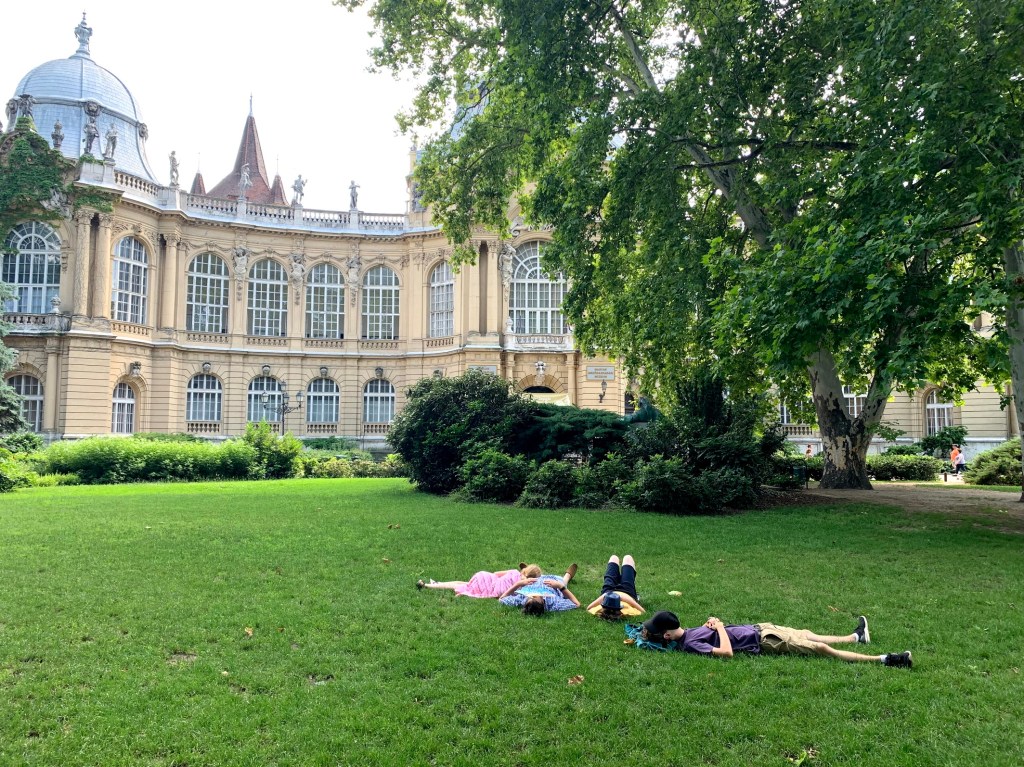
Behind the square was a lovely little lake and garden park. Along the edge of the park sat a quirky complex of buildings. Mr. Ignac, was a 19th century architect. As a tribute to the Hungarian people, he built Vajhandjan Castle for the millennial celebrations in 1896. It was originally made of cardboard and plaster. The display showed the various building styles from the 13-19th centuries throughout Hungary. It was so popular with the people that wealthy entrepreneurs and even locals donated to have the structures constructed for real!  The buildings now house the Agricultural Museum, Concert Hall, and reception venues. The gardens were amazing and there were lovely statues of famous Hungarians, including one of the well-known early Hollywood actor, Bela Legosi! The cool park grass was also a nice place to take a short nap before walking to our next destination!
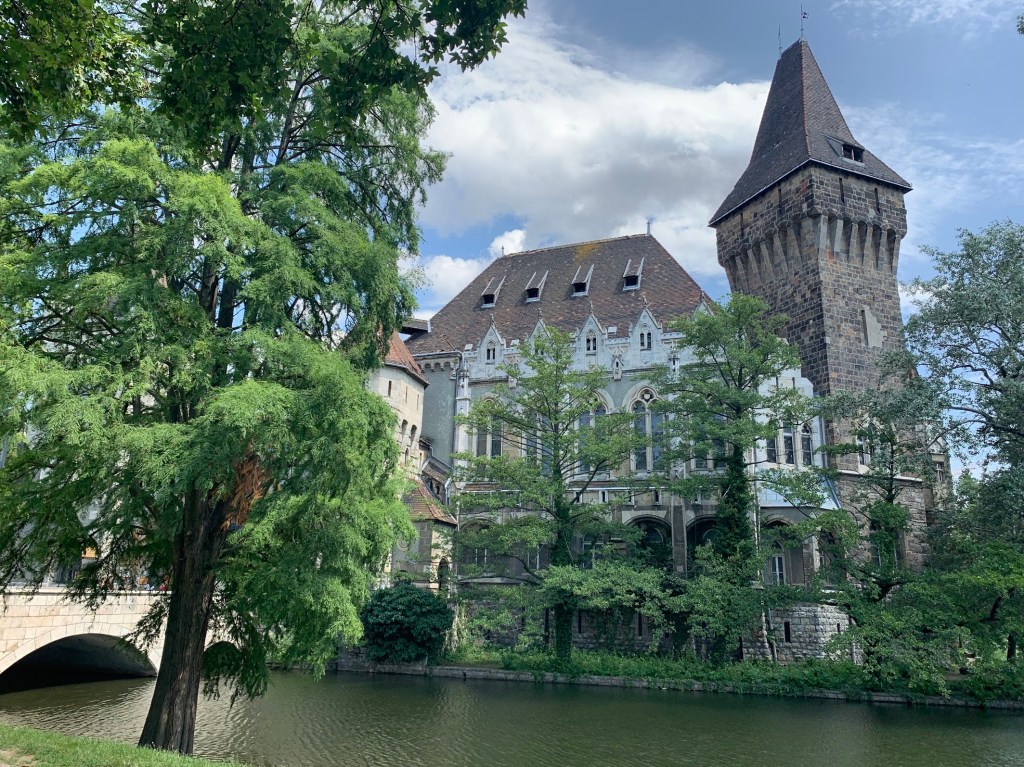
Castle Vajhandjan
Nap time!
They are resting in front of the Agricultural Museum.
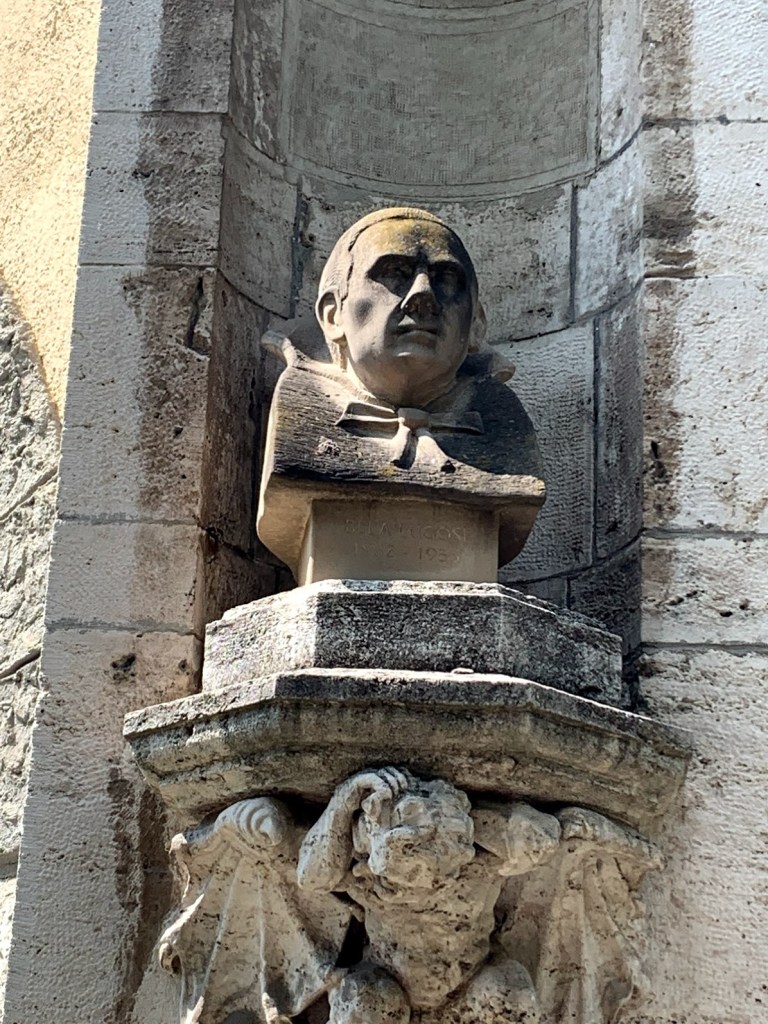
Bela Legosi

We took a short subway ride to the Opera House only to discover it was under renovation. From there we walked to Liszt Square. The composter was born in Hungary and the people still love his music! Ferenc or “Franz” Liszt was a flamboyant pianist and ladies man, the Elvis Presley of his time!
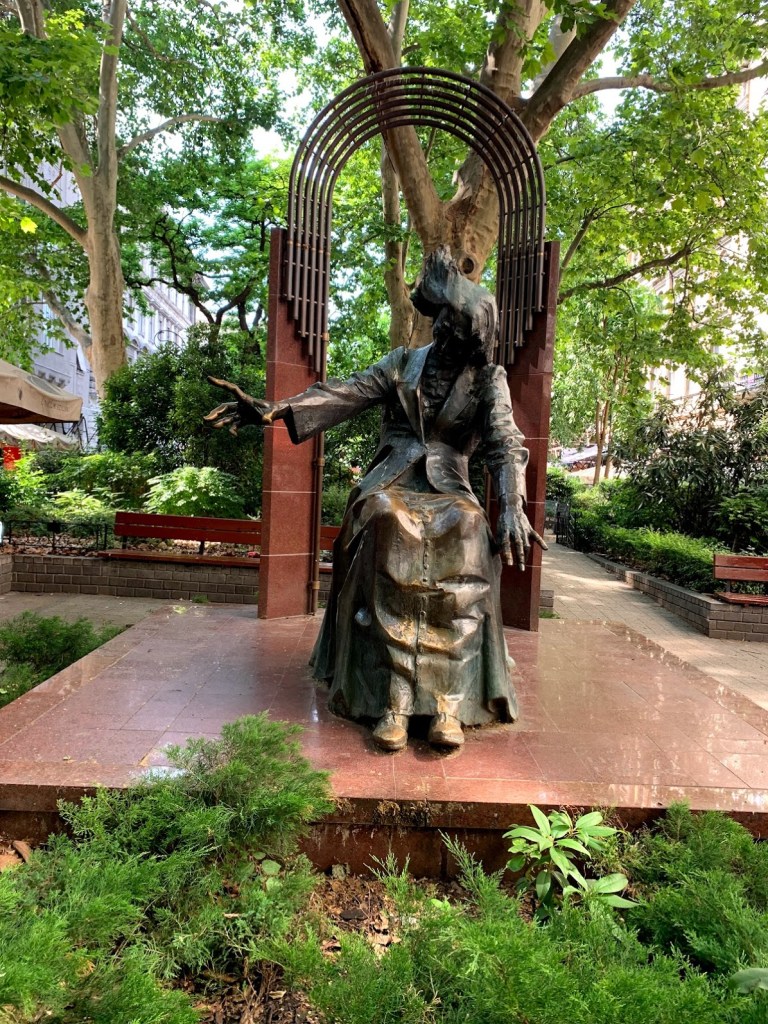
Franz Liszt:
I love how his statue is as dramatic as he was in life! He was known to have large hands too.

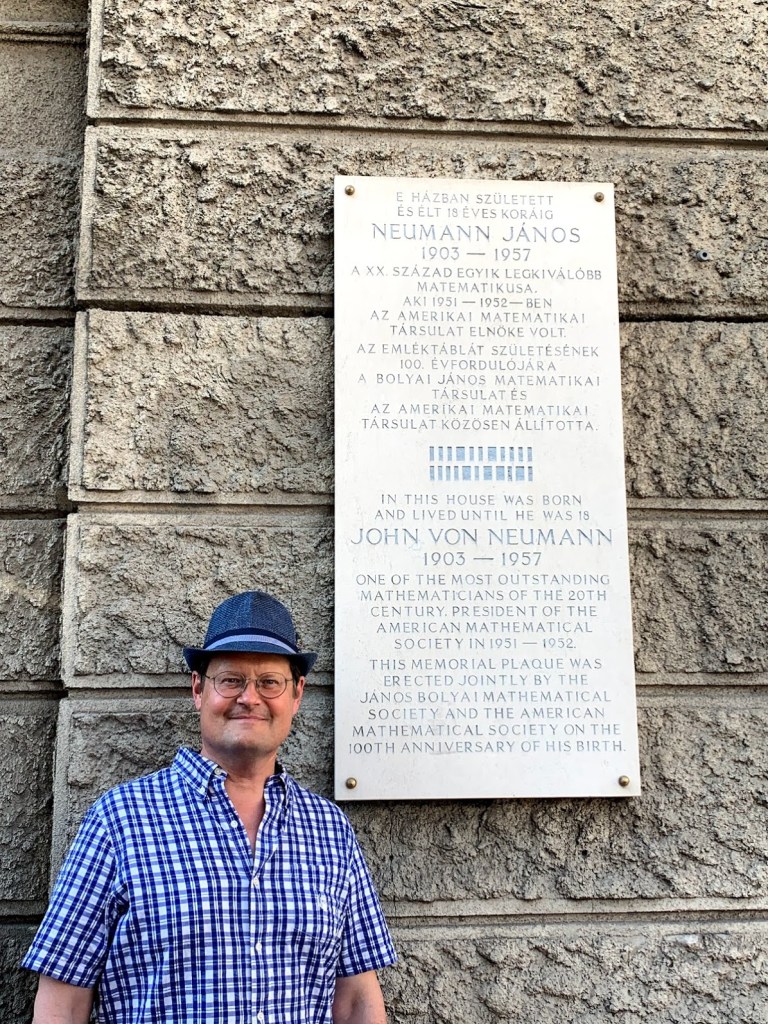
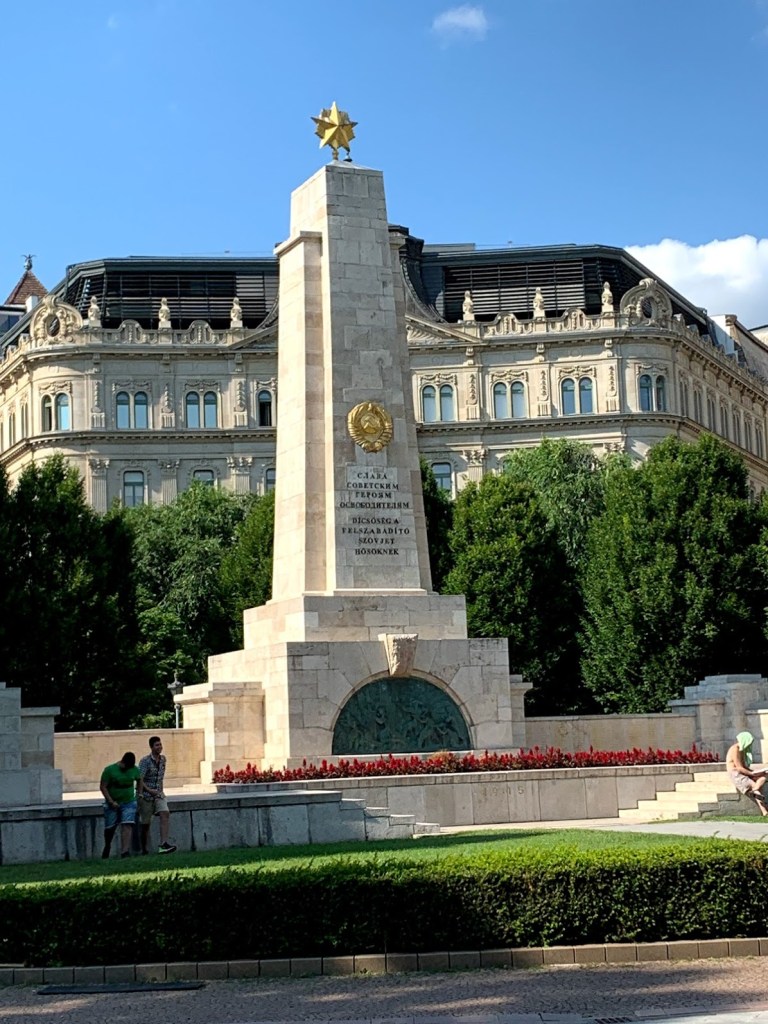
Nearby we had a delicious ice cream and meandered through Liberty Park, saw an ex-Soviet monument, the American Embassy, and the house of Janos Von Neumann (John Neumann) who was a very important mathematician and considered to be the father of Computer Science.
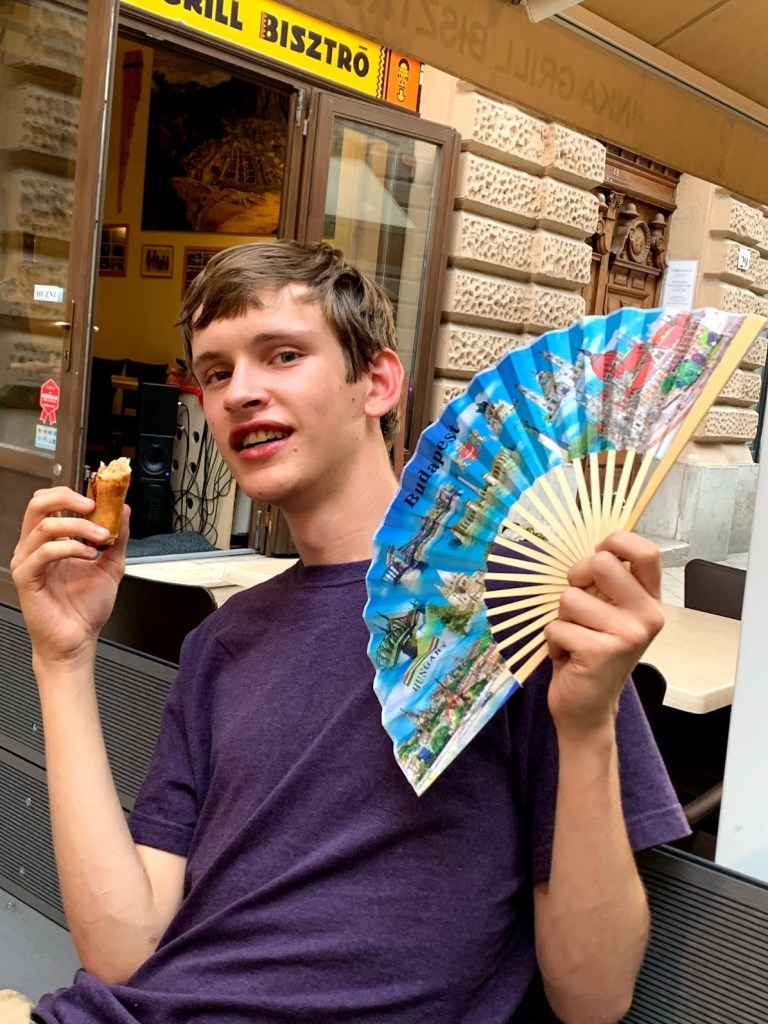
Once back at our apartment we cooled off and rested before walking a block to a local restaurant called Mango Cowboy. It was there we discovered that Hungarian spices are really hot! Liam had the Hungarian BBQ wings. Needless to say I was fanning Liam as he sweated and turned red after eating a few of the wings. It was lovely sitting outside watching folks walk by and listening to the live Latin American music from the Peruvian café next door…truly a cross-cultural experience while sitting at a table in the streets of old Budapest.
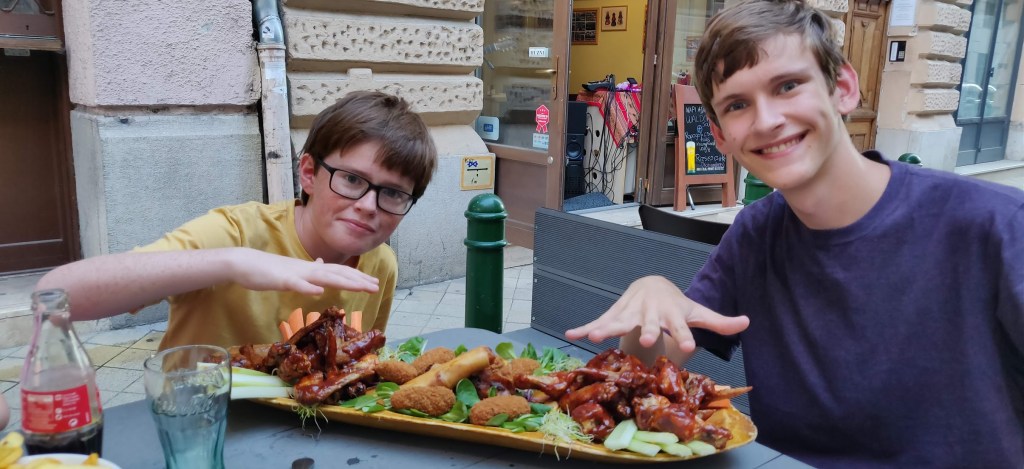
Seamus and Liam sizing up their wings.
Seamus ordered milder wings than Liam.
Budapest or Bust

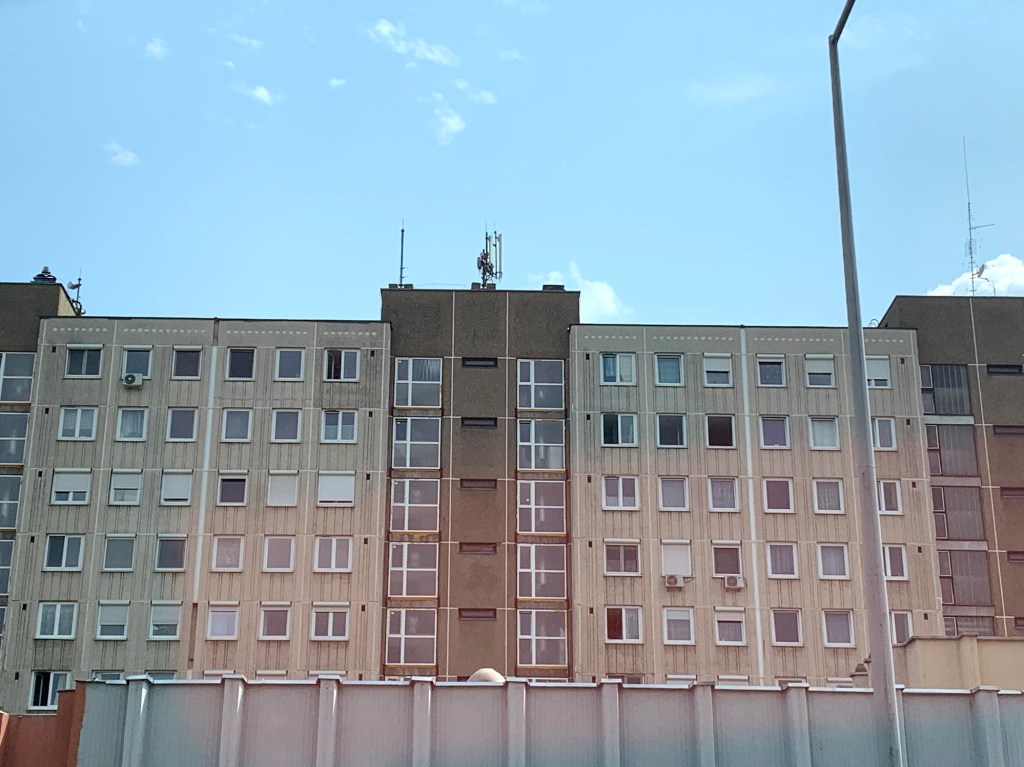
Once again Robert and the kids had a four day weekend, which gave us the opportunity to travel to yet another little unknown country…Hungary! We drove through Slovenia and into southern Hungry passing through the countryside with its ever changing architecture. Central European homes and villages with their pastel colors and red tiled roofs gave way to a more gray/cream palate and Eastern European style. This was very evident as we approached the suburbs of Budapest, Hungary’s capital. People still live in the old Soviet Communist Block housing. Gray and tan square buildings with multiple floors and no outdoor balconies dominated the suburbs. Every once in awhile a block building would be painted a pastel color, perhaps an attempt at making the ugly ducklings beautiful!

Old Communist Block Housing

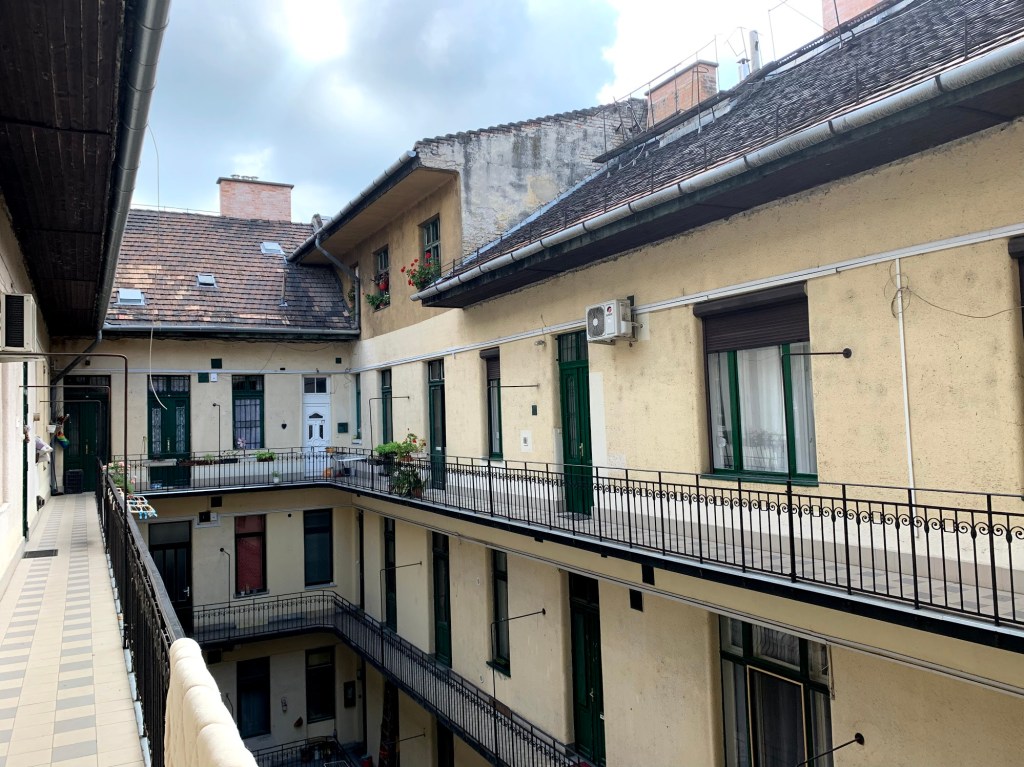
Once in Budapest we found our apartment, which was located in a typical inner city open square. The kids found the 1930’s elevator intriguing, especially since you had to close the outer doors before the main elevator door shut! The buildings were old, but the apartment was modern in décor and quite nice.

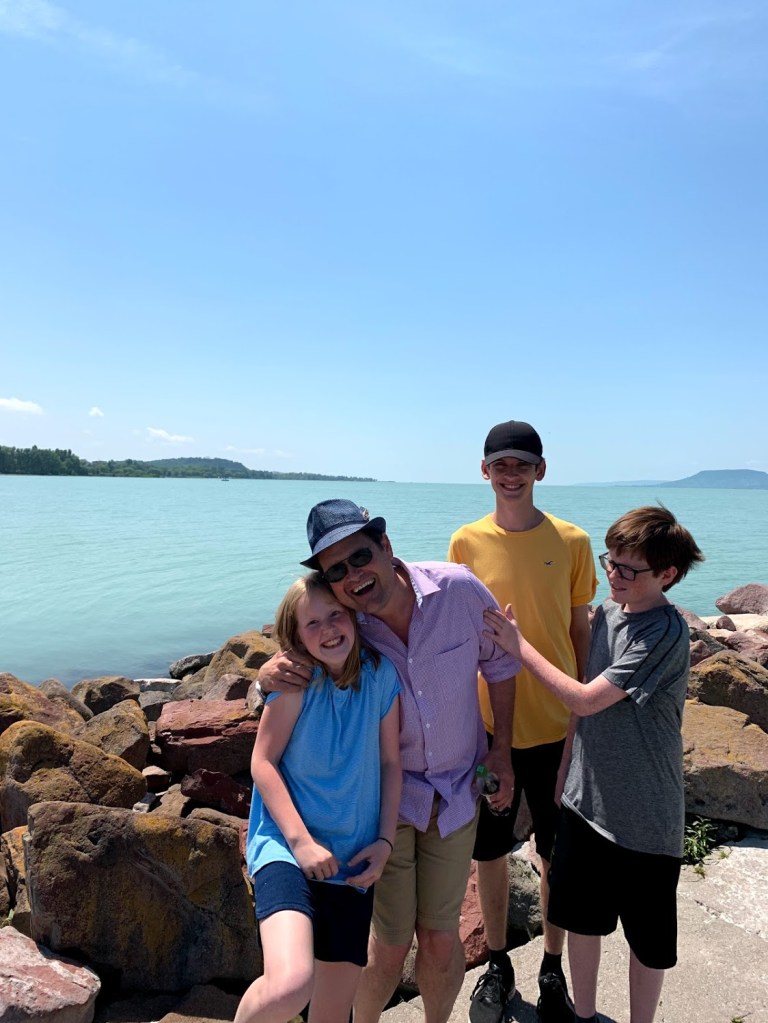
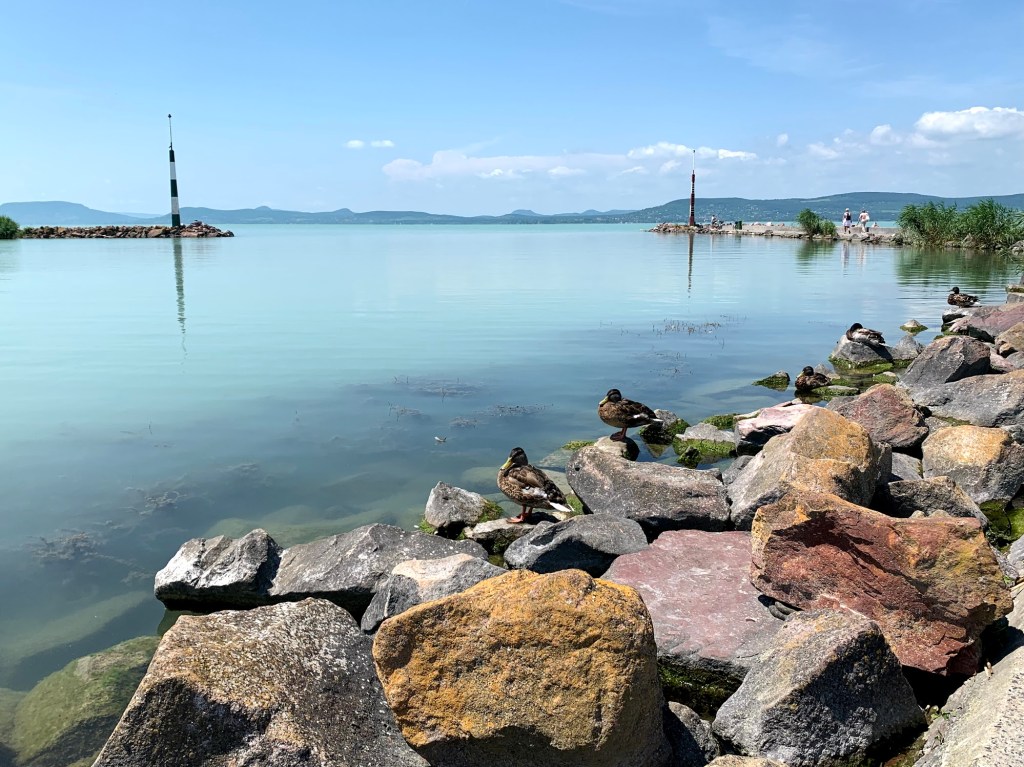
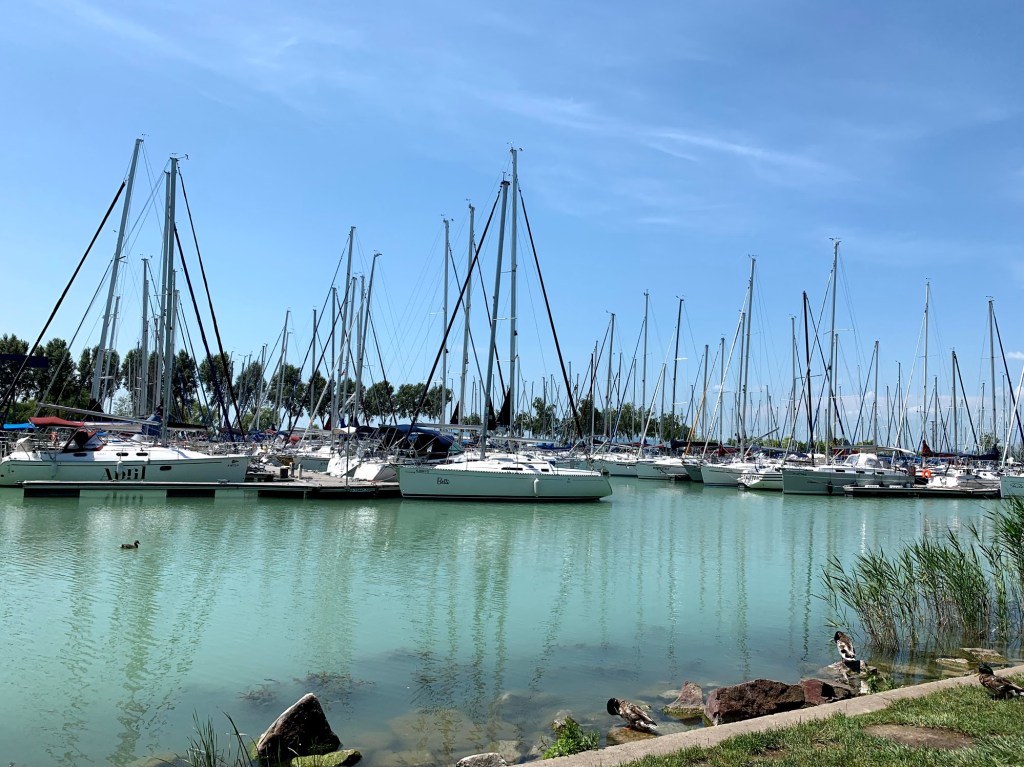
Before we arrived in Budapest we stopped off at Lake Balaton. It is the largest fresh water lake in Hungary at 80km long and 20km wide. We found a nice resort town to stop in and strolled out onto the local pier. The lake was a creamy, milky blue color lined with creamy brown and tan rocks. Many ducks enjoyed sunning themselves on the lakeshore rocks!

I love this candid photo!
Sunny Duck Days!
Marina on Lake Balaton

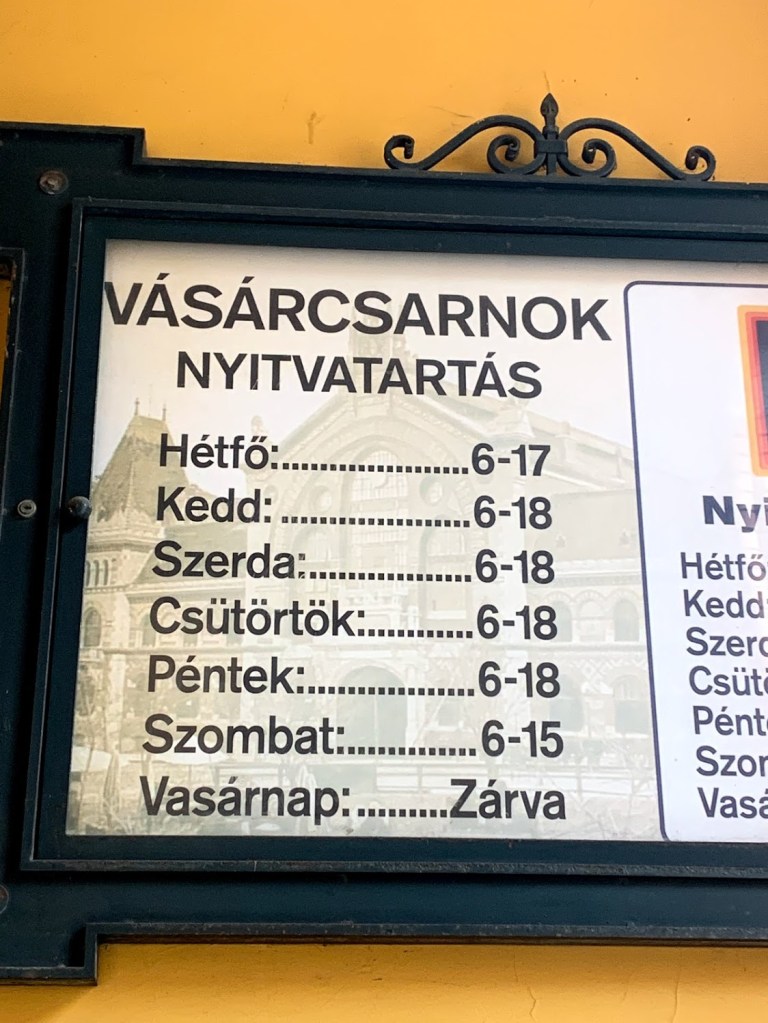
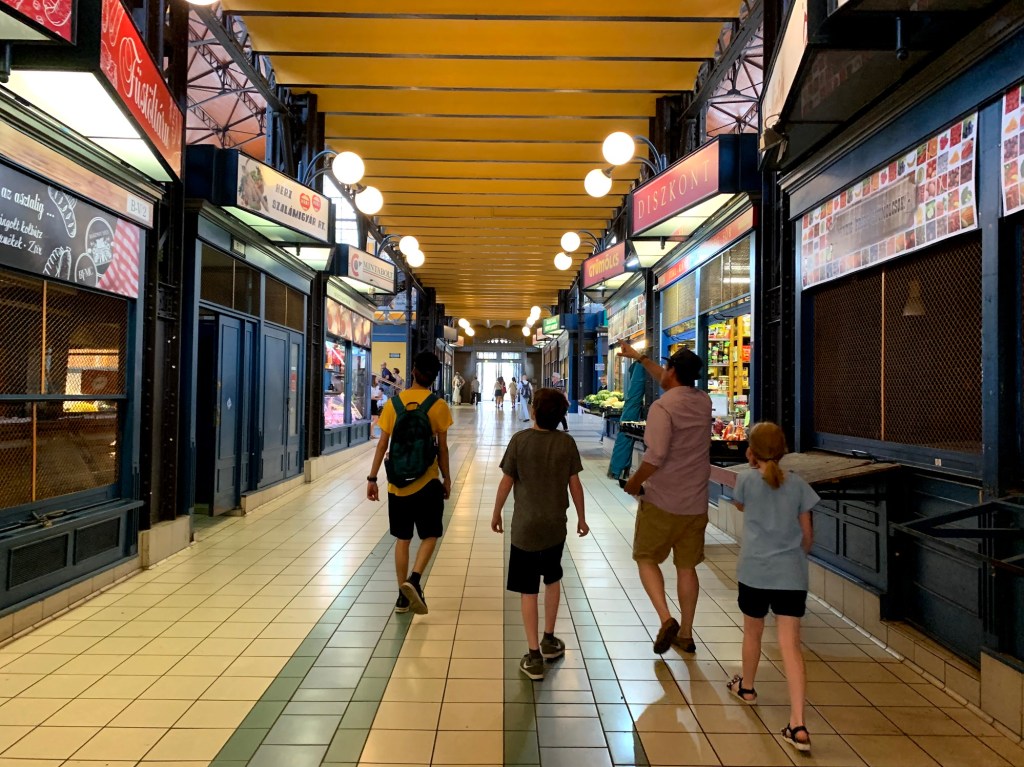
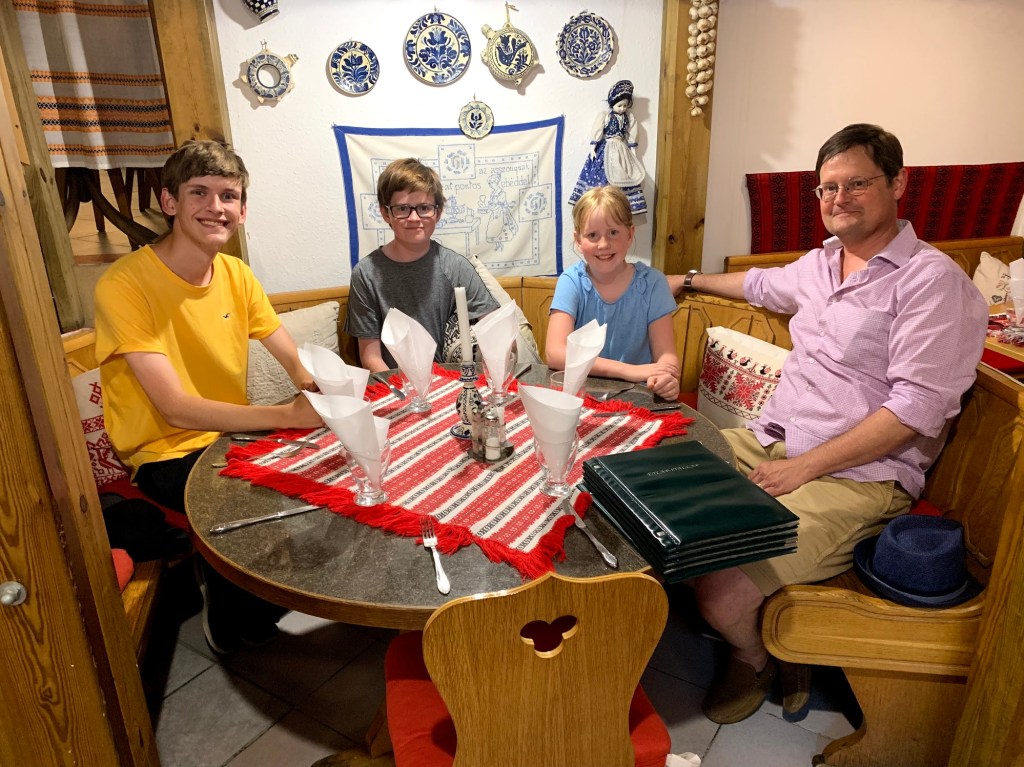
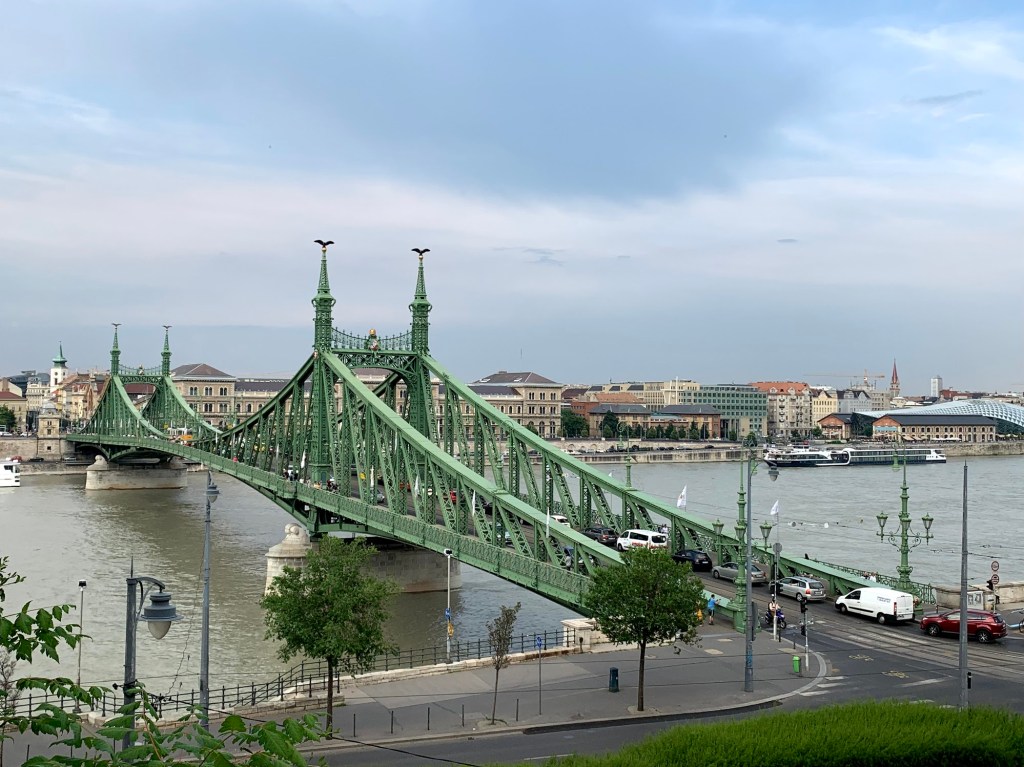
During the evening we explored the Central Market and purchased our breakfast foods, including Hungarian cheeses and paprika spiced meats. Across from the massive indoor market we found a traditional Hungarian restaurant complete with live music played on a cimbalom. I was able to talk with the musician who spoke some German. After dinner we walked across the bridge from Pest to Buda. The capital city of Hungary was originally two separate cities and combined together to form Budapest in November 1873.

Central market
Quaint Hungarian Restaurant
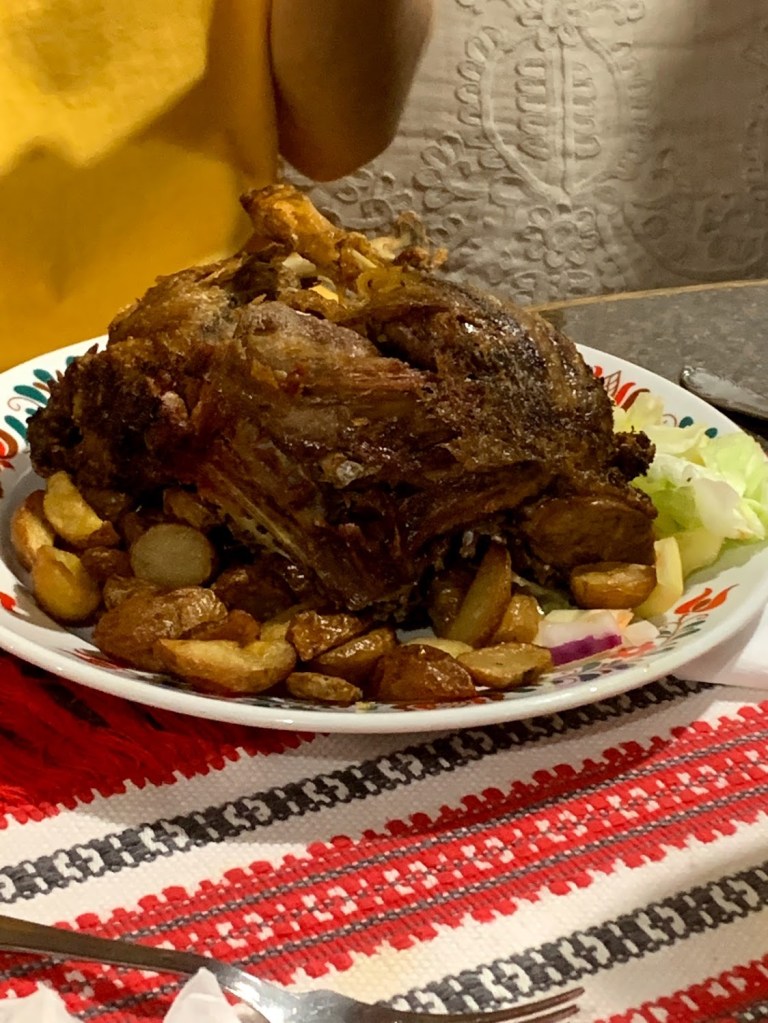
Traditional Hungarian Pig Knuckle

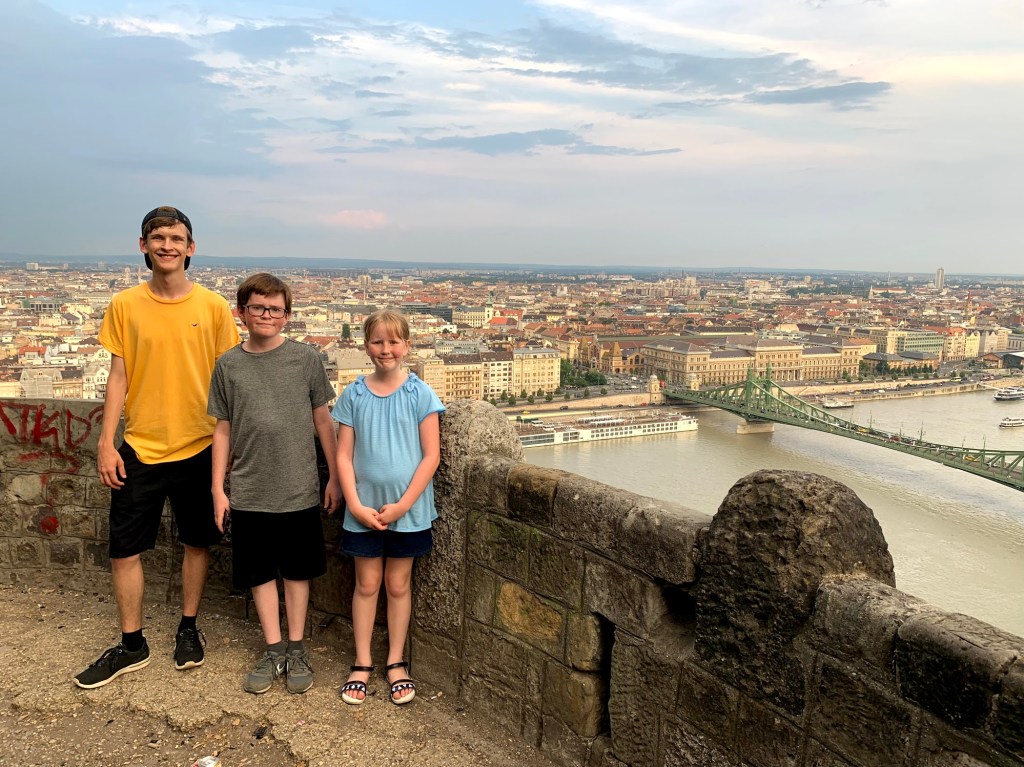
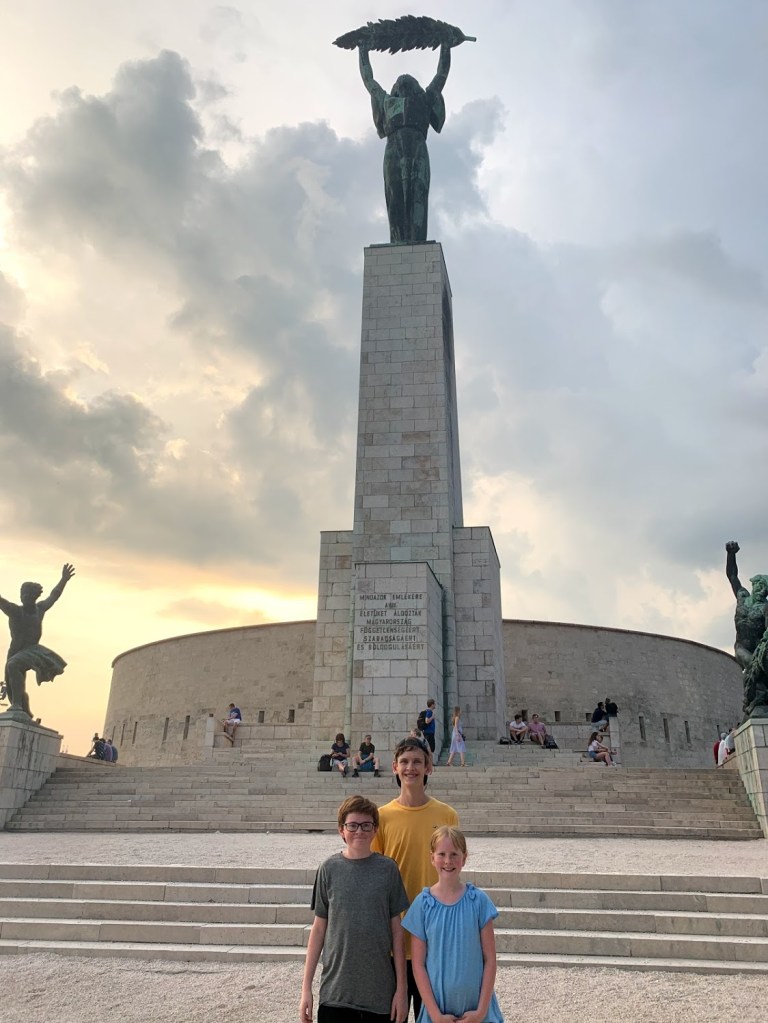
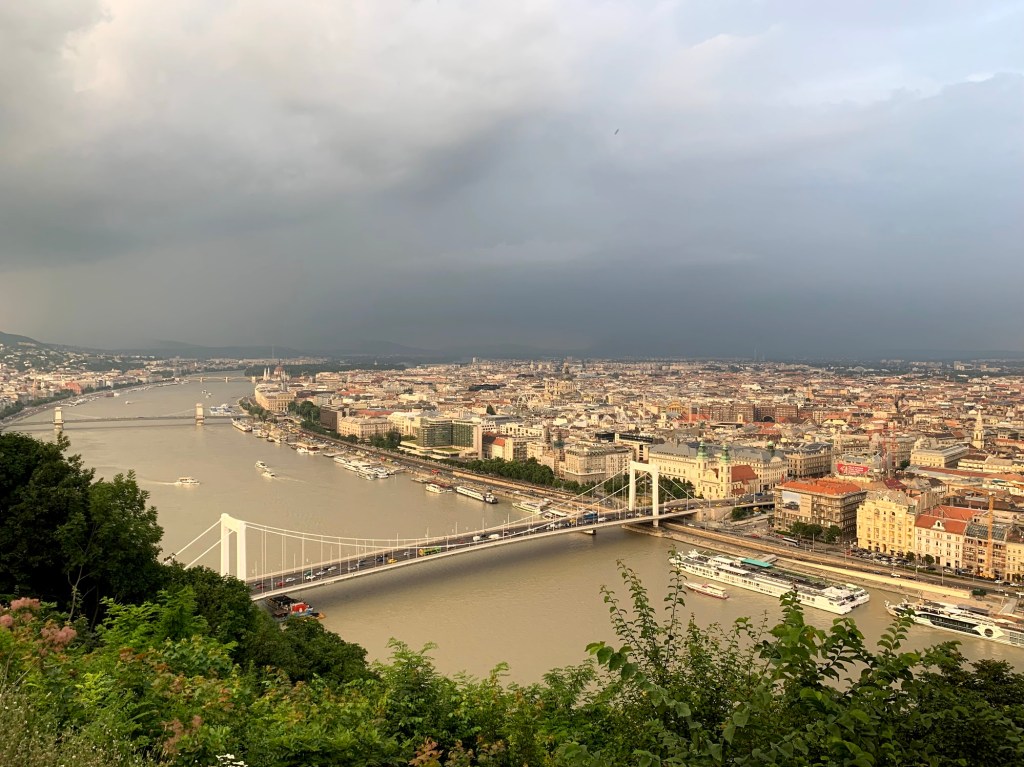
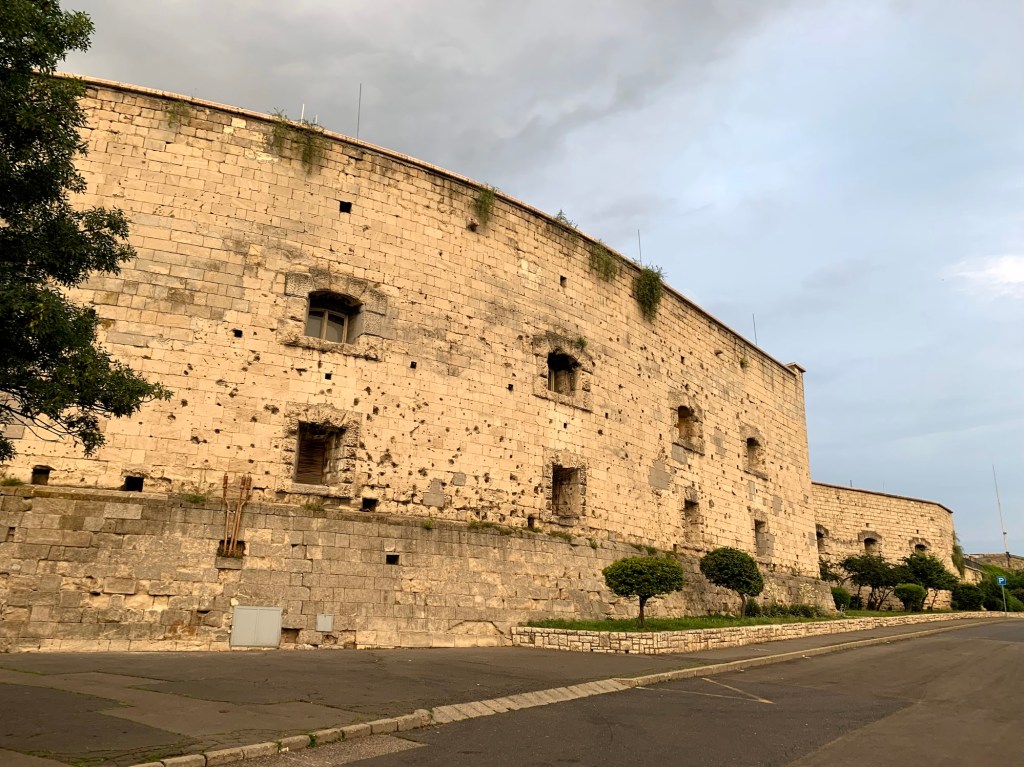
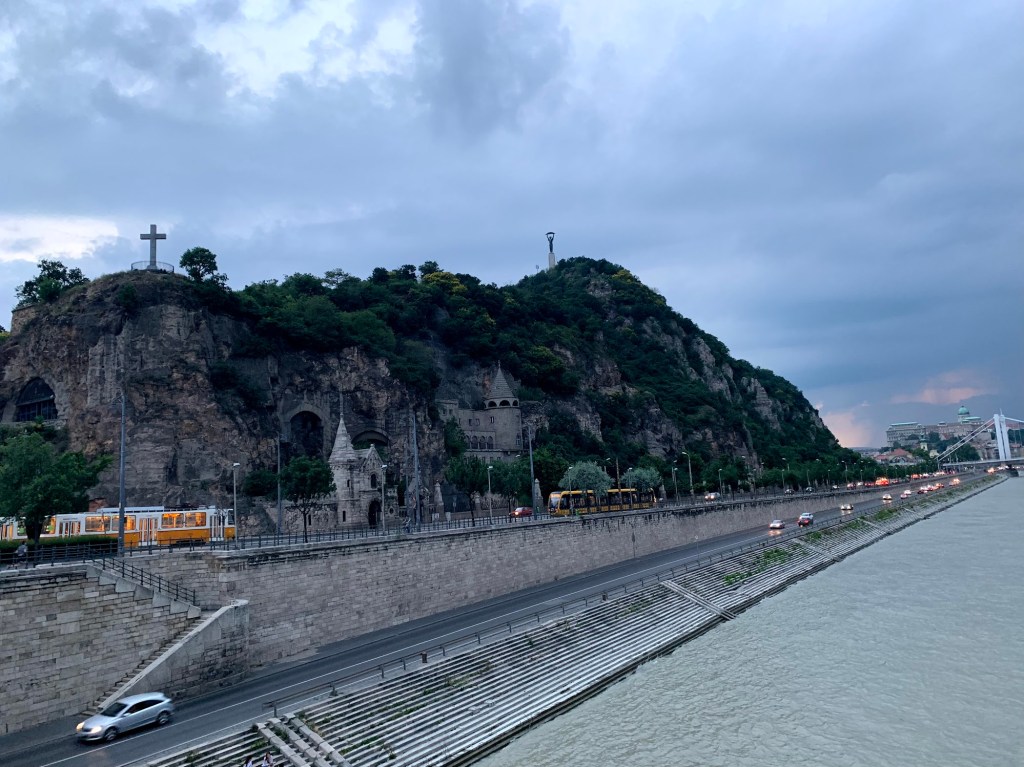
Along the banks of the Danube River in Buda is Gellert Hill, which is named after St. Gellert. We climbed the massive hill, that serves as a lovely city park for the residents of Buda. At the top we saw the old Citadella, stunning views of the city, and the “Lady Liberty” of Budapest. She first represented the freedoms won in the 1848-49 Rebellion, then the Soviet Liberation from the Nazi’s, and finally she has come to represent the liberation in 1989 from Communism. She is holding a palm leaf to represent freedom and peace. There was also a beautiful stone cross, placed in honor of St. Gellert who was martyred on the hillside.

The Hungarian Statue of Liberty
The Danube, Pest, and a bit of Buda:
The views from atop Gellert Hill were stunning!
Budapest Citadel was built as a fortification atop Gellert Hill in the mid 19th century.
Gellert Hill and Cross in Buda as seen from the Chain Bridge
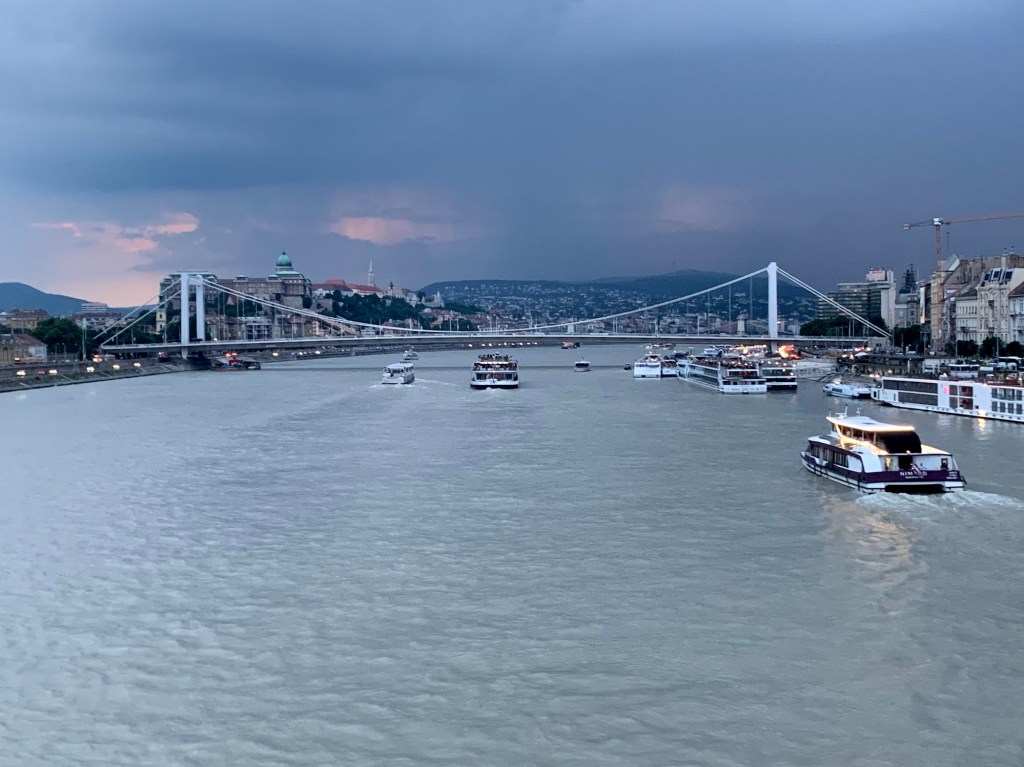
Sunset on the Danube:
20 June 2019
I took this photo standing in the middle of the Chain Bridge. Buda is on the Left and Pest is on the right.

Our first impressions of Budapest were that it was very different from other cities we had seen in Europe thus far. It still has a Soviet era, Eastern European feel mixed with an up and coming western European vibe. The people were helpful and friendly. As we walked back down Gellert Hill we passed over the bridge and watched the storm clouds roll in from the west moving along the river. Later that night we fell asleep listening to the thunder rumble and rain pelt against the old casement windows of our apartment.

An Afternoon Stroll in the Gardens

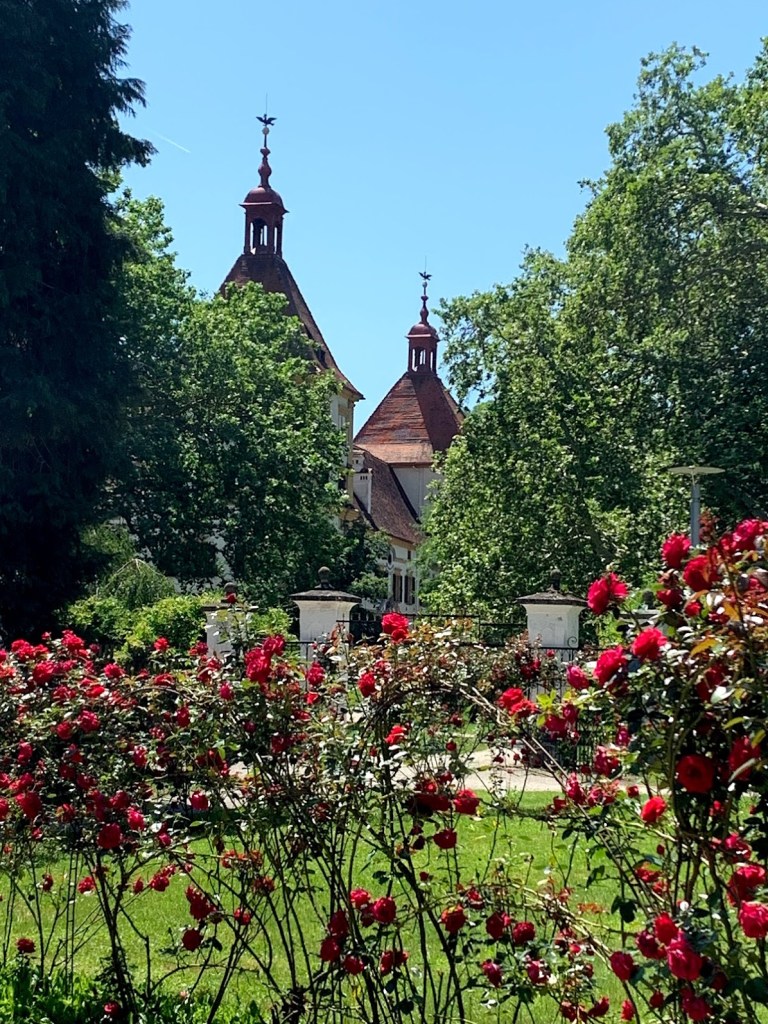
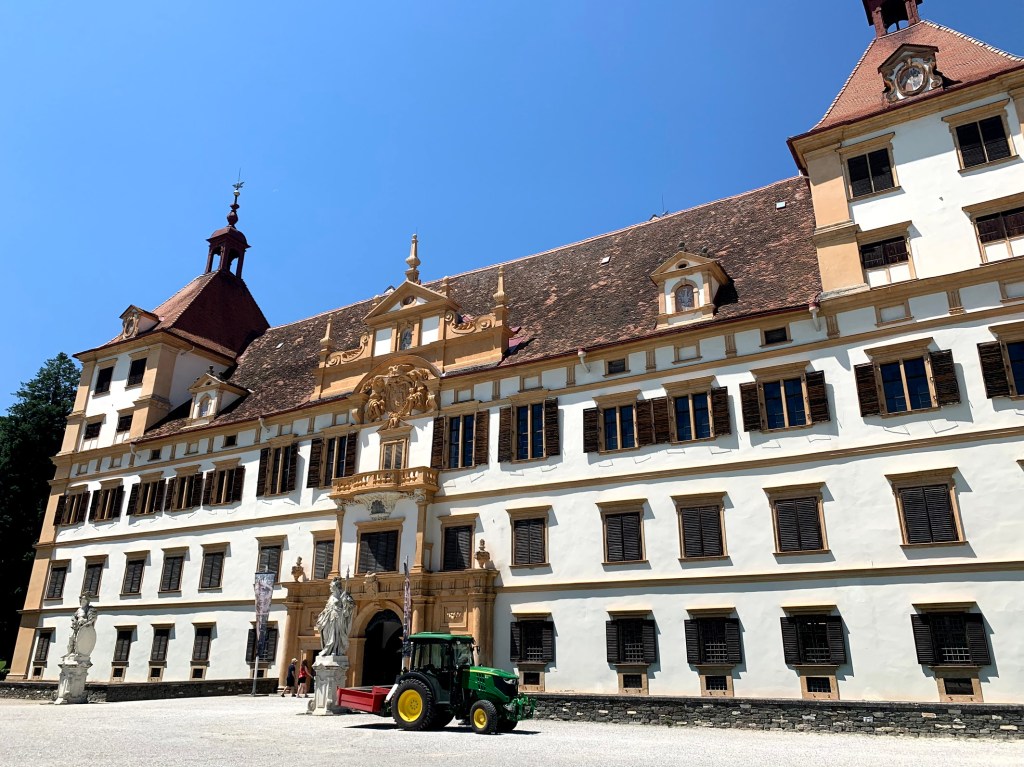
Schloss Eggenburg is a 17th century palace and UNESCO World Heritage Site. The palace is known for it’s symmetric, astronomical based building and gardens. We often went for a stroll in the lovely gardens because the palace was very close to where we lived. Here are a few photos from our various garden meanderings.

Rose Gardens of Schloss Eggenburg
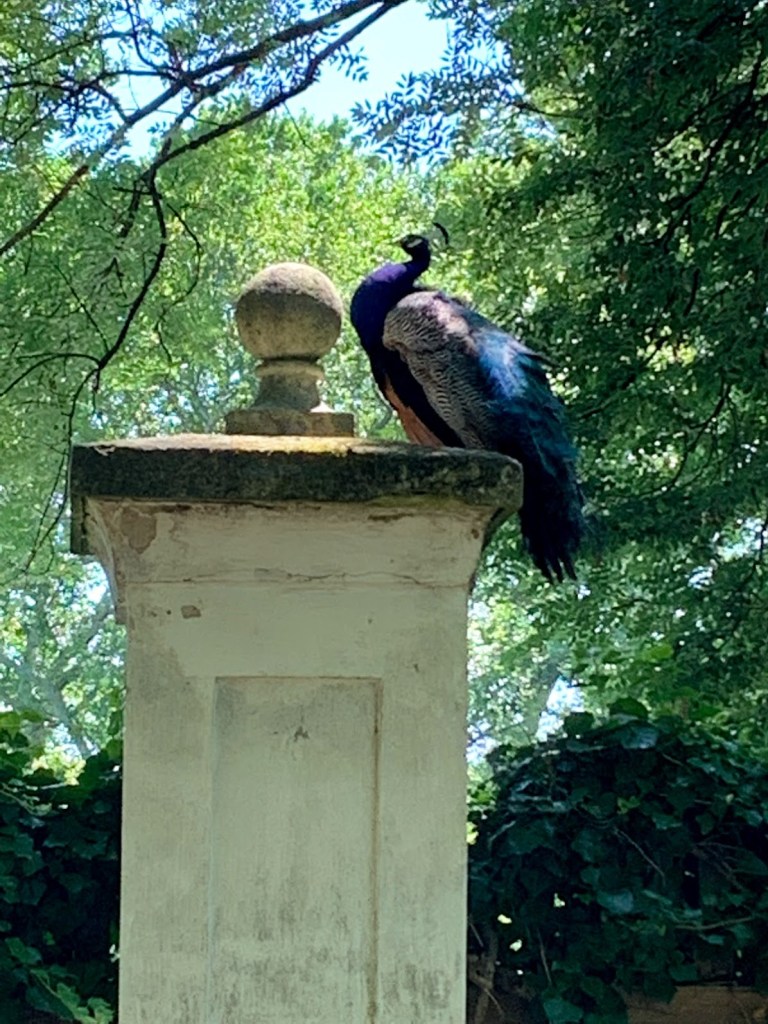
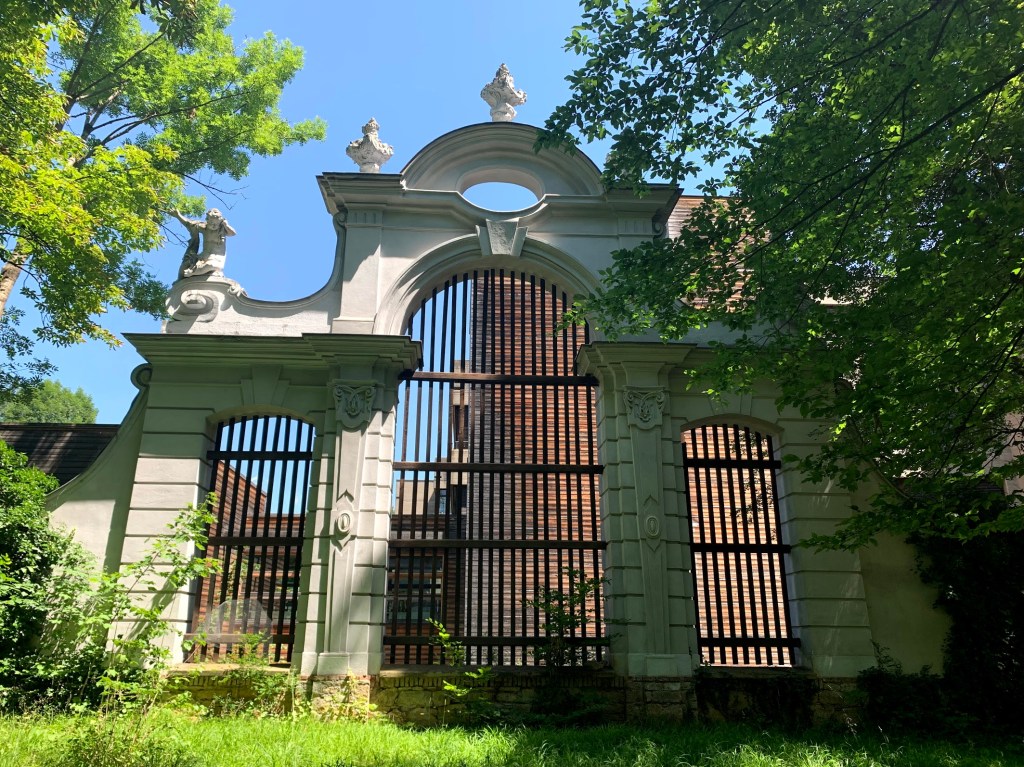
This is the gate that separates Schloss Eggenburg from the Graz International Bilingual School where are children attended. It is this fence that the peacocks hop over to enter the schoolyard!
Resting under a shady tree!
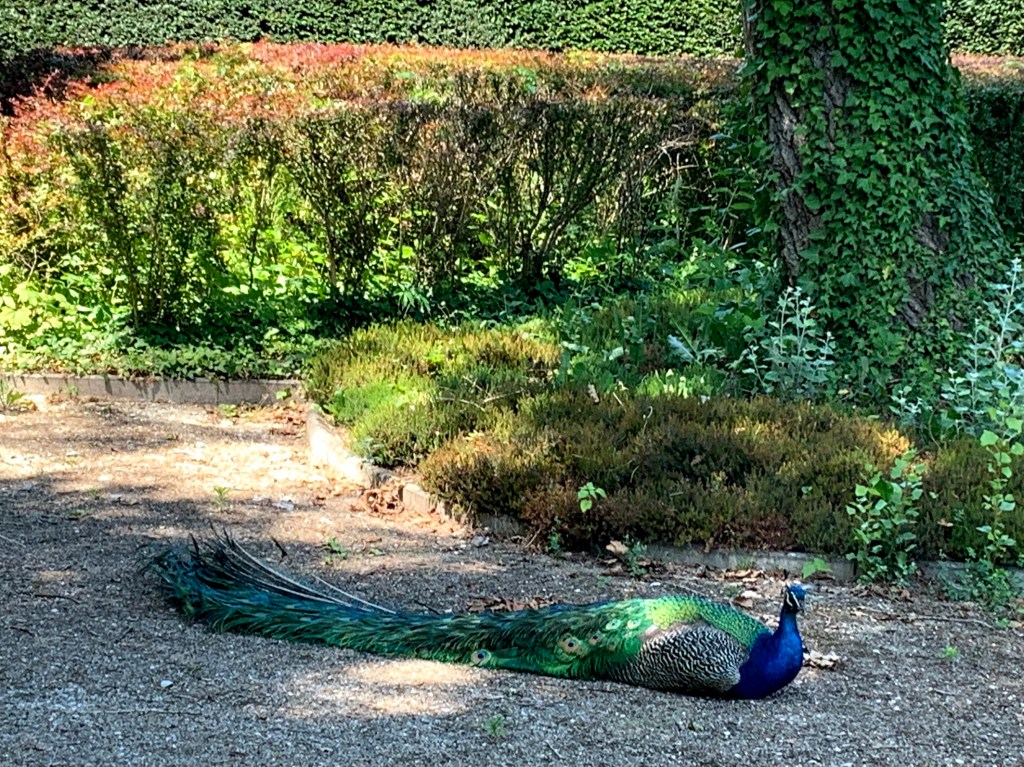
The Schloss has upwards of 25 peacocks and peahens that meander the gardens.
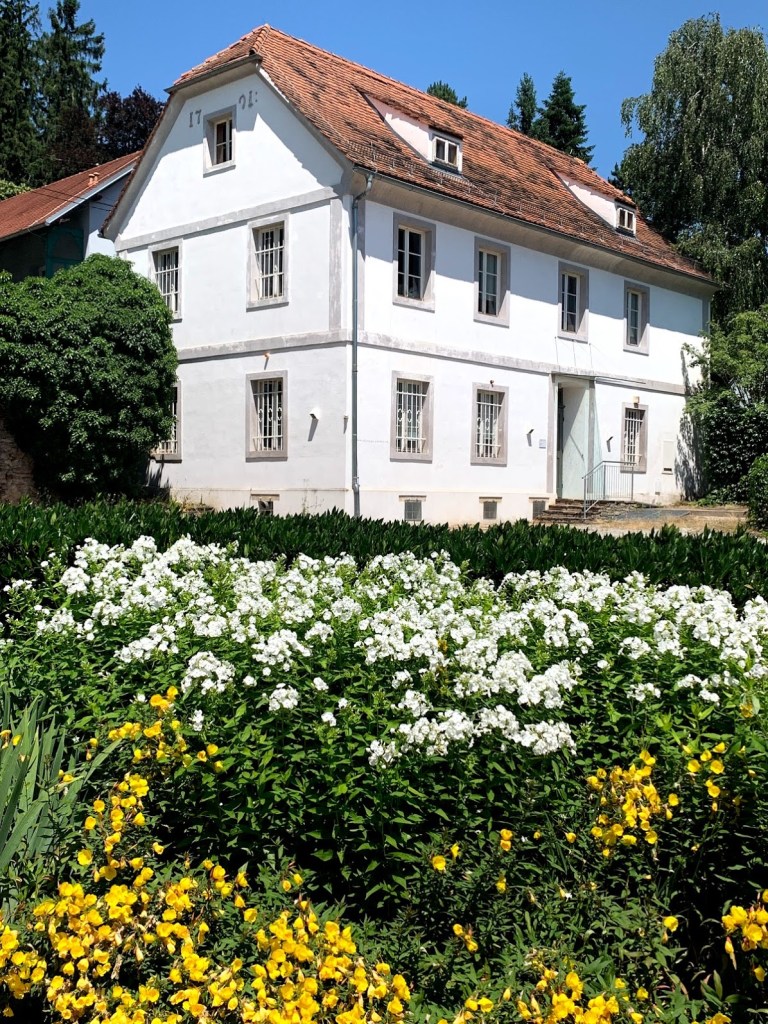
The Gardner’s House sits at the back of the garden and dates from the early 1700’s.
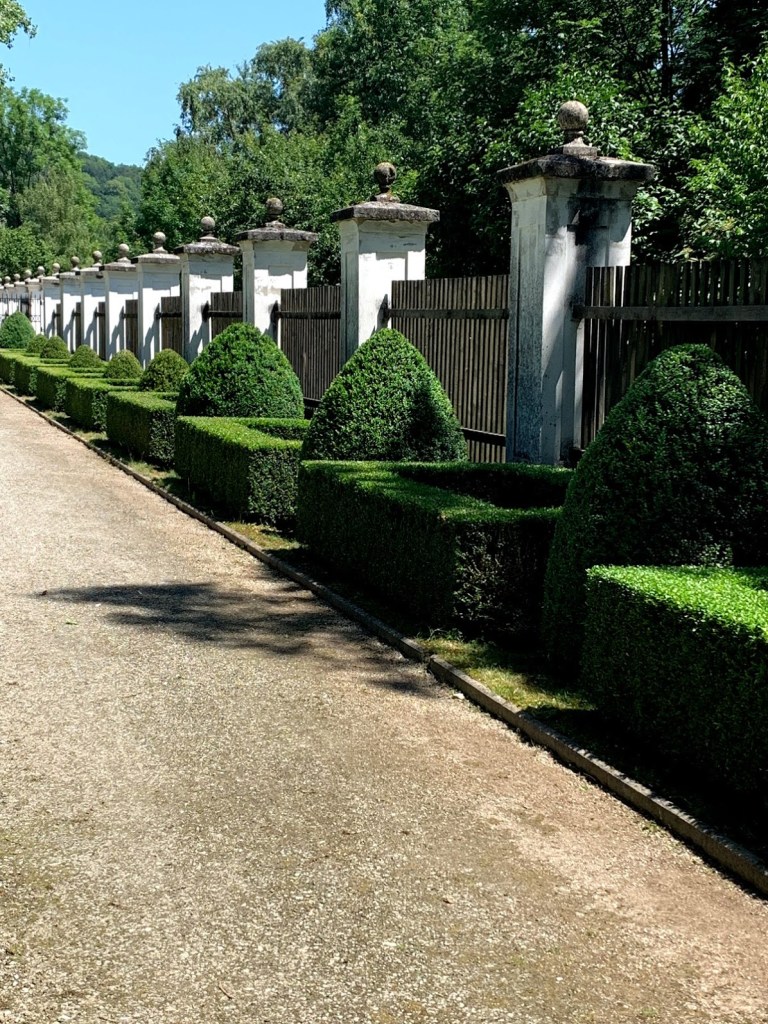
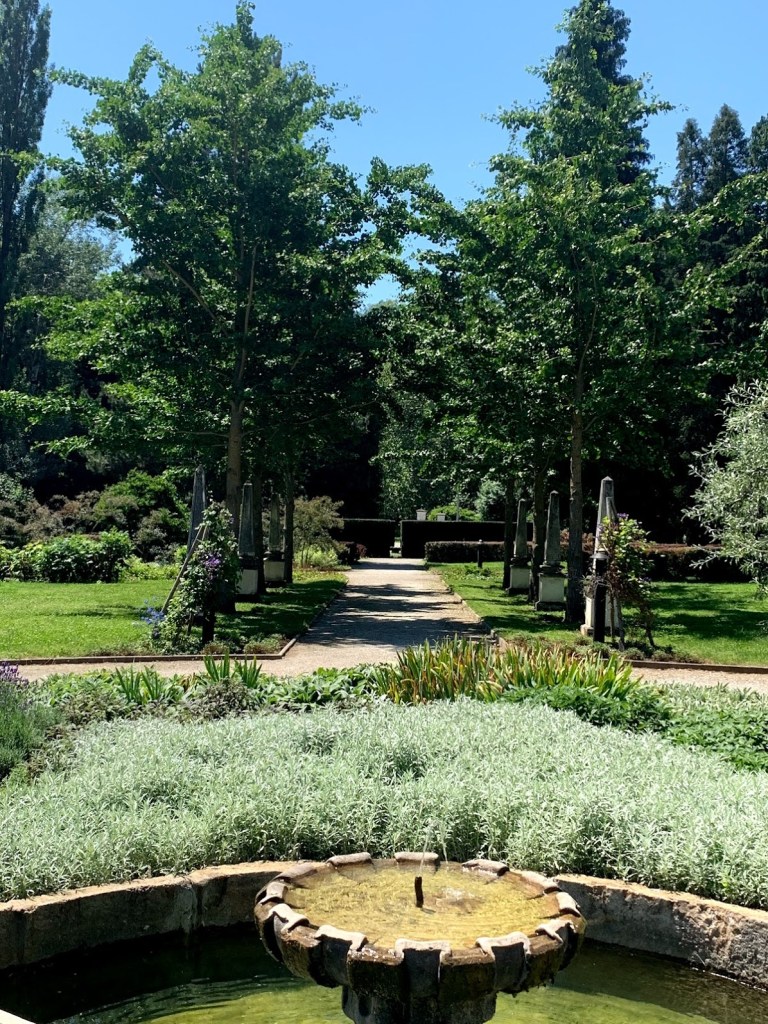
Lovely Garden Path
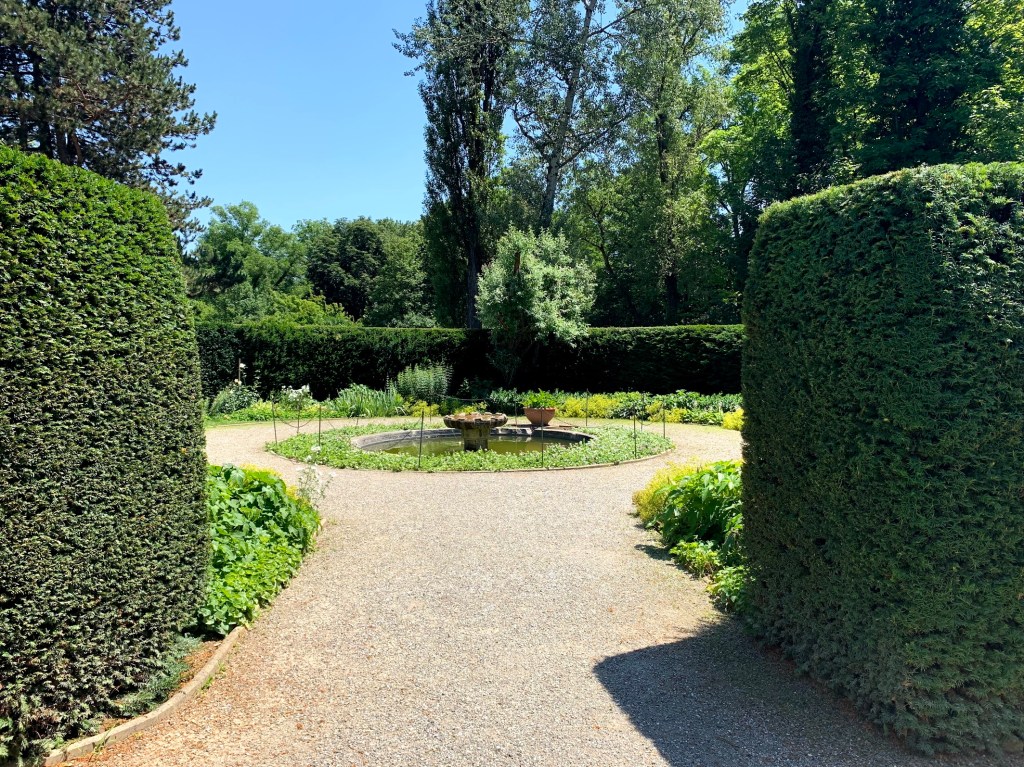
A Secret Garden
I love how it’s a John Deere tractor that takes care of the palace gardens!
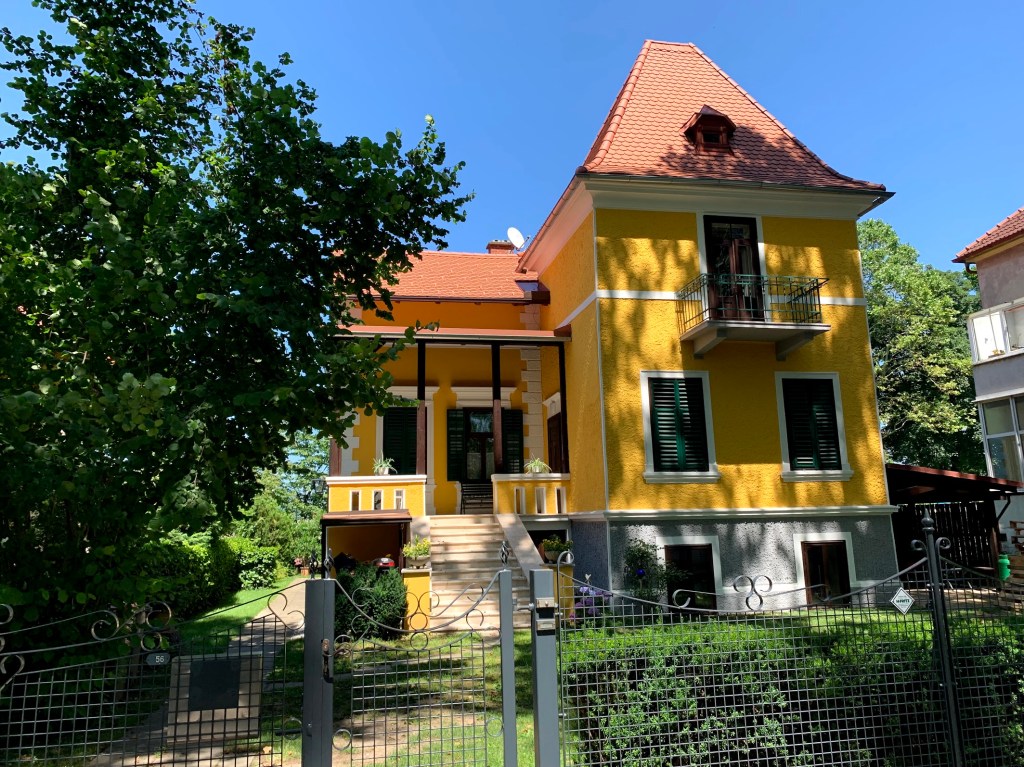
The neighborhood surrounding the Schloss is full of lovely 19th century homes. This one was our favorite.

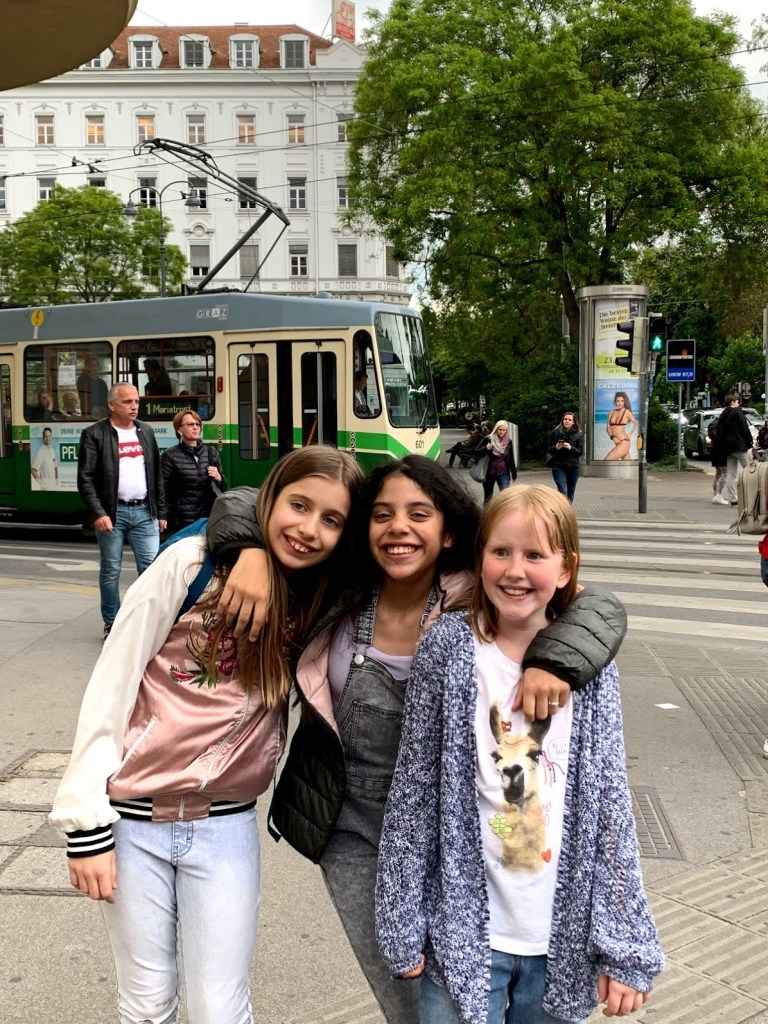
Friends

During our stay in Austria we were all blessed to make good friends. This post is dedicated to all our new friends!

L-R Manon, Elis, Faywen
Manon is French/Australian, Elis is Puerto Rican/American
They are friends from school (GIBS).
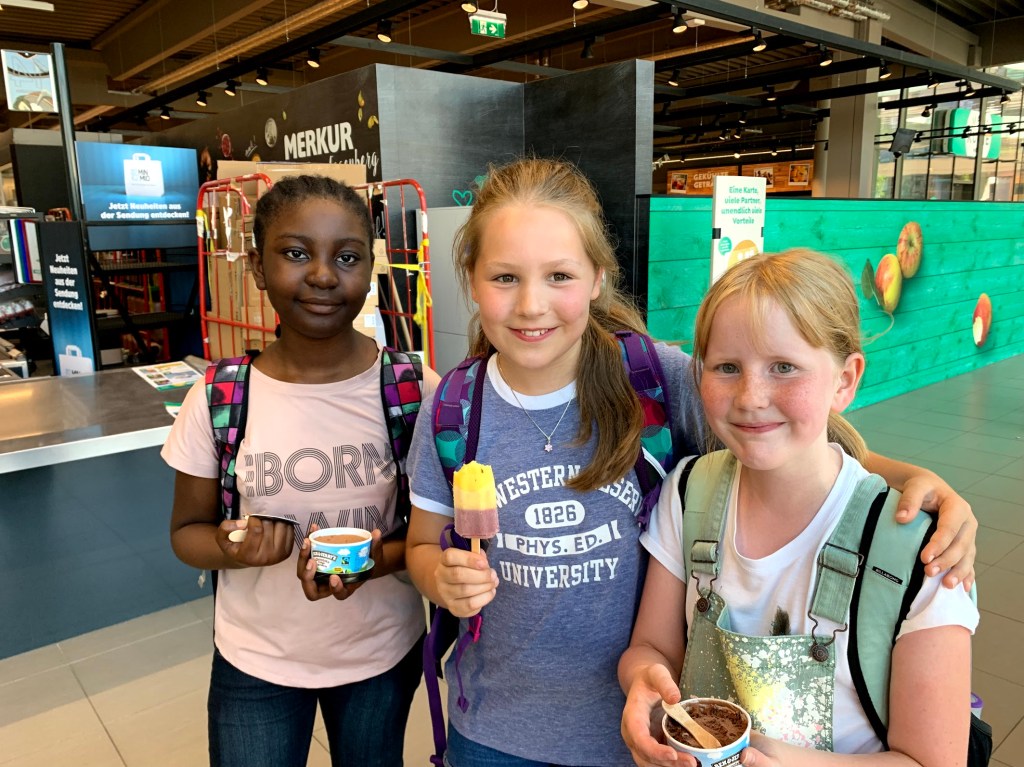
L-R Sharon, Julia, Faywen
More GIBS schoolmates
Sharon is from South Africa and Julia is German/American.
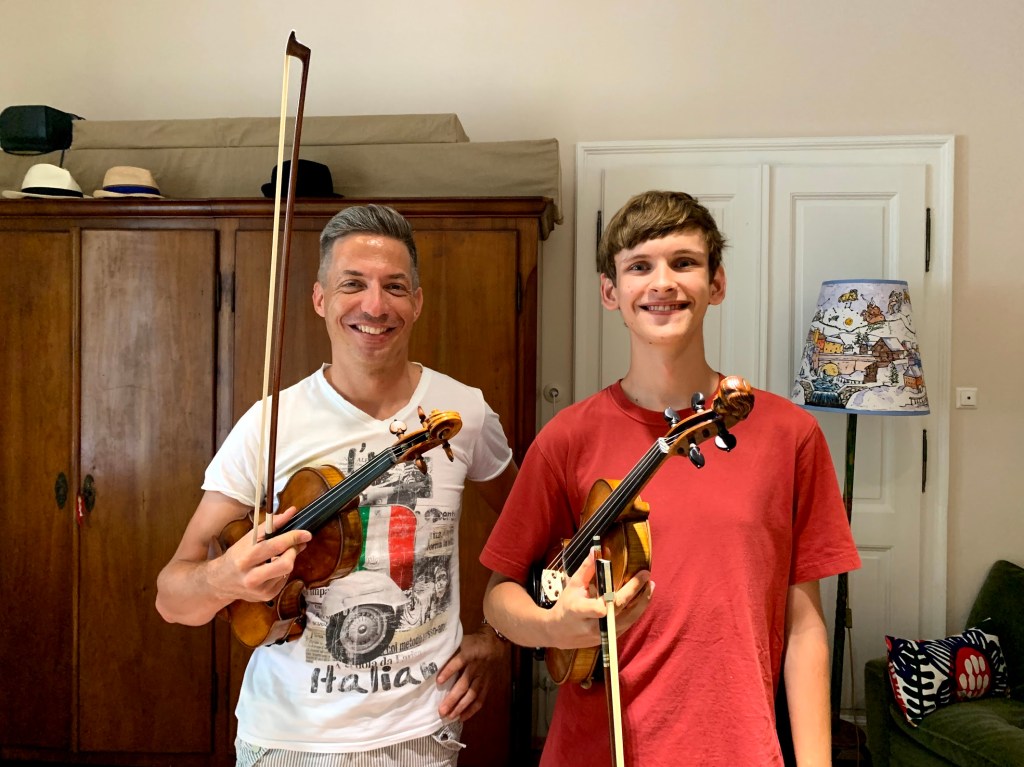
Mr. Alexander Stock was Liam’s private violin teacher. Mr. Stock is the Concert Master for the Graz Opera Orchestra (aka Graz Philharmonic)
Seamus and his GIBS classmate, Nathanial, who is from New Mexico. Seamus also befriended a boy named Denis from Turkey, but unfortunately I never got their photo.
Manon and Faywen were very close friends!
Thomas and Sally Gissy were Manon’s parents. Robert and I considered them our closest friends while in Graz. Thomas is French and Sally is Australian. They moved to France just a couple of weeks before we came back to the USA.
L-R Faywen, Elodie (Manon’s older sister), Manon
Both girls were very nice and had a good sense of humor!
Liam and his GIBS classmate Bruno, who was originally from Argentina.
Liam and Tim:
Tim was Liam’s closest friend at school. Tim was British/Mongolian.
Liam and Hanzi standing in front of their school, GIBS.
Hanzi was the only Austrian friend Liam had.
Robert and Anita:
Anita taught English at FH Joanneum. She was Austrian, but had lived for a while in Wales. She was a very good colleague and friend to Robert.
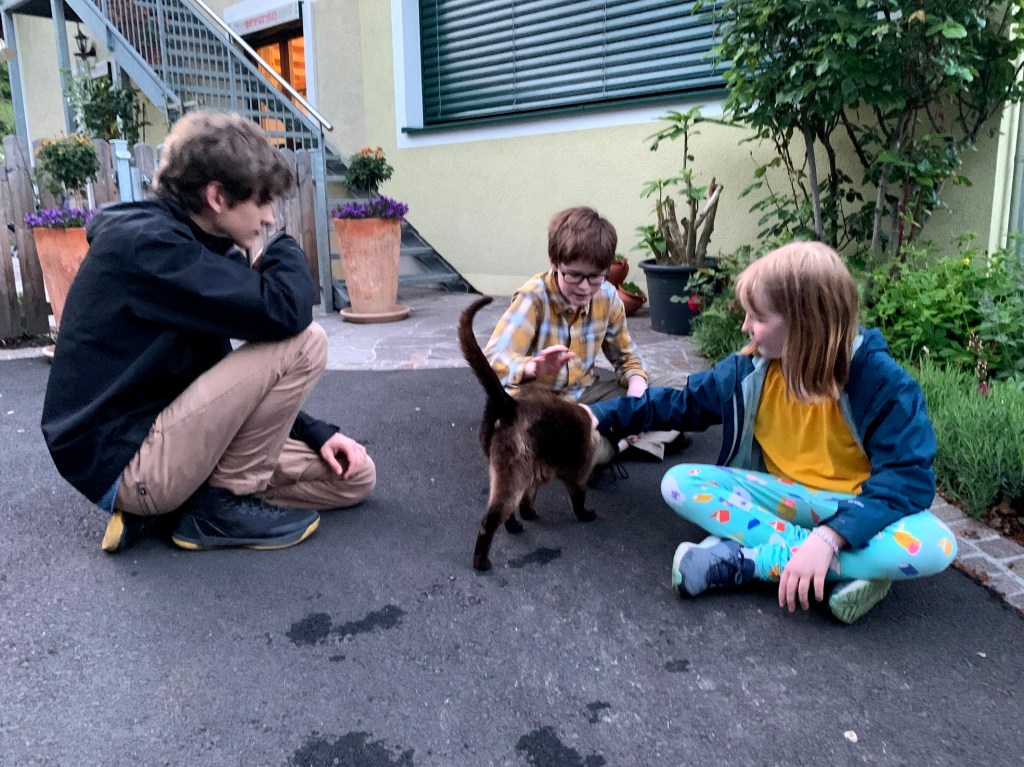
Seamus and “Floofers”
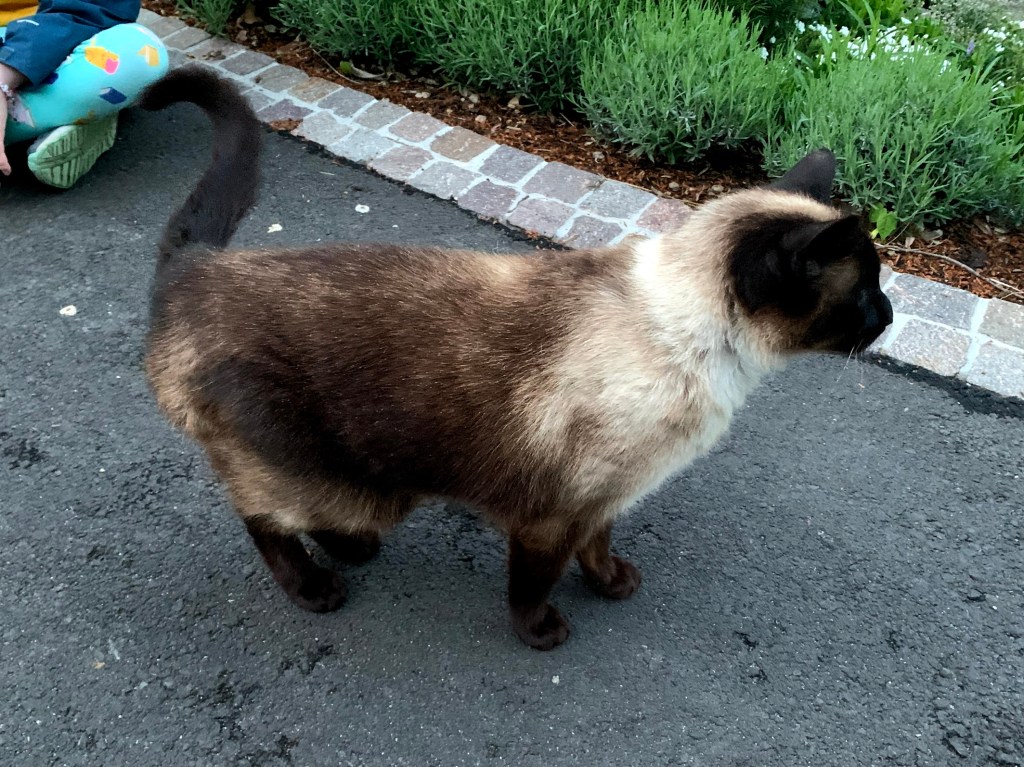
We befriended a couple of neighborhood cats. We have no idea what their real names were, but we gave them each a special name.

Alles gute zum Vatertag

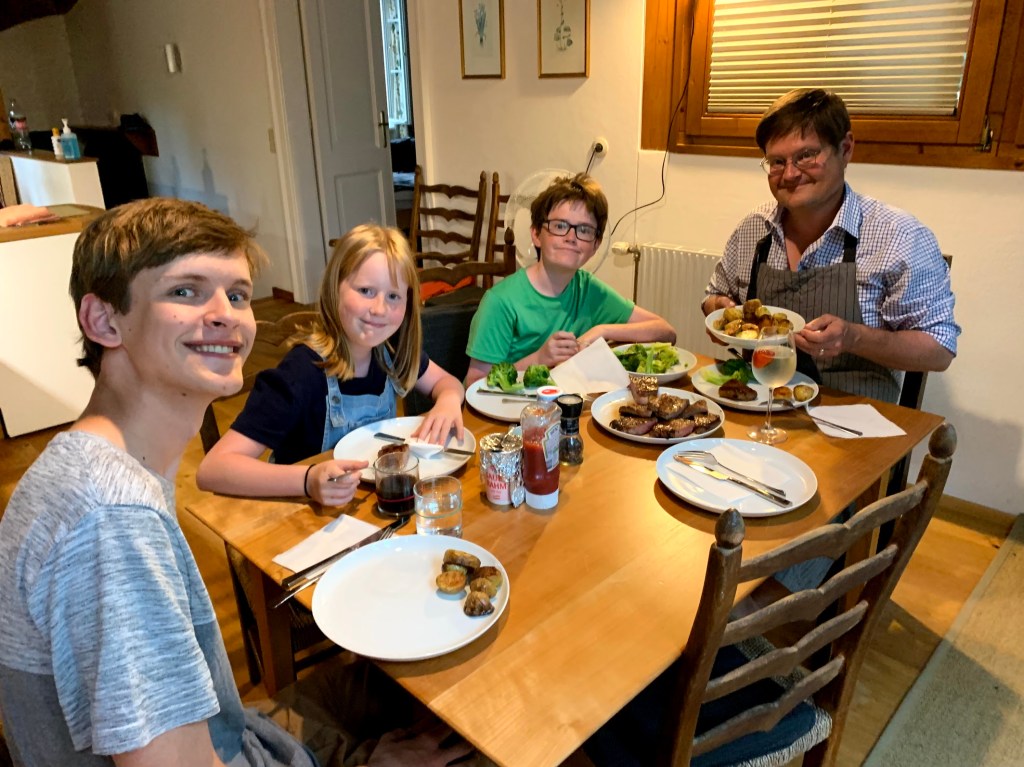
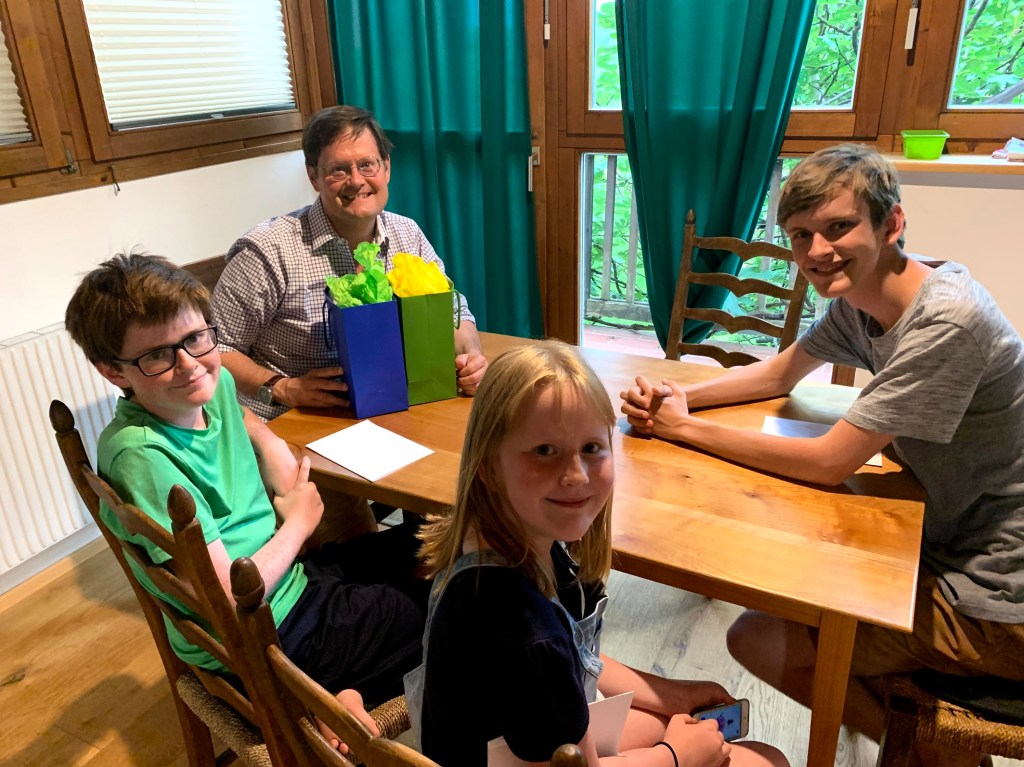
Vatertag in Austria was actually on June 9th, but we were in Slovenia at the time and opted to celebrate on the American date, June 16th. Robert celebrated the day by getting to lay around and relax! His gifts included clothes, funny homemade cards from the kids, and a yummy steak dinner. In the evening we Skyped with Gree and PaPa, my parents, and wished my dad a Happy Father’s Day!

Route 66

The Graz International Bilingual School or GIBS is a language school instructing in German and English with four other major languages given as options for students to study. Austrian education is typically well rounded and simple music classes are offered as part of the curriculum, though the music courses are not on the same scale as in America, Mrs. Canizares, the music teacher instructs basic music education to all levels of students at GIBS. If a student wishes to seriously study and perform music they attend the Music Conservatory in downtown Graz.

Faywen and her best friend Manon:
Manon sang in the Junior Choir with Faywen.

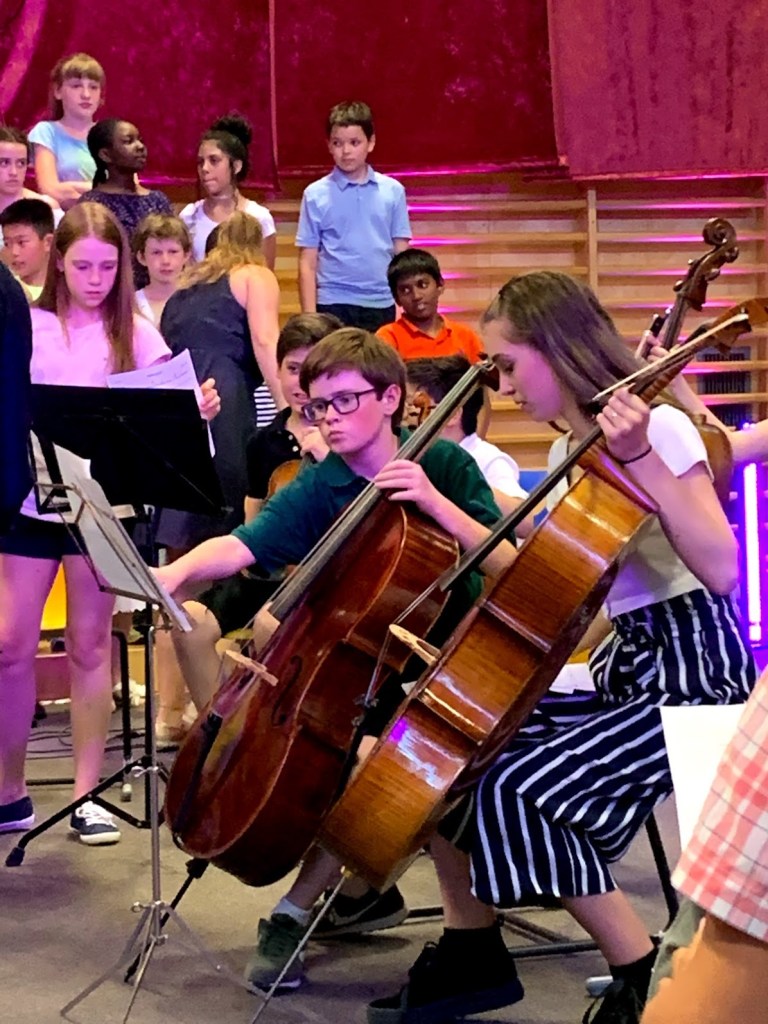
Mrs. Canizares, who is originally from New York City, often coordinates two concerts a semester for the GIBS community. She directs two after school choirs, a Jr. and Sr. Choir, and will arrange accompaniments to the choral songs for the various orchestral and band students who are at the school. The groups meet voluntarily after school for a few weeks leading up to the concert date. Liam and I were privileged to help instruct the younger kids for the March and June concerts. Mrs. Canizares was very happy to have a fellow music teacher and enthusiastic high-school musisian on board.

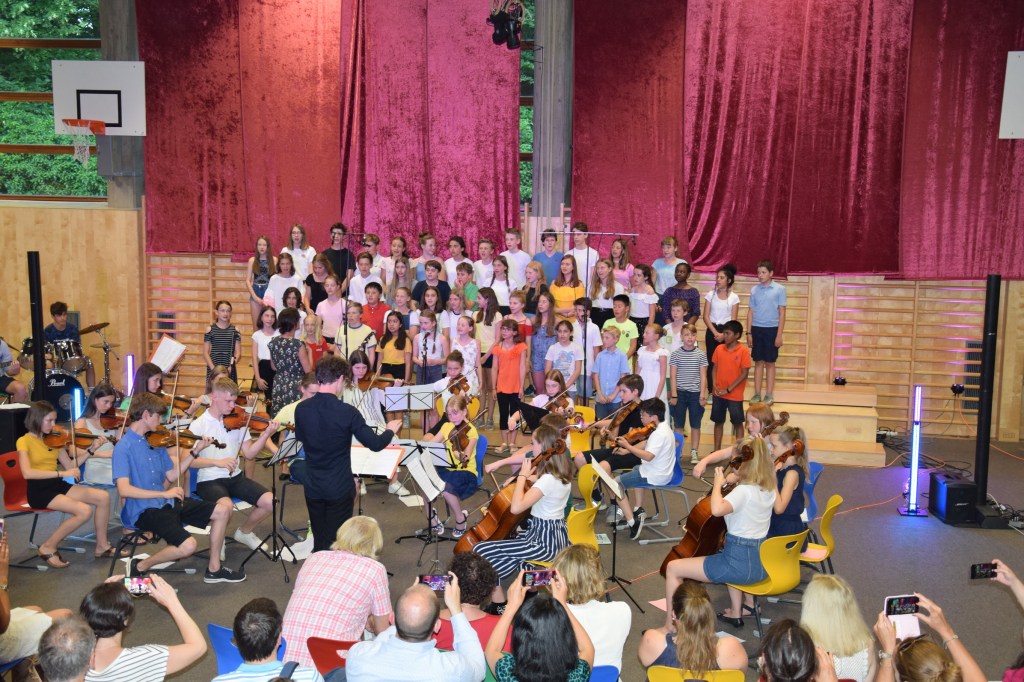
Mrs. Canizares taught the choirs, but former GIBS student Floris Fortin conducted the orchestra and choirs for the concert. He is a cellist in a well known European octet called the Oberton Octet.

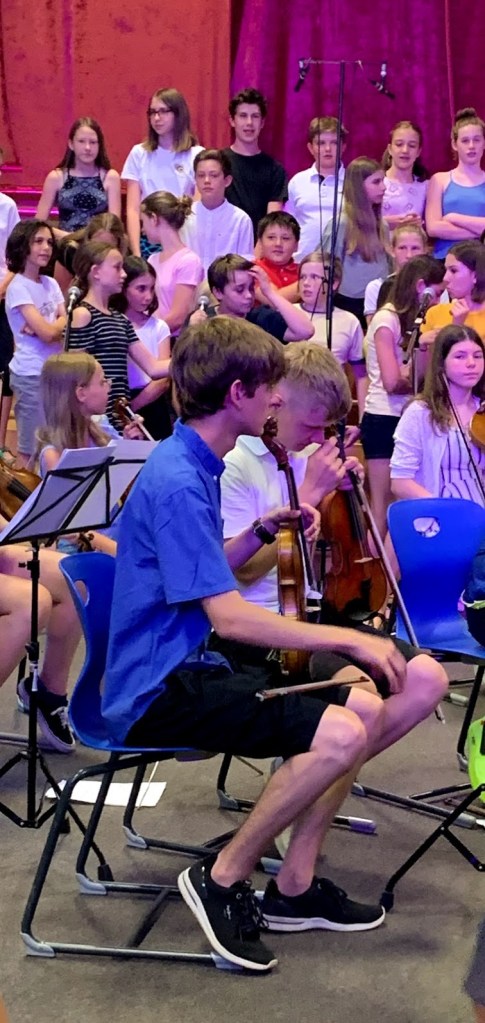
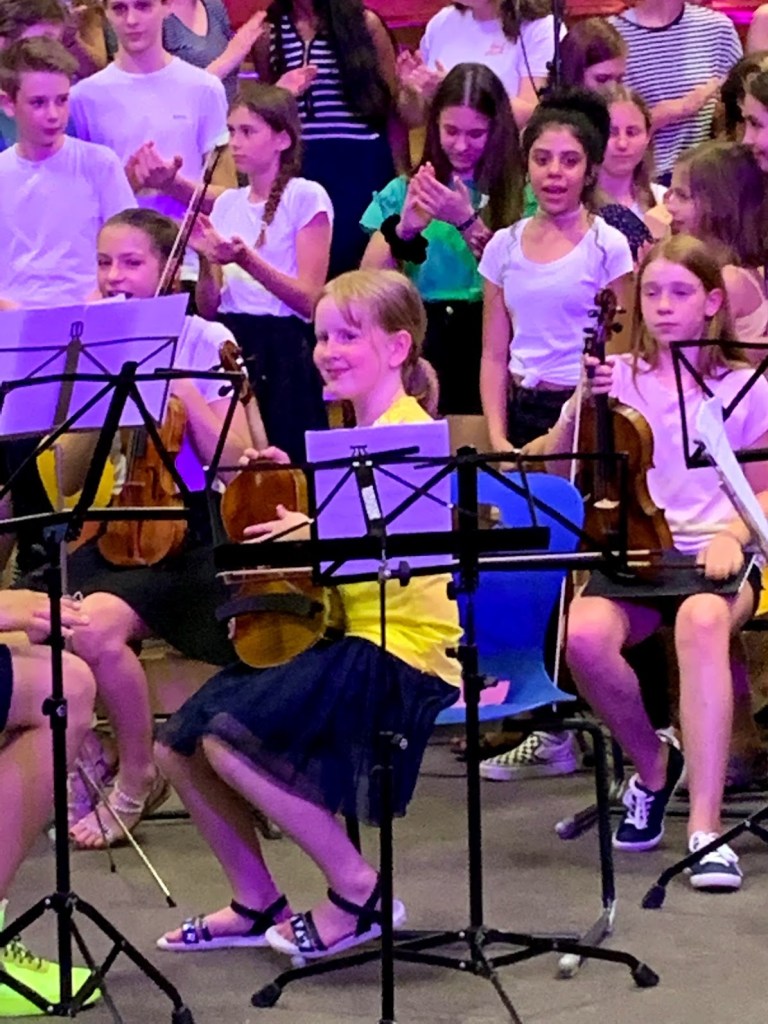
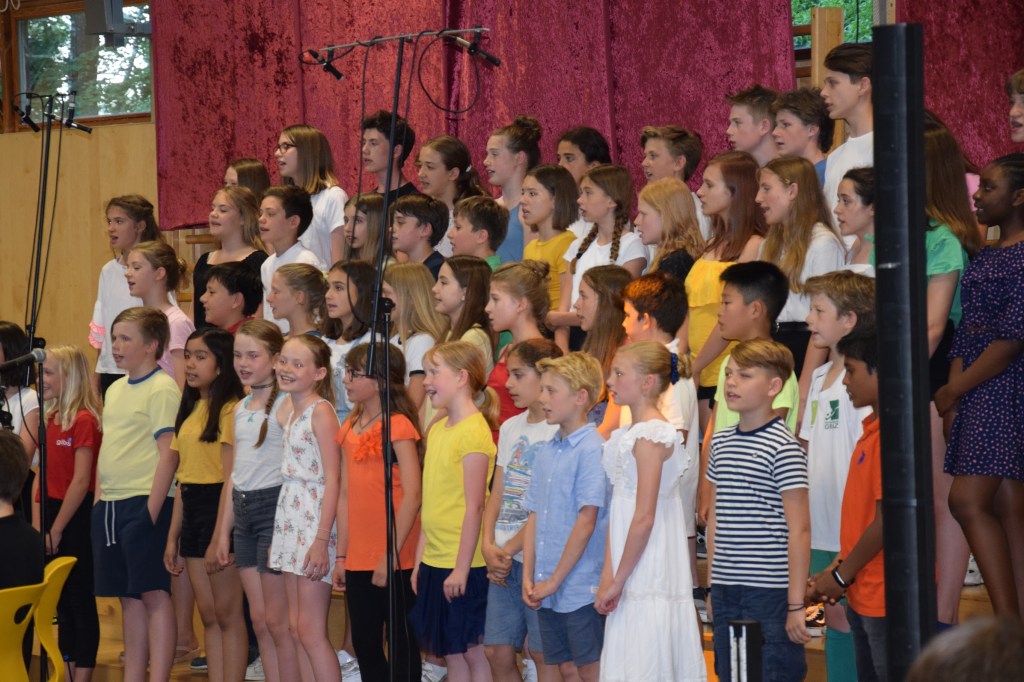
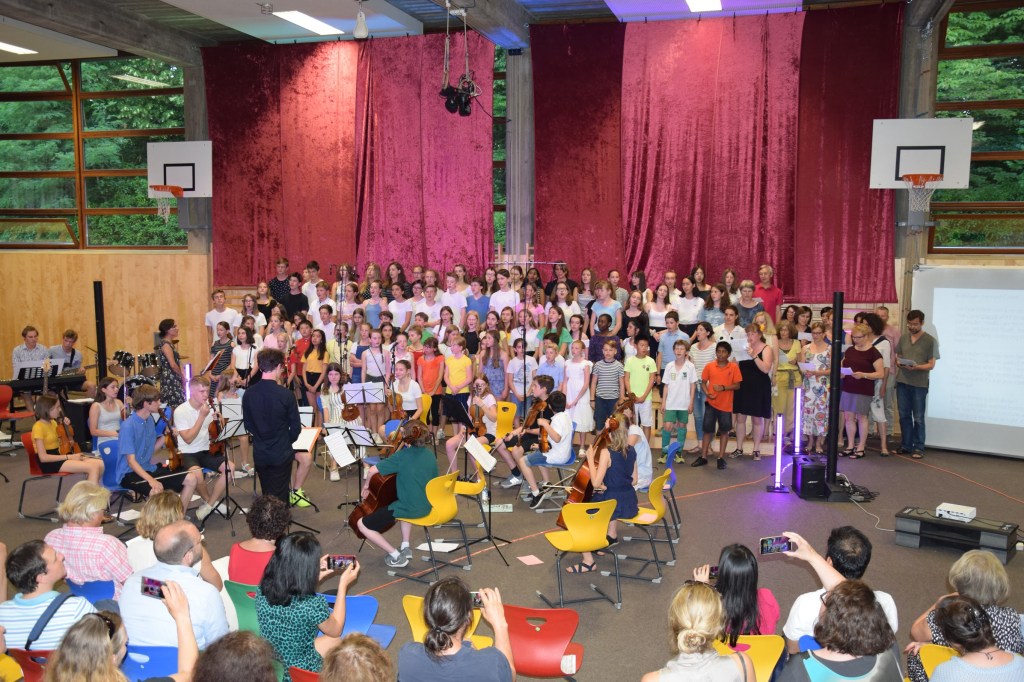
For the June concert the kids and staff choir presented “Jazz” music! The staff, senior, and junior choirs sang and the strings with a small saxophone and trumpet section played to accompany the choirs. Liam was the Concert Master for the instrumental players. Seamus loved playing his cello too. However, the best part of the concert was having Faywen play her viola for the first time in public in an ensemble. She played the viola for “A Million Dreams.” She really enjoyed the experience of playing in an ensemble!  She then stood up and joined the junior choir to sing “Route 66”! Faywen really loves this song, especially the recording made by Nat King Cole who is one of her favorite singers! The concert ended by inviting audience members to join all three choirs in singing “Halleujah” by Leonard Cohen. It was a wonderful concert and I’m so happy the kids got to be a part of a music group while at GIBS!

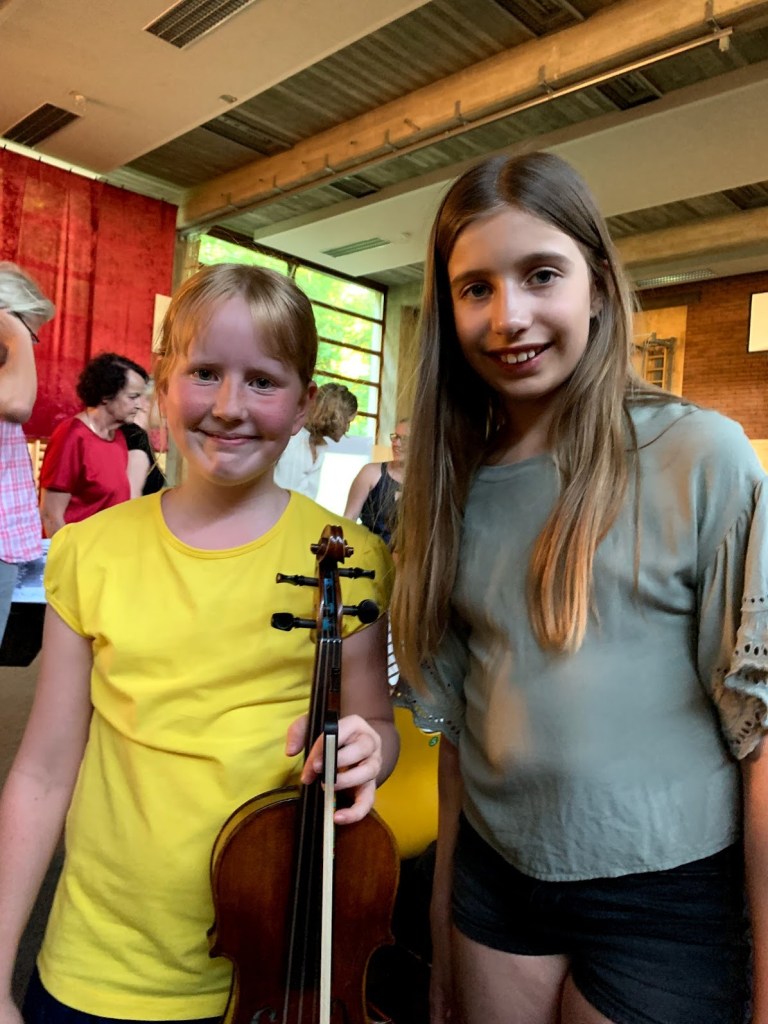
Faywen was the first violist ever to play in the GIBS volunteer orchestra!
GIBS Junior Choir
Singing Cohen’s “Hallelujah”

Slovenian Row, Row, Row Your Boat

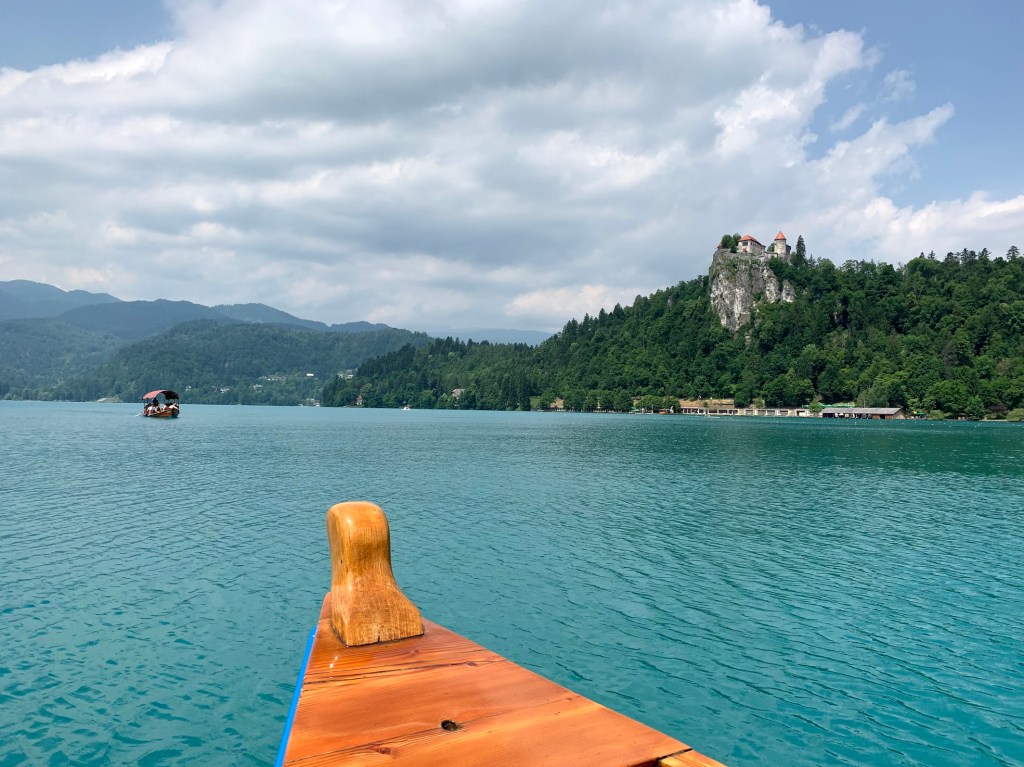
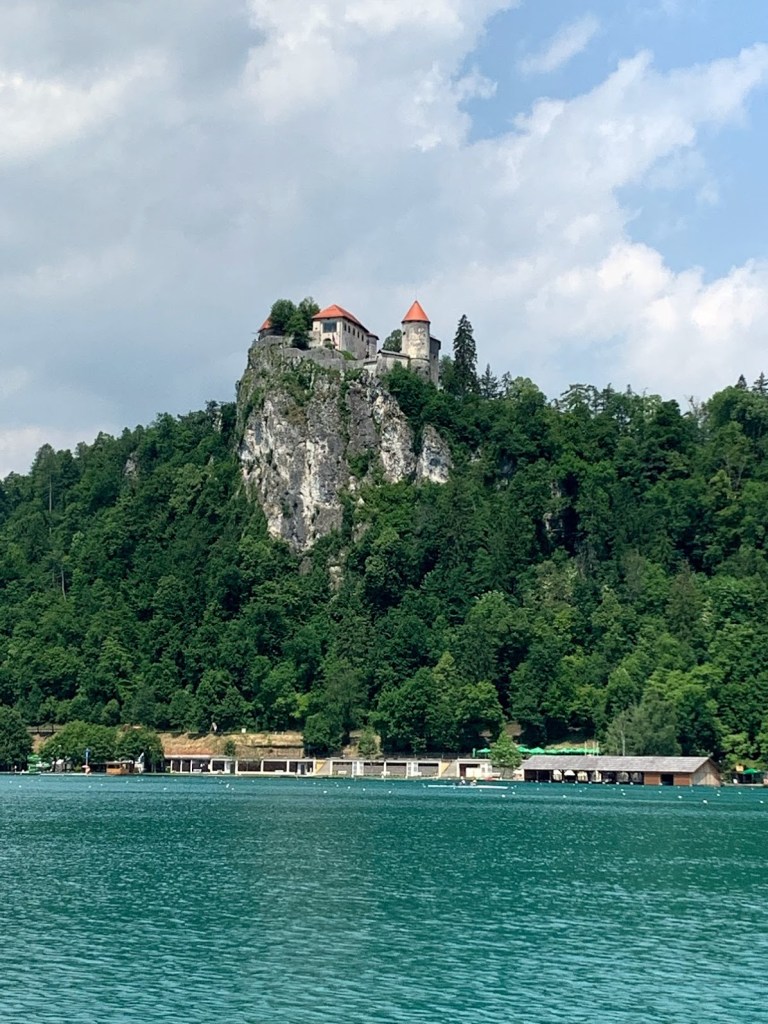
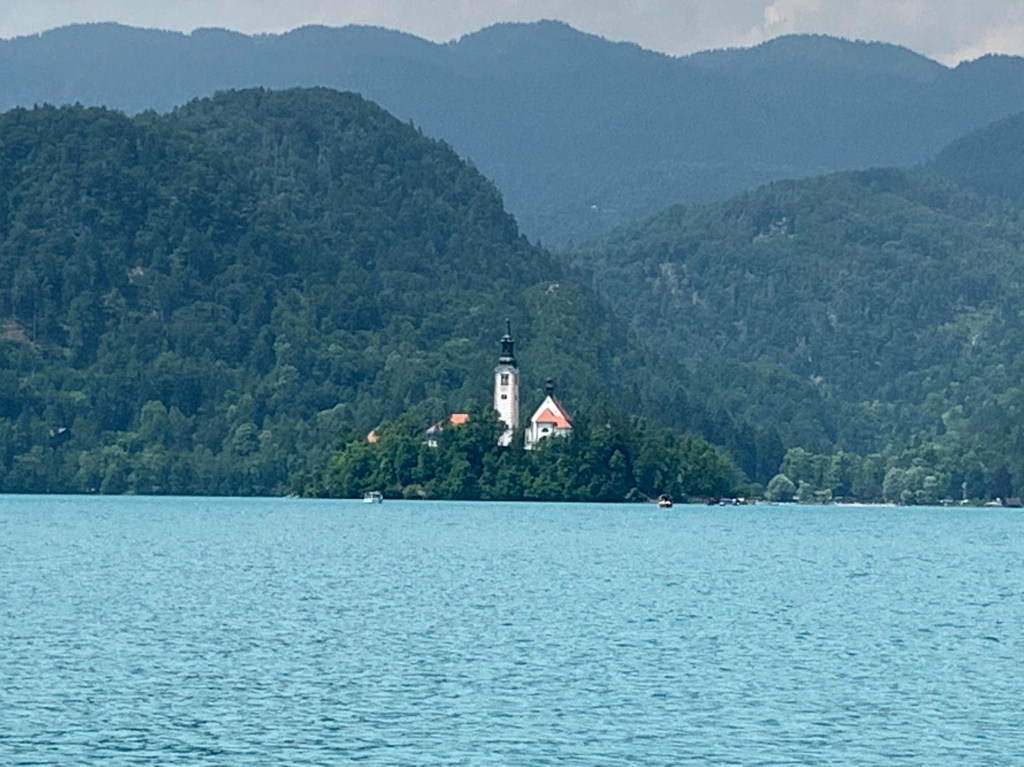
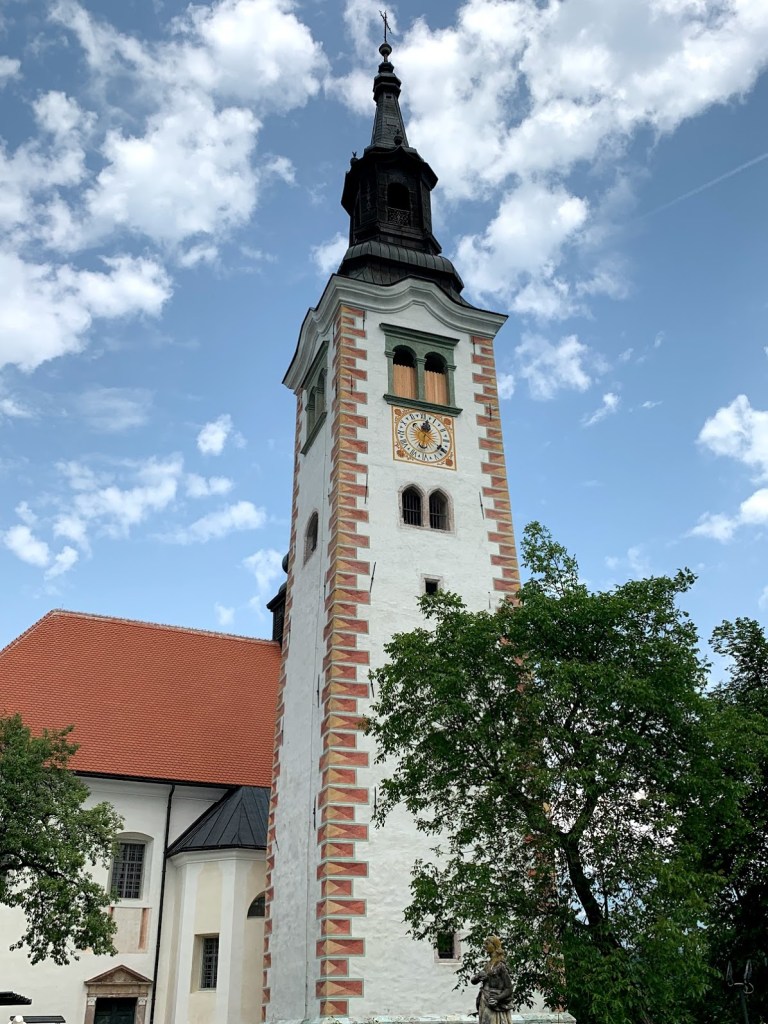
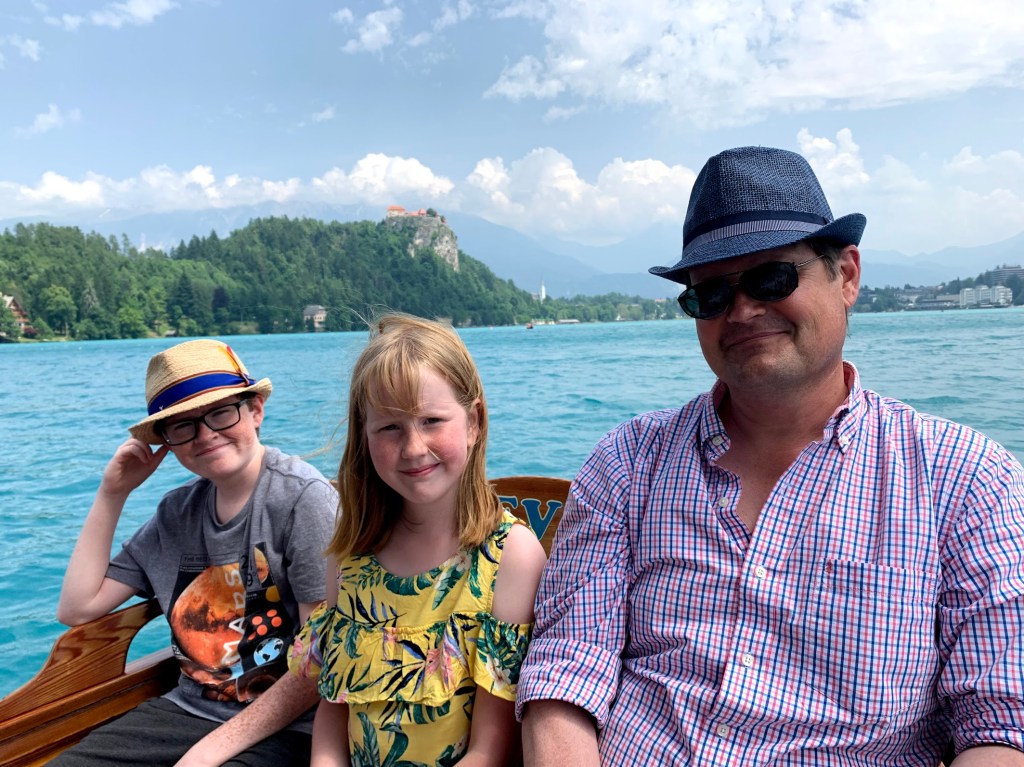
We packed up and headed north to Lake Bled. This beautiful blue lake is just NW of the capital, Lubljana. Lake Bled is idyllically set amongst the rolling mountains with a lovely castle perched high on the ridge, and a little island containing an old monastery. The steeple and bell tower of the Mother of God Church can be seen and heard from the mainland.  
View from the bow of the Pletna
Castle Bled
Lake Bled Island

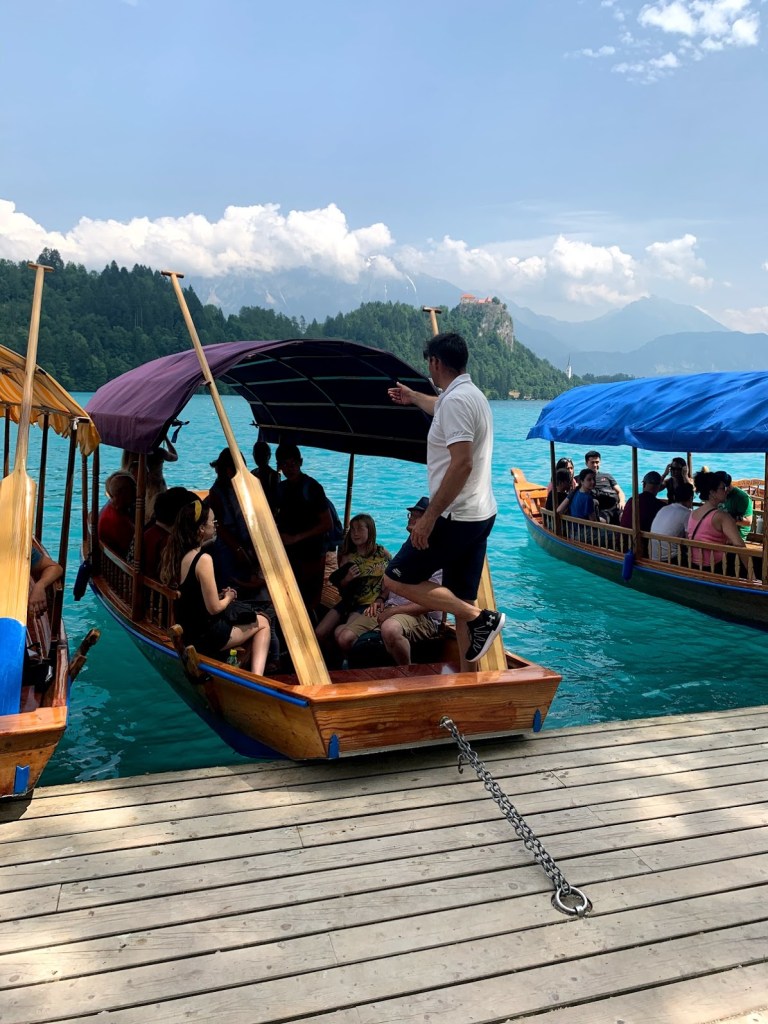
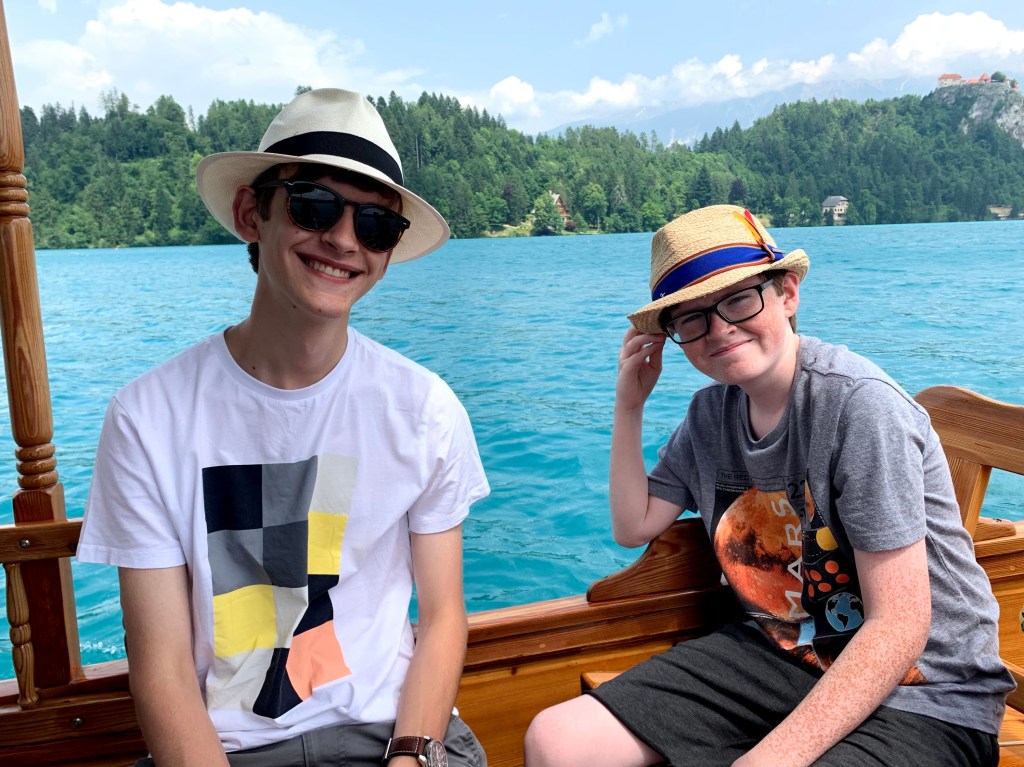
In order to reach the charming little island we had to take a Pletna, traditional Slovenian flat-bottomed boat. Faywen was a bit scared of taking the Pletna boat, but the oarsman and Dad were able to coerce her aboard with a life jacket. After 5 minutes she was fine and didn’t even wear a life jacket on the return trip! She was confident in her swimming ability and the stability of the Pletna!

Our Pletna and oarsman

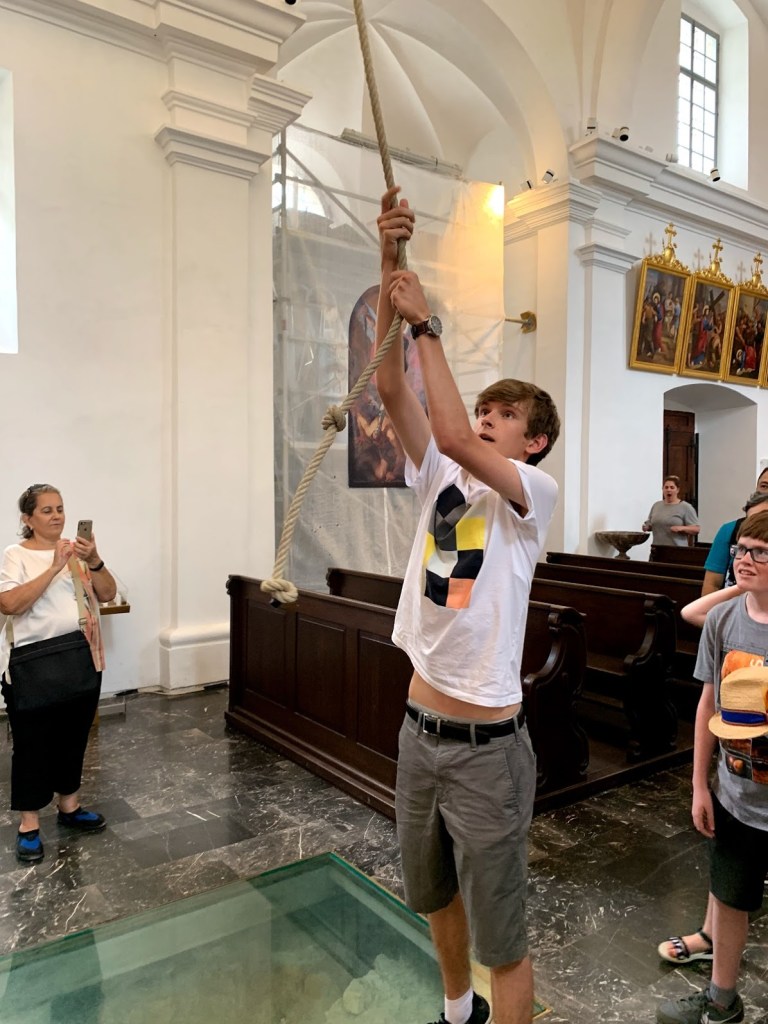
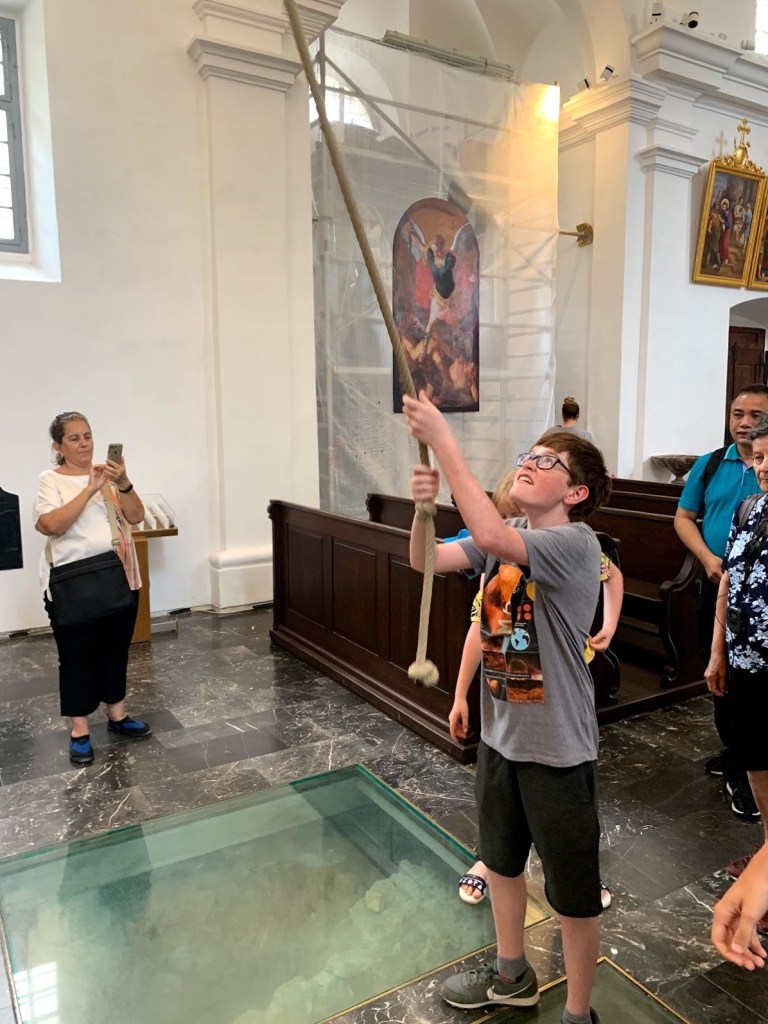
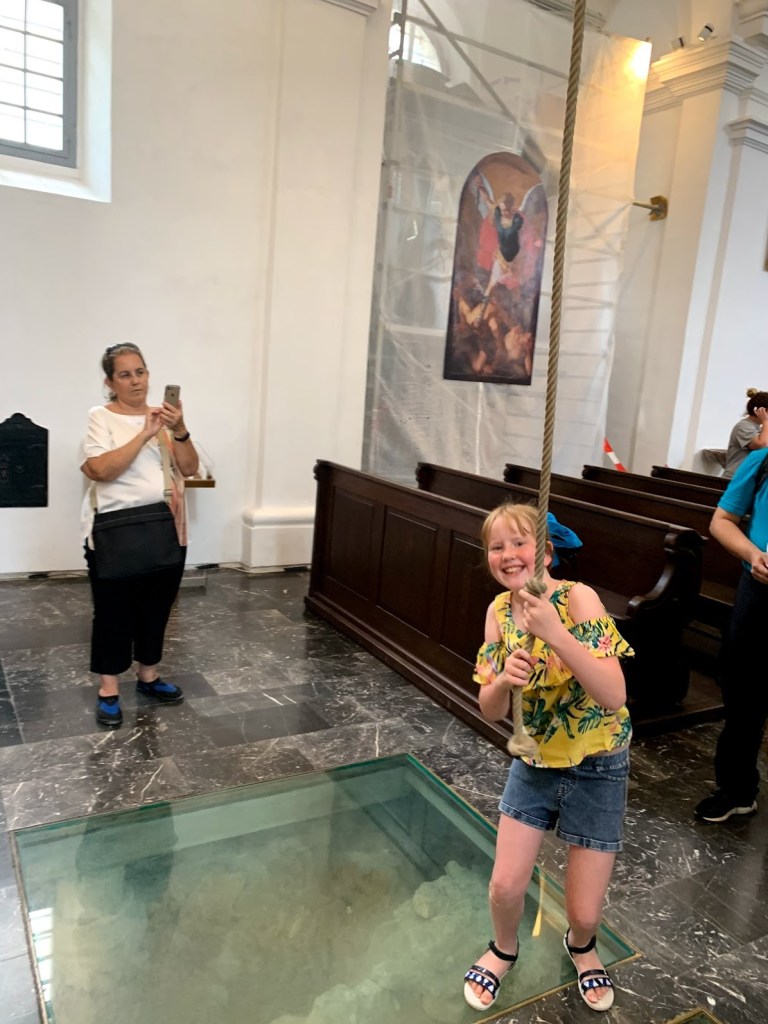
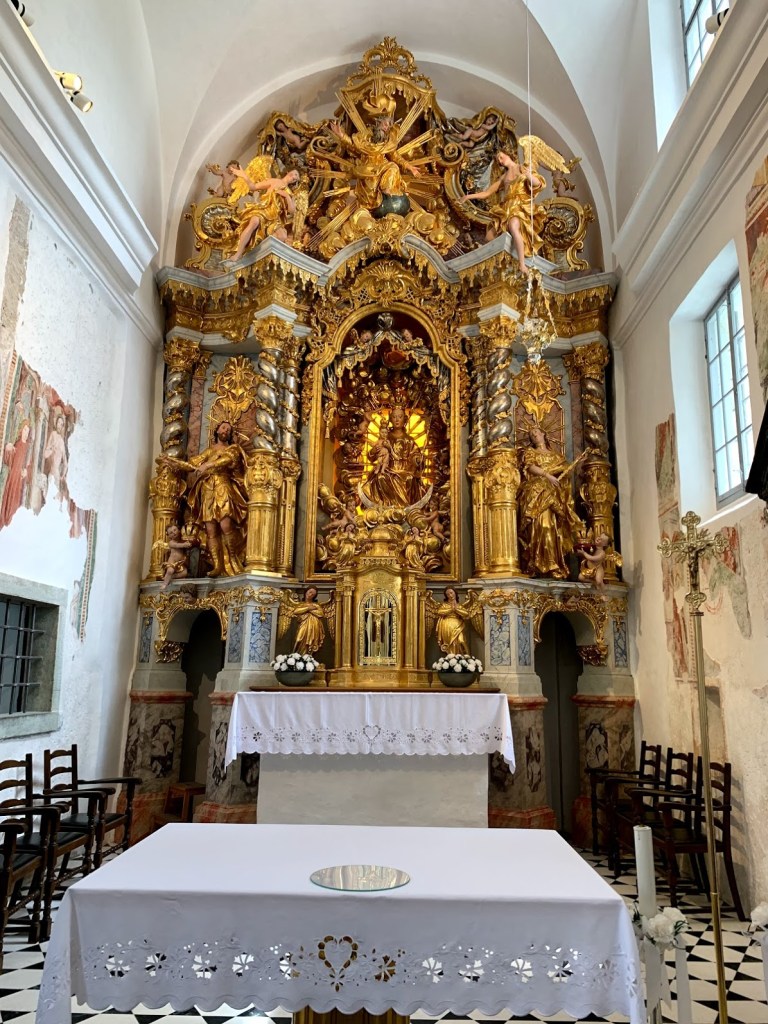
Once on the island we entered the Mother of God Church and each took a turn ringing the bell. It is considered good luck and a blessing to ring the bell. The rope dangles in the centre isle just in front of the altar steps.

High Altar
Mother of God Church and Bell Tower

The bell tower next door was fun to climb and the windows at the top gave us great views of the lake. For the rest of our time on the island, we walked the small parish grounds and enjoyed the brilliant blue waters of the lake and shoreline vistas. However we could feel the humidity rising and see clouds building off in the distance~

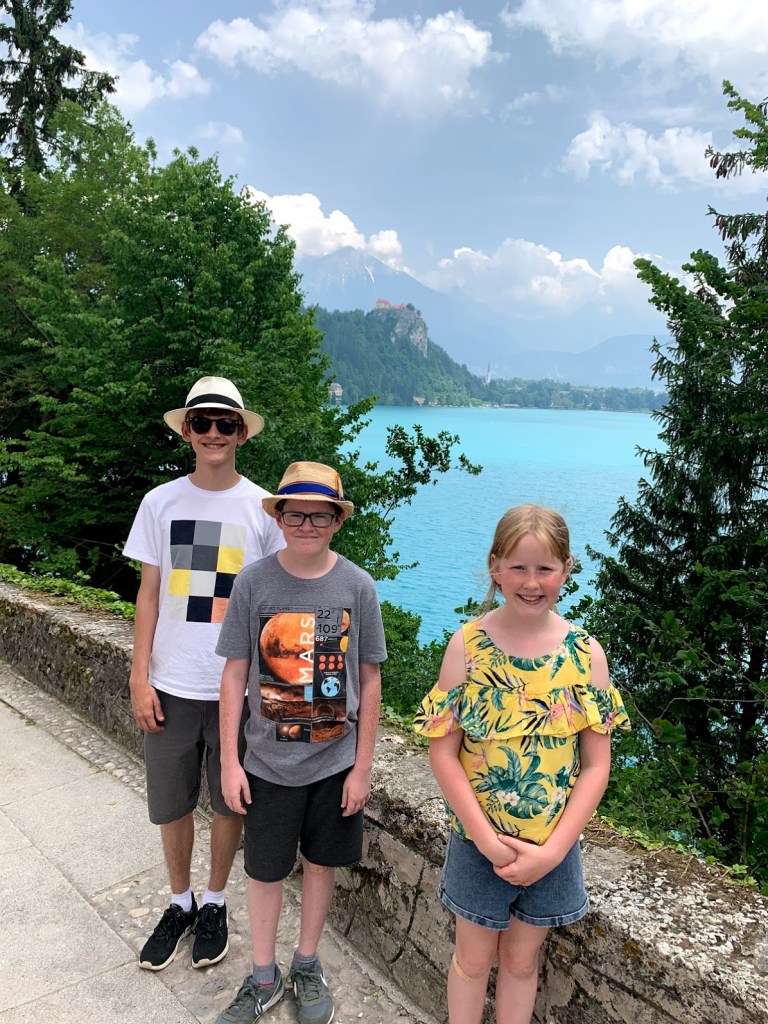
View from the backside of the island
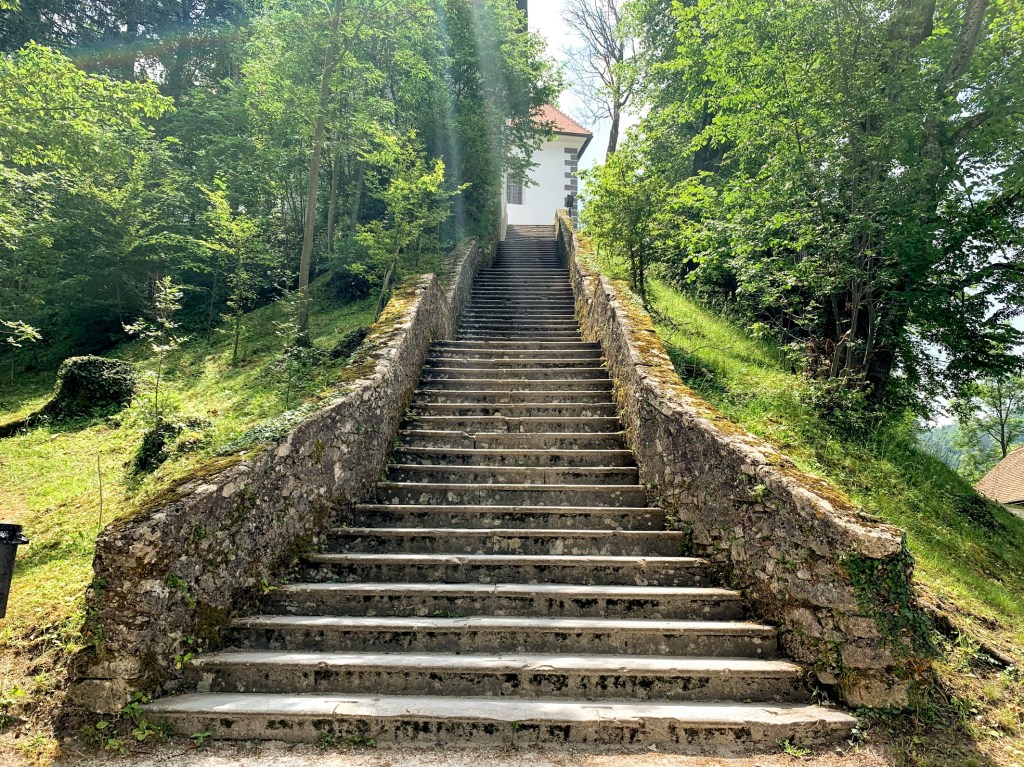
Stairway from the boat launch to the Mother of God Church

Once back on the mainland shore we said farewell to Ms. Pat and Mr. Keith a lovely older couple from England we had befriended on the boat ride. Lake Bled is known for a specialty pastry made only in that region. After lunch we each tired a slice of the famous Lake Bled Cream Cake!

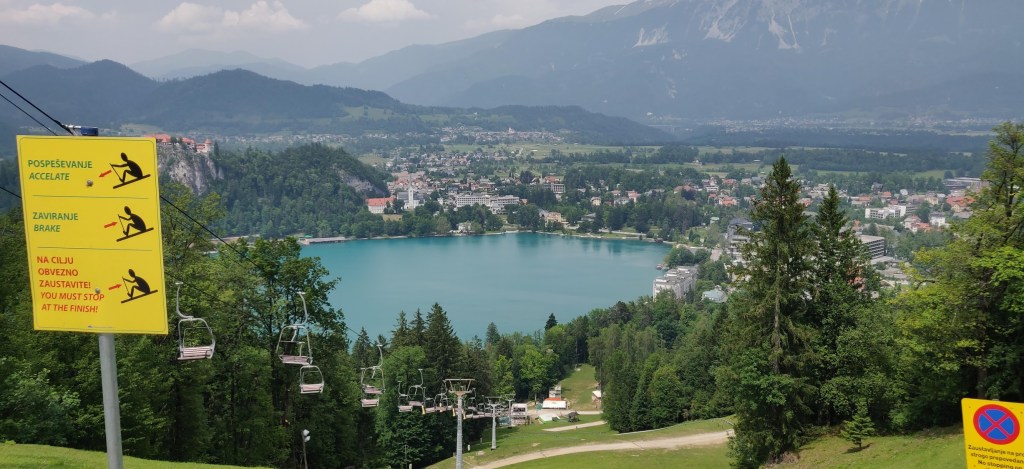
Faywen and I did a little shopping while Robert and the boys headed over to a giant “theme park” like hill slide. They all had 1 turns going up the ski lift and coming down the toboggan like slide! We all made it back to the car just as the skies opened and the thunder rumbled. Since we had the car stopped at IKEA in Graz for dinner

View of Lake Bled from the top of the toboggan hill

Slovenia is a beautiful friendly country than often tourists overlook. We thoroughly enjoyed our four day weekend in this charming former Soviet country many folks might remember as Yugoslavia.

Castle in a Cave

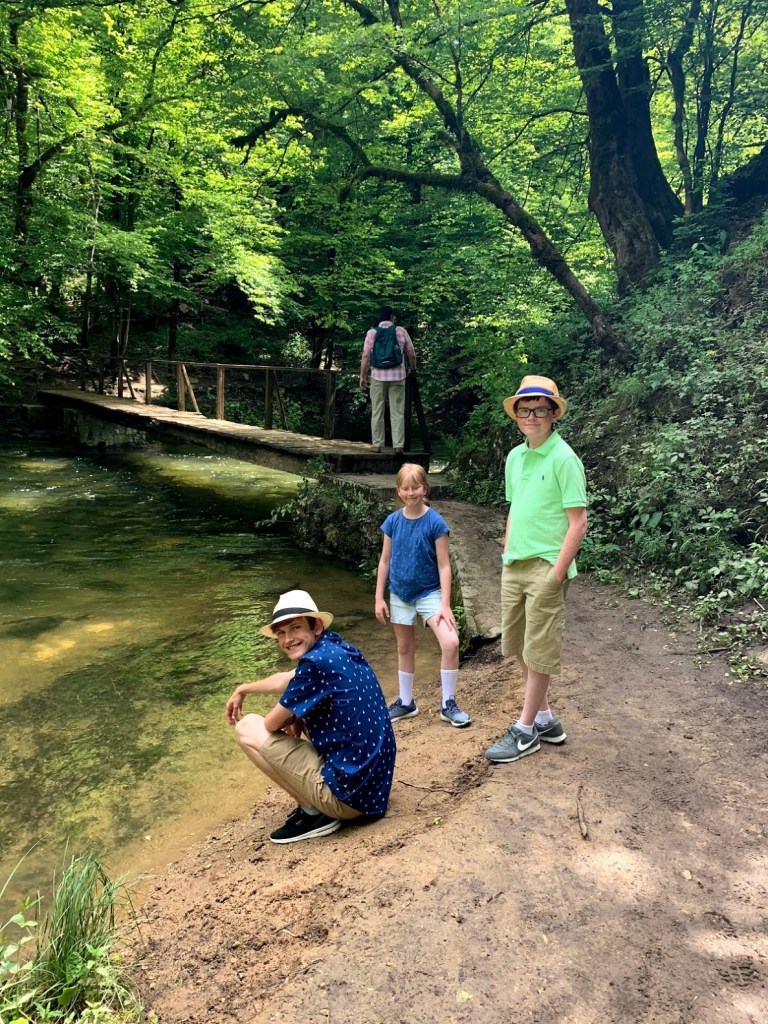
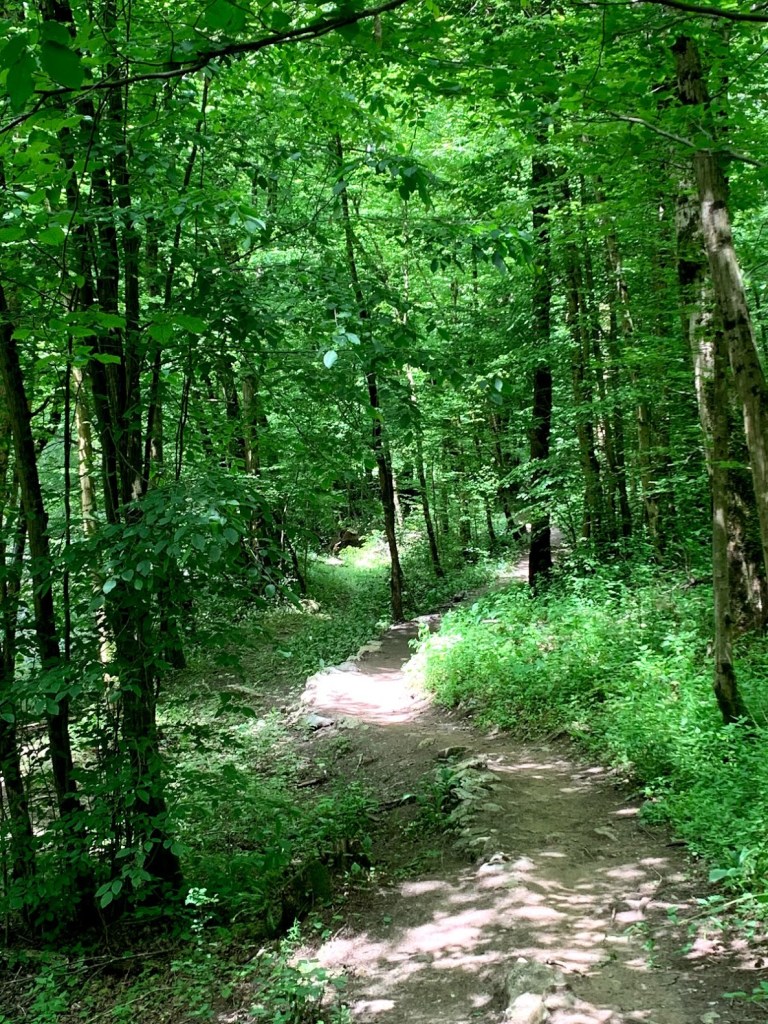
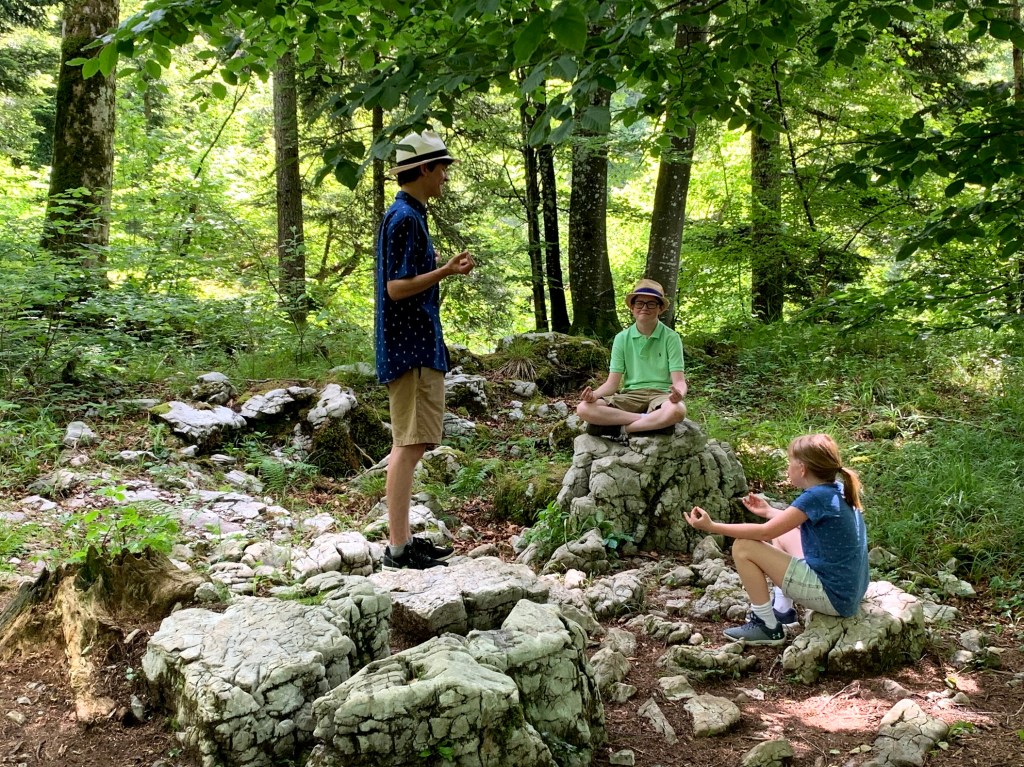
The Lord blessed us with another beautiful day in Slovenia! Today we stayed nearby our home village of Postojna. Our first stop was a local hiking area that is full of various Natural Bridges. These natural wonders were caused when caves collapsed centuries ago. Liam and Seamus forged ahead a bit and discovered that the path to the smaller Natural Bridge became very rocky and slippery. He took a few photos of the small Natural Bridge and we decided to hike along the forest river instead. The forest was alive with the sounds of early Summer.
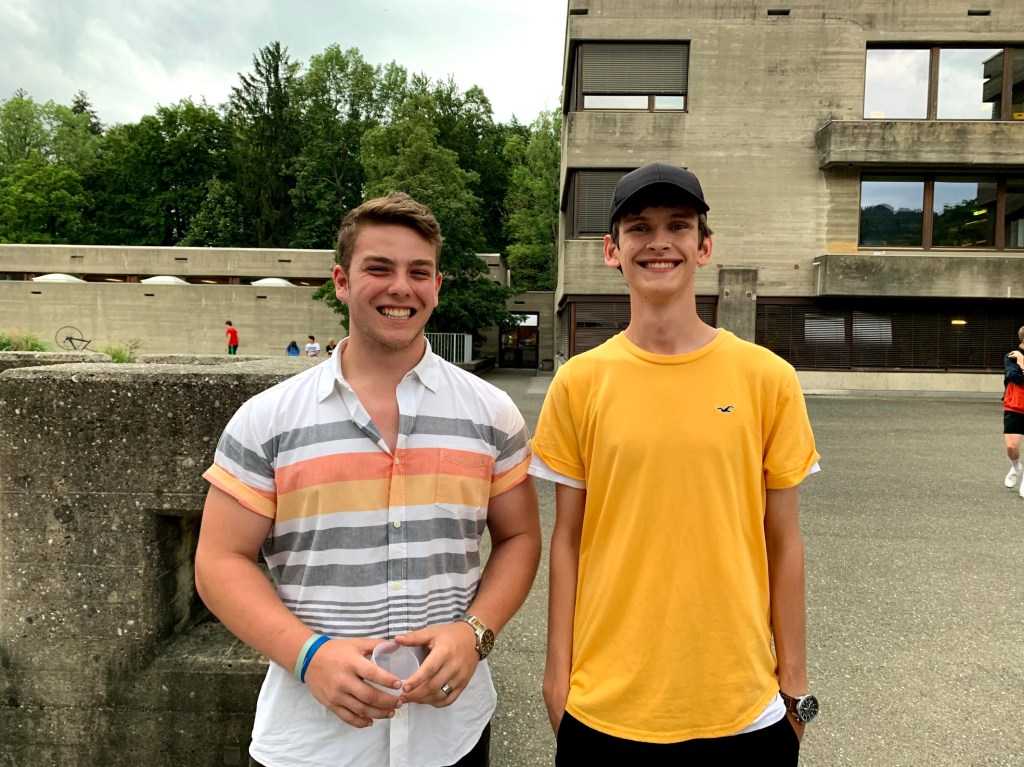
Hiking in the Rakov Skocjan Natural Bridge Park

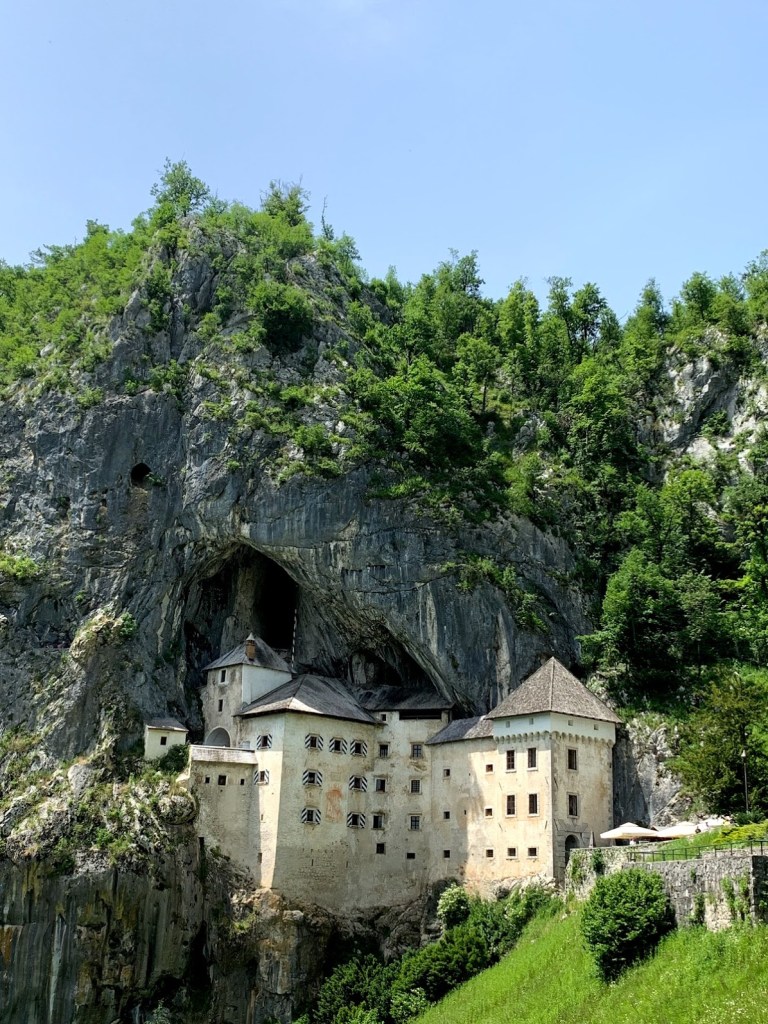
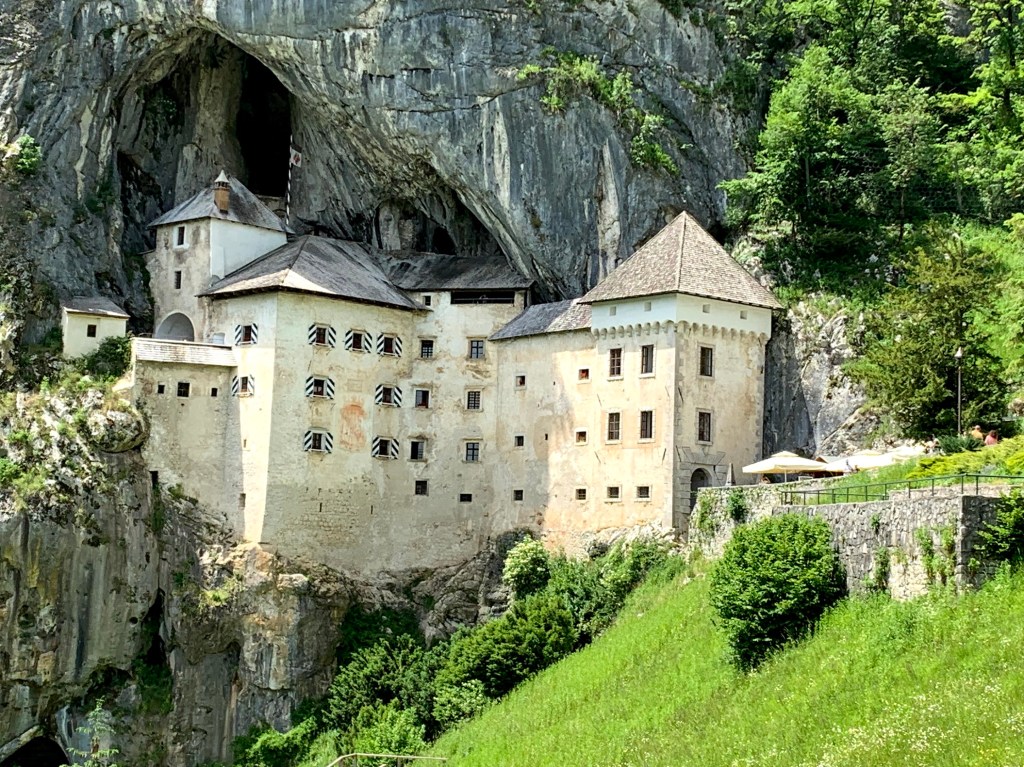
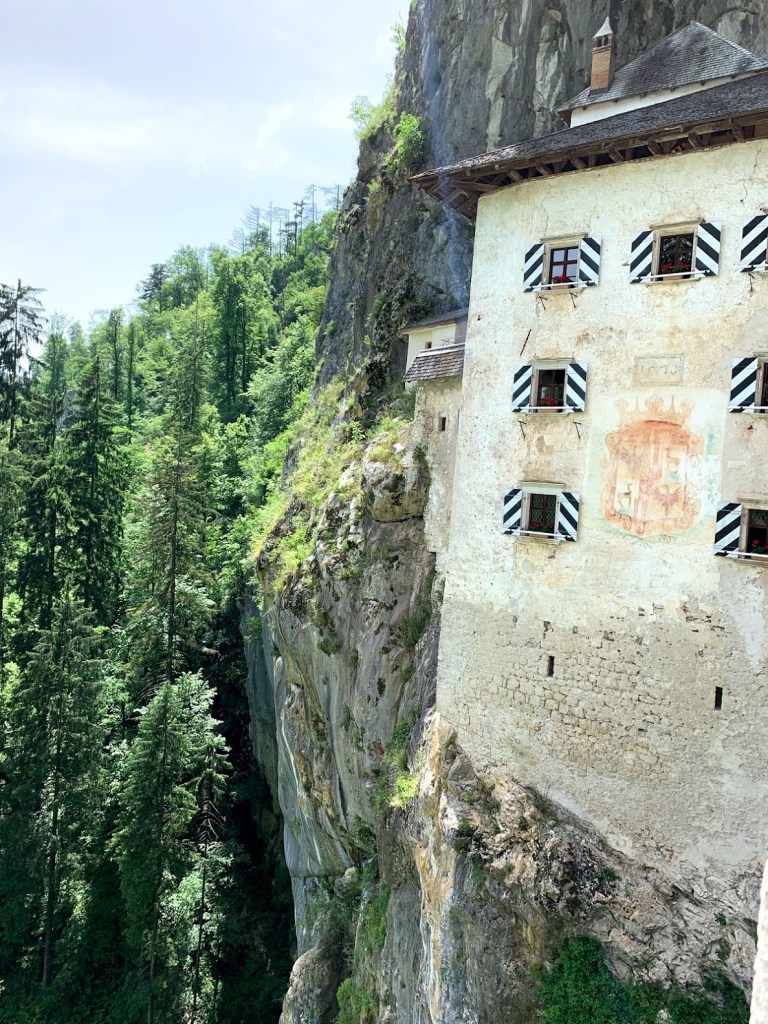
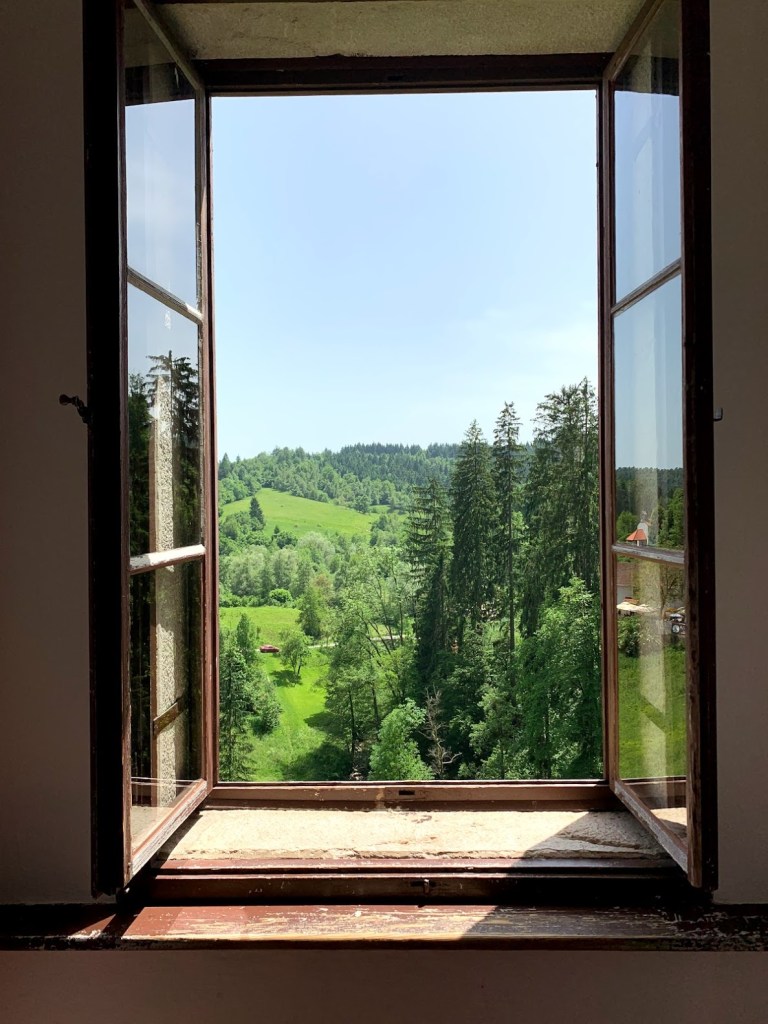
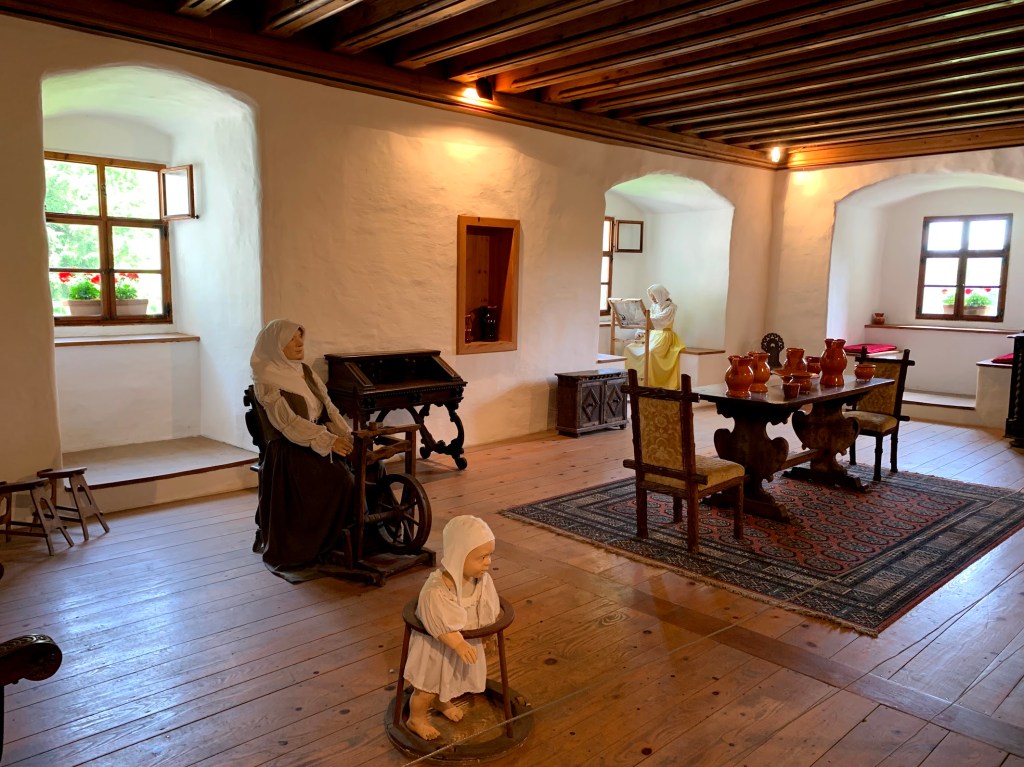
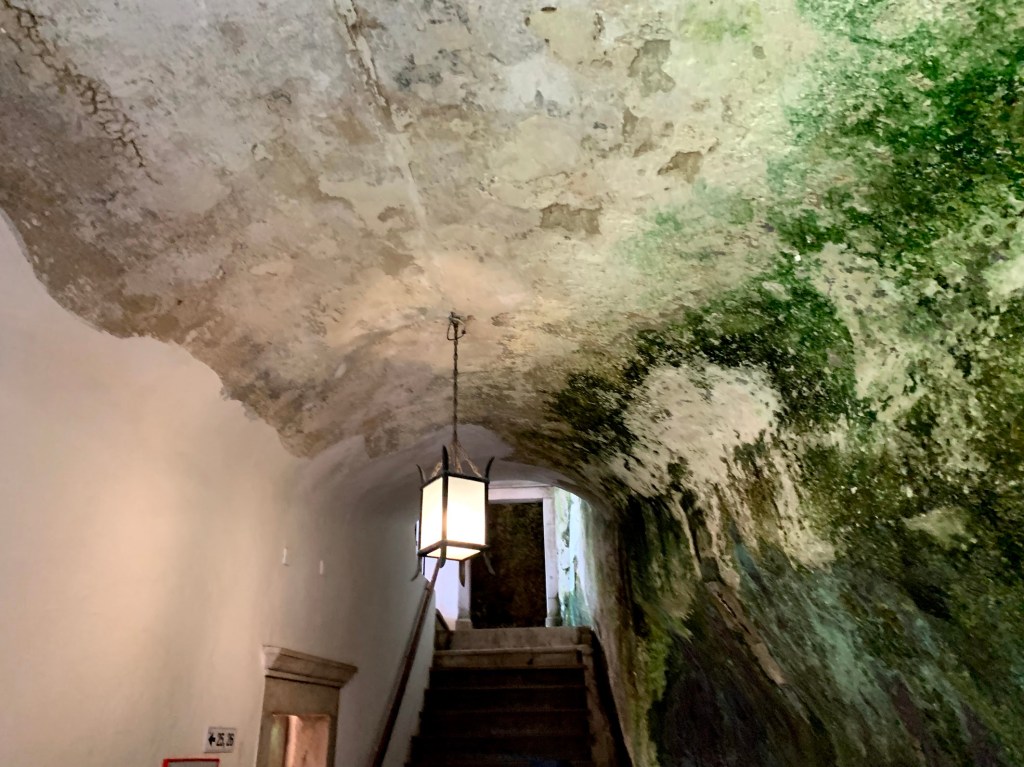
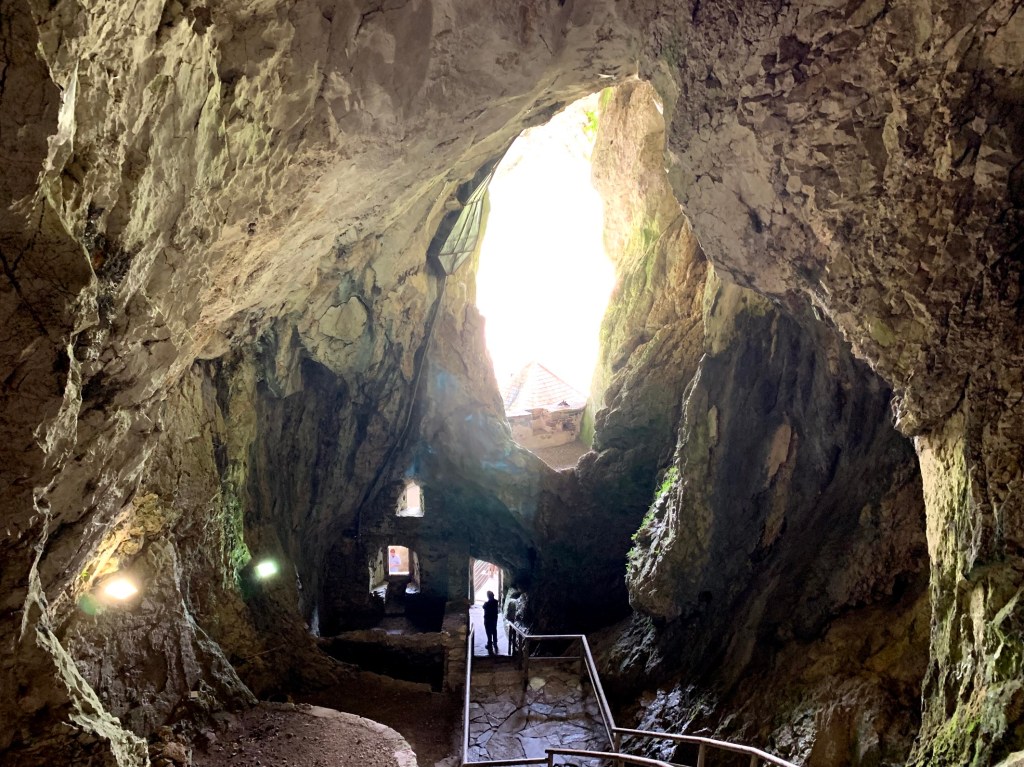
For lunch we ate kebabs at the Donner King across from our apartment and then drove 20km to Predjama Castle. Built between the 13th-17th centuries Predjama Castle was an impregnable fortress. Even though the castle was often sieged the inhabitants survived due to a natural network of caves. The entire castle was built into an arched cave with an overhanging cliff face. From the top floors one could see enemies approaching down the valley!

Predjama Castle, Slovenia
10 June 2019
Predjama Castle hosts many Medieval and Renaissance Fairs
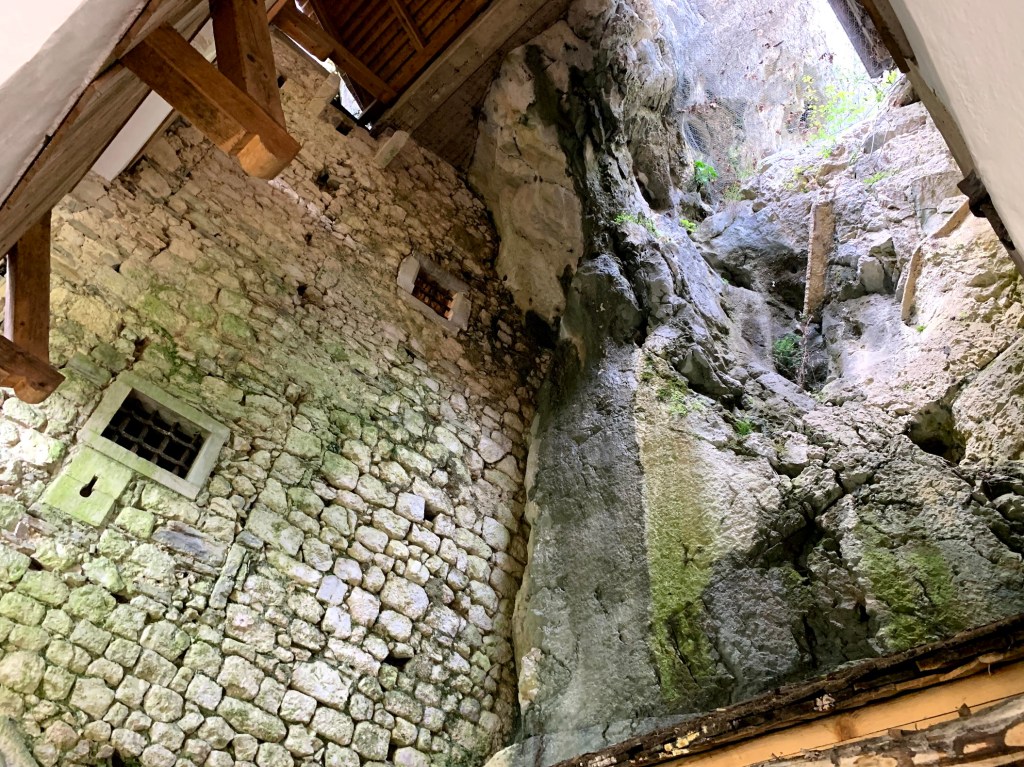
14th century castle wall built into the natural cave wall

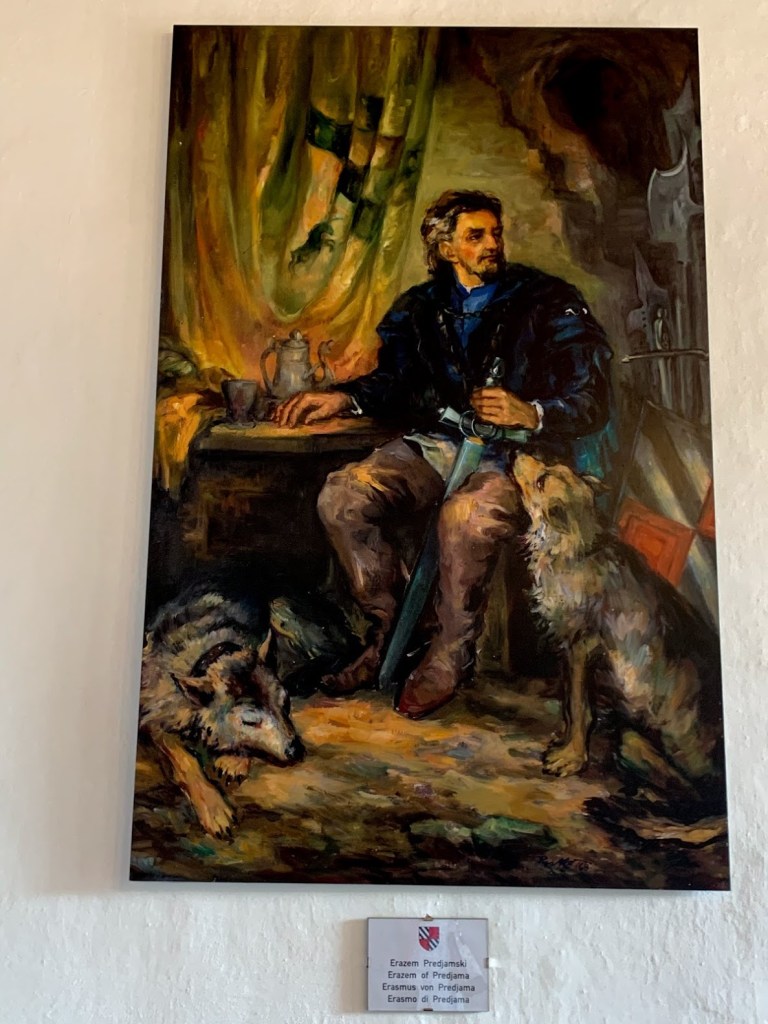
The secret cave system was put to the test in the 15th century, when the Imperial Army of the Hapsburgs held Sir Erazem, who was loyal to the Hungarian King, under siege for over a year. The locals considered Sir Erazem their Robin Hood because he robbed the rich Hapsburgs and gave to the local Hungarians and Slovenes. He was eventually killed when a bribed servant betrayed him and gave a signal for a canon shot to hit the weakest part of the castle. It was Erazmas’ toilet!

19th century painting depicting Sir Erazem of Predjama
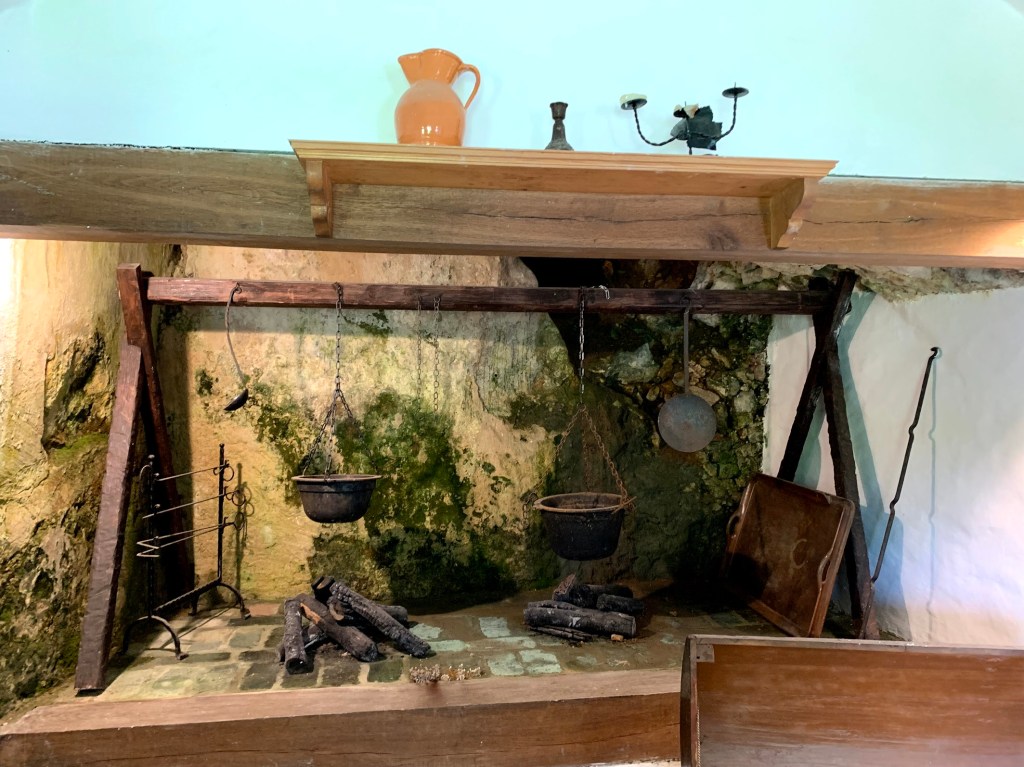
Kitchen fireplace:
The back wall is the cave.

Predjama Castle was the most unusual castle fortress I’ve ever seen. The unique architecture utilizing secret cave tunnels, chimneys built of natural cliff faces, and a never-ending network of water channels to gather the natural cave water that’s clean and constantly dripping was clever and ingenious.

13th century dwelling:
The oldest part of the castle is the original cave that had three levels carved out of it. This photo is from the third level. Behind me was the cistern to store the cave water and the entrance to the secret tunnels.
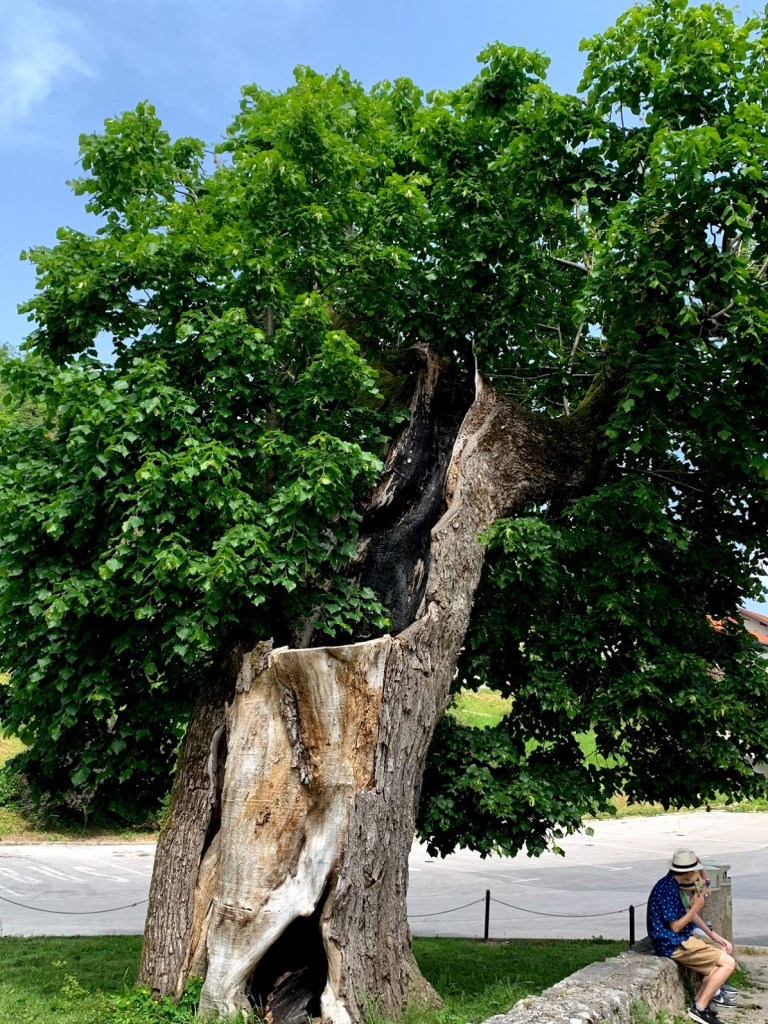
Sir Erazem was murdered by cannon shot while in his toilet. His wife feared grave robbers so she had him secretly buried under this tree that stands next to the village church.

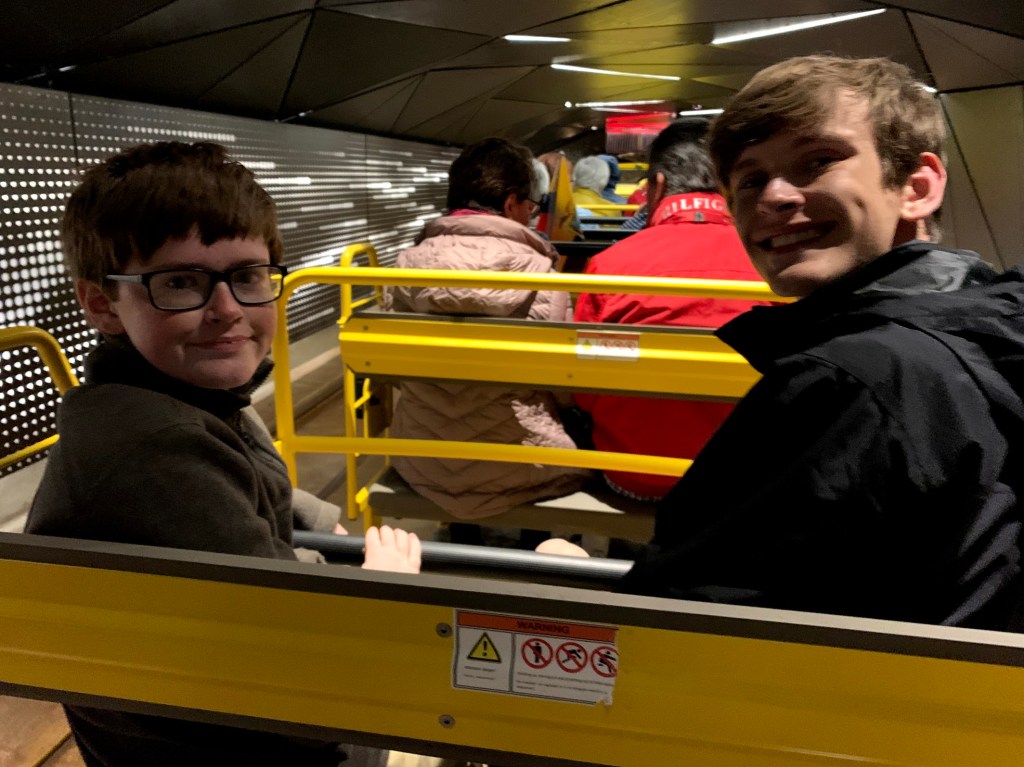
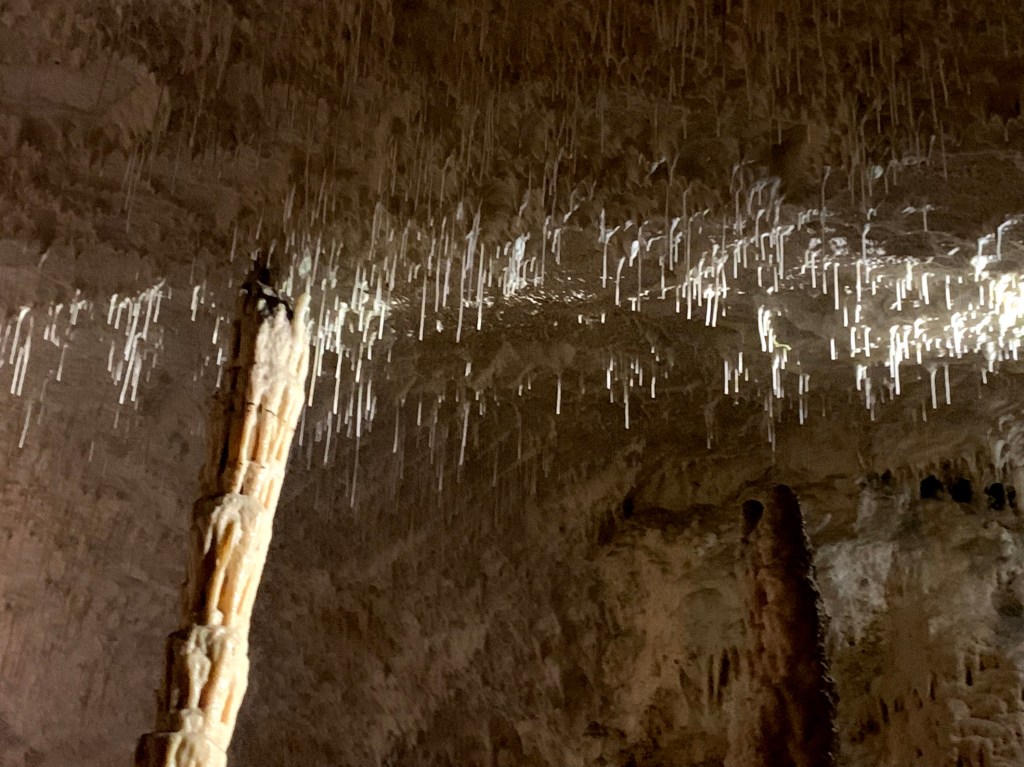
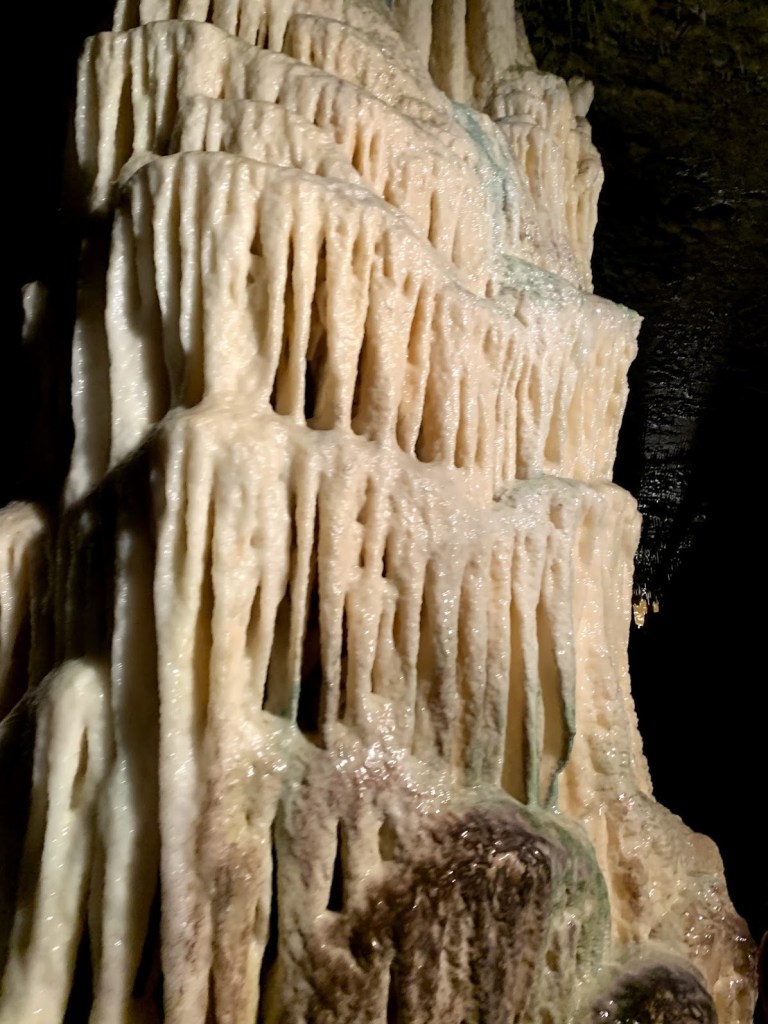
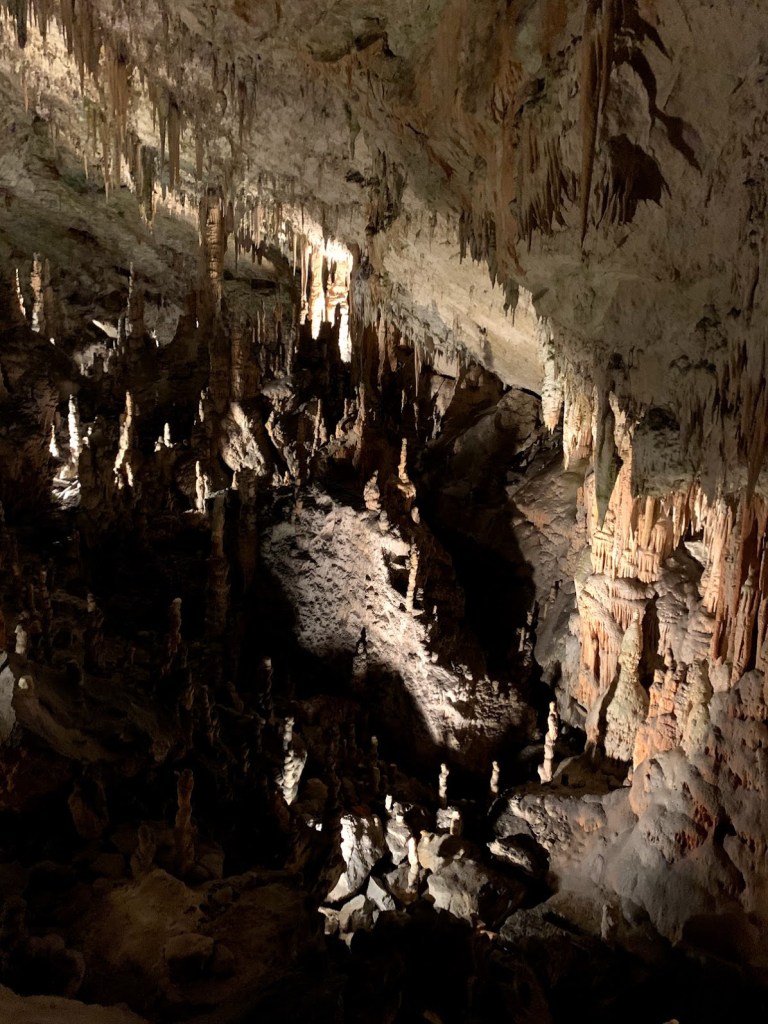
It was refreshing being in the castle, but our next stop was a nicer break from the afternoon heat. We had a 1.5 hour tour inside Postojna Cave. It is the longest cave network in Europe and the second largest in the world, behind Mammoth Cave in Kentucky. The first and last third of the cave visit was by rail train. The little mining train weaved it’s way through narrow passages that would open up into grand caverns. The middle part of the tour required us to walk 1km on foot. Our guide was very good at explaining the various caverns we passed through. I liked the Spaghetti Ceiling Chamber and the White Calcium Caverns. The cave is currently home to 8 underground species including the endangered blind salamander. There was also a small hydroelectric dam inside the cave that harnessed the small cave river’s power. It generated enough natural energy to power the nearby hotel, restaurant, and Visitors Centre. Thoroughly cooled off we enjoyed coming above ground to the warm sunshine.
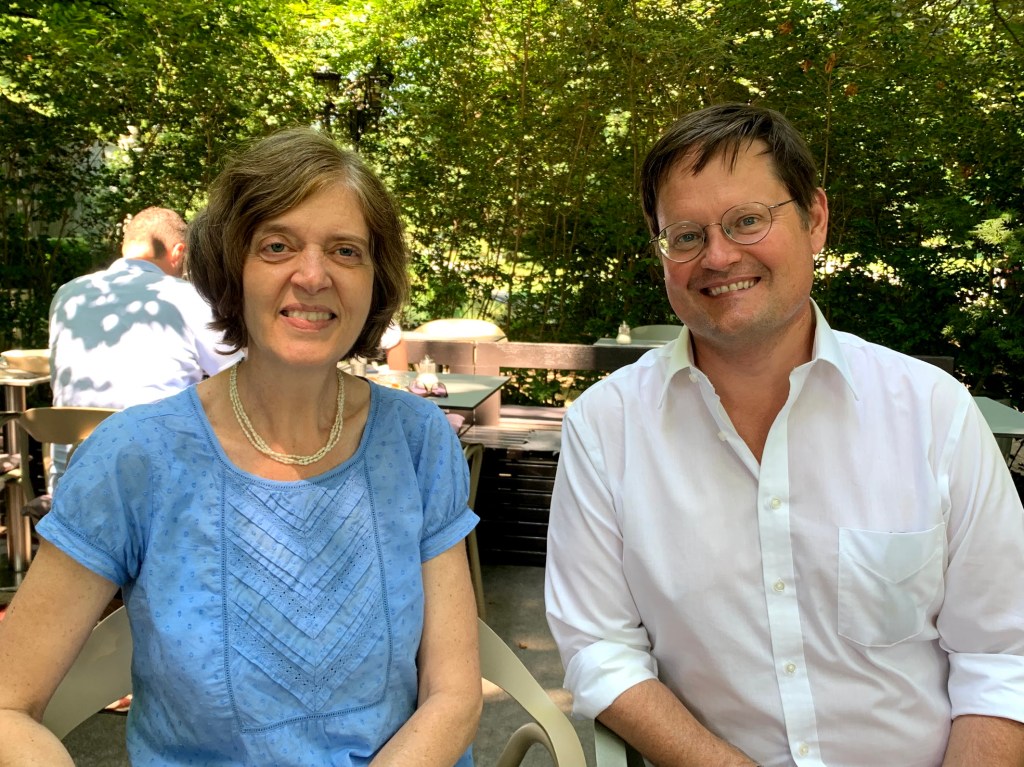
Sitting in the mining train at the cave entrance
Spaghetti Ceiling
Column inside the White Calcium Cavern
Can you see the Dragon?

For dinner the kids requested that Robert and I go “have a date” and they went to a really good Chinese place down the street from our apartment. Robert and I had a lovely meal out under a tree nestled amongst old Slovenian homes.

A Sunny Day By the Seashore

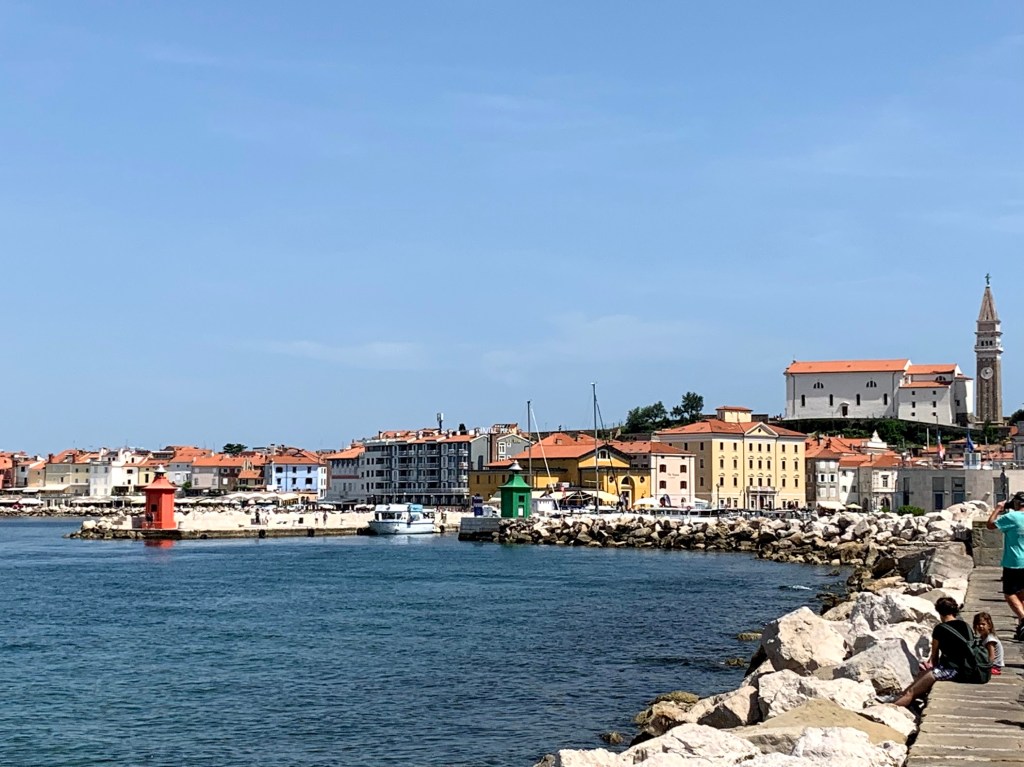
As we got ready this morning the church bells rang across the valley calling everyone to Mass. It was Whitsun or Pentecost Sunday and we chose to spend it along the Slovenian Riviera. Yes, Slovenia has a Riviera! It runs along the Adriatic Sea for about 30-40km and is absolutely breathtaking in beauty. It’s not a sandy coastline, but instead has rocky white and cream boulders accented by aqua waters.
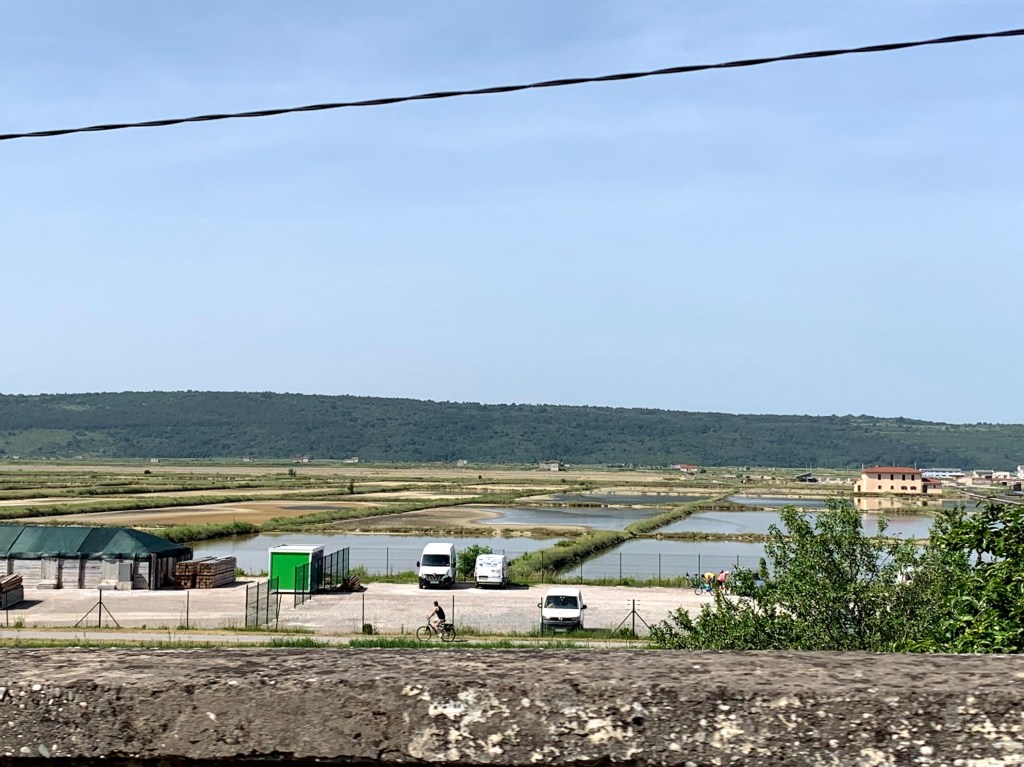
The Riviera was a little over one hour’s drive south from our Air BnB. The furthest southern point along the short coastline is home to beautiful vineyards, olive orchards, and Europe’s largest sea salt fields. After driving through the farmlands we drove to Portonoz and then to Piran, This seaside town sits on the top of a little peninsula that juts into the Adriatic Sea.

Salt Farms in southern Slovenia

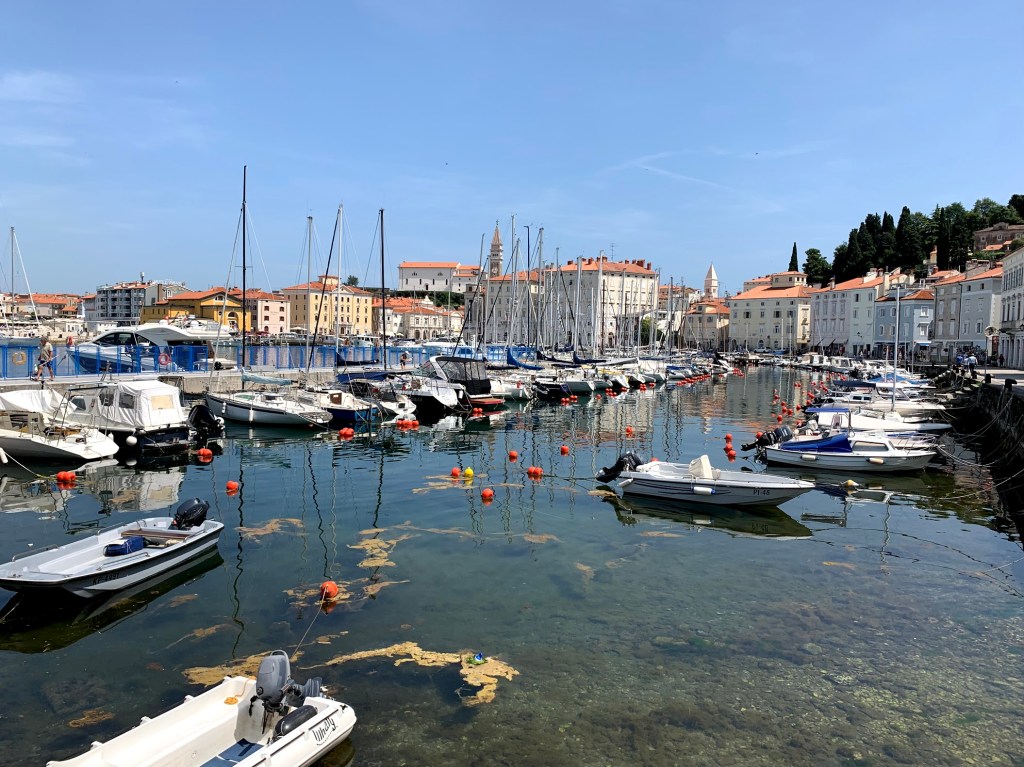
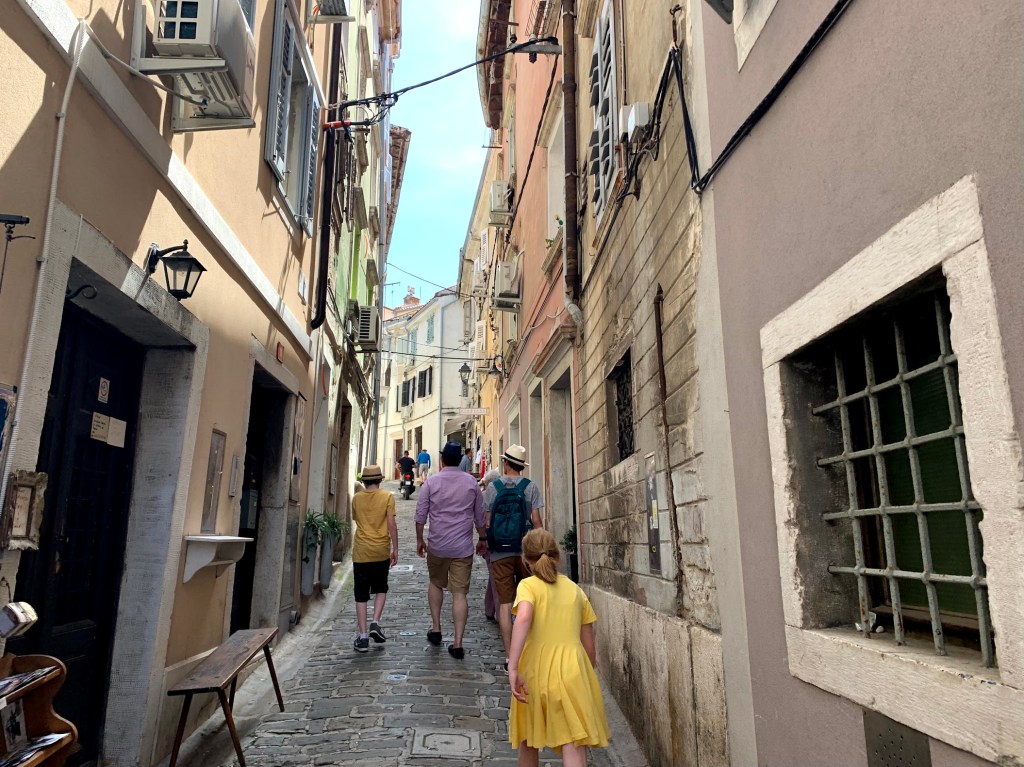
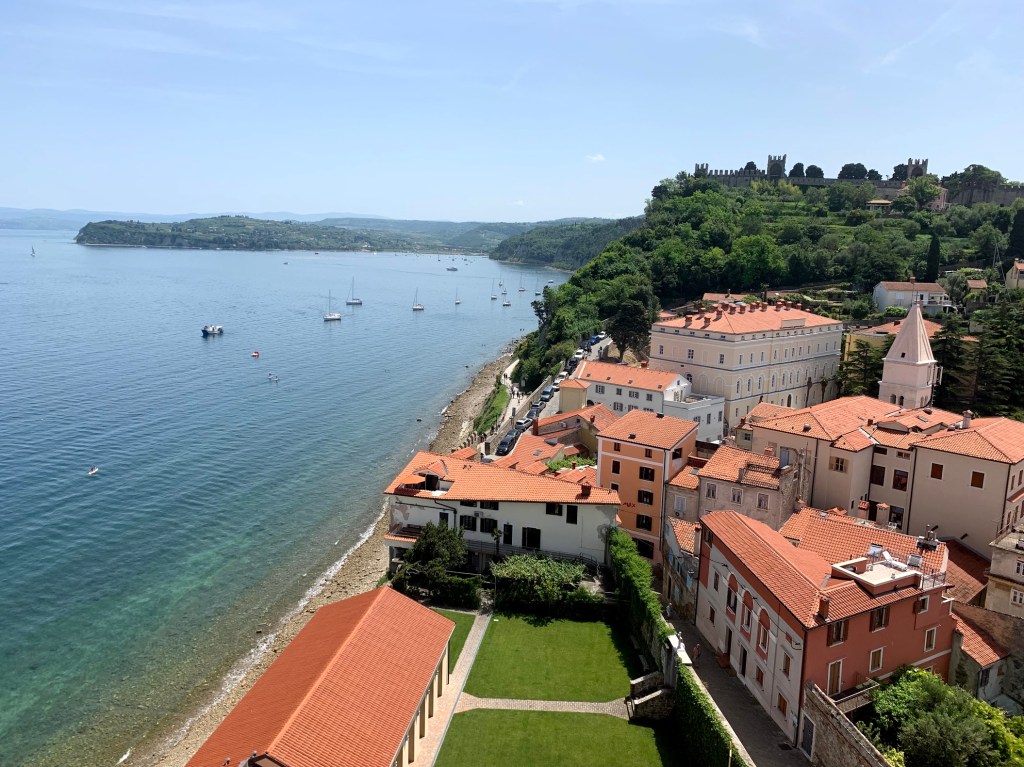
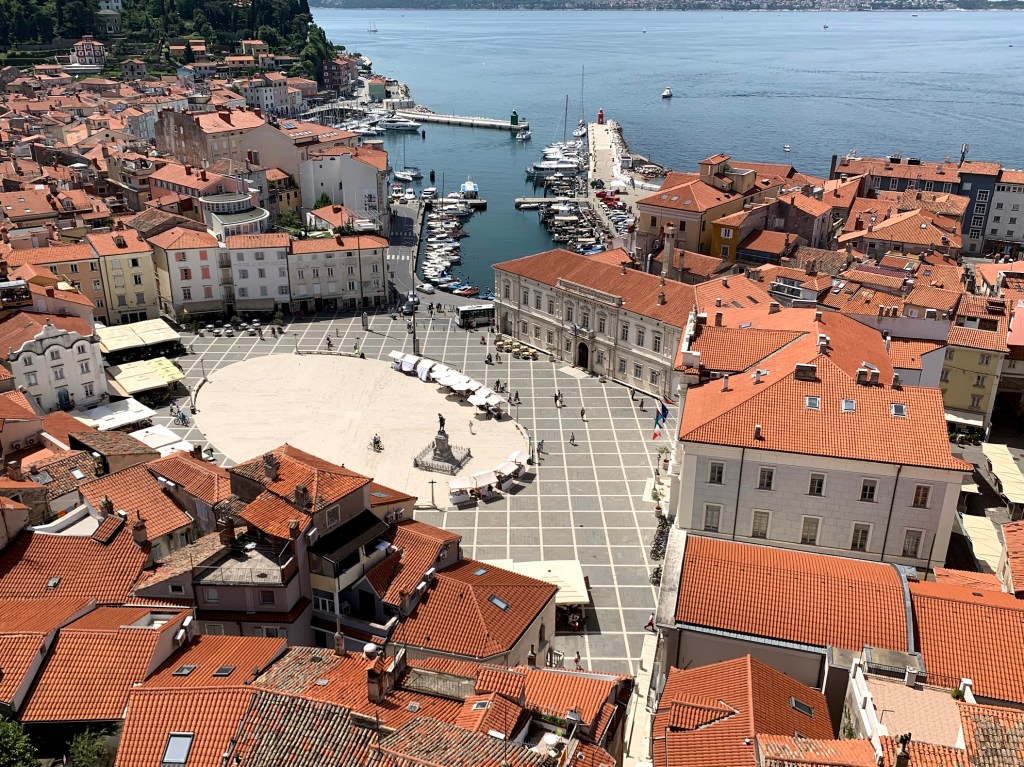
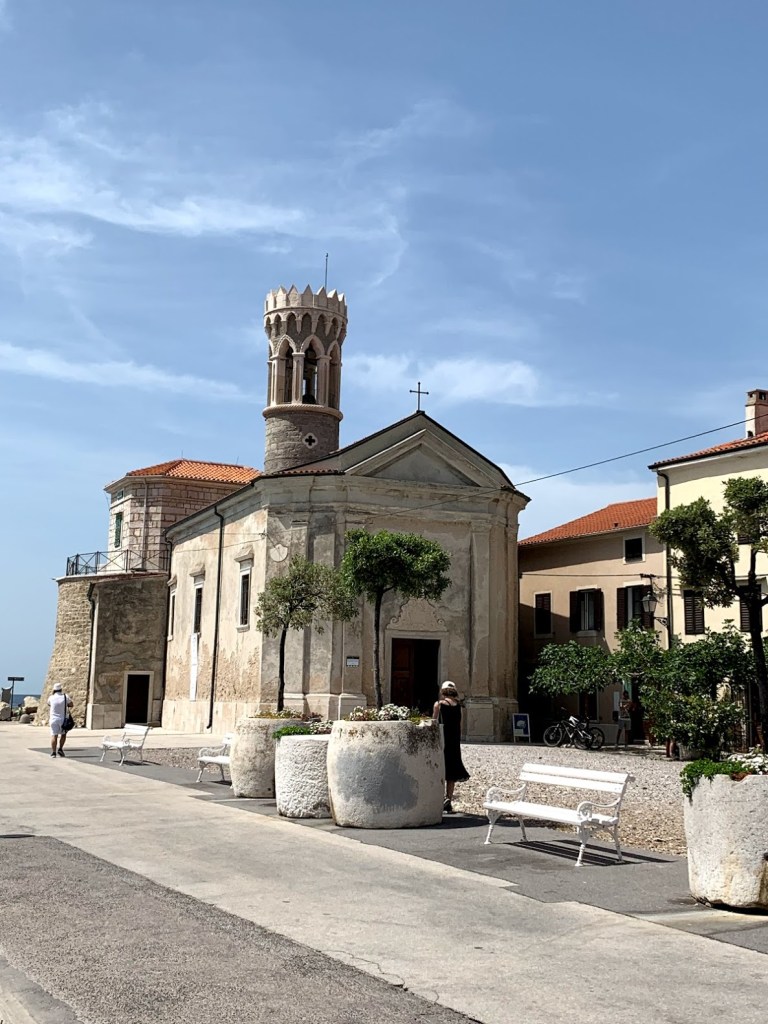
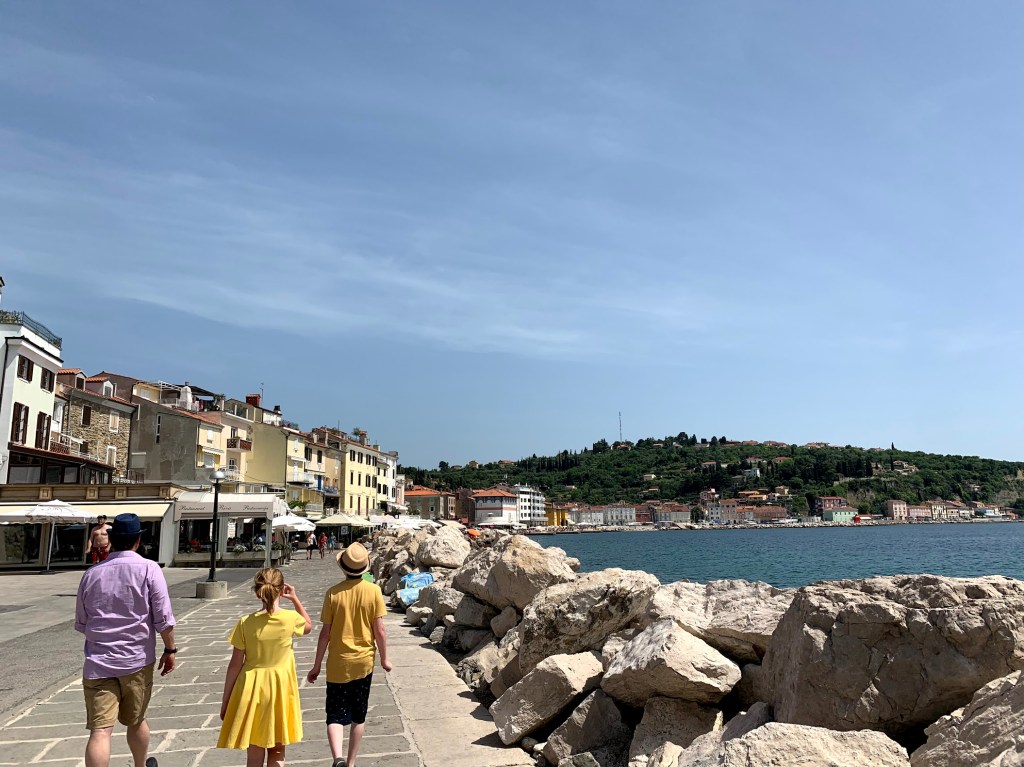
Piran was the ideal seaside town. The aqua colored waters lapped against the giant boulders along the coastline and gently rocked the boats in the marina, which was located off the main square. Passing through the square with it’s pastel buildings, we climbed uphill zigzagging through the narrow cobblestone streets until we reached the city walls, St. George’s Church, and the bell tower. We climbed an easy 140 steps to the top of the tower. From that height we beheld magnificent views of the sea, town, and peninsula! It wasn’t until we reached the top that we realized that it was almost noon! We braced ourselves as the four bells chimed the hour followed by a two-minute long musical ringing pattern.

Walking along the old cobblestone streets

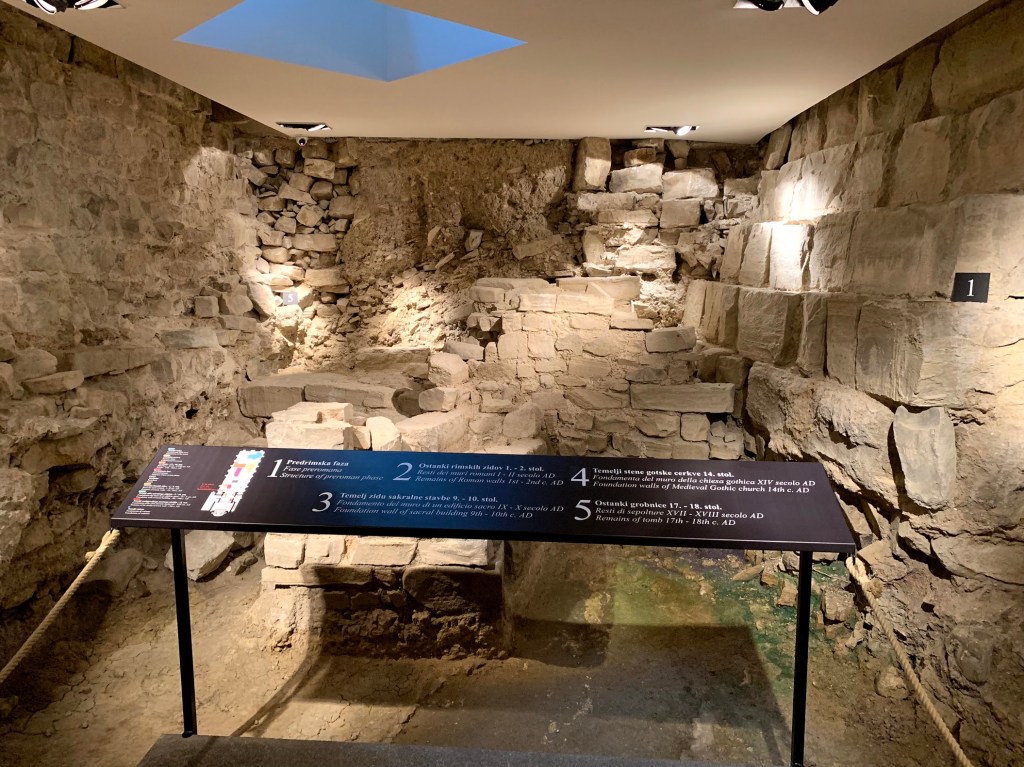
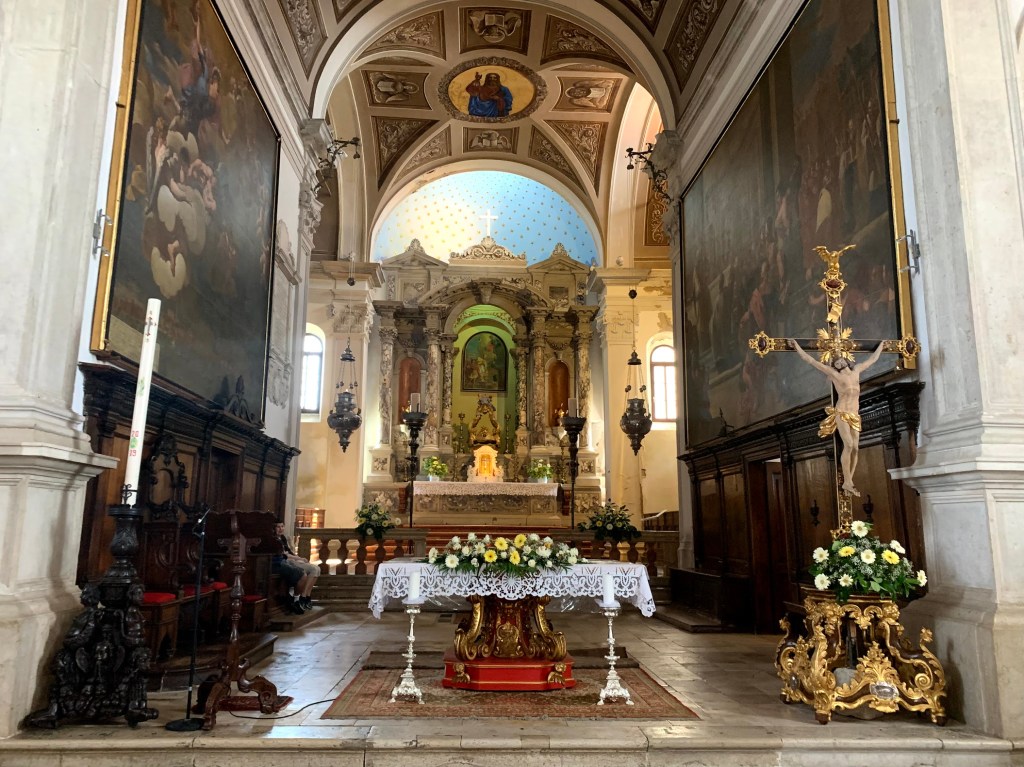
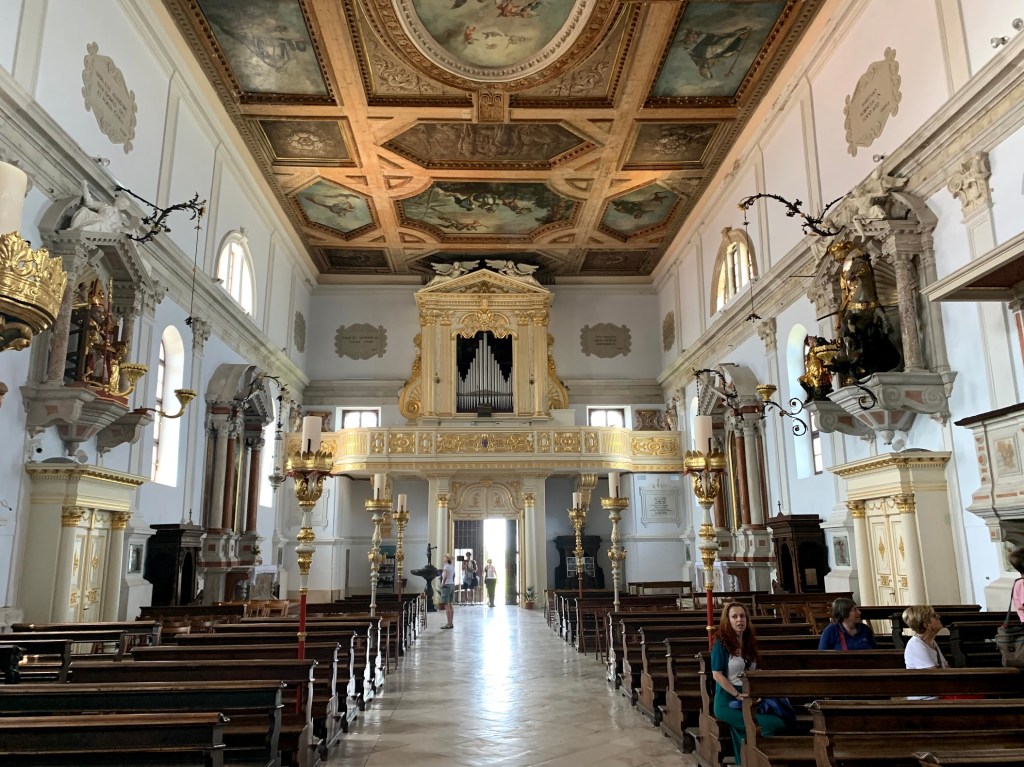
Next door to the bell tower was St. George’s Church. There was a little museum showing the four different eras of the building site’s foundations, from pre Roman through modern times. The church building itself had recently been restored. The lovely frescos offset by pure white walls with accents of gold enticed us to sit quietly in the pews and pray.

Underneath St. George’s Church you can see four of the original foundations from fortress to church building. The hole in the ceiling allows you to see down from the sanctuary above.
High Altar:
The lace on the altar was made locally. Slovenia is known for it’s lace.
View up the aisle to the organ and front doors

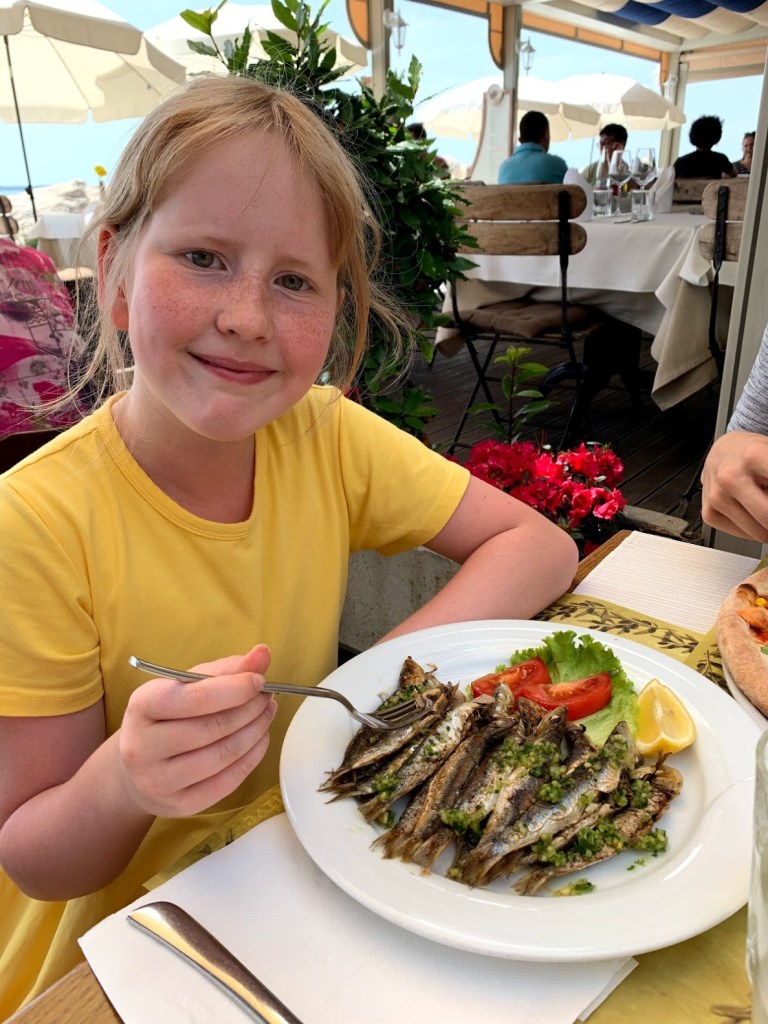
The physical and spiritual respite was nice, but it was time to eat! Rivia’s offered a nice selection of seafood. Faywen was particularly happy to eat fresh sardines straight from the nearby ocean. Our waiter was amused that a little American girl loved sardines. He complimented Faywen on her taste in seafood!  Just past the restaurant a bit further down the boardwalk was the old lighthouse, which is the furthest western point in Slovenia.

Faywen LOVES sardines!
Strolling down the boardwalk:
There were openings in the rocks where you could descend down a ladder and go swimming. Locals had patio chairs and towels placed on some of the smoother rocks.

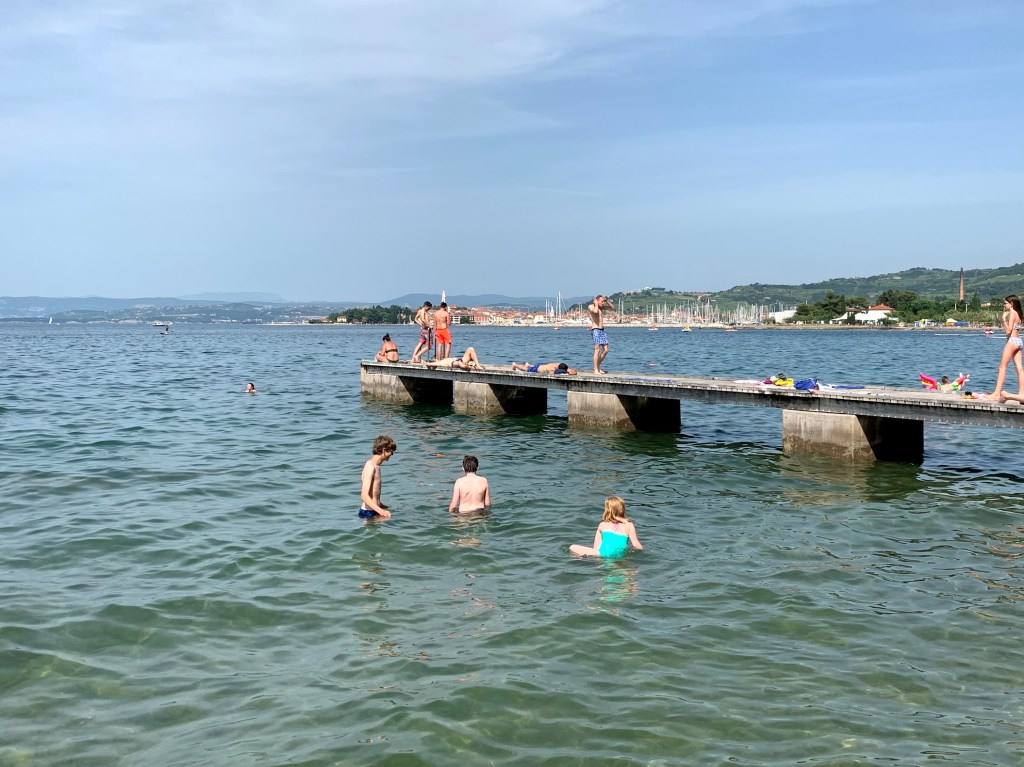
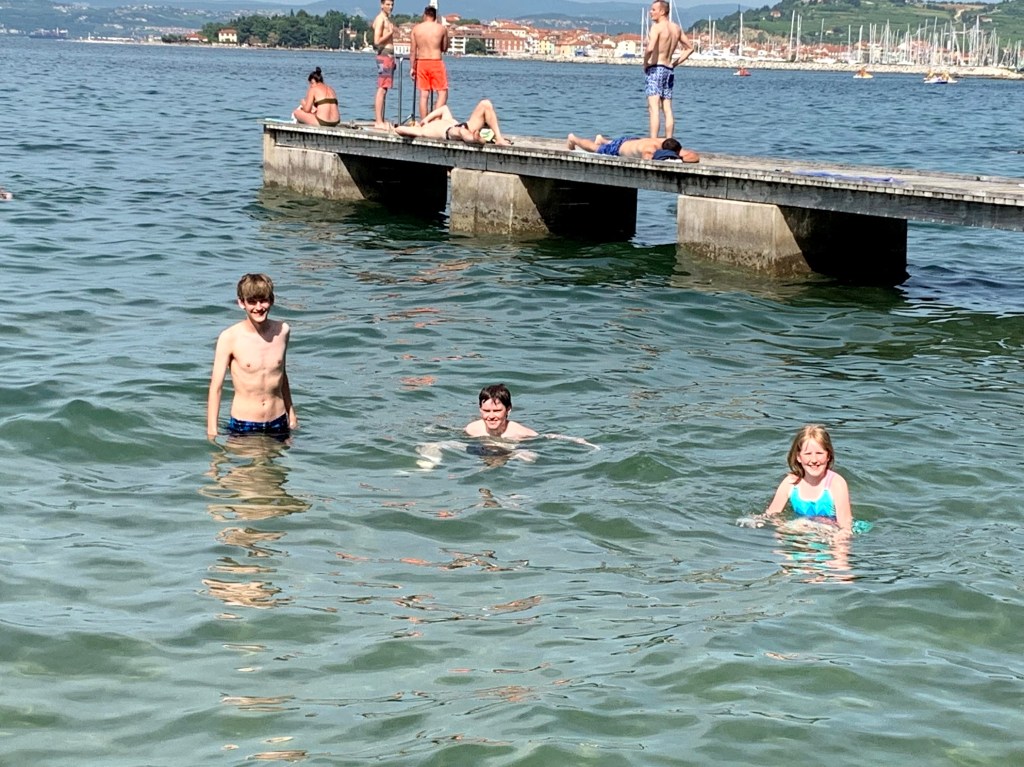
We caught the bus back to our parking lot and drove another 20 minutes north to Izola Beach. The kids’ enjoyed swimming with the locals in the Adriatic Sea. However, due to the rocky bottom they ended up with a few foot and leg scrapes. Good thing the salt water acted like a natural cleanser!

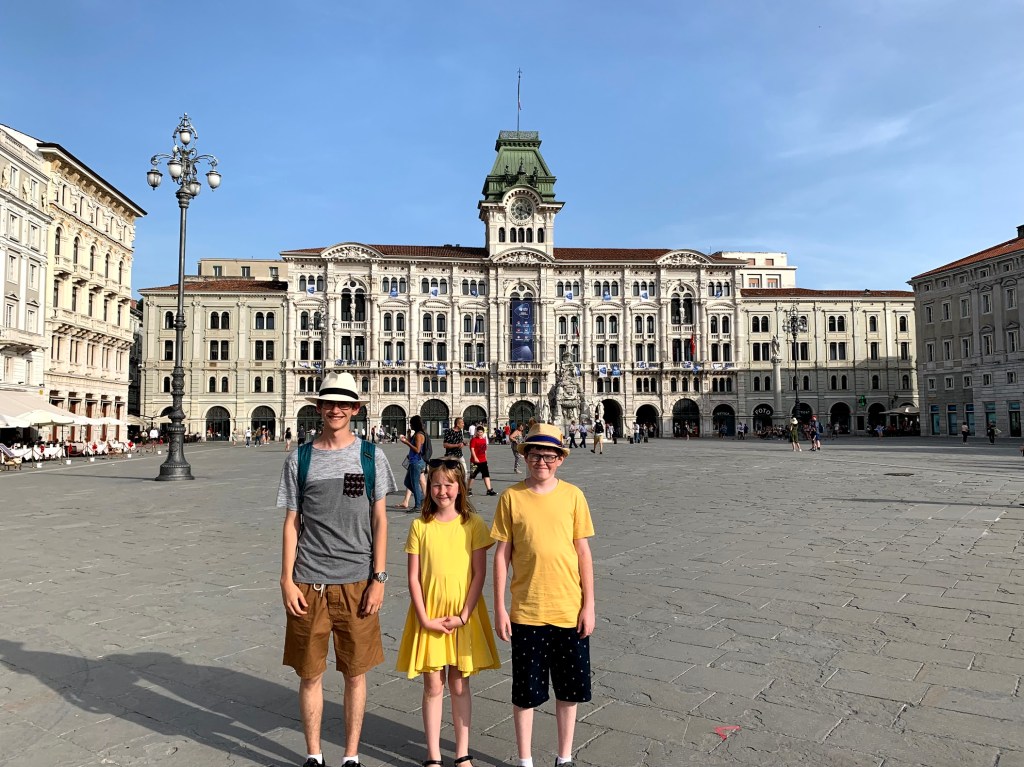
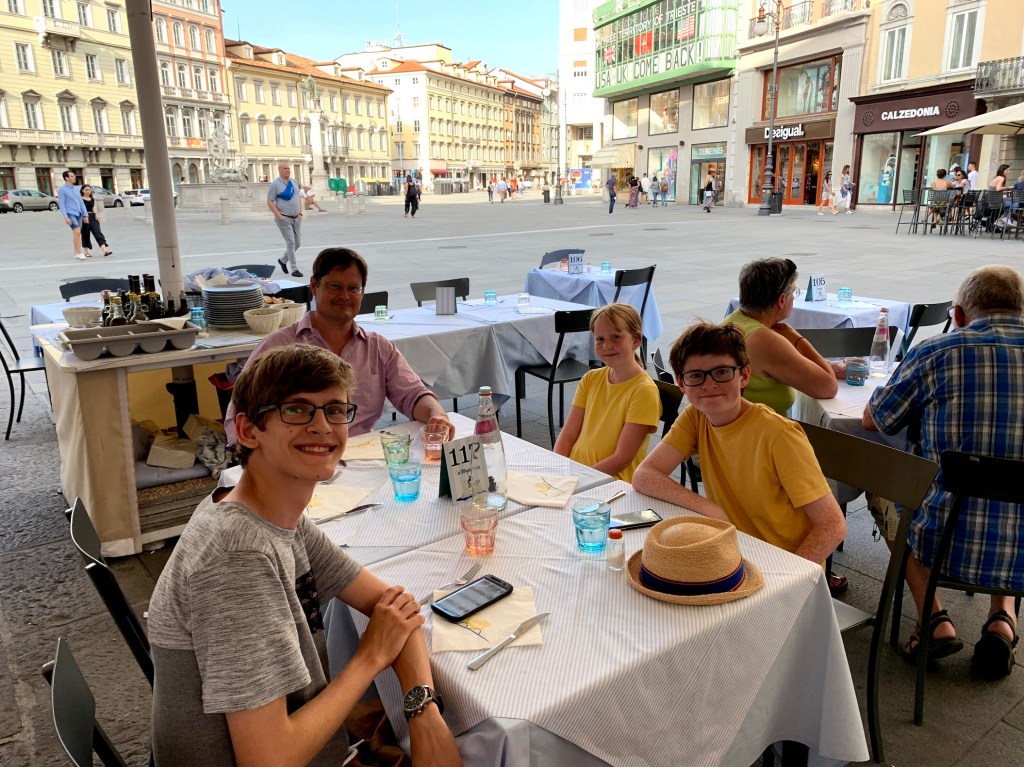
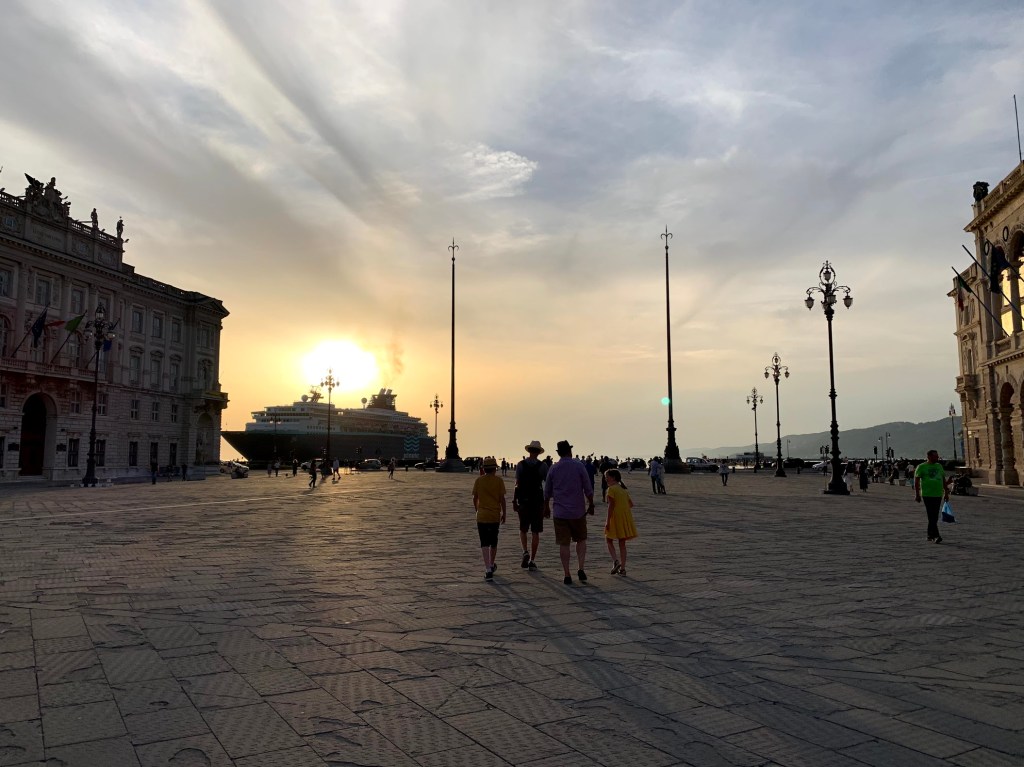
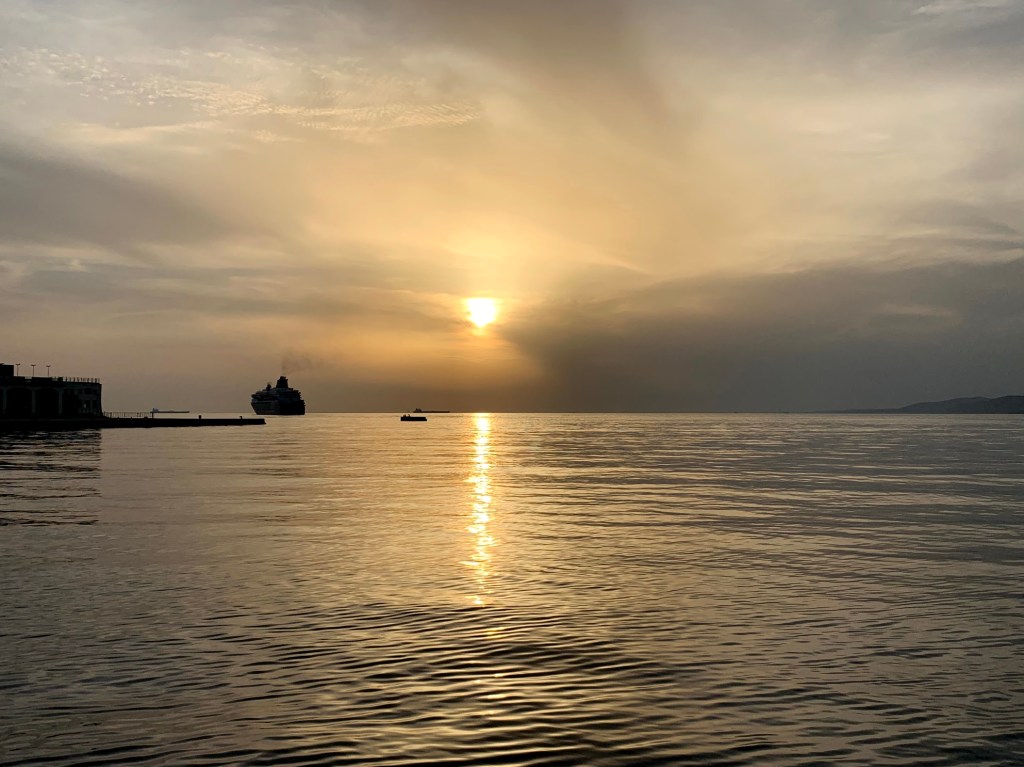
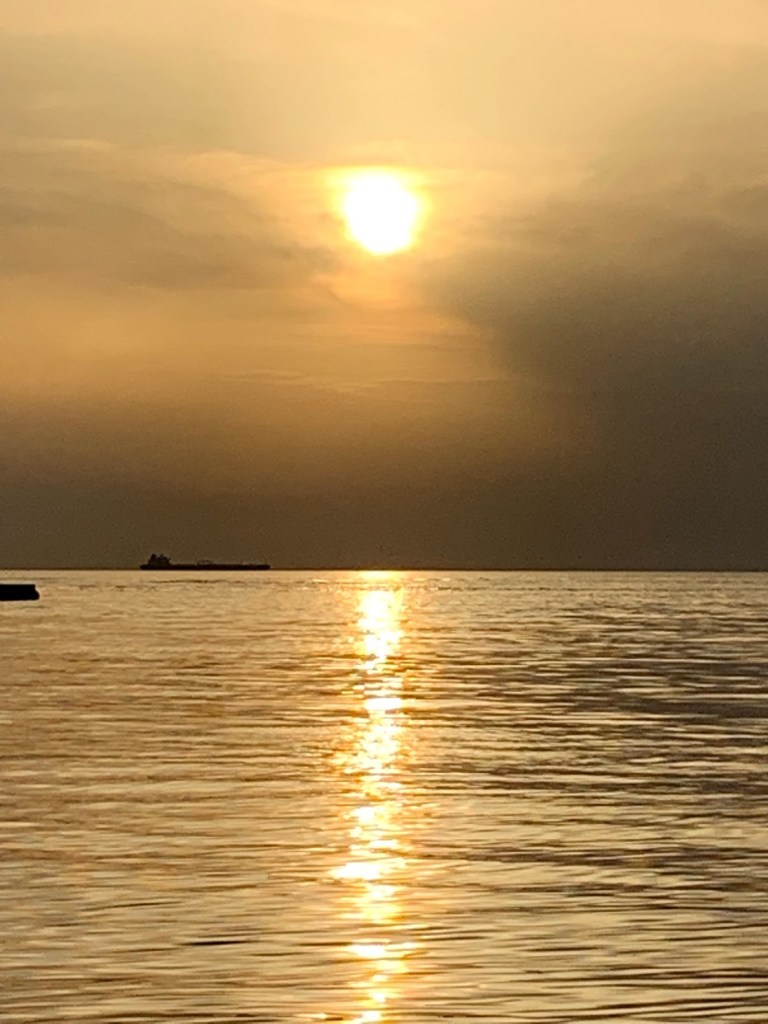
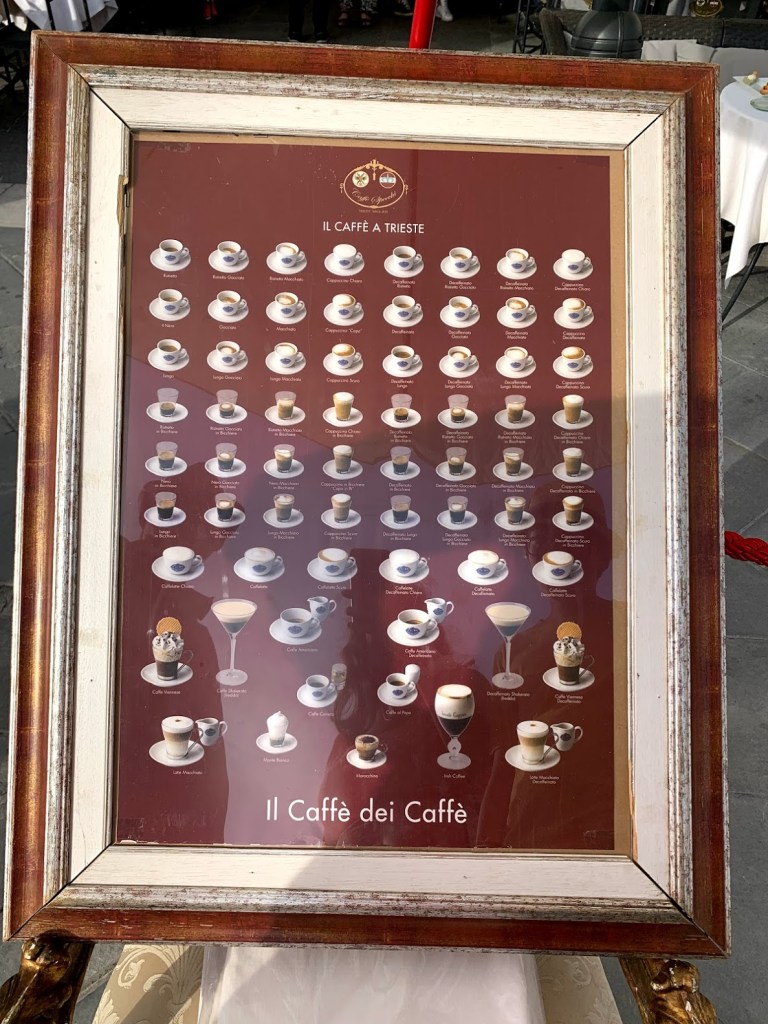
The final few hours of our day were spent just over the border in Trieste, Italy. The Grand Piazza is the largest in Europe to face the water. It was picturesque sitting in an open cafe, eating Italian food, and people watching.  Faywen even saw a GIBS classmate walk by! Our stomachs full of good pasta and wine we meandered to the piazza and the edge of the water to watch the giant cruise ship sail away into the sunset.  At that moment my Dad called from America and he and my Mom were able to enjoy an Adriatic sunset via Skype. It was a beautiful memory I’ll cherish my whole life!

How do you like your coffee?
View from the Town Hall across the Piazza at sunset
We heard the cruise ship blast it’s horn and enjoyed watching it sail off into the sunset
Golden sunset over the Adriatic Sea

Gelato in hand, we walked back to our car and drove over the border into Slovenia.

Now How Do You Say the Capital of Slovenia?

Ljubljana! (luhb-li-yahnah)

Yes, this wonderful capital city was the beginning of our next long weekend adventure. The children and Robert had off the 10th and 11th of June so we decided to go and explore the little country just south of Austria called Slovenia (once known as Yugoslavia).  

Robert picked up our rental car at SIXT Automotive, where we’ve rented our other cars, and we were on our way to Ljubljana. Slovenia is about 50km south of Graz. At the border we stopped and purchased a vignette tag. Many countries in Europe have a little sticker that allows you to pass through toll roads.

As we crossed the border the rolling foothills of the Alps grew a bit and there were many little villages tucked into the mountainside. All the homes were well maintained. Since Yugoslavia was a former Soviet country we were expecting to see run down homes and villages, a time capsule of sorts. It was a wonderful surprise to discover that Slovenian’s took pride in their villages. We soon found that they were a very friendly, warm people too!

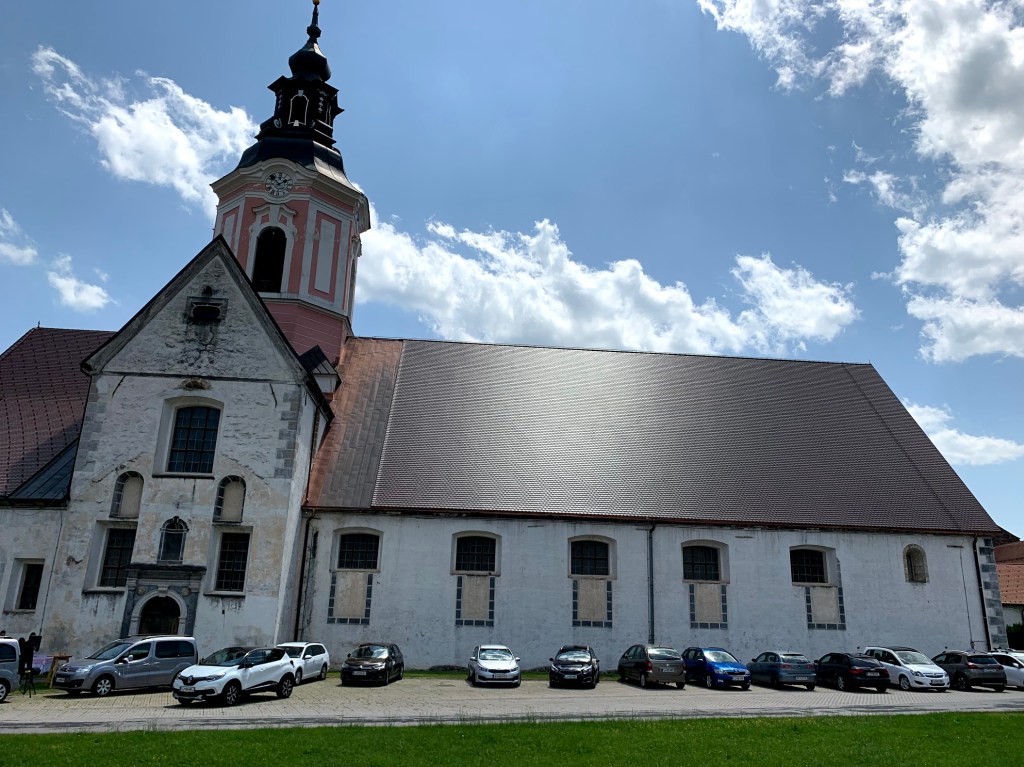
Before arriving in Ljubljana we briefly stopped off at the oldest Monastery in Slovenia. Unfortunately we couldn’t’ go inside because the community were honoring the local firemen with a banquet! However, in the same little village we ate at a local café called Donner King and the kebabs were tasty.

Stična Abbey was founded in 1136

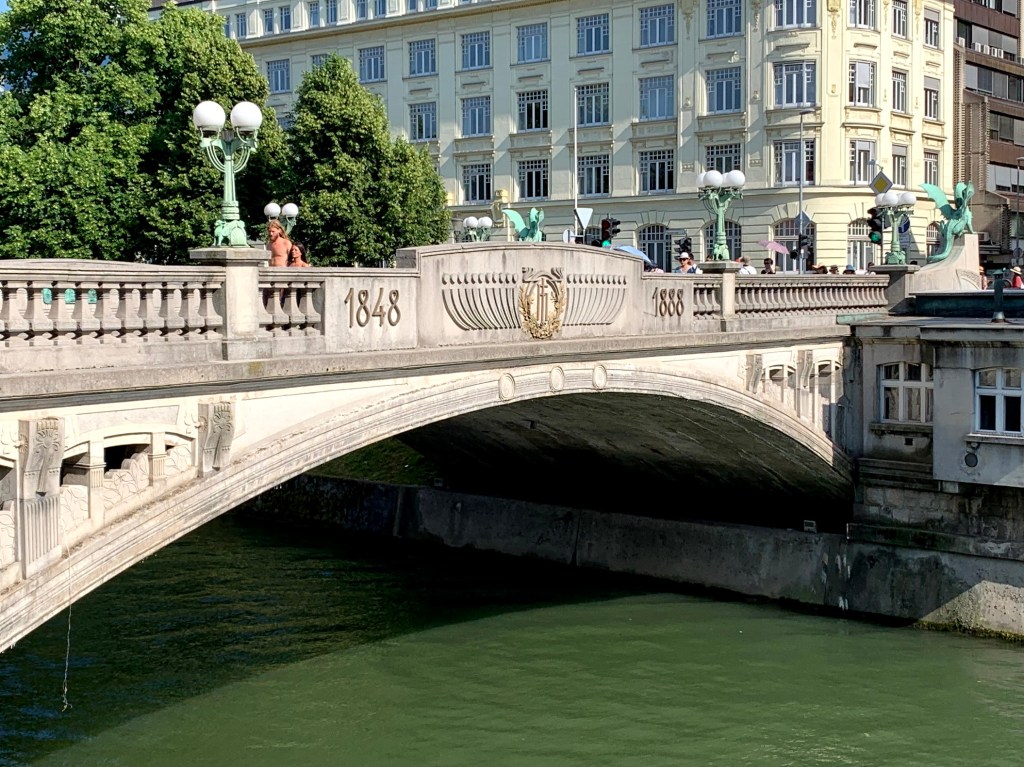
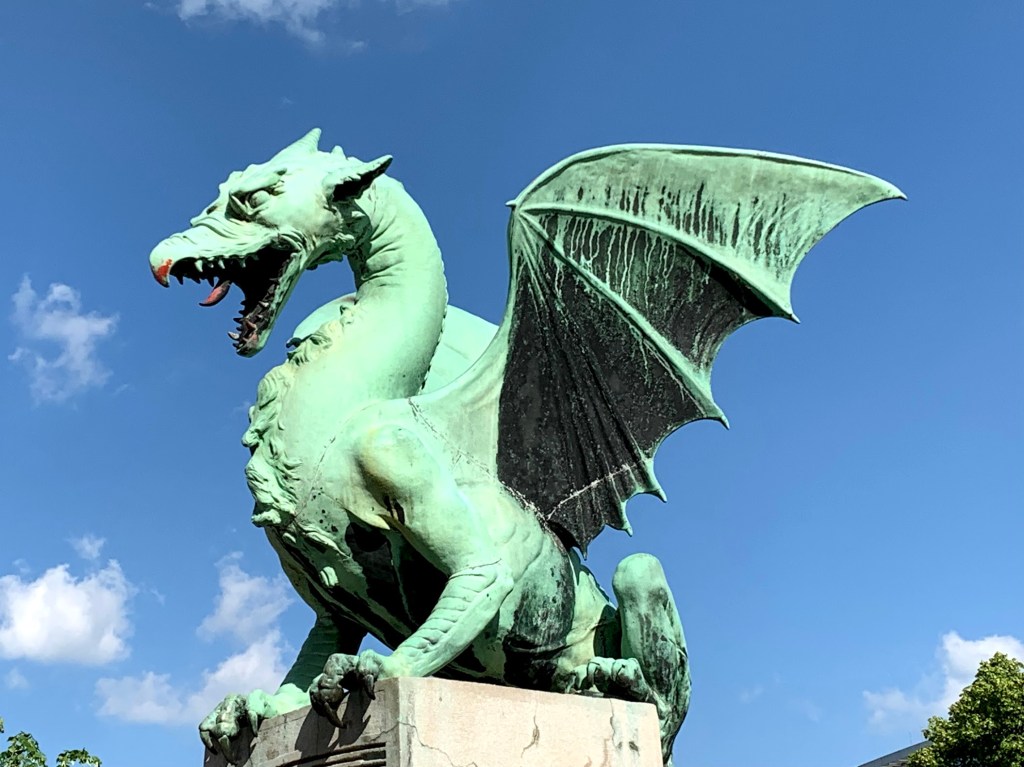
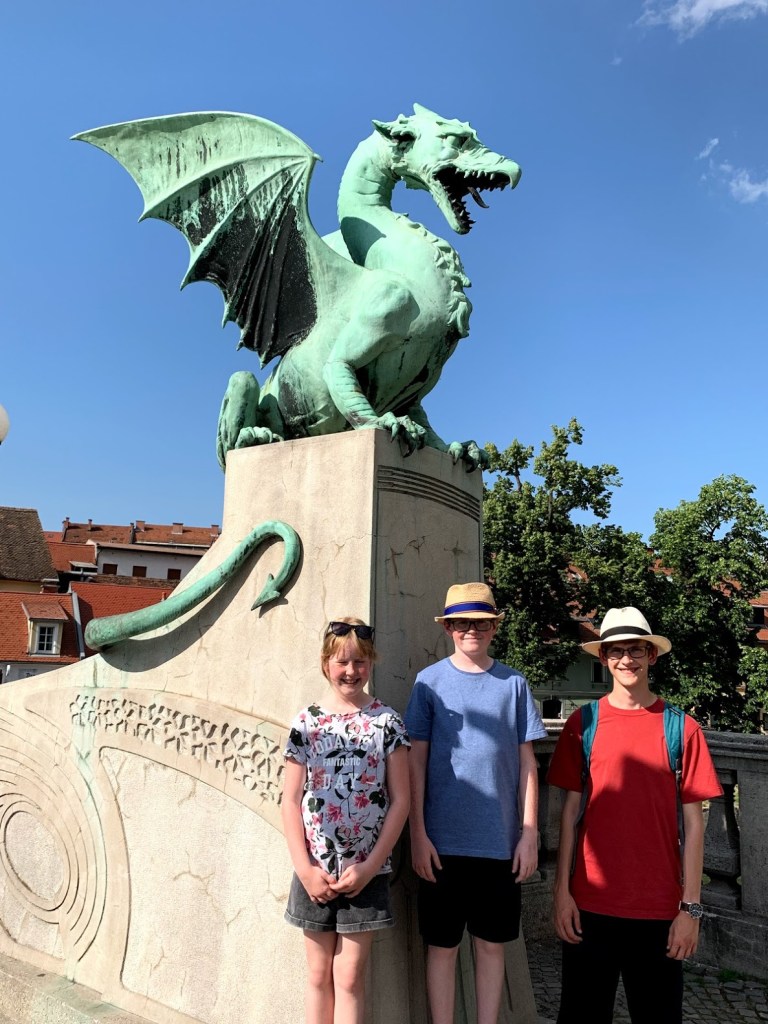
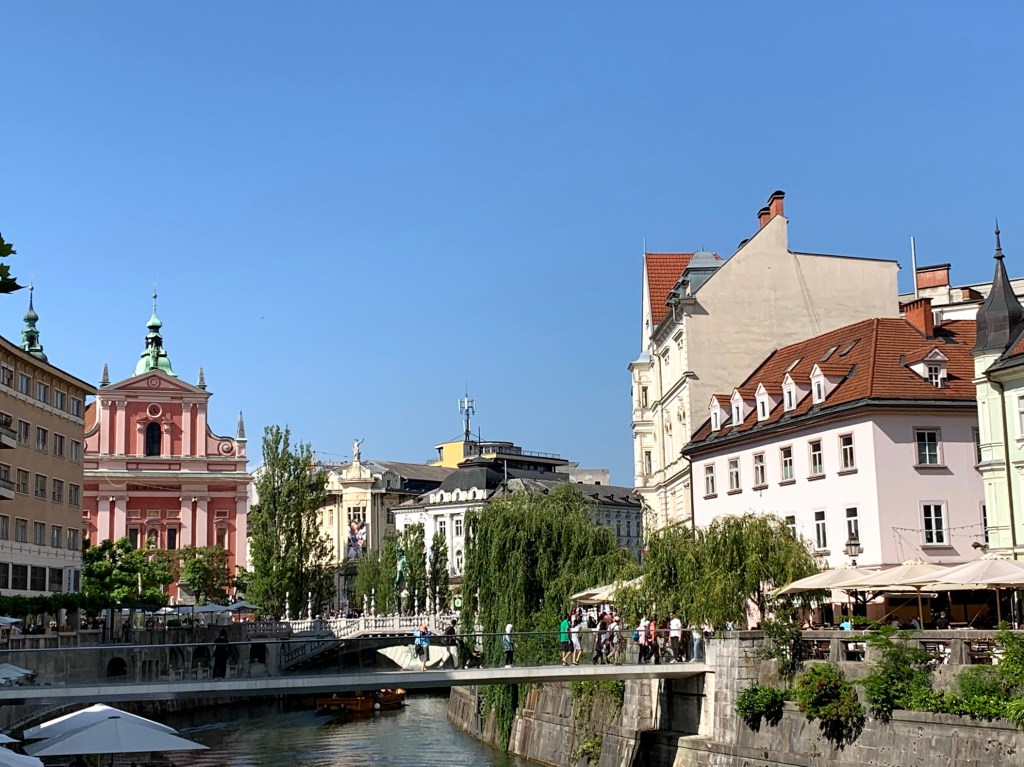
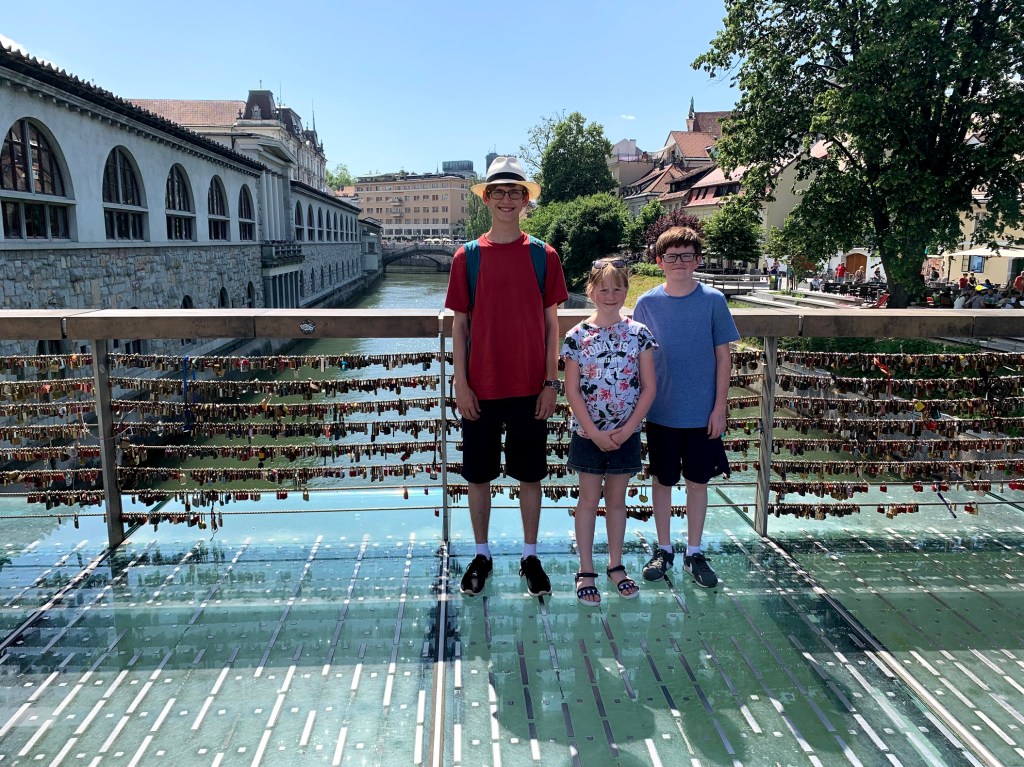
Up and over the hills we drove and eventually ended up in Ljubljana. It was a beautiful and charming city with the Ljubljanica River Kanal winding it’s way through the old city centre, beautiful bridges, and gorgeous 18th century buildings. The first bridge we crossed had four green dragons on each corner. We later found out that the dragon is the symbol of the city. Legend tells that Jason of the Argonauts killed an evil dragon like beast in the river right where the dragon bridge stands today. Another folktale mentions that St. George chased a dragon into the river in order to easily slay the monster.

One of four Dragon Statues that guard the bridge

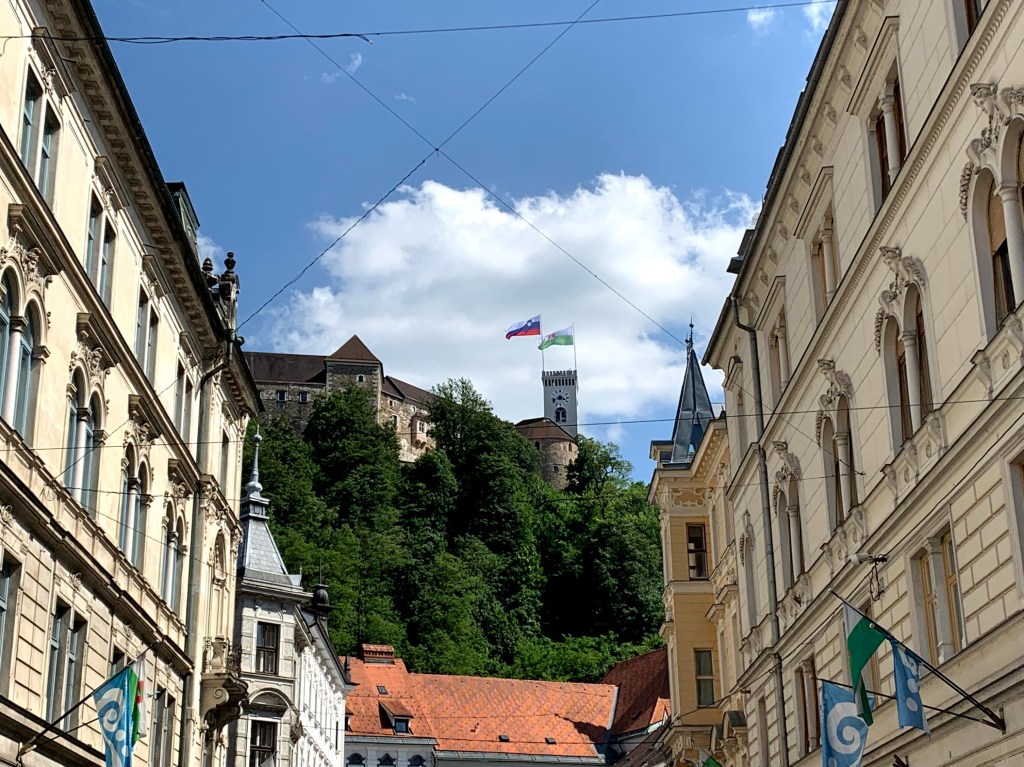
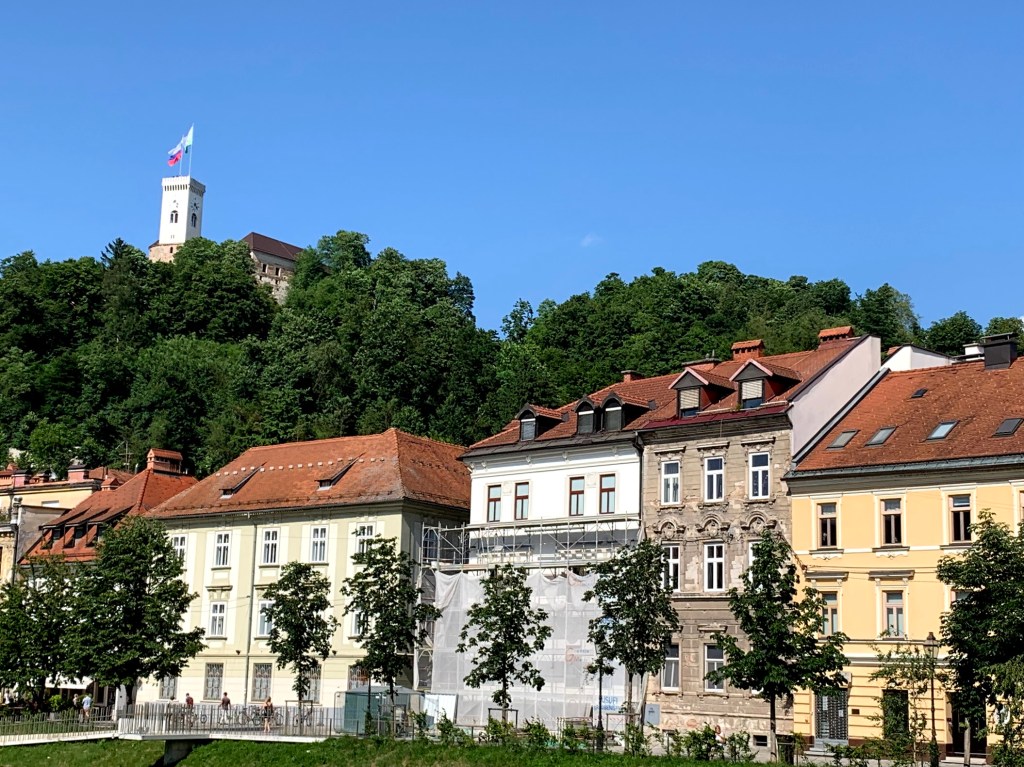
Street musicians, gelato shops, and a charming store that sold local Slovenian crafts enticed us as we strolled down the pedestrian way and along the small riverbank. From every street in Old Town you could see Ljubljana Castle sitting up on the hill keeping watch over the citizens of Slovenia’s charming capital city.

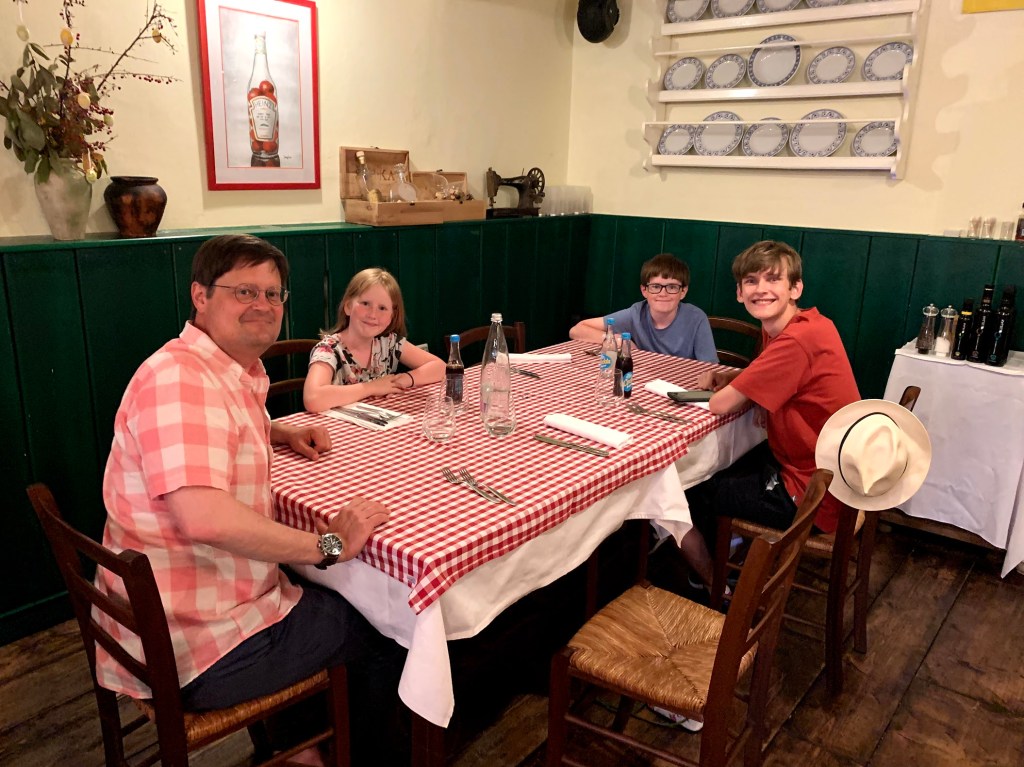
Late in the afternoon we drove an hour south to the town of Postojna and our Air BnB. Our host Androsh was very kind and gave us a recommendations for dinner. The restaurant was a blend of Italian and local Slovenian foods. I had a guinea fowl and dumplings. The local Pinot Noir wine was delicious.

Traditional Slovenian Restaurant in Postojna

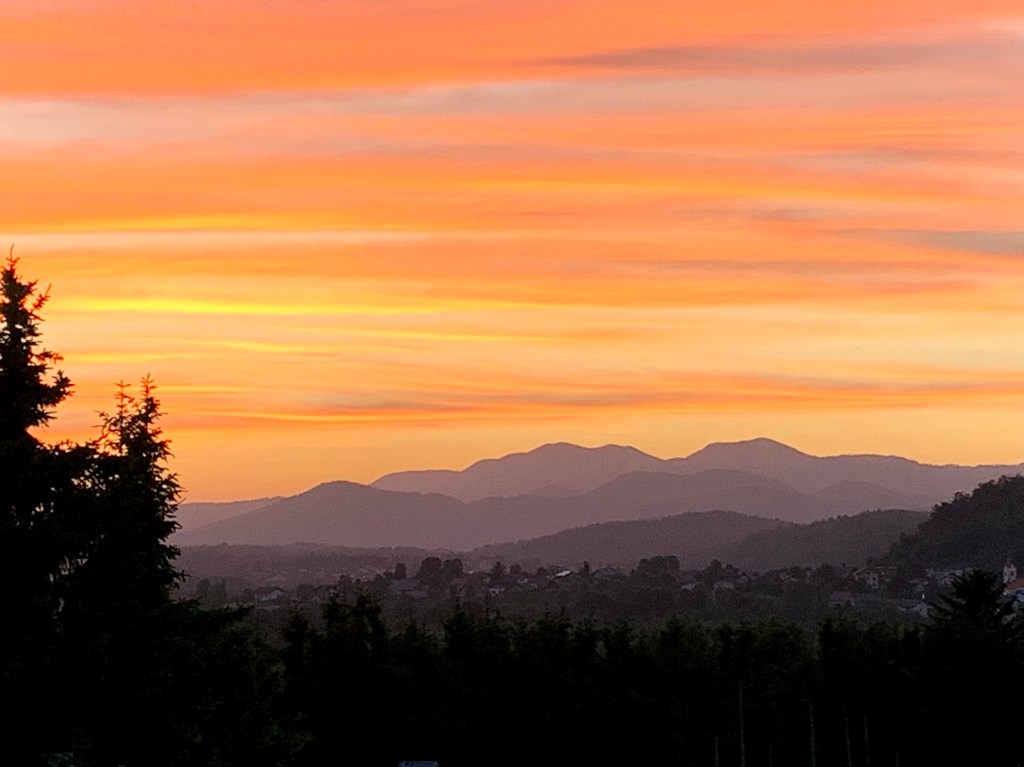
Behind our BnB was a little playground with amazing views of the silhouetted mountains bathed in an orange sunset.

Sunset over the Slovenian Alps on the 8th June, 2019